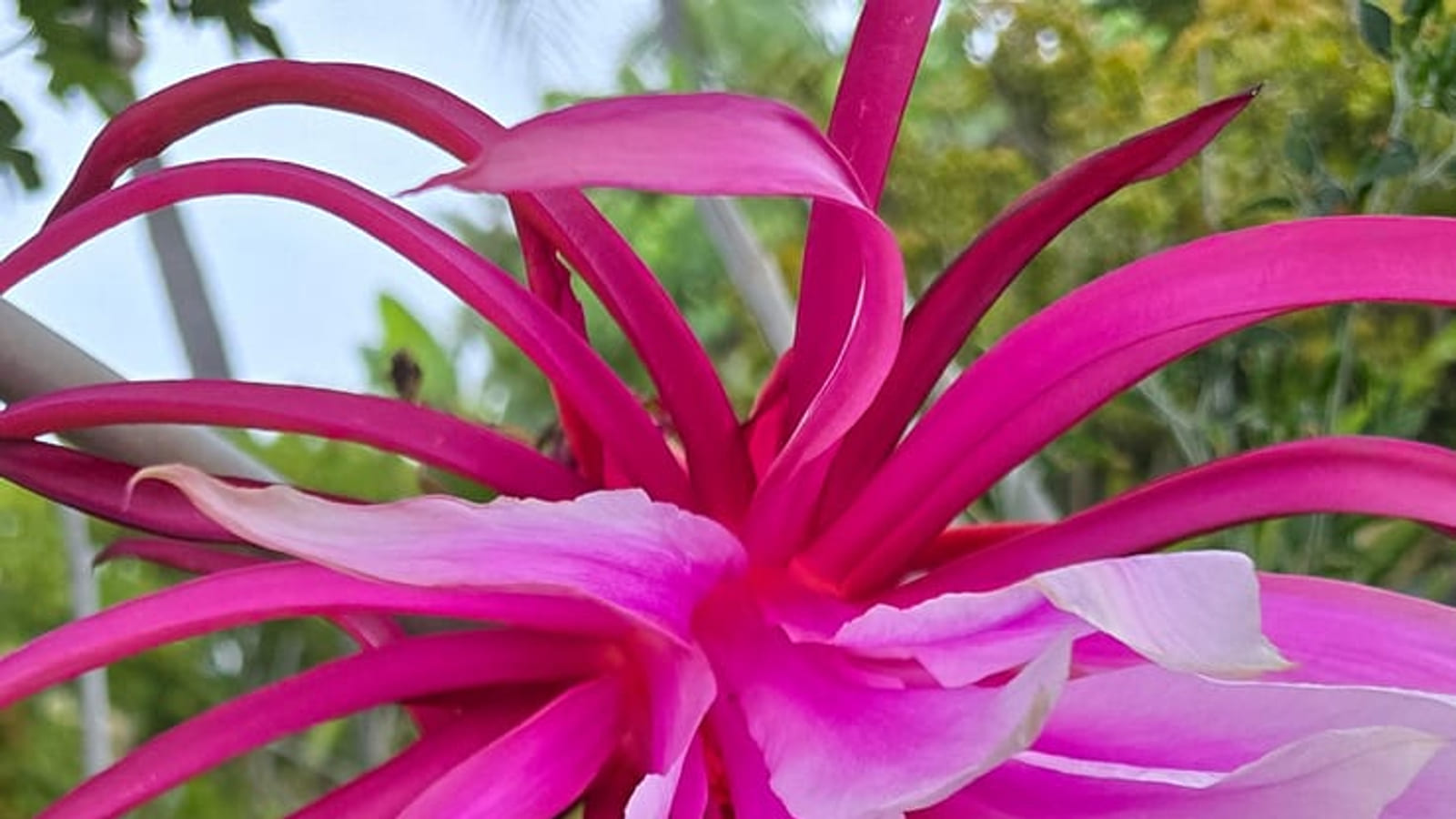
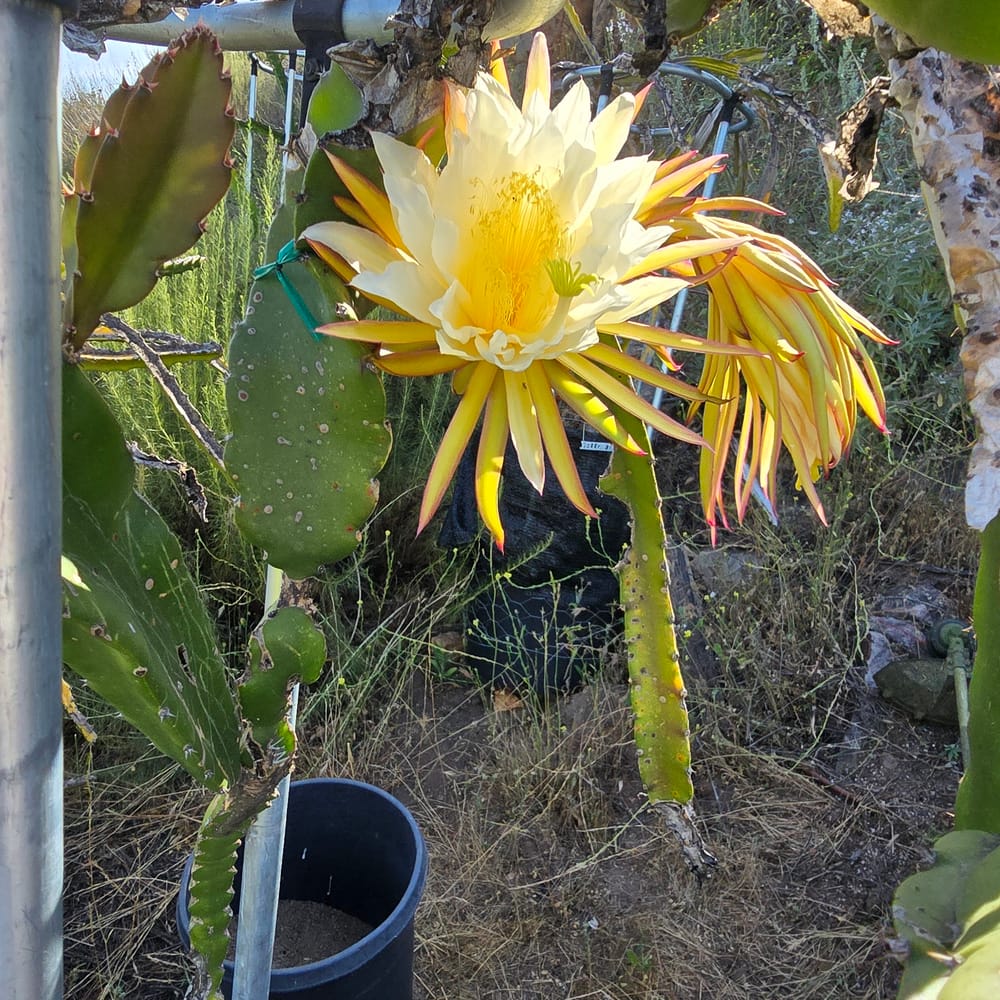
Frankie's Red Dragon Fruit: Sweet Red Variety Guide
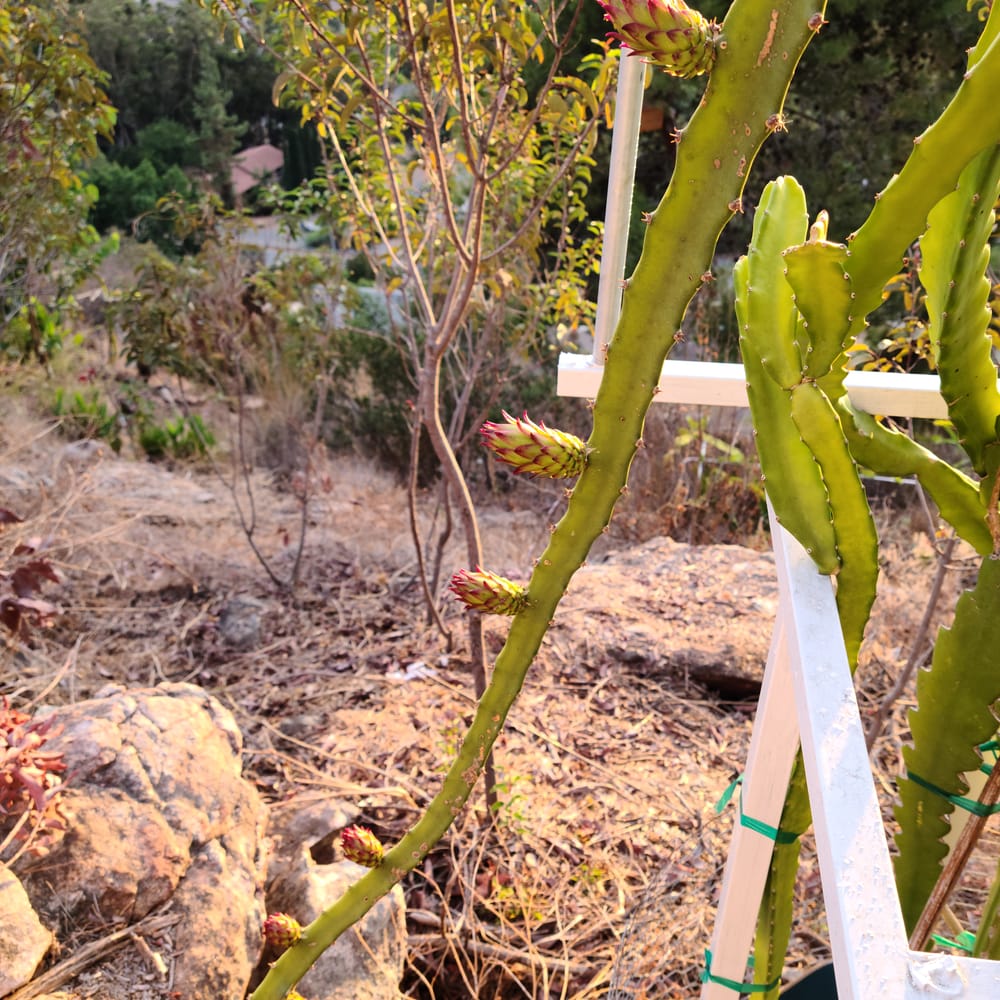
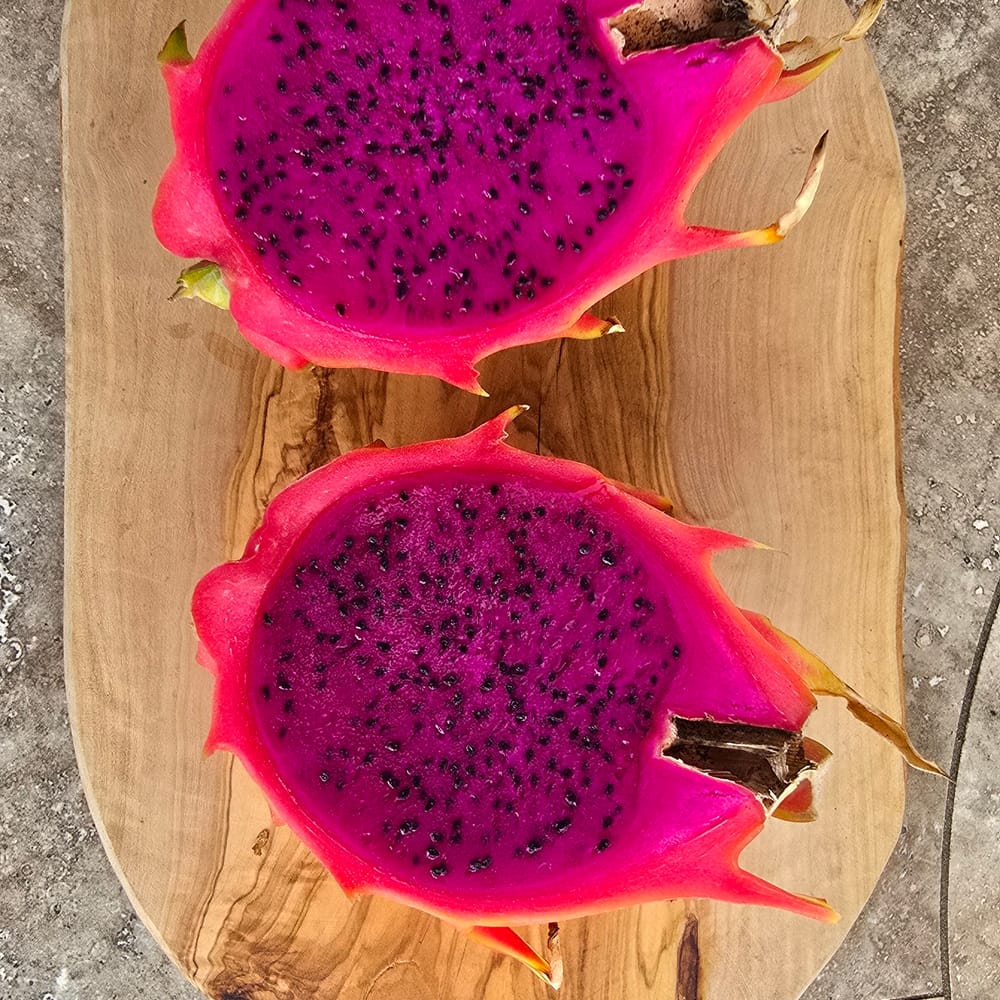
Frankie's Red is a red-fleshed dragon fruit variety known for high sweetness, vivid color, and strong dessert-like flavor. For growers in Southern California, including Escondido, it is a serious contender if you want a red variety with standout eating quality, especially in USDA zone 10a conditions where heat, sun, and fast drainage matter.
What makes Frankie's Red worth growing?
Among red varieties, Frankie's Red is often discussed as a flavor-first plant. Nursery listings describe fruit with an average Brix around 21, which puts it in the sweet range that home growers actually notice when they cut it open. The plant is a good fit for collectors who already have basics covered and want to add a red-fleshed selection to a 50+ variety dragon fruit collection.
Sky Botanicals grows and trials dragon fruit in Escondido, Southern California, so this guide is written for real conditions, not generic houseplant advice. If you have already read our dragon fruit care guide or our 50+ varieties guide, Frankie's Red fits naturally into that framework.
Frankie's Red at a glance
| Trait | What to expect |
|---|---|
| Flesh color | Red with bright highlights |
| Flavor | Very sweet, dessert-style |
| Reported sweetness | About 21 Brix in nursery descriptions |
| Growth habit | Vigorous cactus vine with segmented stems |
| Best climate fit | Warm, dry-to-moderate climates with excellent drainage |
| Hardiness target | USDA zone 10a and warmer |
Climate and temperature targets
Dragon fruit performs best when night temperatures stay warm and growth is not interrupted by cold snaps. University of Florida Extension notes optimum growth temperatures of 65°F to 77°F. That range is useful for Frankie's Red too, because the plant will grow faster, flower better, and ripen fruit more reliably when summer nights stay in that band.
For winter protection, think in practical terms, not just USDA map colors. In USDA zone 10a, outdoor planting can work with frost protection and smart siting. In colder zones, move Frankie's Red into a greenhouse, sunroom, or sheltered microclimate. If your winter lows routinely dip below the mid-40s °F, expect slowdown and possible tissue damage.
Soil, pH, and fertilizer
Frankie's Red wants a fast-draining mix. The root system hates standing water, and fruit quality drops fast when the plant is overwatered. Aim for a soil pH near 6.0 to 7.0, with plenty of mineral structure and aeration. A cactus-style mix cut with pumice, perlite, coarse bark, or grit is usually better than rich, dense garden soil.
For feeding, dragon fruit is not a heavy nitrogen crop. Fruiting-stage recommendations commonly lean toward low-nitrogen formulas such as 0-10-10 or 2-10-10, especially once the plant is mature and pushing buds. In plain language, feed for flowers and fruit, not for huge leafy growth.
| Growth stage | Fertilizer direction | Why it matters |
|---|---|---|
| Young plant | Balanced, light feeding | Build stems and roots without burning tissue |
| Pre-flower | Lower nitrogen, higher potassium | Encourage bud formation |
| Fruiting | Low nitrogen such as 0-10-10 or 2-10-10 | Support sweetness and fruit fill |
How Frankie's Red compares to other red varieties
Not every red dragon fruit tastes the same. Some are milder, some lean more tropical, and some are bred more for productivity than dessert quality. Frankie's Red is appealing because it sits in the sweet-and-flavorful camp rather than the bland-and-reliable camp.
| Variety | Main strength | Best use case |
|---|---|---|
| Frankie's Red | High sweetness, strong red flesh | Eat fresh, showcase fruit |
| Physical Graffiti | Bold flavor, strong production | Collector garden and backyard harvests |
| Purple Haze | Large fruit, grape-like notes | Big fruit enthusiasts |
| Sugar Dragon (S8) | Self-fertile pollinator value | Pollination support and beginner planting |
Growing Frankie's Red in Southern California
In Escondido and across Southern California, the recipe is simple: full sun with some afternoon relief in extreme heat, excellent drainage, and a sturdy trellis. Young plants need establishment time, but mature vines can produce impressively when they get enough light and a consistent summer irrigation schedule.
Because local conditions can swing between hot, dry spells and sudden humidity, focus on airflow and rot prevention. A raised bed, large container, or mound planting often works better than flat soil. If you already grow one of the easier varieties, Frankie's Red is a natural next step for expanding your collection.
Best site conditions
- 6 to 8 hours of strong sun
- Free-draining soil or container mix
- Protected from hard frost
- Room for a tall, stable trellis
- Good airflow around the canopy
Harvest and flavor notes
When ripe, Frankie's Red should have full color, a slight give, and a clean stem-end release. The flavor profile is where this variety earns attention. Growers often describe red-fleshed fruit like this as berry-forward, tropical, and sweet enough to eat straight from the fridge without extra sugar.
One practical note, sweetness is not only genetics. Heat, sun, crop load, and water timing affect Brix. A well-managed plant in a warm summer can test much higher than a stressed or overwatered one.
Who should choose Frankie's Red?
Choose Frankie's Red if you want a red-fleshed dragon fruit with strong eating quality, you already understand basic pitaya care, and you are building a collection that goes beyond beginner staples. If your goal is maximum reliability in every condition, start with easier anchors like Sugar Dragon, then add Frankie's Red as a flavor upgrade.
FAQ
How sweet is Frankie's Red?
Nursery descriptions report average sweetness around 21 Brix, which is firmly in the dessert-fruit range.
What USDA zone is best?
It is best suited to USDA zone 10a and warmer, with frost protection if temperatures fall.
What temperatures does dragon fruit prefer?
Optimum growth is generally 65°F to 77°F, according to University of Florida Extension.
What fertilizer ratio should I use?
For fruiting, low-nitrogen options like 0-10-10 or 2-10-10 are commonly used by growers.
Can I grow it in a container?
Yes, especially if you can control drainage, sun exposure, and winter protection.
Is Frankie's Red self-fertile?
Check the exact plant source before buying. For best fruit set, keep a pollinator variety nearby.
Sky Botanicals grows dragon fruit in Escondido, Southern California, and we use these exact growing conditions to judge what is worth planting. Frankie's Red earns its place when flavor matters more than filler.