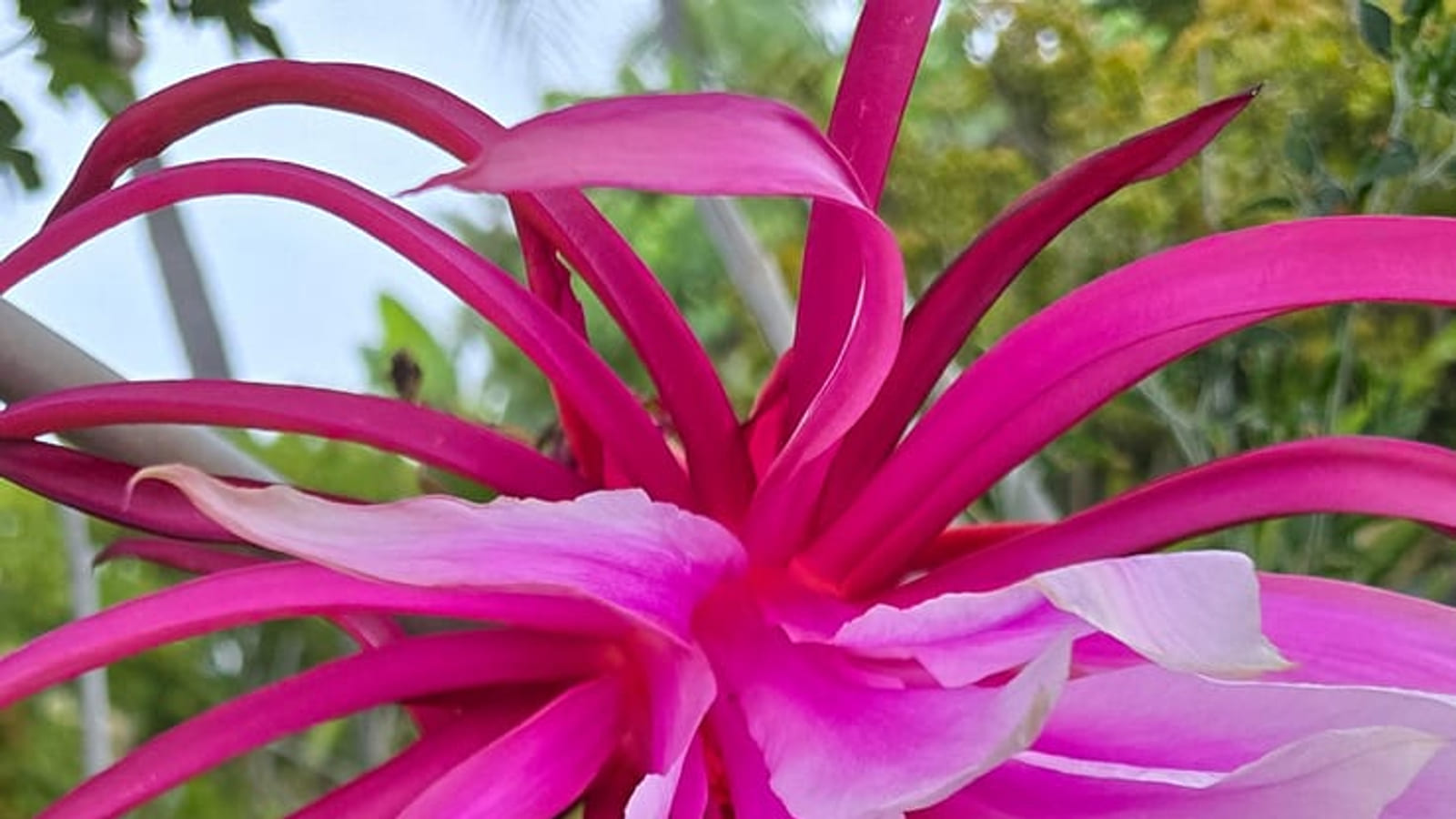
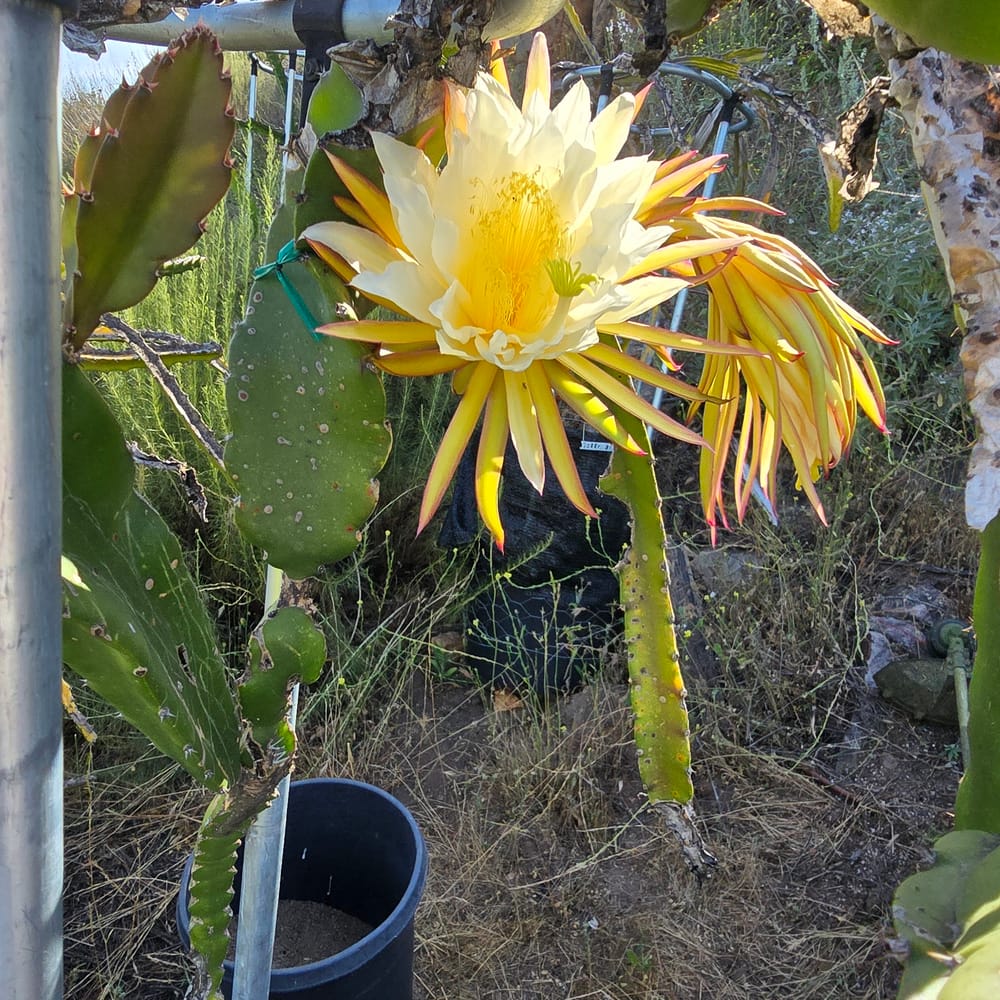
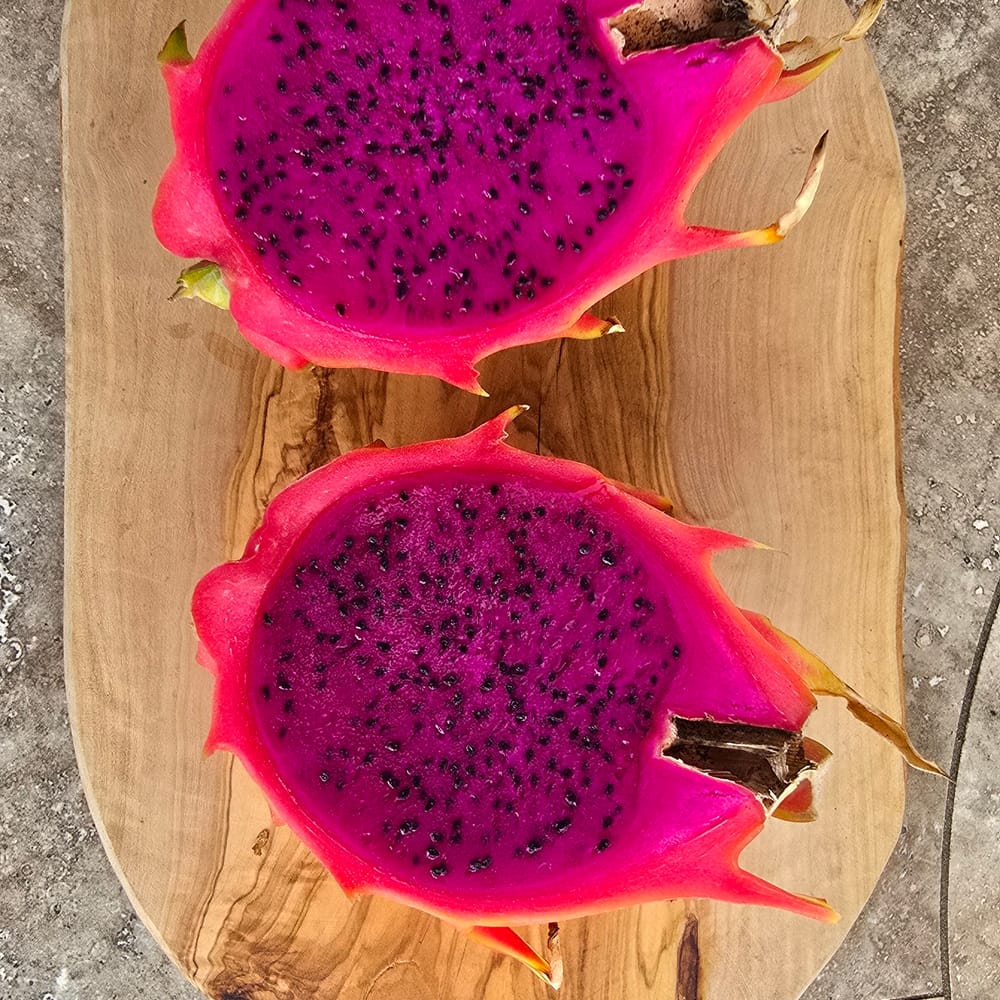
Valdivia Roja Dragon Fruit: Heat-Hardy Red Variety
A resilient Jalisco, Mexico selection with thick stems, strong flavor, and the kind of adaptability Southern California growers want.

Valdivia Roja is a red-fleshed dragon fruit variety from Jalisco, Mexico, known for thick three-sided stems, strong heat-and-cold tolerance, and fruit that averages about 19° Brix.
Why Valdivia Roja stands out
If you want a red-fleshed pitaya that feels tougher than average, Valdivia Roja deserves attention. Leewi Farms describes it as a Jalisco-origin variety with a grayish-white coating on thick stems that help it handle both heat and cold, and reports an average Brix value of 19. That puts it in the dessert-fruit range, not the bland grocery-store category.
For growers in Escondido and broader Southern California, that resilience matters. At Sky Botanicals, we look for varieties that can perform in USDA zone 10a without babying, and Valdivia Roja fits the kind of backyard grower profile that wants flavor and durability together.
Valdivia Roja at a glance
| Trait | Valdivia Roja |
|---|---|
| Origin | Jalisco State, Mexico |
| Fruit color | Red flesh |
| Average Brix | 19 |
| Growth habit | Thick, three-sided stems |
| Temperature fit | Heat and cold tolerant |
| Best use | Backyard growers, collector gardens, tasting collections |
Flavor and eating quality
Brix is the easiest shorthand for sweetness. A reading around 19° Brix is legitimately high for dragon fruit, especially when many commercial fruits sit far lower. That means Valdivia Roja has the potential to deliver a richer, denser flavor when fully ripe and grown in strong sun.
Ripe dragon fruit is usually only mildly acidic, with juice pH commonly landing around the low-to-mid 5 range in published food references. In practice, that means sweetness and texture matter more than sharp tartness. With Valdivia Roja, the key is full ripeness, warm nights, and not overwatering at the end of the season.
Growing Valdivia Roja in zone 10a
USDA hardiness zones are based on average annual extreme minimum winter temperature in 10°F bands, so zone 10a is still a warm-climate cactus zone, but not a guarantee against damage. Dragon fruit generally thrives outdoors in warm-winter climates, and Hunker places dragon fruit in the 10a to 11 range for outdoor growing.
That makes Valdivia Roja a smart fit for Southern California patios, trellises, and protected walls. In cool inland pockets, give it reflected heat, fast drainage, and winter protection from frost.
Simple care targets
| Factor | Target |
|---|---|
| Sun | 6+ hours, with afternoon protection in extreme heat |
| Drainage | Fast-draining cactus mix |
| Water | Deep, then let the mix dry partially before watering again |
| Temperature | Best in warm-winter conditions; protect from frost |
| Support | Strong trellis or post for upright growth |
How it compares to common red varieties
Valdivia Roja is not a generic red dragon fruit. It is a distinct Mexican selection with a reputation for hardiness. Compared with softer, more delicate reds, its stems and fruiting habit suggest a plant that can take more environmental stress without collapsing performance. For collectors, that is the point.
If you are building a tasting bench at Sky Botanicals in Escondido, Valdivia Roja belongs next to varieties like Frankie's Red, Physical Graffiti, and our variety guide so you can compare sweetness, color, and productivity side by side.
Best pollination and fruiting expectations
Valdivia Roja is sold by specialty growers as an adaptable fruiting variety, but actual yield still depends on trellis training, bloom timing, and night pollination. For the best results, keep the plant vigorous through spring and early summer, then hand-pollinate at night when flowers open.
That matters because fruit set is always better when blooms get reliable pollen transfer. If you are building a broader pollination strategy, start with the basics in our care guide and our FAQ.
Should you grow Valdivia Roja?
Yes, if you want a red variety with real flavor and a stronger tolerance profile than the average novelty cactus. It is especially appealing for Southern California growers who want a collector-grade plant that still behaves like a practical backyard fruit tree.
At Sky Botanicals, we see Valdivia Roja as a good answer to a simple question: what red dragon fruit should I grow if I care about taste, resilience, and a little more edge than standard supermarket pitaya?
FAQ
Is Valdivia Roja self-fertile?
Specialty sellers describe it as adaptable, but fruit set is still better when you hand-pollinate blooms at night.
How sweet is Valdivia Roja?
Leewi Farms reports an average Brix of 19, which is high for dragon fruit and firmly in dessert territory.
Will Valdivia Roja grow in Escondido?
Yes, if you give it a trellis, full sun, and frost protection. Escondido sits in a climate that can support zone 10a-style dragon fruit growing.
What makes it different from other reds?
Its thick, three-sided stems and heat-and-cold tolerance set it apart, along with its high sweetness potential.