Robles Red Dragon Fruit: Sweet, Thick-Skinned Red
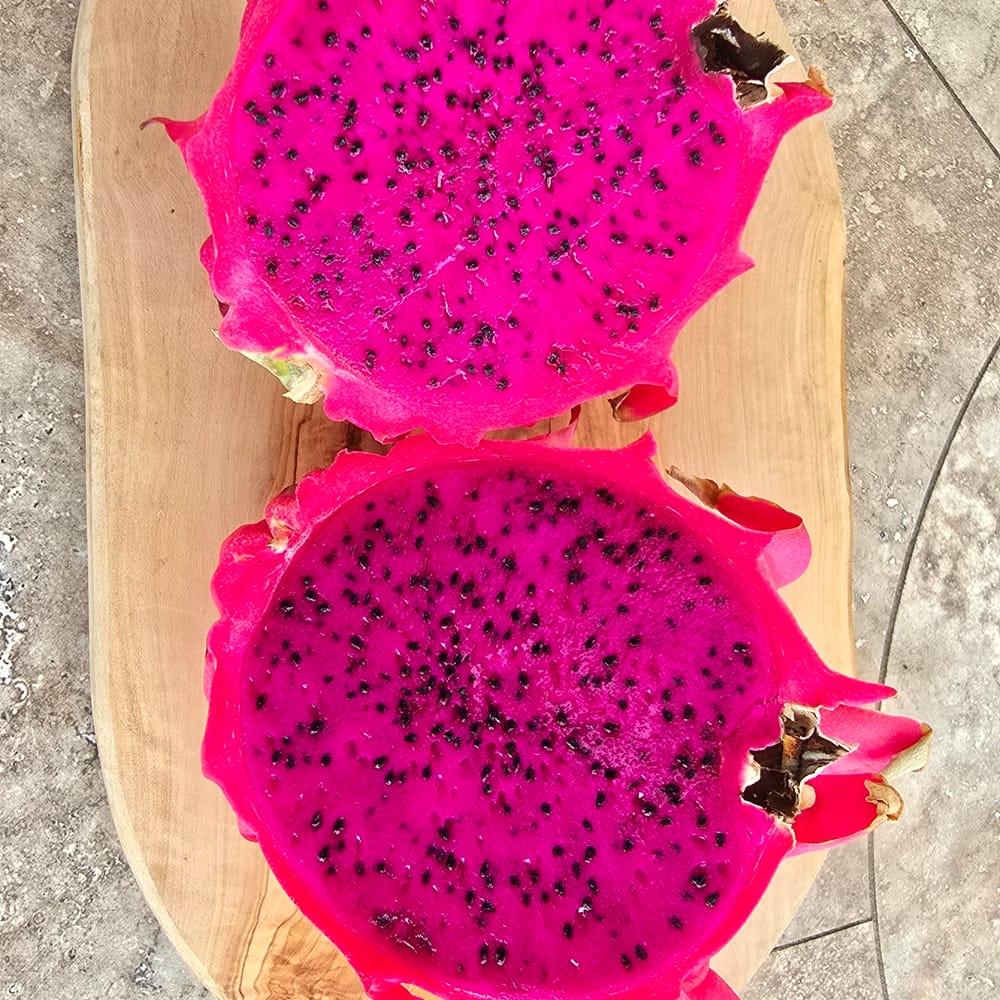
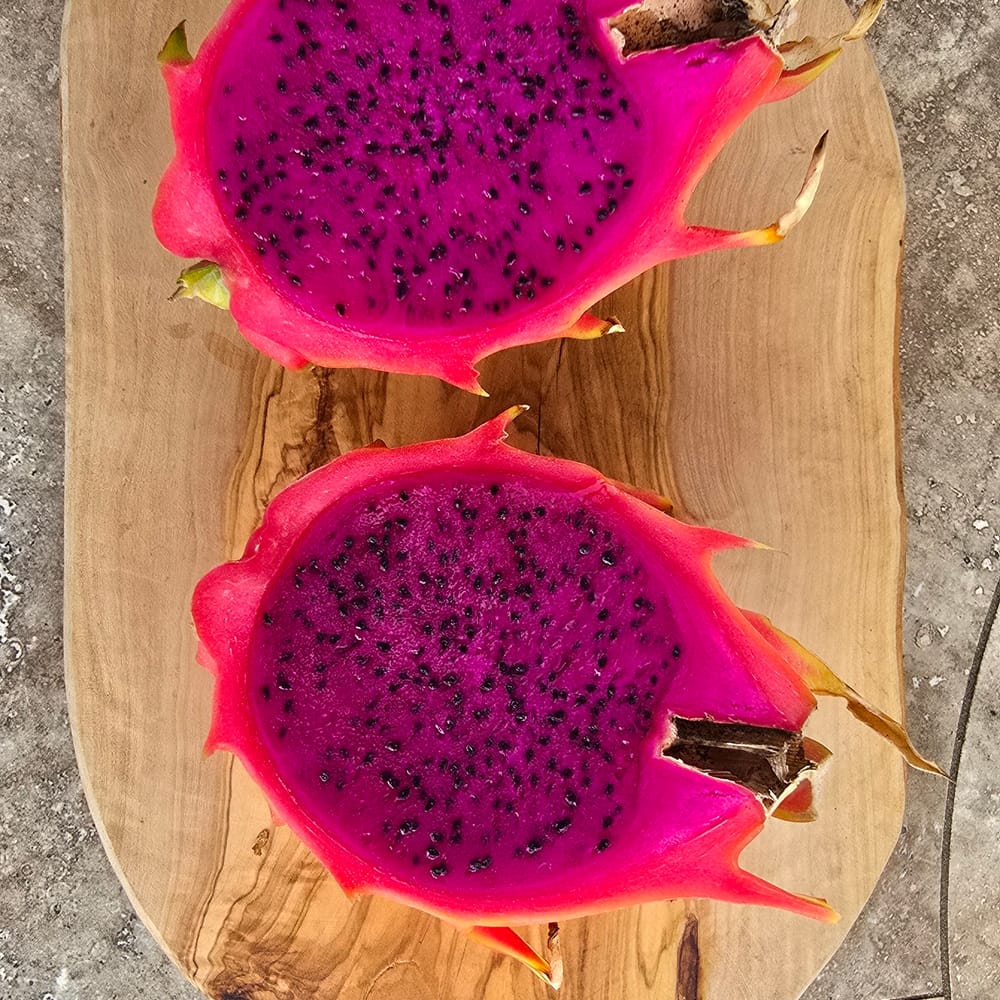
Robles Red is a self-fertile red-fleshed dragon fruit hybrid from Wallace Ranch, created by Julio Robles, with thick skin, firm texture, and a balanced sweet-tart flavor.
Why Robles Red gets attention
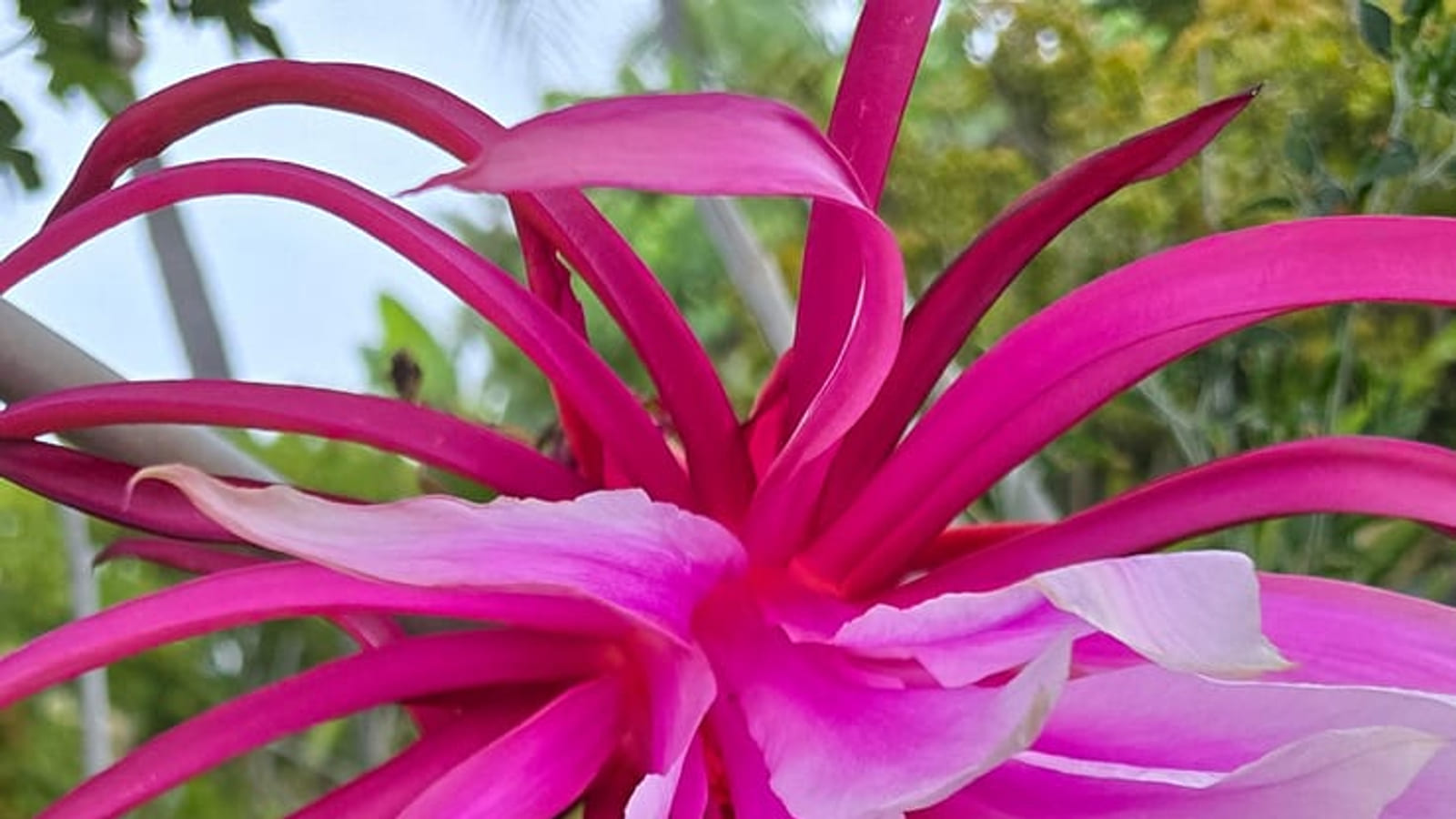
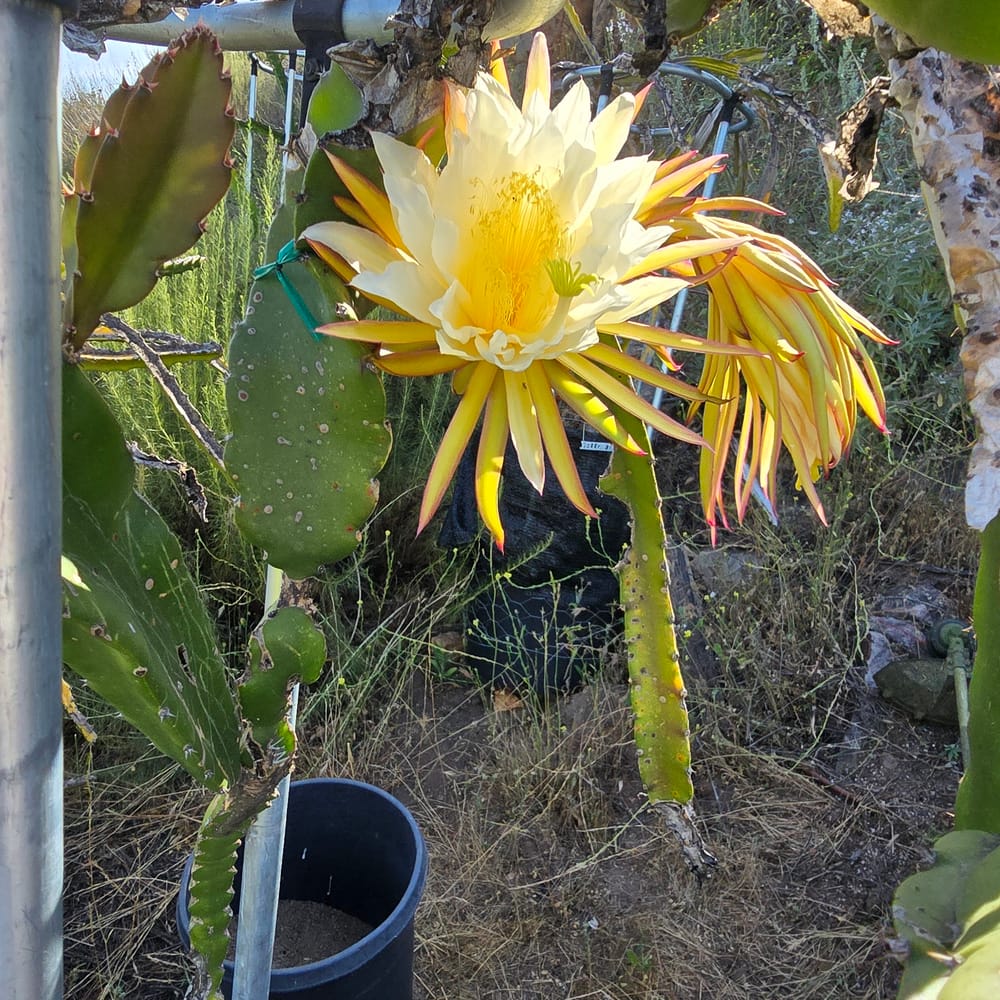
Robles Red earns its reputation because it checks a lot of boxes at once: self-fertile flowers, fast growth, thick skin that resists bruising, and fruit that tastes sweet with a little tartness. Leewi Farms identifies it as a Julio Robles hybrid, and Tasty Dragons says it comes from a cross of American Beauty flower and Orejona pollen.
That combination is useful for home growers in Southern California and especially for people gardening in USDA zone 10a. You want something productive, forgiving, and good enough to keep in the collection after the novelty wears off. Robles Red fits that brief.
Robles Red at a glance
| Trait | Robles Red |
|---|---|
| Breeder | Julio Robles, Wallace Ranch |
| Parentage | American Beauty x Orejona pollen |
| Flower type | Self-fertile |
| Fruit color | Deep purple to reddish flesh |
| Skin | Thicker than most, better bruise resistance |
| Flavor | Mild sweet, mild tart, floral note |
Flavor, texture, and sweetness
Robles Red is not usually marketed as the absolute sweetest dragon fruit, but that is part of the appeal. Specialty growers describe it as balanced, firm, and aromatic. Wallace Ranch notes that the flesh is firm and the skin is thicker than most, while Love Tropical Fruit describes the taste as sweet with floral notes and fruit size around 1/2 to 1 pound.
For reference, dragon fruit sweetness generally becomes dessert-like once Brix moves into the high teens. In comparative tasting, a fruit that hits 17 to 19° Brix can taste dramatically better than a watery one in the low teens. Robles Red is the kind of variety you grow for dependable flavor, not just one-note sugar.
Growing Robles Red in Southern California
Robles Red is a strong fit for backyard trellises, nursery collections, and edible landscapes. USDA hardiness guidance from the USDA map is based on average annual extreme minimum winter temperature, and dragon fruit generally thrives in warm-winter climates. Hunker places dragon fruit outdoors in roughly zones 10a to 11.
That means Robles Red is well suited to Escondido when protected from frost and planted in well-drained soil. Because the skin is thicker than most, it also tends to handle handling and shipping better than thinner-skinned fruit, which is helpful if you share cuttings or fruit with friends.
Growing targets
| Factor | Target |
|---|---|
| Sun | Full sun to bright filtered sun |
| Water | Deep but infrequent, never soggy |
| Support | Rigid trellis or post with room for branches to drape |
| Climate | Best in warm-winter zones, frost protected |
| Training | Prune for canopy shape and airflow |
How Robles Red compares to other red varieties
Robles Red is different from a lot of standard red dragon fruit because it has a documented breeding story and a practical fruit profile. It is not just pretty. It is a working plant. Compared with some softer reds, its thicker skin and firmer flesh make it feel more robust at harvest and storage.
If you are comparing it with other red-flesh varieties, read Valdivia Roja, American Beauty, and our main variety guide. That gives you a better frame for sweetness, productivity, and growth habit.
Pollination and yield
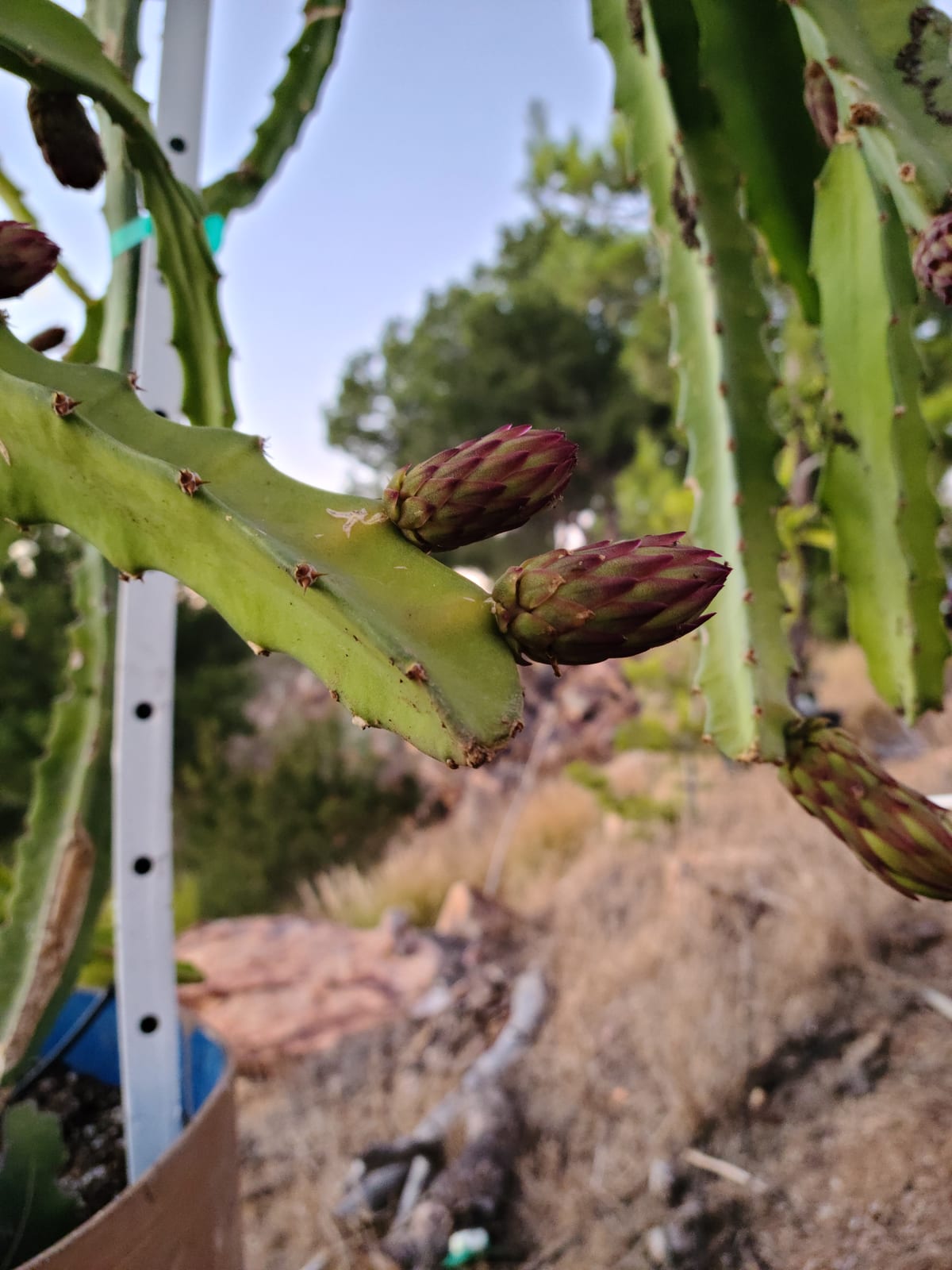
Robles Red is self-fertile, which makes it easier for small gardens and beginner growers. That said, Tasty Dragons notes that hand pollination still helps produce bigger fruit. That is a common pattern in dragon fruit: self-fertile does not mean hands-off.
Bloom at night, pollinate by hand if you want better fruit set, and keep the plant healthy during the warm season. The payoff is a more reliable crop with good eating quality.
Should you add Robles Red to your collection?
Yes, if you want a red dragon fruit that is easier to grow than fussy specialty varieties and still tastes good enough to matter. It is a smart choice for people building a serious collection at Sky Botanicals in Escondido, especially if they want something productive, self-fertile, and less fragile.
Robles Red is the kind of plant that makes sense when your goal is not just to own a rare cactus, but to actually harvest fruit you want to eat.
FAQ
Is Robles Red self-fertile?
Yes. Specialty growers describe it as self-fertile, though hand pollination can improve fruit size.
How big is the fruit?
Some growers report fruit in the half-pound to one-pound range, depending on conditions and pollination.
What does Robles Red taste like?
It is usually described as mild sweet, mild tart, and lightly floral, with a firm texture.
Will Robles Red grow in zone 10a?
Yes, with frost protection, strong support, and fast drainage. That is the right climate band for outdoor dragon fruit.