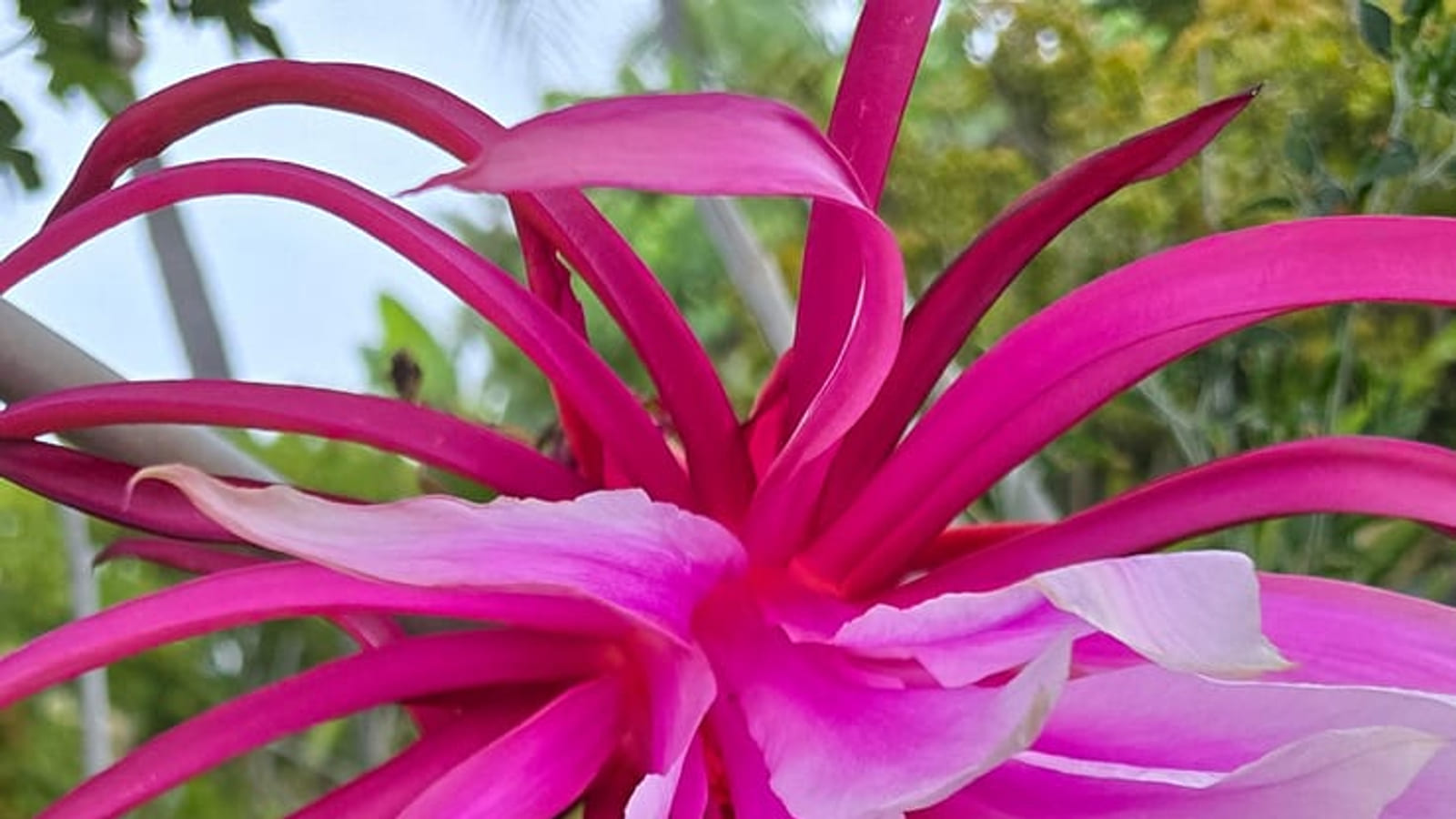
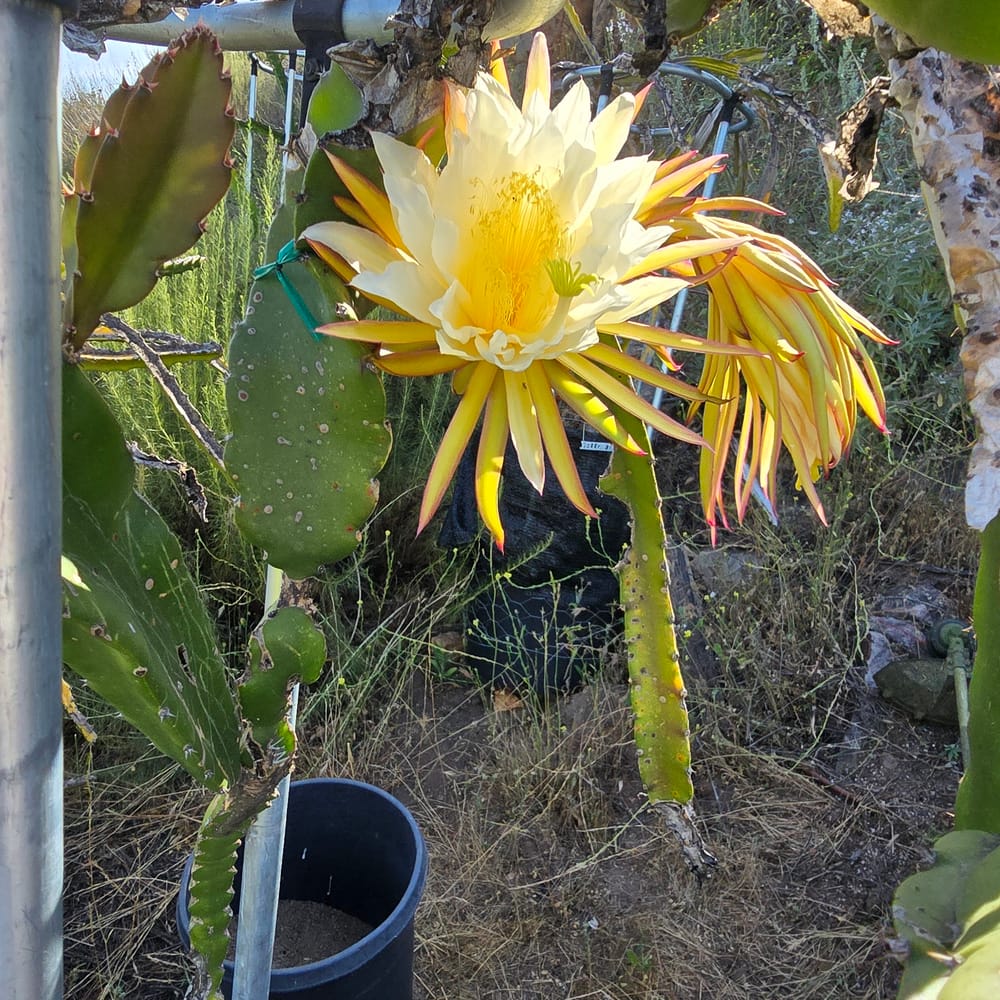
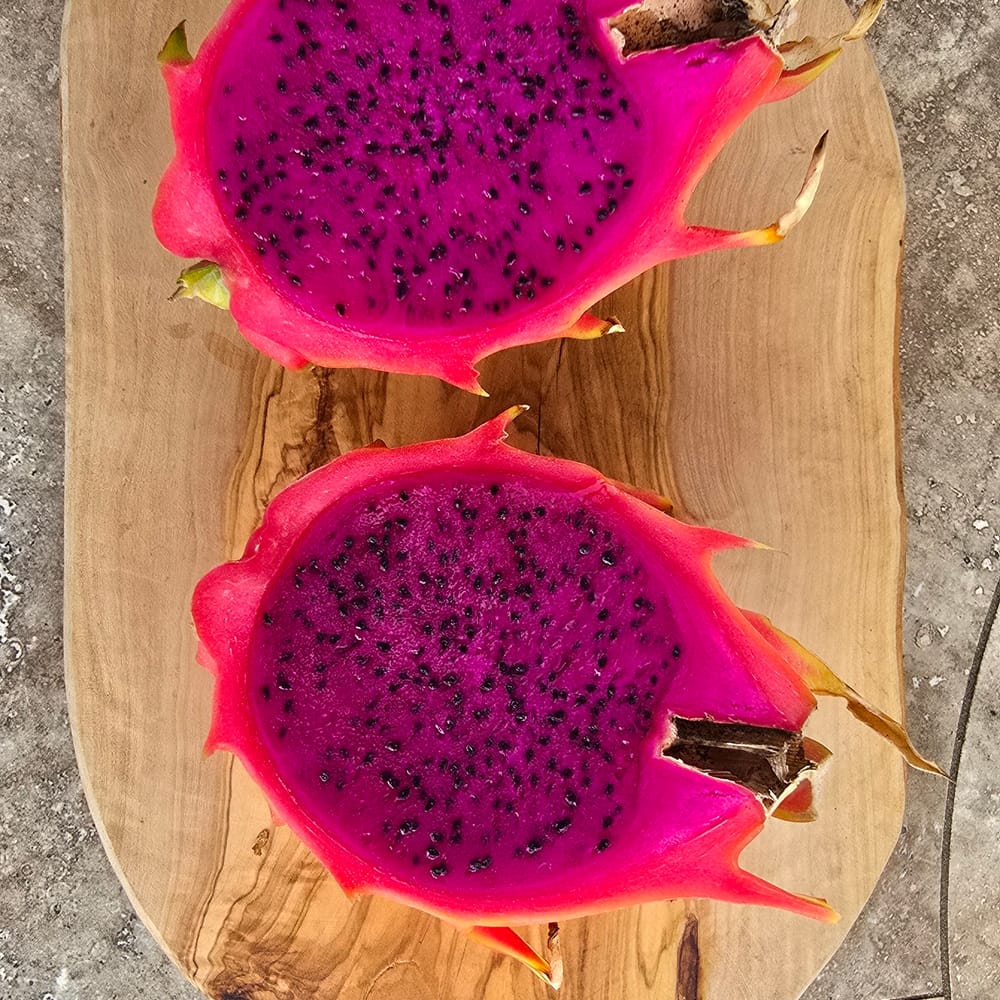
Lisa Dragon Fruit: Sweet Red Variety Guide
Lisa is a self-sterile red-fleshed dragon fruit with 1-pound fruit, 18+ Brix, and a sweet berry finish that shines in warm zones.

Lisa dragon fruit is a self-sterile, red-fleshed Hylocereus polyrhizus variety known for 1-pound fruit, 18+ Brix, and a sweet berry flavor. For gardeners in Escondido, Southern California, and USDA zone 10a, it is one of the best red varieties if you can provide strong sun, fast drainage, and a pollinizer.
Why Lisa stands out
Lisa is popular because it combines commercial performance with dessert-level flavor. Growers describe the flesh as dark red, firm, and sweet, with notes of raspberry, strawberry, and mixed berries. Spicy Exotics lists Lisa as self-sterile, while Dragon Fruit Cuttings reports average fruit weight around 1 pound and average Brix around 18, with some fruit reading into the 20s. That puts Lisa firmly in the premium-flavor category for home growers and small farms.
Sky Botanicals grows more than 50 varieties in Southern California, so we care about two things: how a variety performs in the yard, and whether the fruit actually earns its space. Lisa does both when it is paired with a compatible pollen source and a full-sun trellis.
Lisa at a glance
| Trait | Lisa |
|---|---|
| Scientific name | Hylocereus polyrhizus |
| Flesh color | Dark red |
| Skin color | Red |
| Pollination | Self-sterile, needs another compatible variety |
| Average fruit weight | About 1 pound |
| Average sweetness | About 18 Brix, with some fruit in the 20s |
| Flavor | Sweet berry, raspberry, strawberry |
| Best climate fit | Warm subtropical areas, USDA zone 10a and similar |
Best growing conditions
Lisa performs best in heat without prolonged cold. In Southern California, that usually means a bright, warm position with protection from frost and winter wet. For most dragon fruit, the sweet spot is roughly 65 to 85?F for active growth, with damage risk rising when plants are exposed to freezing conditions. In practical terms, Lisa is a better bet for zone 10a and 10b than for cooler inland gardens.
Soil should drain quickly. A loose cactus-style mix with pumice, perlite, coarse sand, and organic matter works better than heavy garden soil. Aim for a slightly acidic to neutral root zone, around pH 6.0 to 7.0, so roots stay active without sitting in soggy media. If your soil stays wet after irrigation, Lisa will punish you with slow growth and root stress.
Sun, water, and fertilizer
Sunlight
Give Lisa 6 or more hours of direct sun. In very hot inland pockets, a little afternoon relief can help prevent stem scorch, but too much shade reduces flowering and sweetness.
Water
Water deeply, then let the mix dry partway before watering again. During active growth, many SoCal growers water every 7 to 14 days depending on heat, soil type, and pot size. In cooler months, back off hard. Lisa hates constant moisture more than it hates short dry spells.
Fertilizer
Use a balanced fertilizer early in the season, then shift toward lighter nitrogen once the plant is established. A common home-garden pattern is a low-dose feed with something near 10-10-10 or 6-6-6 in spring, followed by a bloom-supporting formula with less nitrogen. Avoid overfeeding, because lush green stems do not always translate to better fruit. What matters more is steady sun, potassium, and pollination.
Pollination and fruit set
Lisa is not the kind of dragon fruit you can plant and forget. Because it is self-sterile, it usually needs pollen from another compatible variety to set fruit well. If you want dependable crops, plant it near another night-blooming dragon fruit such as a self-fertile or strongly compatible red or white variety. In the Sky Botanicals collection, this is exactly why we recommend planning a small pollination pair instead of buying only one plant.
Hand pollination matters too. Lisa flowers open at night, so a soft brush or direct anther-to-stigma transfer during bloom can make the difference between one or two fruits and a real harvest. If you want the step-by-step process, our dragon fruit FAQ and care guide cover the basics.
How Lisa compares to other red varieties
| Variety | Fruit size | Flavor | Pollination | Best use |
|---|---|---|---|---|
| Lisa | About 1 lb | Sweet berry, raspberry-strawberry | Self-sterile | Premium flavor, home gardens |
| American Beauty | Medium to large | Rich red, balanced | Often self-fertile | Reliable production |
| Vietnamese White | Medium | Mild, floral, crisp | Often self-fertile | Easy starter plant |
| Physical Graffiti | Large | Bold, dessert-like | Usually needs a pollinizer | High flavor, showpiece fruit |
If your goal is pure flavor, Lisa belongs near the top of the red-fleshed list. If your goal is the easiest crop, a self-fertile variety may be simpler. Our dragon fruit varieties guide helps you compare the full collection.
Common Lisa mistakes
- Planting in heavy soil: poor drainage slows growth and invites rot.
- Expecting self-pollination: Lisa usually needs a pollen partner.
- Overwatering in winter: cold + wet is the fastest way to lose a cactus vine.
- Too little sun: weak stems and bland fruit are the result.
- Skipping trellis support: fruiting vines need structure to climb and hang properly.
Growing Lisa in Escondido and Southern California
In Escondido, Lisa can thrive on a warm wall, fence, or reinforced trellis in USDA zone 10a. Coastal growers may need to chase sun exposure, while inland growers should focus on afternoon heat management and frost protection. If you are building a local collection, Lisa pairs well with other red-fleshed cultivars from Sky Botanicals because you get both stronger pollination and a better tasting range at harvest.
For readers comparing regional strategy, our Southern California guide shows how we handle spacing, pruning, and winter care across the farm.
FAQ
Is Lisa self-fertile?
No. Lisa is generally self-sterile, so plant a compatible variety nearby or hand pollinate during bloom.
How sweet is Lisa dragon fruit?
Very sweet for a red variety. Reported fruit averages around 18 Brix, and some fruit test in the 20s.
How big is Lisa fruit?
About 1 pound on average, which makes it a nice medium-large fruit for home harvests.
What does Lisa taste like?
Sweet berry with raspberry and strawberry notes, plus a firm texture.
What USDA zone is best for Lisa?
Zone 10a is a strong fit, and other frost-free subtropical gardens can work if drainage is excellent.
What soil pH does Lisa prefer?
A slightly acidic to neutral range, about pH 6.0 to 7.0, is a practical target.
Bottom line, Lisa is a flavor-first red dragon fruit with commercial-grade sweetness and a real need for pollination planning. If you want one of the better red varieties for a warm Southern California garden, it deserves a spot on the trellis.