Royal Red Dragon Fruit: Flavor, Growth & Alternatives
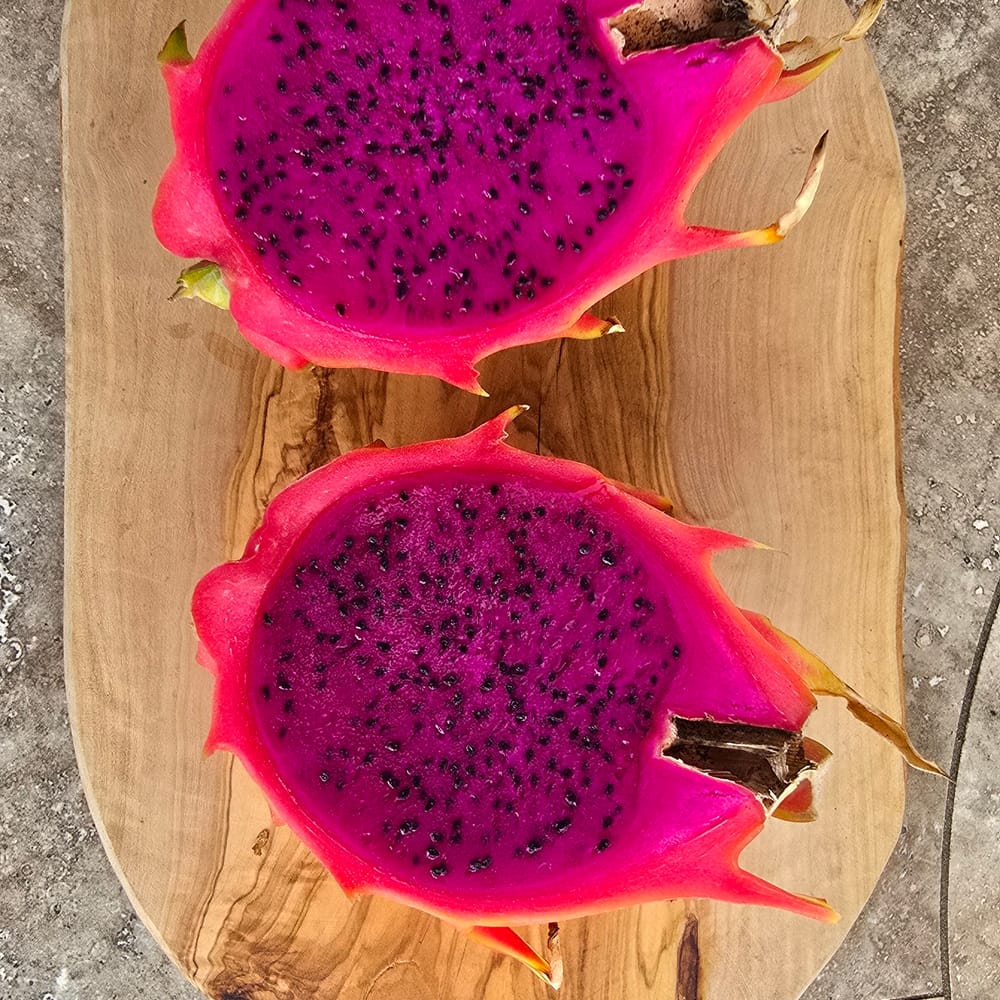
Royal Red dragon fruit delivers a deep magenta flesh with an 18 to 19 brix sweetness that outshines most standard varieties. This self-pollinating vine produces fruit without a partner plant, making it a reliable choice for home growers who want rich berry notes and earthy undertones in every bite. The fruit weighs between 0.75 and 1.75 lbs and ripens in just 37 to 42 days from bud. While we do not stock Royal Red cuttings, we recommend Physical Graffiti for its matching deep red flesh and bold flavor or Sugar Dragon for comparable sweetness intensity. Both varieties thrive in similar conditions and offer the reliable harvests you seek. For a broader look at species differences, see our dragon fruit varieties guide.
Royal Red Taste and Flavor
The deep magenta flesh of Royal Red dragon fruit signals a flavor profile that goes beyond simple sweetness. While the 18 to 19 brix rating confirms its high sugar content, the true character lies in the balance of notes. You will taste distinct berry flavors upfront, followed by a subtle earthy undertone that grounds the palate. This complexity sets it apart from white-fleshed varieties.
The texture is juicy and smooth, with seeds that add a pleasant crunch without being intrusive. Because the fruit is self-pollinating, the flavor development is consistent across crops. Each harvest wave delivers the same rich, bold profile.
Do not confuse Royal Red with Thai Royal Blood. Despite the similar names, they are distinct varieties with different flavor intensities and growth habits.
In tropical regions, the harvest window runs from January to May. Multiple flushes mean you can enjoy this flavor profile several times per season. For a deeper look at how different species compare in taste and growth, check out our dragon fruit varieties guide.
Growing Royal Red Dragon Fruit
Royal Red is a fast-growing vine that is easy to grow. This variety grows in a wide range of soil conditions. It does not demand perfect conditions to thrive. The key is drainage. The vine adapts well to different climates within its hardiness range. It handles the heat of summer and the humidity of tropical regions. This resilience makes it a low-stress crop for new growers. You do not need to baby this plant. It wants to grow. Give it light and water and it will respond with rapid stem development. The vine climbs aggressively. It seeks support and light. This fast growth habit means you will see progress every week. It is a productive plant that rewards basic care with size and strength. For more details on species-specific growing habits, see our dragon fruit varieties guide.
Grower tip: Because Royal Red grows fast, check your trellis or support structure early. Weak supports can fail under the weight of a mature vine. Secure the stems as they climb to prevent breakage during wind or heavy fruit loads.
It grows well in standard well-draining mixes. Avoid waterlogged soil. This is the only major risk. If the roots sit in wet soil, they will rot. Otherwise, the plant is forgiving. It recovers from minor stress quickly. This hardiness is part of its appeal. The vine continues its upward climb. It is a robust choice for any garden space.
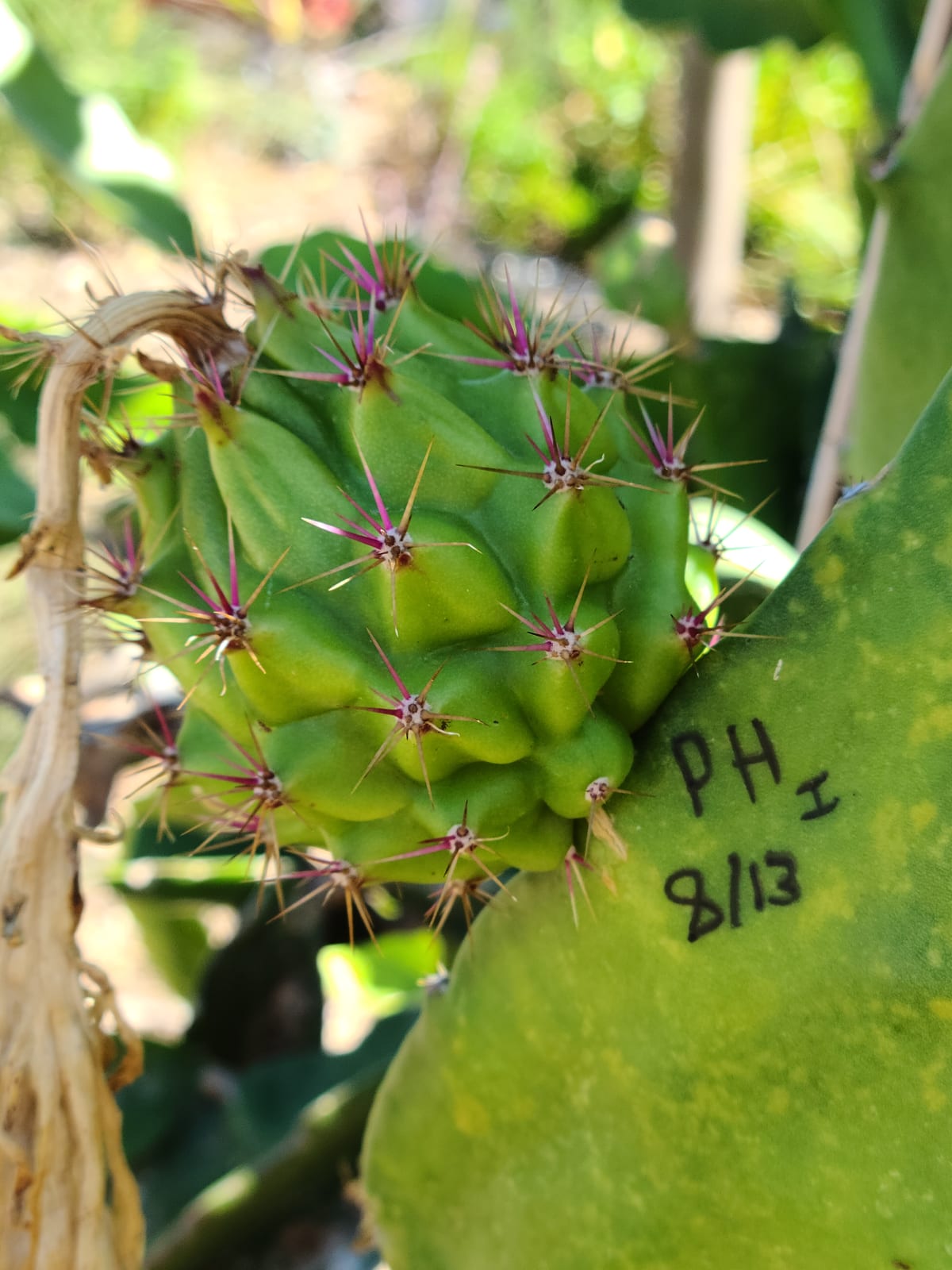
Royal Red vs. Other Red-Fleshed Varieties
Confusion often arises when comparing Royal Red to other popular red-fleshed types. The most common mix-up involves Thai Royal Blood. Despite the similar names, these are distinct varieties. They differ in flavor intensity and growth habits. Do not assume they are interchangeable. Royal Red offers a specific balance of sugar and earthiness that sets it apart from the sharper profile of Thai Royal Blood.
When you compare Royal Red to white-fleshed varieties like Hylocereus undatus, the difference is immediate. White varieties are less sweet. Royal Red delivers a bold punch. The deep magenta flesh signals high levels of betalain pigments. These antioxidants contribute to the vivid color and the rich berry notes you taste. The sweetness level is notably higher than what you find in standard white dragon fruit.
Even among red-fleshed types, Royal Red stands out for its consistency. Many red varieties can vary in sugar content depending on the season. Royal Red maintains a high brix reading. This reliability makes it a favorite for growers who want predictable quality. The fruit remains juicy and smooth without becoming watery. The seeds provide a pleasant texture that complements the soft flesh.
| Feature | Royal Red | Thai Royal Blood | White-Fleshed (Standard) |
|---|---|---|---|
| Flesh Color | Deep Magenta | Bright Red | White |
| Flavor Profile | Berry, Earthy, Sweet | Sharp, Intense | Mild, Floral |
| Sweetness | High (18-19 Brix) | Variable | Low to Medium |
| Antioxidants | Betalains | Betalains | None |
If you are looking for a variety that matches Royal Red’s deep red flesh and bold flavor, check out our dragon fruit varieties guide. We recommend Physical Graffiti for its similar color and rich taste. Sugar Dragon is another excellent choice if you prioritize sweetness intensity. Both options provide the reliable harvests and vibrant fruit you expect from top-tier red varieties.
Royal Red Nutrition and Health Benefits
The deep magenta flesh of Royal Red dragon fruit is not just visually striking. It signals a high concentration of betalain pigments. These compounds are potent antioxidants unique to red-fleshed varieties like Hylocereus costaricensis. You get a functional health boost alongside the flavor. The vibrant color comes from these same pigments that help neutralize free radicals in the body.
Nutritionally, the fruit is light on calories but dense in fiber. A standard serving provides energy without the heavy load of sugar found in many tropical fruits. The fiber content supports digestive health and helps regulate blood sugar levels. This makes it a smart snack for active lifestyles or mindful eating plans.
| Nutrient | Amount per 100g | Key Benefit |
|---|---|---|
| Calories | ~60 | Low energy density |
| Fiber | 2.9g | Digestive support |
| Carbohydrates | 12.9g | Quick energy source |
| Magnesium | 40mg (10% DV) | Muscle and nerve function |
| Protein | 1.2g | Basic cellular repair |
| Fat | 0g | Heart-healthy profile |
Antioxidant Power and Betalains
Red-fleshed dragon fruit varieties contain betalains. These are water-soluble pigments that give the fruit its dark red hue. Research suggests betalains have anti-inflammatory properties. They help protect cells from oxidative stress. This is a distinct advantage over white-fleshed varieties. White types lack these specific pigments. They rely on other antioxidants like flavonoids. Royal Red offers a different nutritional profile because of this genetic trait.
The earthy undertone you taste in Royal Red is linked to these complex compounds. The flavor and the health benefits come from the same source. You are eating a fruit that works on multiple levels. The high brix rating of 18 to 19 indicates natural sugars. These sugars are balanced by the fiber. This balance prevents rapid spikes in blood glucose. It provides sustained energy rather than a quick crash.
Hydrating and refreshing, Royal Red is a staple in Southeast Asian diets. Its popularity among home growers is rising for good reason. It delivers taste, texture, and nutrition in one package. The fruit is naturally low in fat and cholesterol-free. It fits easily into most dietary preferences. Whether you are looking for a post-workout snack or a dessert alternative, it serves well.
For a broader look at how different species compare in nutritional content and growth habits, see our dragon fruit varieties guide. Understanding the species helps you choose the right fruit for your health goals and garden space.
Closest Varieties We Stock
We do not carry Royal Red cuttings. We do stock two varieties that match its performance and flavor profile closely. Physical Graffiti is our top recommendation for growers seeking that specific deep red flesh. It delivers a rich and bold taste with distinct berry notes. The flavor intensity rivals the best of the red-fleshed types. Sugar Dragon is another strong option. It matches the high sweetness level you expect from Royal Red. Both varieties handle similar growing conditions. They offer reliable harvests without the need for complex pollination strategies.| Variety | Flesh Color | Flavor Profile | Key Trait |
|---|---|---|---|
| Physical Graffiti | Deep Red | Bold, Berry-like | Closest match to Royal Red |
| Sugar Dragon | Red | Very Sweet | High sugar intensity |
FAQ
Growers often ask about the specific mechanics of Royal Red since we do not stock this cultivar. Here are the answers to the most common questions regarding its biology and care.
| Question | Answer |
|---|---|
| Is Royal Red the same as Thai Royal Blood? | No. They are distinct varieties with different growth habits and flavor profiles. |
| Where does Royal Red originate? | It is believed to be native to Thailand, though claims also exist for Indonesia, Vietnam, the Philippines, and India. |
| What species is it? | It is classified as Hylocereus costaricensis, though some sources list it as Hylocereus polyrhizus. |
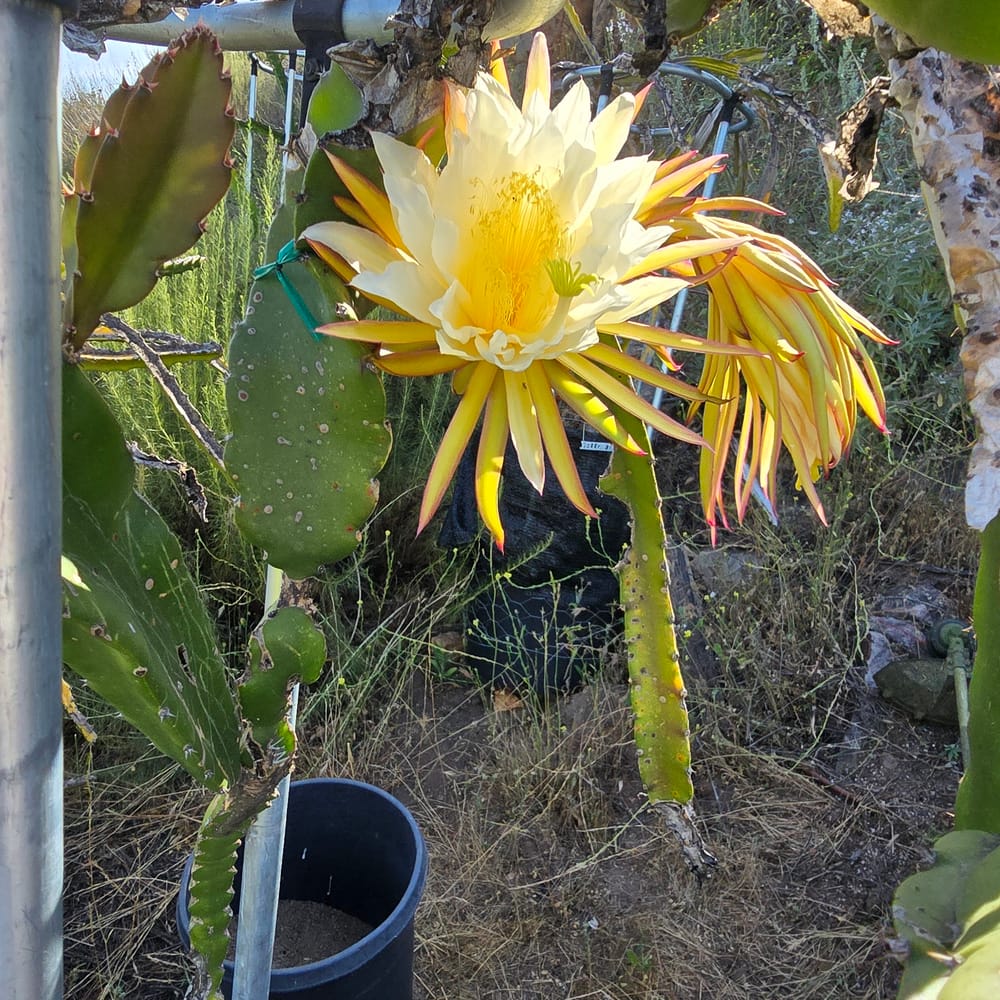
| How big do the flowers get? | The white, fragrant blooms open at night and span 10 to 16 inches across. |
| How tall does the vine grow? | Mature vines can reach heights of 10 to 20 feet. |
| What USDA zones can grow it outdoors? | Zones 9 through 11. It is frost-sensitive and requires tropical or subtropical conditions. |
Availability Note: Royal Red is commercially grown in Southeast Asia and popular among home growers globally. You can find cuttings or potted plants at specialty nurseries, typically priced around $16 to $18 for a 4-inch pot.
If you cannot find Royal Red locally, look for our Physical Graffiti or Sugar Dragon varieties. They offer the deep red flesh and bold sweetness you are seeking. For a broader look at species differences, see our dragon fruit varieties guide.