Frankie's Red Dragon Fruit: Care Guide
Frankie's Red is a compact, dwarf dragon fruit hybrid that delivers intensely sweet red flesh from a small plant, making it ideal for growers who want premium fruit without a sprawling vine. This variety, a cross between Selenicereus megalanthus and Hylocereus polyrhizus, produces small fruit. While it is self-fertile, hand pollination helps guarantee set and larger fruit. The plant is sensitive to heat and cold stress and prone to rust, so it suits experienced growers who can manage its specific needs in a pot or on a post.
Although this cultivar is currently out of stock, its reputation for producing some of the best fruit available has kept it in high demand for decades. If you are looking for a more robust option that is easier to manage for a first-time grower, check out our guide to [standard red dragon fruit varieties] to compare care requirements and growth habits.
Where does Frankie's Red come from?
Most sources trace the named plants of this hybrid to Hawaii, where it is also sold under the name 'Orange Dwarf.' Some growers list it as 'Red Megalanthus,' a nod to its Selenicereus megalanthus parentage. Spicy Exotics acquired its source plants from two separate tropical nurseries in California.
Despite its tropical origins, Frankie's Red has specific care requirements that distinguish it from standard dragon fruit varieties. Because of these vulnerabilities, Spicy Exotics does not recommend this cultivar for first-time growers. It suits experienced gardeners who can monitor environmental conditions closely and intervene quickly when stress signals appear.
Container and Post Setup
The dwarf size of Frankie's Red makes it an excellent candidate for container growing. It thrives in a quality cactus potting mix, where you can control moisture levels precisely. When planting, set the cutting 2-3 cm deep in the mix. Water only after the soil has dried out to prevent root rot and other moisture-related issues. Once the plant is rooted and established in the pot, you can move it onto a post for long-term support. This transition allows the compact vine to climb and spread without becoming tangled or top-heavy.
Watch for rust: If you live in a humid or rainy climate, monitor the stems closely. Excess rainfall can trigger rust disease. Ensure your pot has excellent drainage and avoid overhead watering to keep the foliage dry.
For a broader overview of how to manage moisture and light for cacti and succulents, see our dragon fruit care guide.
| Feature | Frankie's Red |
|---|---|
| Growth Habit | Very slow growing, compact dwarf |
| Flower Type | Medium, bell-shaped, night-blooming |
| Key Stressors | Heat, cold, and excess rainfall |
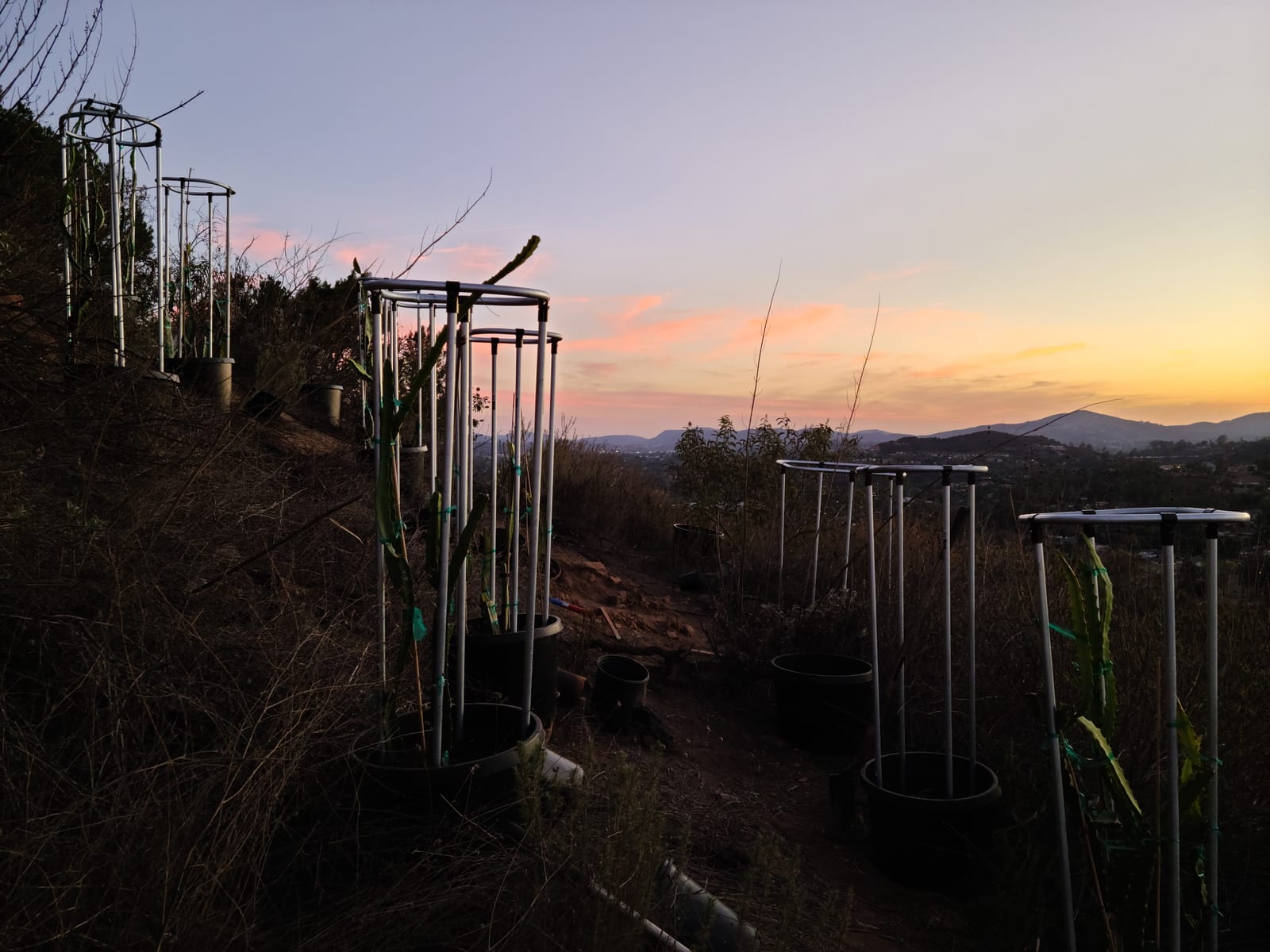
What the plant looks like
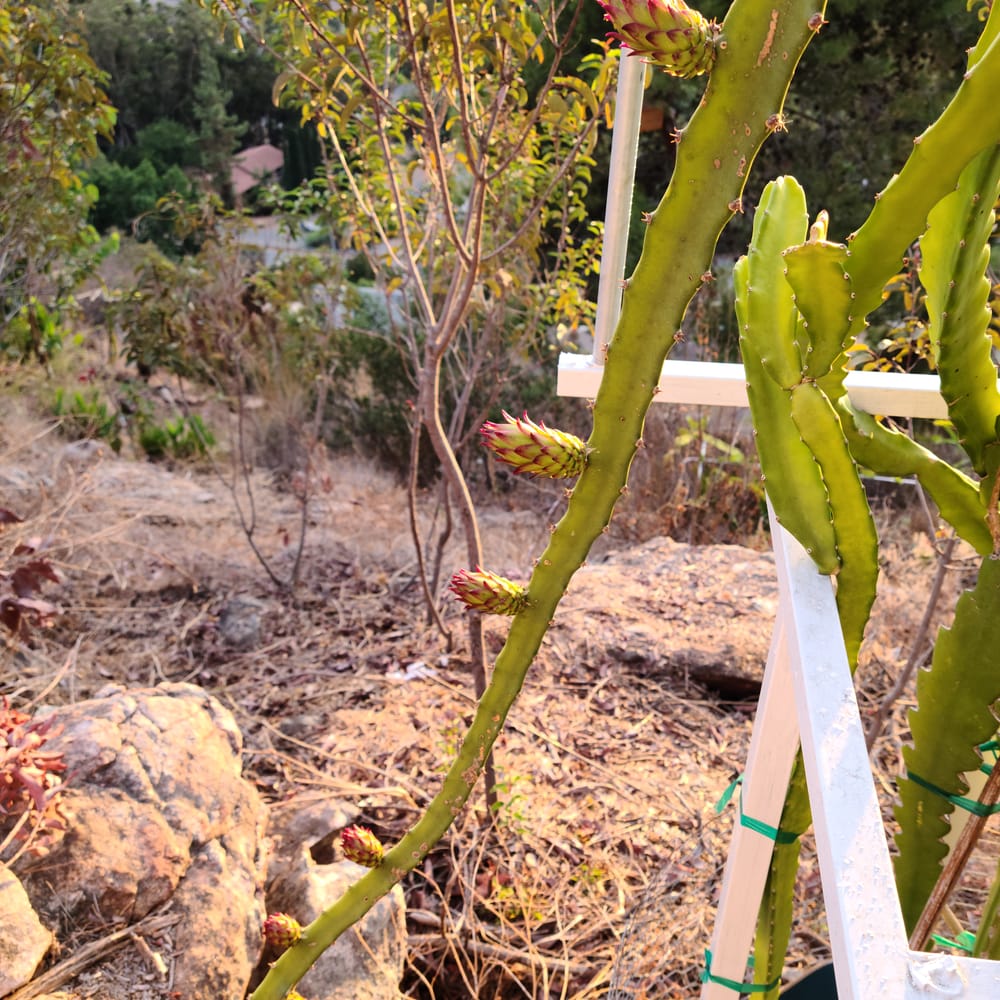
Frankie's Red presents a distinct visual profile that sets it apart from the sprawling giants of the dragon fruit world. The vines are narrow and three-sided, featuring a deep dark olive-green hue. Small, thick spines line the cutting edges, adding texture to the long, thin segments. This compact structure means the plant remains manageable even as it matures. While some growers note vigorous growth within its frame, the overall size stays modest. You will not find the massive, heavy limbs typical of standard varieties here. Instead, you get a tidy, dense vine that fits neatly on a post or in a container.
Fruit appearance on the vine
The fruit itself is small. You will see the skin transition through a clear color sequence as it ripens. The scales on the skin are distinct, and you may notice small thorns forming at the base of the fruit. These thorns are not a problem; they brush off easily before you pick the fruit. The ripe fruit hangs from the vine, requiring support as it gains weight. Leaving it on the vine too long can cause it to shrivel, so watch the color closely.
Flower structure
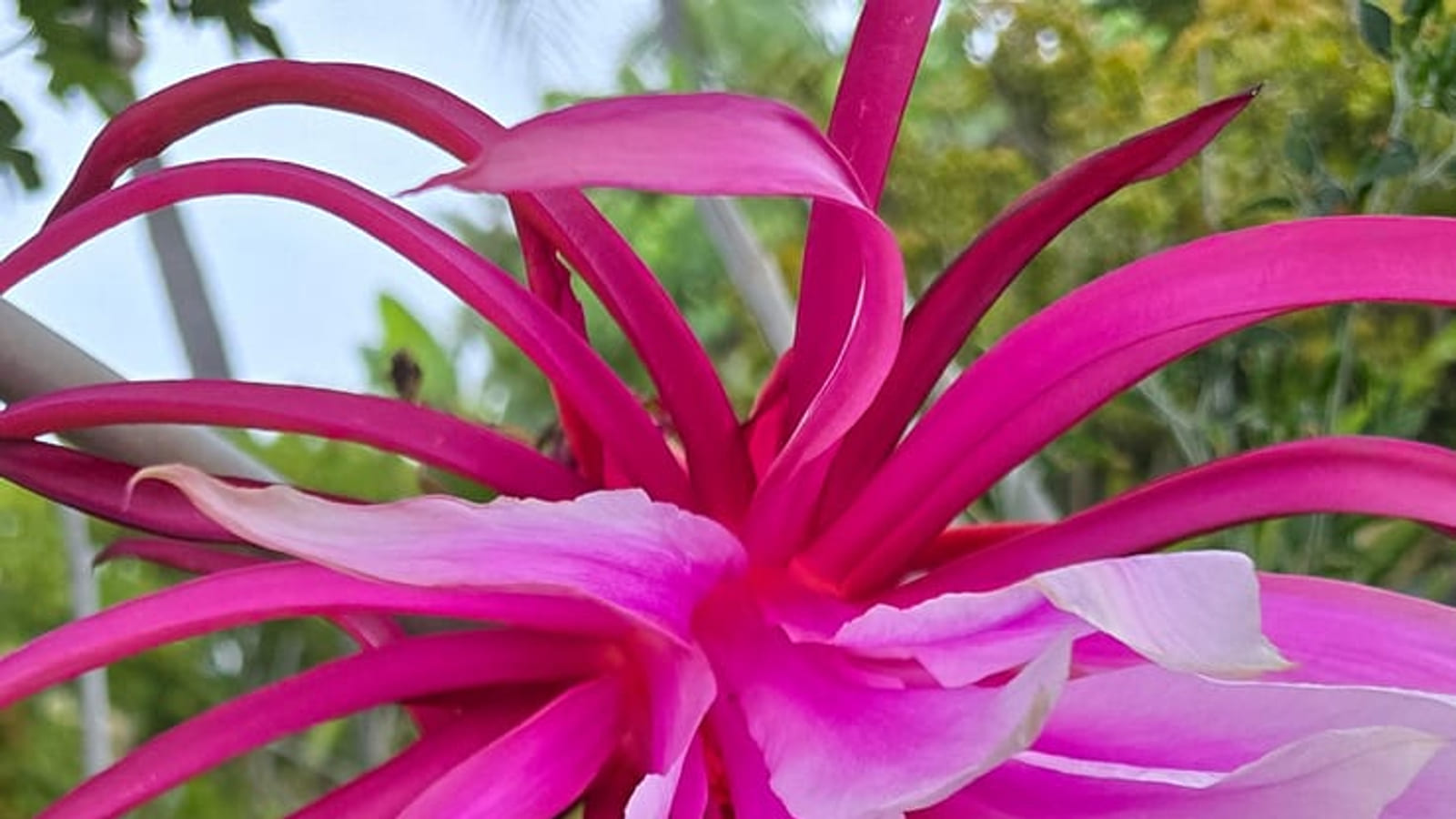
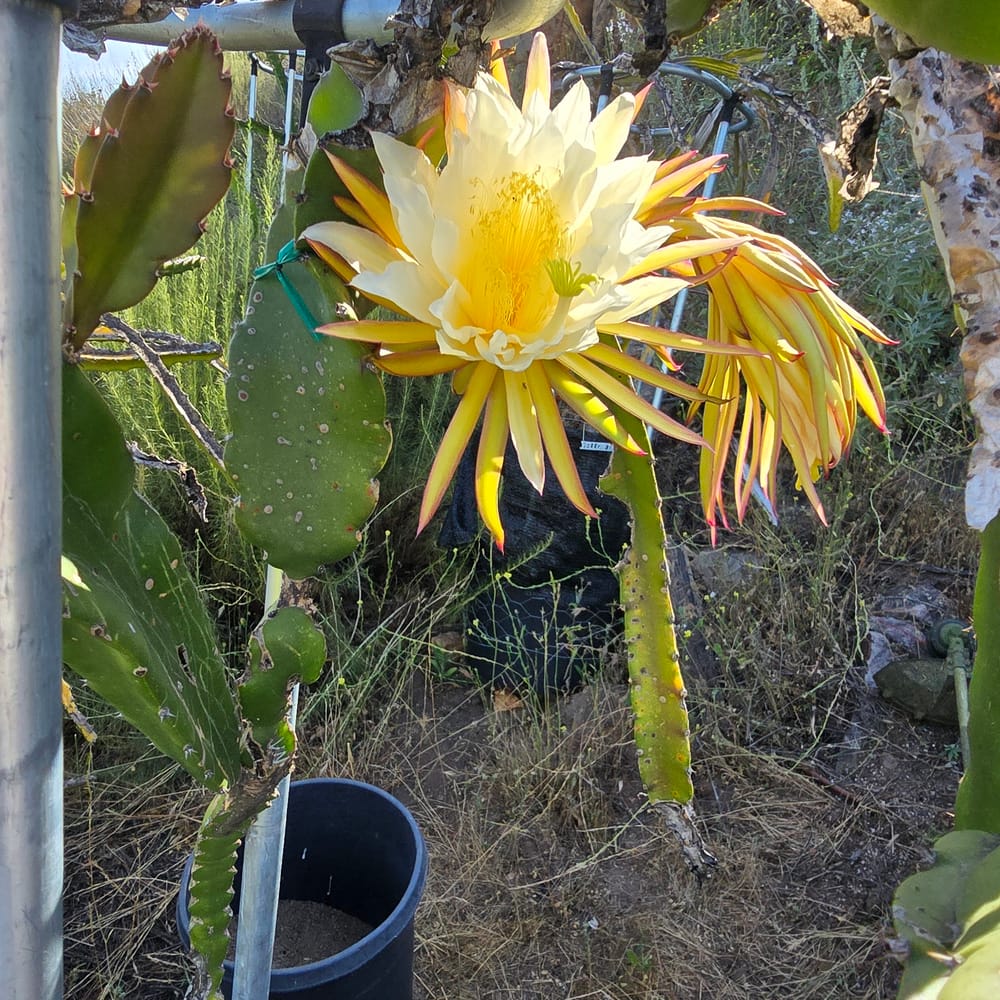
The flowers are medium-sized and bell-shaped. They feature white inner petals with yellowish outer petals, creating a subtle two-tone effect. These blooms open just after sunset and close at sunrise. The buds resemble Hylocereus type buds rather than the typical Selenicereus buds, which is an interesting detail for close observers. The flowers are not the massive, showy explosions of some other species, but they are elegant and well-formed. They provide a brief but beautiful display each night. The visual transition from bud to open flower to closed bloom is a key part of the plant's lifecycle. Observing this process helps you time your pollination efforts if you choose to hand pollinate.
Flower and fruit: what to expect
Frankie's Red blooms with medium-sized, bell-shaped flowers that appear just after sunset. The petals are white on the inside with a yellowish hue on the outside. These buds look more like typical Hylocereus type buds rather than the standard Selenicereus form. The flowers close at sunrise, completing their nightly display. While the plant is self-fertile and sets fruit easily, hand pollination or cross pollination is still recommended. This extra step helps guarantee fruit set and can result in larger fruit.
From bud to harvest
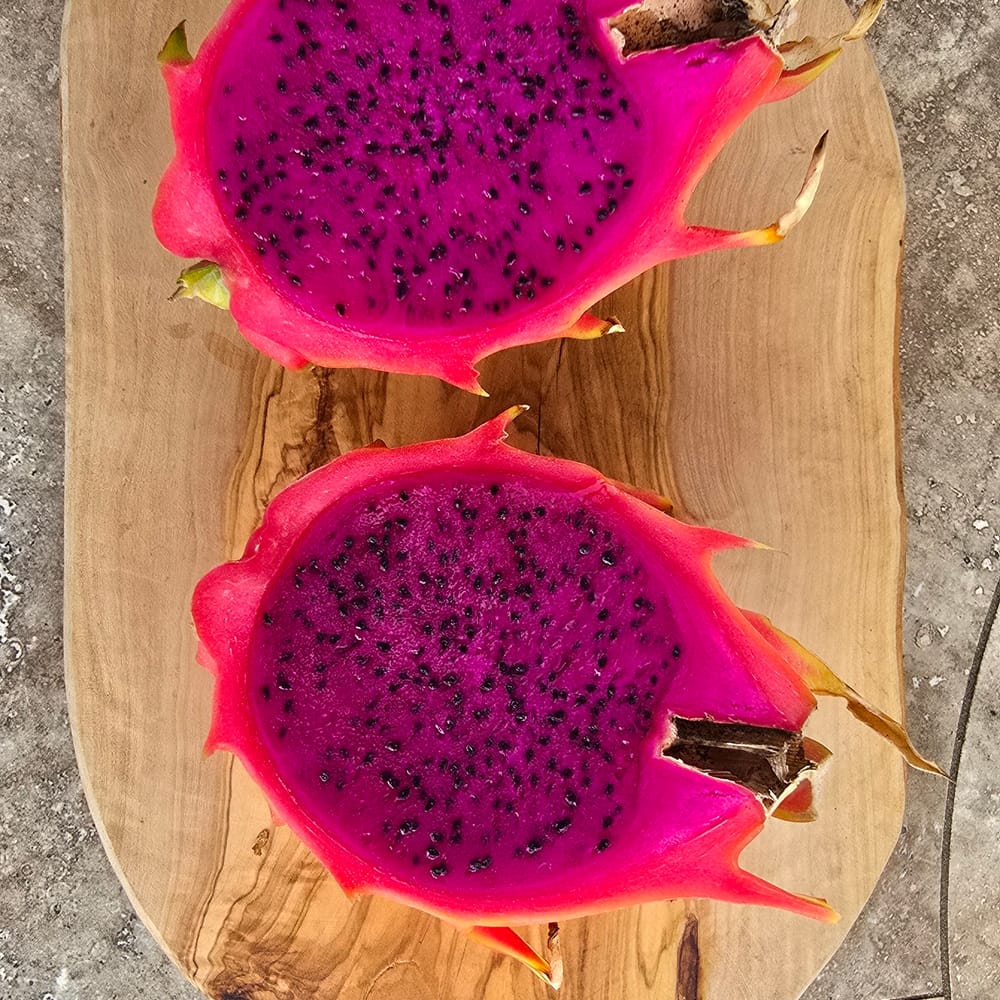
The fruit develops small, comparable in shape and size to yellow Colombiana or yellow dragon fruit. The skin features red-to-orange tones with scales. Thorns form at the base of the fruit but brush off easily before picking. You can track ripeness by watching the skin color change. It starts green, shifts to yellow, and turns orange when ripe. The interior flesh is red, often appearing as light fuchsia or pink in photos, with white highlights running through the center. This variety delivers an average brix of about 21 to 22, which is very sweet for a dragon fruit.
Harvest tip: Ripe fruit can be harvested by twisting or cutting the stem. Do not leave ripe fruit on the vine too long, as it can shrivel. Heavy fruit needs support, so ensure your post or container setup can handle the weight as the vines mature.
Growers report that this cultivar produces some of the best fruit available. One customer noted that their 17-year-old plant is still producing, showing that it can keep bearing for decades. Even after many years, the vine size stays compact, though some growers describe it as growing vigorously within its small frame. For more details on managing moisture and light for cacti and succulents, see our dragon fruit care guide.
Growing Frankie's Red: containers, posts, and climate
Frankie's Red is a favorite for home gardeners with limited space because it delivers premium red-flesh fruit without demanding a sprawling vine. Its compact nature makes it ideal for raised posts or container growing, allowing you to enjoy high-quality fruit in a small footprint. If you want the sweet, intense flavor of a red dragon fruit but lack the room for a large standard plant, this dwarf hybrid is a practical solution.
Container growing offers the best control over the specific environmental needs of this cultivar. Since Frankie's Red is sensitive to both heat and cold stress, a pot allows you to move the plant indoors or to a sheltered location during extreme weather. This mobility is crucial for protecting the plant from temperature shocks that could harm its growth or fruit set. Once the cutting is established in a quality cactus potting mix, you can transition it to a post for long-term support. The post provides the necessary structure for the narrow, three-sided stems to climb and spread without becoming tangled or top-heavy.
Managing Climate and Moisture
Climate management is the most critical aspect of growing Frankie's Red successfully. The plant requires protection from cold stress. In cooler climates, you must be prepared to bring the container inside or into a greenhouse when temperatures drop. Conversely, provide protection from extreme heat. The plant is also prone to rust disease during periods of excess rainfall. To mitigate this risk, ensure your container has excellent drainage and avoid overhead watering. Keeping the stems dry reduces the likelihood of fungal issues. For a broader overview of how to manage moisture and light for cacti and succulents, see our dragon fruit care guide.
By combining the flexibility of container growing with careful climate management, you can create an environment where Frankie's Red thrives. This approach allows you to take advantage of its sweet, compact fruit while protecting it from the environmental stresses that can hinder its performance.
Frankie's Red vs similar varieties
Choosing the right dragon fruit often comes down to balancing space constraints against yield expectations. Frankie's Red stands out because it delivers premium flavor in a footprint that standard varieties simply cannot match. Standard varieties often outgrow their support structures. Frankie's Red remains manageable in a container or on a small post. The table below highlights the key differences between Frankie's Red and the common standard red varieties you might find at a local nursery.
| Feature | Frankie's Red | Standard Red Varieties |
|---|---|---|
| Growth Habit | Compact dwarf, very slow growing | Sprawling vine, vigorous growth |
| Space Requirement | Container or small post | Large trellis or heavy post |
| Fruit Size | Small (similar to yellow Colombiana) | Large to extra-large |
| Flesh Color | Light fuchsia with white highlights | Deep red or magenta |
| Sweetness (Brix) | High (21-22) | Variable (often lower) |
| Stem Structure | Narrow, three-sided, dark olive-green | Thick, three-sided, bright green |
| Best For | Limited space, premium flavor seekers | Commercial production, high volume |
The primary trade-off with Frankie's Red is yield volume versus quality. You will not harvest the same number of pounds of fruit from a dwarf plant as you would from a sprawling standard vine. However, the fruit that does form is consistently rated for its intense sweetness. Standard varieties are often chosen for their reliability and ease of care, but they can become unwieldy quickly. Frankie's Red requires more attention to environmental stressors, particularly heat and humidity, but rewards that care with a fruit that many growers consider superior in taste to the larger, less sweet commercial options.
If you are deciding between a dwarf and a standard variety, consider your long-term space availability. Frankie's Red stays compact even after many years, making it a permanent fixture in smaller gardens. Standard varieties often outgrow their support structures, requiring significant pruning or relocation.
Where to buy Frankie's Red cuttings and what to expect
Spicy Exotics sources its Frankie's Red cuttings from two separate tropical nurseries in California. Because this cultivar is in high demand and currently out of stock, availability can be unpredictable. We recommend joining our waitlist or checking back regularly.
Setting realistic expectations for your first harvest
Frankie's Red is a very slow grower. Do not expect rapid expansion or immediate fruiting. The plant maintains a compact, dwarf habit even after many years. One customer reported that their 17-year-old plant is still producing fruit, demonstrating that this variety can keep bearing for decades. However, the path to that first harvest is long. You are buying a premium fruit source, not a quick-growing landscape plant.
While the plant is self-fertile, hand pollination is recommended to guarantee set and potentially larger fruit. If you are new to dragon fruit, be aware that this variety is not forgiving. It suits experienced growers who can manage these specific needs. For general care principles, see our dragon fruit care guide.
Illustration generated for this article