Dragon Fruit vs Pitaya vs Pitahaya Explained
Dragon fruit, pitaya, and pitahaya usually mean the same supermarket fruit, but growers use the terms differently across Hylocereus, Selenicereus, and Stenocereus types.
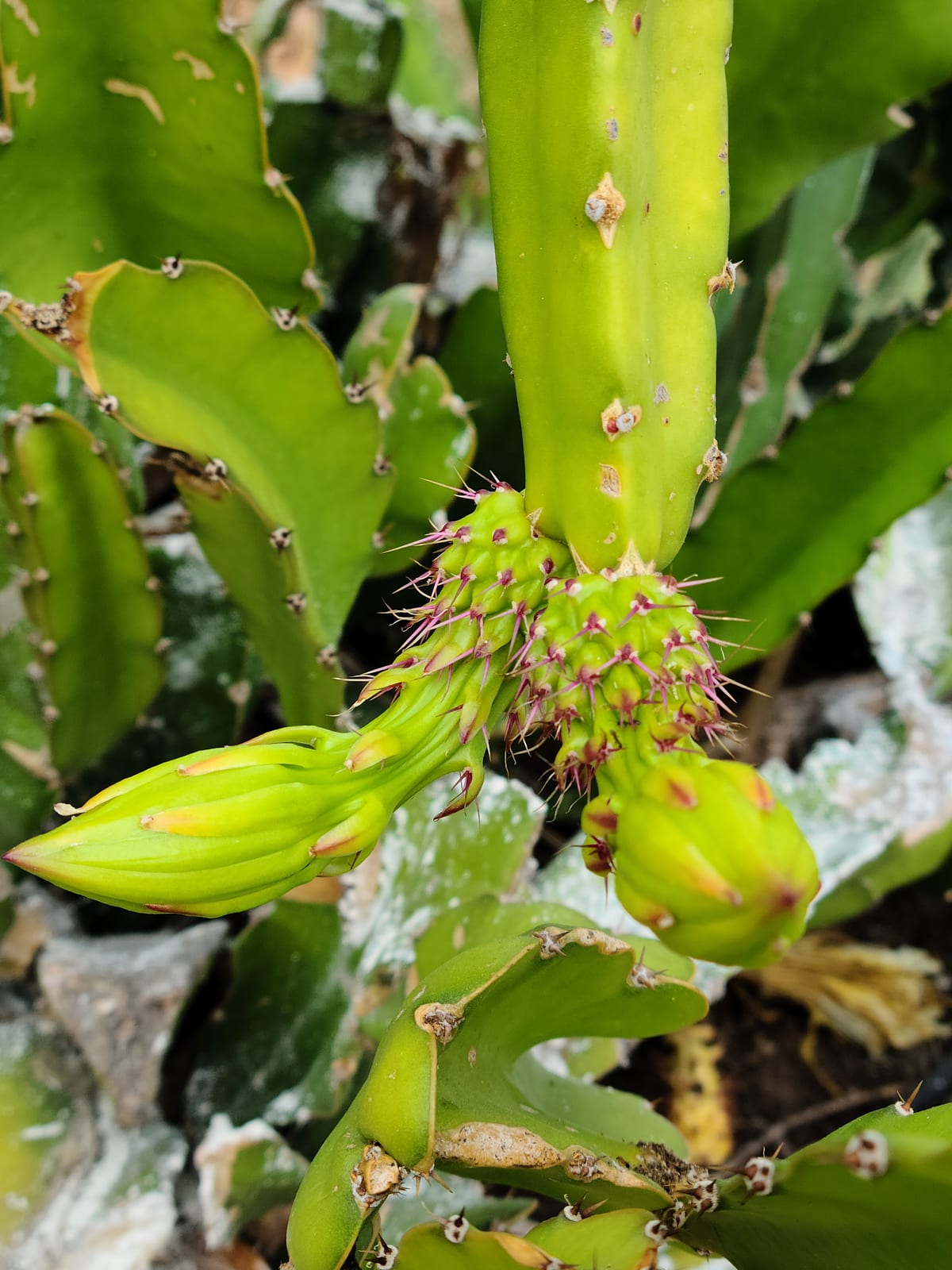
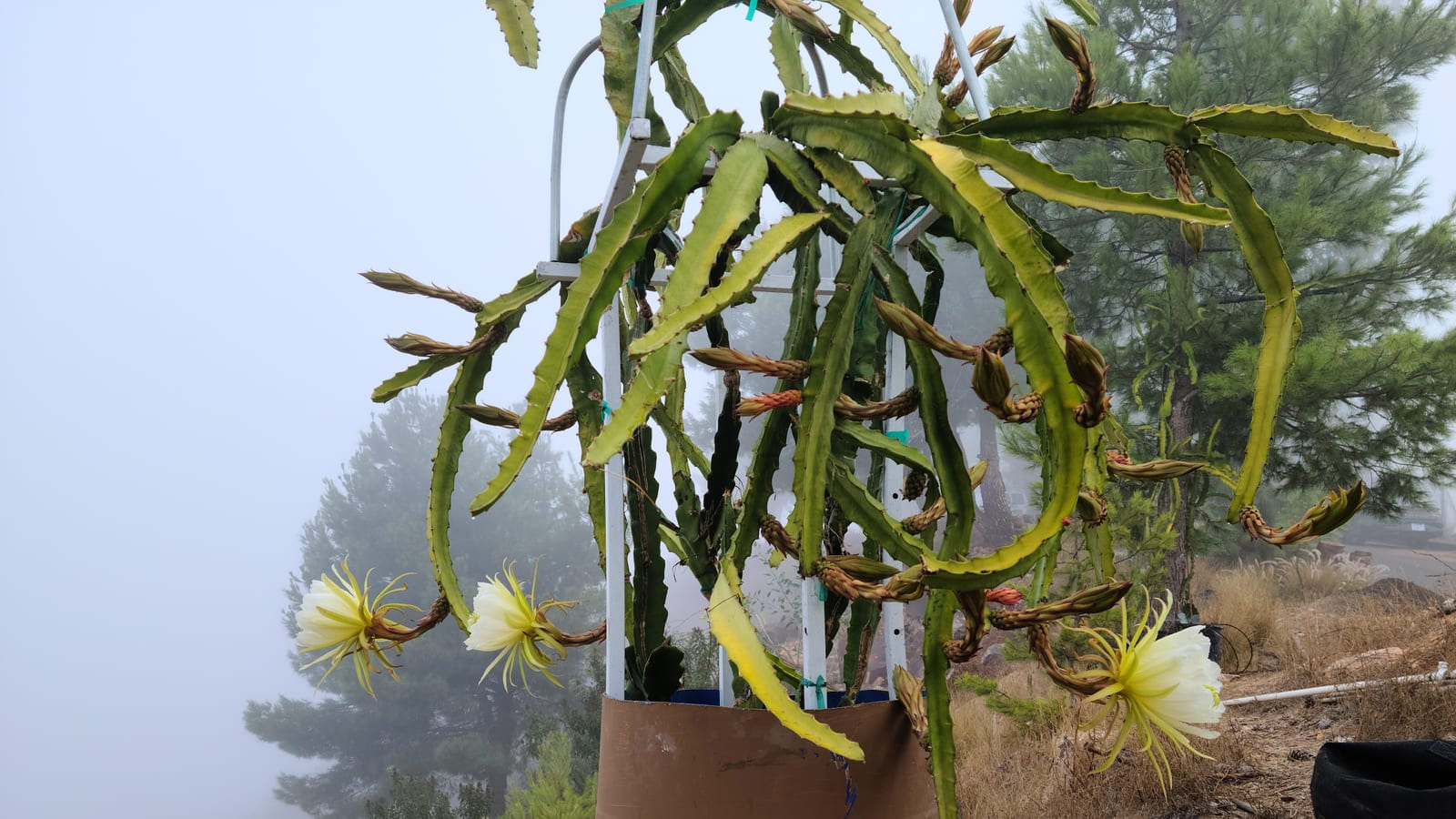
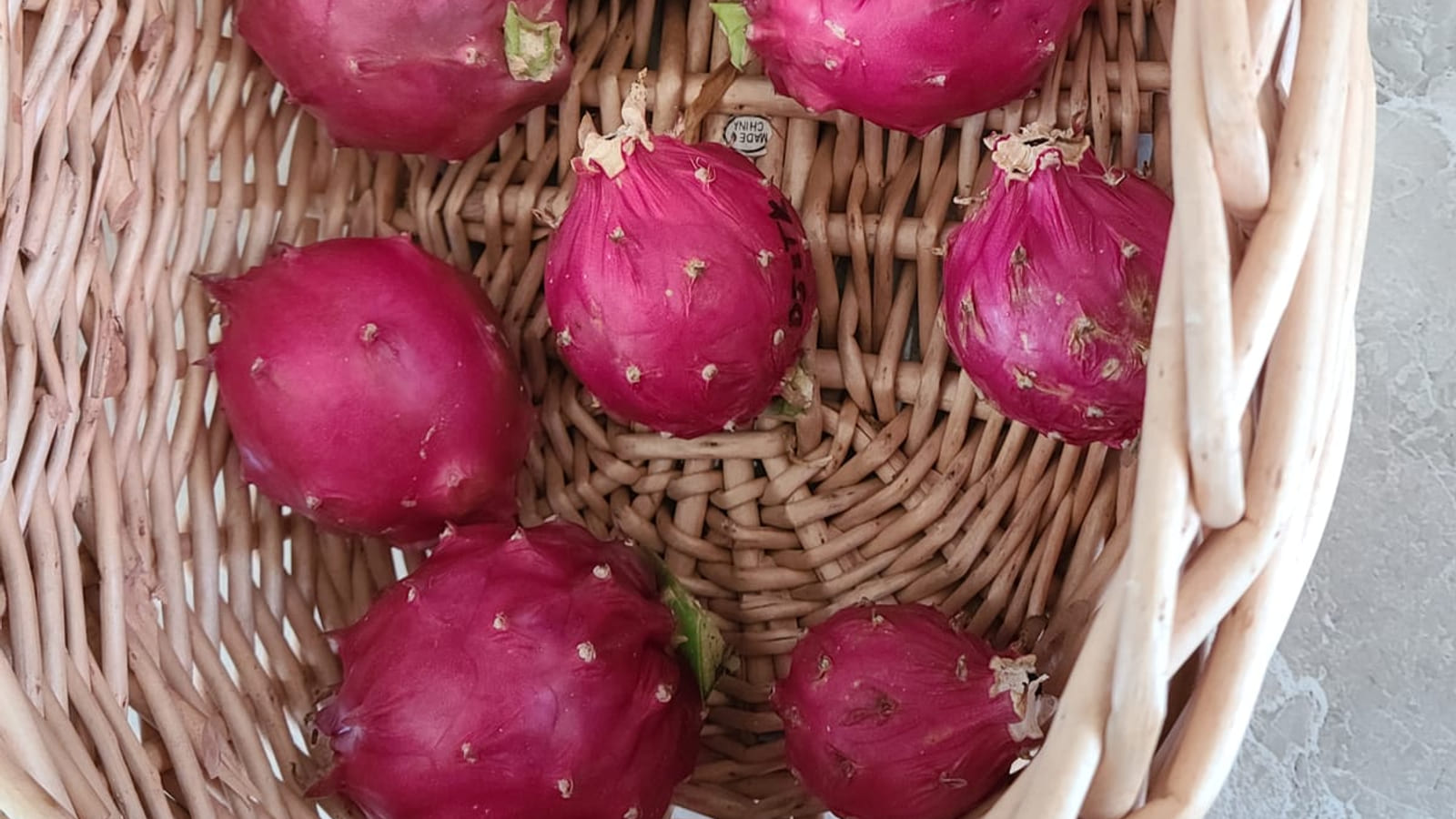
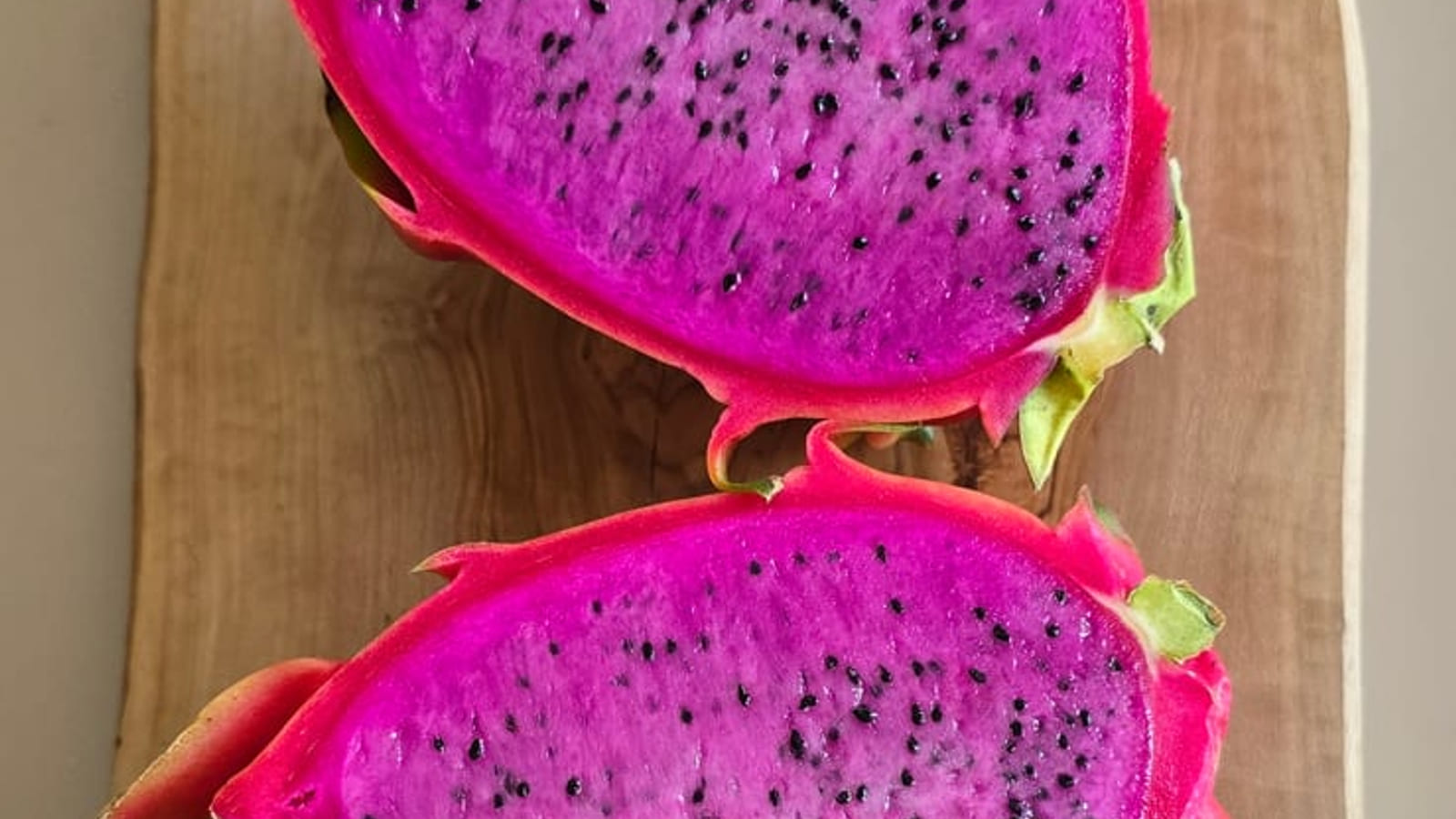
Dragon fruit, pitaya, and pitahaya usually refer to the same broad group of edible cactus fruit in everyday conversation, especially the pink-skinned supermarket fruit most people know. The catch is that growers, botanists, and regional Spanish speakers do not always use those names the same way. In practice, dragon fruit is the safest general English label, pitahaya is a common Spanish label for the same export fruit, and pitaya sometimes gets used more narrowly for fruit from Stenocereus cacti rather than the climbing Selenicereus group that dominates commercial production.
Quick answer table: dragon fruit vs pitaya vs pitahaya
| Term | Most common meaning | Typical species group | Where you hear it most |
|---|---|---|---|
| Dragon fruit | Catch-all English market name | Selenicereus or older Hylocereus | US grocery stores, nurseries, online shops |
| Pitahaya | Spanish common name often used for the same export fruit | Selenicereus types, especially white, red, and yellow forms | Latin America, farm sales, bilingual labeling |
| Pitaya | Sometimes used broadly, sometimes used more narrowly | Often Stenocereus in botanical or regional usage | Mexico, Sonoran desert references, specialty fruit writing |
At Sky Botanicals in Escondido, Southern California, USDA zone 10a, we usually say dragon fruit first because it is the clearest term for customers shopping across 50+ varieties. When precision matters, we add the cultivar name or species, because names like pitaya and pitahaya can shift depending on who is speaking.
Why the names overlap so much
The overlap is real, and it is not just internet confusion. San Diego Zoo notes that the fruit most shoppers call dragon fruit usually refers to Hylocereus undatus, a vining cactus, but that Stenocereus and Selenicereus also include fruits called pitaya or pitahaya. Wikipedia's summary of current naming says pitaya usually refers to Stenocereus fruit, while pitahaya or dragon fruit usually refers to Selenicereus, which used to be widely labeled Hylocereus. That older naming still shows up on nursery tags, older blog posts, and plant forums, so home growers are often reading three naming systems at once.
A practical way to think about it is this: the commercial climbing dragon fruit plants most home growers buy are usually in the Selenicereus group, even if the tag still says Hylocereus. Meanwhile, true desert pitayas from the American Southwest and Mexico are often Stenocereus species. Both are edible cactus fruit. They are related, but they are not automatically identical.
The easiest rule for shoppers and home growers
If you are buying a plant, fruit, or cutting for the backyard, ask two questions instead of arguing about common names. First, is it a climbing tropical cactus that needs a trellis and mild winters, or a more columnar desert cactus? Second, what is the cultivar or species name? Those two answers matter more than the label on the pot.
That matters even more in Southern California. In Escondido and the warmer parts of zone 10a, the commercial climbing dragon fruit group performs very differently from desert pitayas. Climbing types like Selenicereus undatus, Selenicereus costaricensis, and many named hybrids respond well to trellising, regular feeding, and seasonal irrigation. Desert pitaya species are adapted to drier patterns and are not usually what people mean when they ask about backyard dragon fruit production.
What the research says about the naming
Source 1: San Diego Zoo
San Diego Zoo describes dragon fruit as a term most often used for Hylocereus undatus in US markets, while also noting roughly 20 or so Hylocereus species and additional Stenocereus and Selenicereus species with overlapping common names. It also notes that the common grocery-store fruit is a vining cactus that can sprawl to about 30 feet and produce fruit weighing up to almost 2 pounds, though many fruit are under 1 pound. That matches what growers see in trellised backyard systems.
Source 2: Pitaya taxonomy summaries
Wikipedia's botanical overview is useful here because it captures the modern taxonomic cleanup: pink-skinned white-fleshed fruit is usually Selenicereus undatus, red-fleshed fruit is usually Selenicereus costaricensis, and yellow dragon fruit is usually Selenicereus megalanthus. It also notes a typical fruit weight range of about 150 to 600 grams, with some reaching 1 kilogram. Those numbers help explain why fruit sold under one common name can still look and taste pretty different.
Source 3: Foodie Physician summary of common usage
The Foodie Physician article is less technical but helpful for real-world language. It explains how many English speakers use dragon fruit and pitaya interchangeably, while some writers distinguish vining Hylocereus types from Stenocereus pitaya. That is exactly the practical confusion home growers run into when comparing recipes, nursery listings, and Spanish-language farm labels.
Dragon fruit, pitaya, and pitahaya by species group
| Species or group | Common market name | Typical flesh color | Growth habit | Notes |
|---|---|---|---|---|
| Selenicereus undatus | Dragon fruit, pitahaya blanca | White flesh | Climbing cactus | Most common store fruit in the US |
| Selenicereus costaricensis | Red dragon fruit, pitahaya roja | Red flesh | Climbing cactus | Usually richer color and stronger flavor |
| Selenicereus megalanthus | Yellow dragon fruit, yellow pitahaya | White flesh | Climbing cactus | Often sweetest, commonly 18 to 20+ °Brix in specialty fruit trade |
| Stenocereus thurberi | Pitaya dulce | Variable | Columnar desert cactus | Traditional Sonoran pitaya, not the typical trellised backyard dragon fruit |
| Stenocereus gummosus | Pitaya agria | Variable | Columnar or sprawling desert cactus | More sour, regional desert fruit |
Notice that yellow dragon fruit makes the naming problem even messier. A seller may call it yellow dragon fruit, yellow pitaya, yellow pitahaya, Palora, or Selenicereus megalanthus. They are often describing the same general type, just with different levels of precision.
Does the name tell you how the fruit tastes?
Not reliably. The name alone does not tell you sweetness, acidity, or texture. The cultivar does. For example, yellow dragon fruit such as Palora is often reported in specialty fruit trade at roughly 20+ °Brix, while many white-fleshed commercial fruit are milder and often land lower. Red-fleshed selections can bring stronger berry or grape notes. That is why we recommend shopping by cultivar whenever possible, especially if flavor matters more than shelf appearance.
At Sky Botanicals, we grow named varieties because a label like dragon fruit is too broad to predict pollination behavior, sweetness, fruit size, or cold tolerance. A customer choosing between a beginner-friendly self-fertile hybrid and a cross-pollination-dependent selection needs cultivar-level information, not just a common name. If you are building a collection, our guides on self-pollinating dragon fruit varieties and pollination matter more than the umbrella name.
Why old labels still say Hylocereus
If you have nursery tags or older articles that say Hylocereus, you did not buy the wrong plant. Taxonomy shifted, and many species commonly grown as dragon fruit are now placed in Selenicereus. The plant trade, forum archives, and even some academic material lag behind name changes. That is normal. Growers still understand what you mean when you say Hylocereus undatus, but updated references increasingly say Selenicereus undatus.
This matters for search behavior too. Someone may search pitaya plant care, pitahaya trellis, or Hylocereus fertilizer and expect the same answer. Usually they should get the same basic care guidance, because they are still talking about the trellised climbing fruiting cactus group.
How we use the terms at Sky Botanicals
Because Sky Botanicals serves growers in Escondido and across Southern California, we default to the language most customers recognize first. That means:
- We say dragon fruit for the umbrella category.
- We may use pitahaya when discussing Spanish common names or Latin American sourcing.
- We use pitaya carefully, especially when a source may be referring to Stenocereus rather than the trellised climbing types we sell and grow.
- When accuracy matters, we lean on cultivar names such as Sugar Dragon, Physical Graffiti, American Beauty, or Palora.
That approach keeps customer communication clear without flattening all the real botanical differences. It also keeps care recommendations aligned with the actual plant. A grower in zone 10a asking about pruning, trellising, and bloom timing usually wants guidance for commercial-style climbing dragon fruit, not a columnar desert pitaya.
How to avoid buying the wrong plant
Check the growth habit
A climbing dragon fruit has segmented, three-sided stems and wants support. If the plant description talks about a post, trellis, or hanging aerial roots, you are likely in the usual dragon fruit group.
Check the USDA zone advice
Commercial dragon fruit types are usually recommended for USDA zones 10 to 11 outdoors, with zone 9 growers needing frost protection. That lines up well with Southern California microclimates. If a listing is emphasizing harsh desert adaptation more than trellised tropical-cactus culture, it may be a different pitaya group.
Check the fruit description
Pink skin with white flesh, red flesh, or yellow skin with white flesh usually points to the mainstream dragon fruit trade. If the listing is focused on Sonoran traditional harvest or desert columnar cacti, read more closely before assuming it is the same backyard crop.
How we grow it at Sky Botanicals
At our Escondido farm, we are growing named dragon fruit cultivars suited to Southern California conditions in USDA zone 10a, not just anonymous fruit under a generic market label. That matters because our site visitors are usually trying to decide whether a specific variety will handle our dry summers, cool winter nights, and pollination windows. We talk about names plainly, but we grow and evaluate by variety. That is how you get past vague labels and into useful answers on flavor, productivity, and care.
If you are new to the crop, start with the broad term dragon fruit, then get more specific fast. Learn the variety, learn whether it is self-fertile, and learn its harvest cues. Our posts on best dragon fruit varieties for beginners, when to harvest dragon fruit, and dragon fruit care help with that next step.
FAQ: dragon fruit vs pitaya vs pitahaya
Are dragon fruit and pitahaya the same fruit?
Usually, yes. In grocery and nursery language they commonly point to the same commercial climbing cactus fruit group, especially white-, red-, and yellow-fleshed Selenicereus types.
Is pitaya different from dragon fruit?
Sometimes. In casual usage they overlap. In stricter botanical or regional usage, pitaya may refer more often to Stenocereus fruit, while dragon fruit usually refers to the vining export crop.
Why do some sources say Hylocereus and others say Selenicereus?
Because taxonomy changed. Many dragon fruit species were historically sold under Hylocereus, while newer references often place them in Selenicereus.
Which type is sweetest?
That depends on cultivar, but yellow dragon fruit in the Selenicereus megalanthus group is often among the sweetest, with specialty-trade reports commonly putting good fruit around 18 to 20+ °Brix.
What should I call my plant when asking for help?
Use dragon fruit plus the cultivar name if you know it. That gives growers enough context to answer accurately about pollination, trellising, flowering, and harvest.
Does the naming difference affect care?
Yes, if the names are being used for different cactus groups. A climbing trellised dragon fruit needs different management than a desert columnar pitaya, so confirm the plant type before following care advice.