Bruni Dragon Fruit: Flavor, Facts, and Alternatives
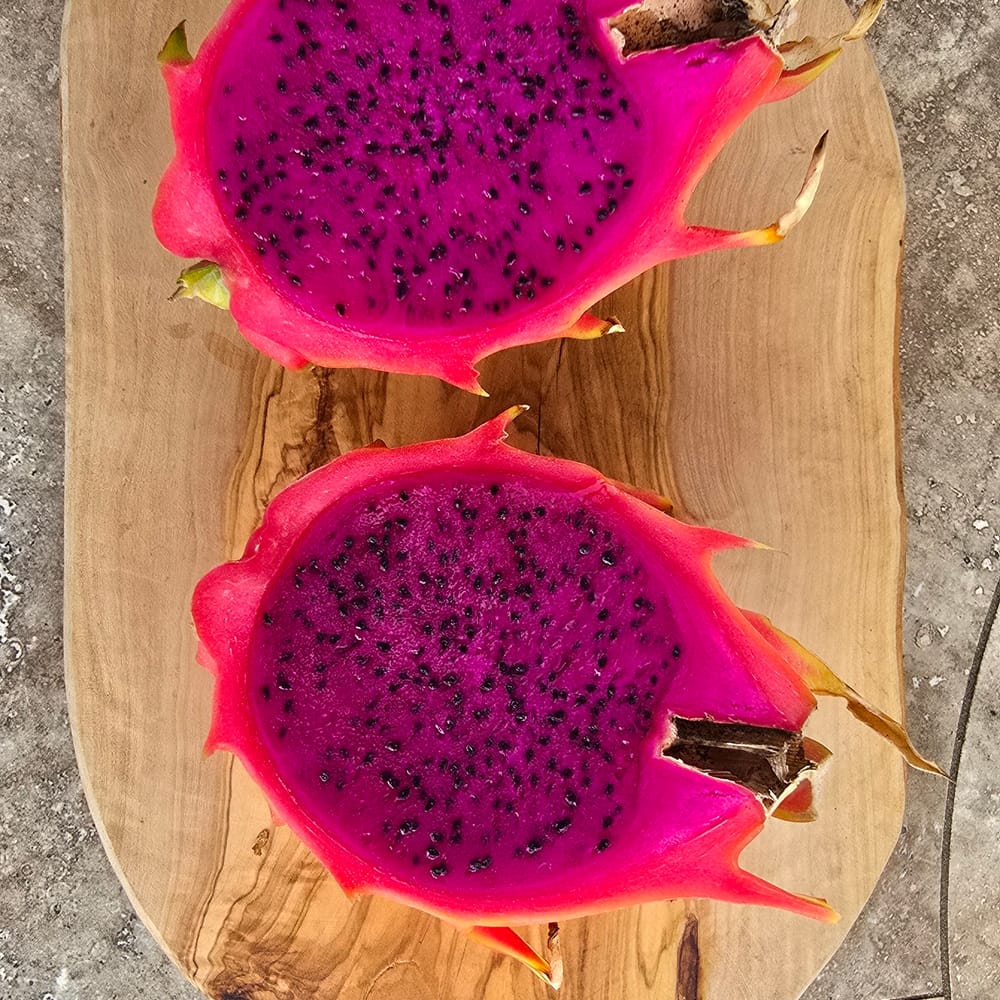
Bruni dragon fruit delivers exceptional sweetness with a complex rosy floral flavor that stands out among white-fleshed varieties. This rare hybrid, bred by Eckhard Meier in Germany, crosses Hylocereus stenopterus and Hylocereus undatus to create small, juicy fruit.
Bruni Dragon Fruit: Key Facts at a Glance
Knowing when to pick is the final step in enjoying this variety. The fruit is ready when the skin shifts from green to about 85% pink. The skin shifts from green to pink about one month after flowering, a period that allows sugars to concentrate.
Patience pays off here. The longer the fruit stays on the vine within that 45-day window, the sweeter the result. Do not rush the harvest just because the skin shows a hint of color.
Flavor and Taste Profile
The first bite reveals a complex aromatic profile with distinct notes of coconut and longan. Subtle undertones of lychee add depth to the experience. Growers often describe the taste as perfectly sweet with very subtle tartness.
The sugar content drives this quality. Bruni averages 21 to 22 brix. Some tests from growers like Leewi Farms report levels of 22 brix and higher. This places Bruni among the sweetest white-fleshed varieties available. The flesh is juicy and melon-like, avoiding the dry or mealy texture of some varieties.
Let the fruit ripen fully on the vine. Extended time on the plant boosts sweetness beyond 22 brix. The sugars concentrate as the fruit matures. Do not harvest early for the best flavor.
Bruni differs significantly from standard white-fleshed dragon fruit. It is sweeter and more complex than the common Vietnamese White. However, it does not have the overpowering sweetness of yellow varieties like Combiana or Palora. It offers high sugar levels without the intense flavor punch of the yellow types. This makes it a versatile choice for fresh eating.
| Variety | Flavor Profile | Sweetness Level |
|---|---|---|
| Bruni | Rosy floral, coconut, longan | Very High (21-22+ brix) |
| Vietnamese White | Mild, clean | Moderate |
| Combiana (Yellow) | Intense, honey-like | Extremely High |
The Flowers: A Standout Feature
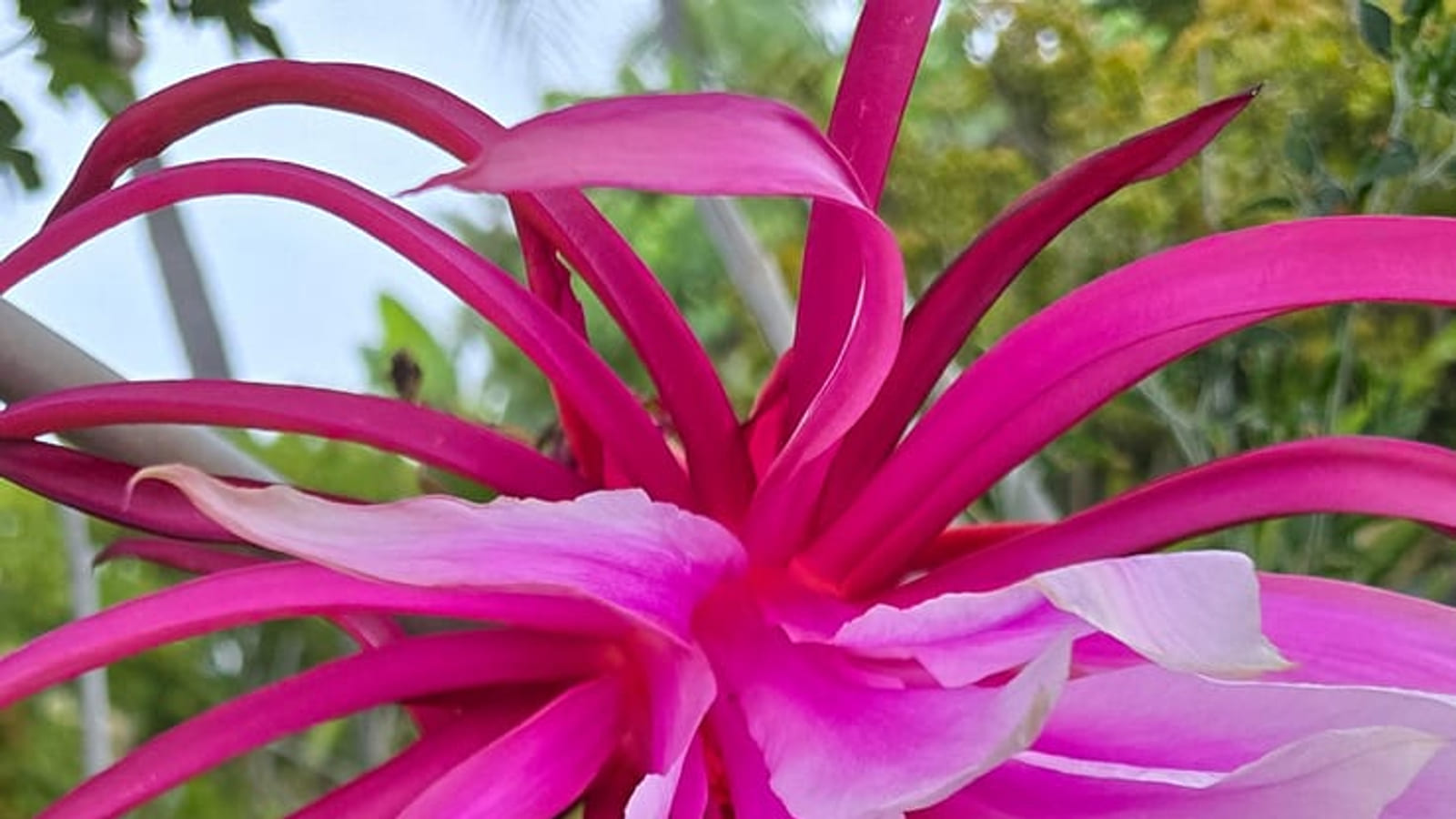
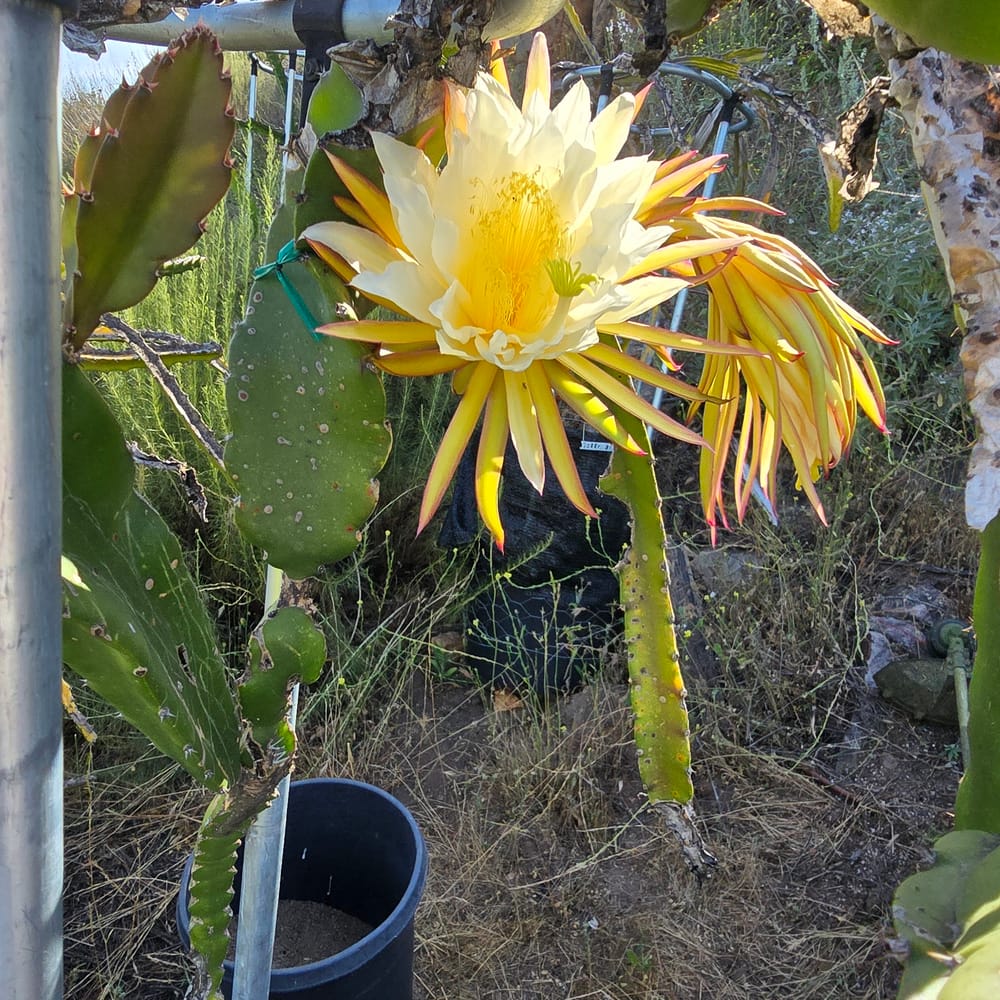
Bruni produces blooms that are as striking as the fruit itself. The flowers are medium-sized, offering a refined look compared to the massive blossoms of some other hybrids. Watch the buds closely before they open. They develop impressive purple tips that signal the bloom is imminent.
When the flower finally opens, the color gradient is distinct. The inner petals start deep purple. This shade softens into light pink edges and finishes with crisp white tips. It is a visual treat for any grower.
Timing matters. Bruni flowers open at dusk and close by sunrise. This window is earlier than many other varieties. Plan your evening inspections accordingly to catch the peak bloom.
Growers value Bruni for this floral display even if they are primarily focused on the harvest. The blooms are reliable and visually rewarding. They add aesthetic value to the garden during the flowering season. This beauty complements the high-quality fruit that follows.
Growing Bruni Dragon Fruit
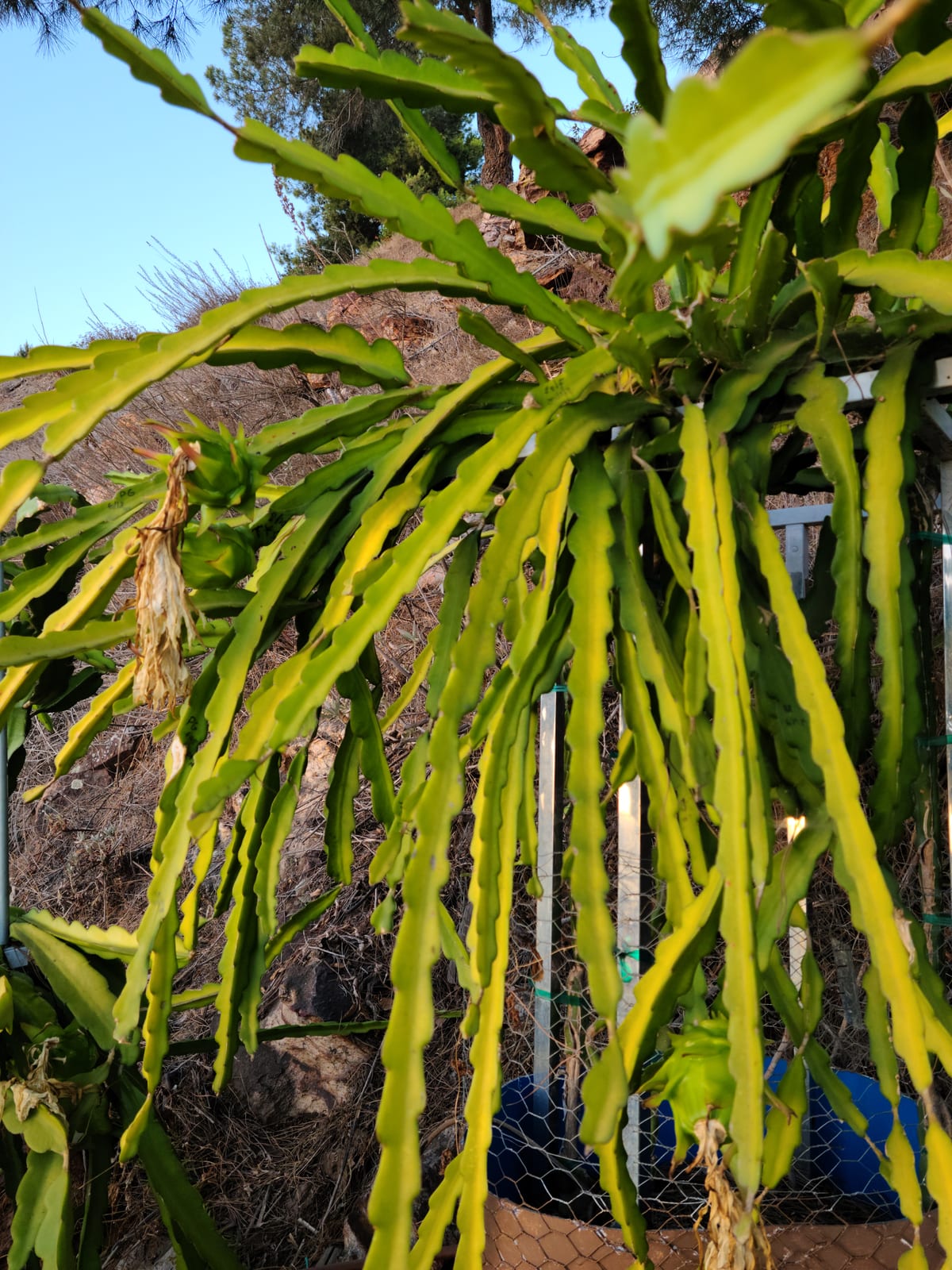
Bruni grows with a very tender habit. The stems are three-sided, a trait inherited from its H. undatus parent. You will notice tiny single-spine thorns along the ridges. These come from the H. stenopterus side of the cross. The growth is delicate compared to tougher commercial types. Handle new shoots with care to avoid snapping the soft tissue.
Despite its tender nature, Bruni is a fast producer. It sets fruit with minimal biomass. You do not need a massive, old vine to get a harvest. Young plants often produce well in their first or second season. This efficiency makes it a rewarding variety for gardeners with limited space or patience. It rewards good care with abundant fruit quickly.
Pollination Note: Bruni is self-sterile. It requires a compatible pollinator to set fruit. Choose a variety without the stenopterus gene. Standard H. undatus types and H. guatemalensis varieties work well. Avoid other stenopterus hybrids as partners.
The fruit development cycle is distinct. It takes 45 days from flower to ripe fruit. This is longer than the typical 30-day window for many other dragon fruit species. The extra time on the vine allows sugars to concentrate. Patience is key here. Do not rush the harvest.
Knowing when to pick is critical for flavor. Look for a specific color change in the skin. The fruit starts green with lemon-lime green fins. As it ripens, a transparent pink blush develops. Wait until the skin is about 85% pink. This visual cue signals peak sweetness. Harvesting too early leaves the fruit underdeveloped and less sweet.
Bruni vs. Its Siblings (Connie Mayer and Kathie Van Arum)
Eckhard Meier bred Bruni alongside two other distinct hybrids. These three clones share the same parentage and genetic history. Growers often compare them to understand subtle differences in fruit quality. Bruni stands out for its specific balance of sweetness and size.
| Variety | Flesh Color | Sugar Content | Key Trait |
|---|---|---|---|
| Bruni | White | 21-22 brix | Small fruit, complex flavor |
| Connie Mayer | White | Similar to Bruni | Nearly identical to Bruni |
| Kathie Van Arum | White | Similar to Bruni | Sibling clone |
Bruni and Connie Mayer are nearly identical siblings. You will find it hard to tell them apart in the garden. The main difference lies in the fruit size. Bruni tends to produce smaller fruit. Some growers prefer Bruni for its specific flavor profile.
Kathie Van Arum is another sibling clone from the same breeding program. Understanding these relationships helps you plan your garden. You can grow these siblings together for cross-pollination. Just remember Bruni is self-sterile. It needs a partner without the stenopterus gene.
Connie Mayer: The Bruni Sibling We Grow
We do not stock Bruni cuttings, and if you came here for the Bruni profile you are not missing much by planting its sister instead. Connie Mayer came out of the same Eckhard Meier cross, shares the same parentage, and carries the same white flesh and high sugar. Growers report one consistent difference, and it favours Connie Mayer: Bruni sets smaller fruit, Connie Mayer sets larger.
Our cuttings rate 5 out of 5 on taste, with coconut, passion fruit and papaya coming through as the fruit matures. See the Connie Mayer cutting.
| Variety | Flesh Color | Fruit Size | Availability |
|---|---|---|---|
| Bruni | White | Smaller | Not stocked |
| Connie Mayer | White | Larger | In our nursery |
One note on pollination before you plan the bed. Bruni is self-sterile and needs a partner without the stenopterus gene, and because Connie Mayer is a sibling clone it carries that same gene. Grow Connie Mayer in place of Bruni rather than as its pollinator.
Explore the rest of what we grow in our guide to the best tasting dragon fruit varieties. You will find detailed comparisons to help you build a productive garden.
Frequently Asked Questions
Growers often ask if Bruni can set fruit on its own. It cannot. Bruni is self-sterile. You must plant a compatible pollinator nearby. The partner variety must not carry the stenopterus gene. Standard white varieties like Vietnamese White work well. So do yellow varieties like H. guatemalensis. This cross-pollination requirement is strict for fruit set.
Bruni has a long history in the hobby. The variety has been known since approximately 2000. It is a proven hybrid that rewards careful growing.