Connie Mayer Dragon Fruit: Taste, Pollination & Facts
Connie Mayer Dragon Fruit: Key Facts at a Glance
The fruit size is the most variable trait. Most harvests yield small to medium fruits weighing 0.25 to 1 pound. Good pollination can push weights to 2 or 3 pounds. See our guide on best dragon fruit varieties for more context on sugar levels.
Flavor and Taste Profile
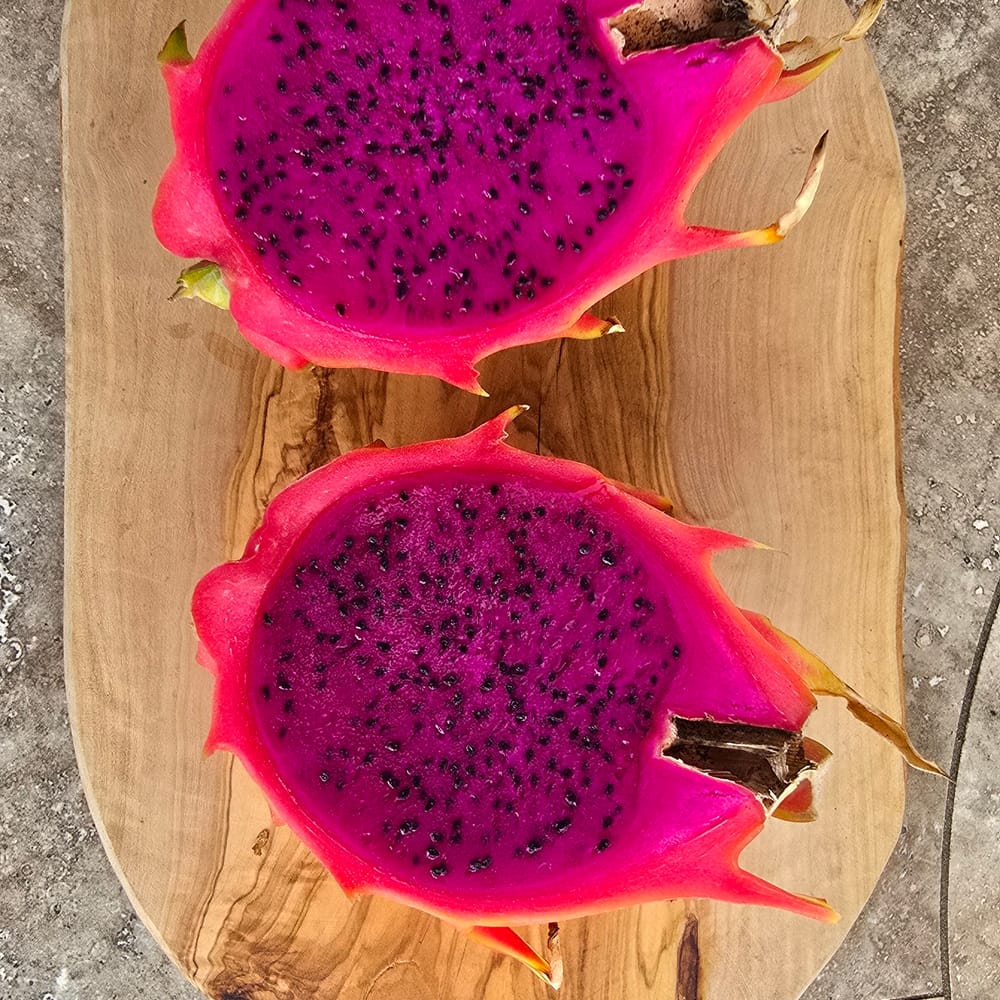
The taste of Connie Mayer is distinct from the standard dragon fruit you find in grocery stores. Spicy Exotics describes it as rosy floral with hints of coconut. You will also detect subtle notes of longan and lychee.
Sugar accumulation drives this intensity. The fruit requires about 45 days to ripen after flowering. This is significantly longer than the typical 30 days for other Hylocereus species. Leaving the fruit on the vine allows sugars to concentrate. The result is a dense sweetness that matches the high brix readings.
Patience pays off in flavor. Harvesting early yields a bland fruit. Wait until the skin softens slightly and the blush deepens for the best taste.
Opinions on this variety are divided. Growers who seek unique flavors often praise the coconut and floral notes as exceptional. Others find the taste underwhelming compared to bold red-fleshed types. The flavor is delicate rather than overpowering. It appeals to those who enjoy nuanced fruit profiles.
| Flavor Component | Intensity | Notes |
|---|---|---|
| Floral | High | Rosy, perfume-like |
| Coconut | Medium | Creamy, nutty undertone |
| Tropical Fruit | Low | Hints of longan and lychee |
| Sweetness | High | Concentrated due to long ripening |
The eating experience is best when the fruit is fully ripe. The texture remains crisp but juicy. It works well eaten fresh or added to salads. The unique flavor profile makes it a standout for culinary uses where a subtle sweetness is desired. See our guide on best dragon fruit varieties for more comparisons on sugar levels and taste profiles.
The Flowers: Why Connie Mayer Is a Must-Have
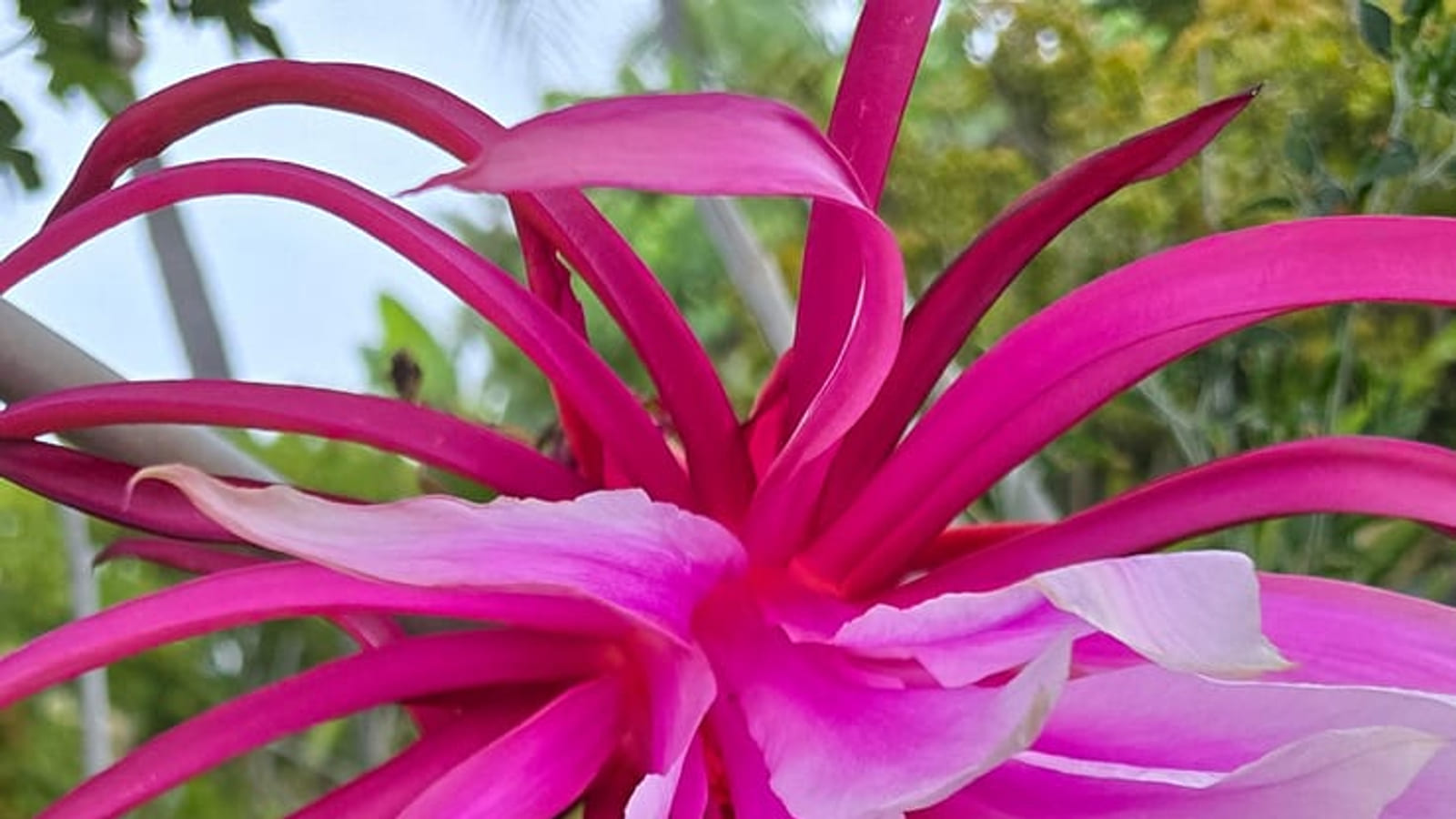
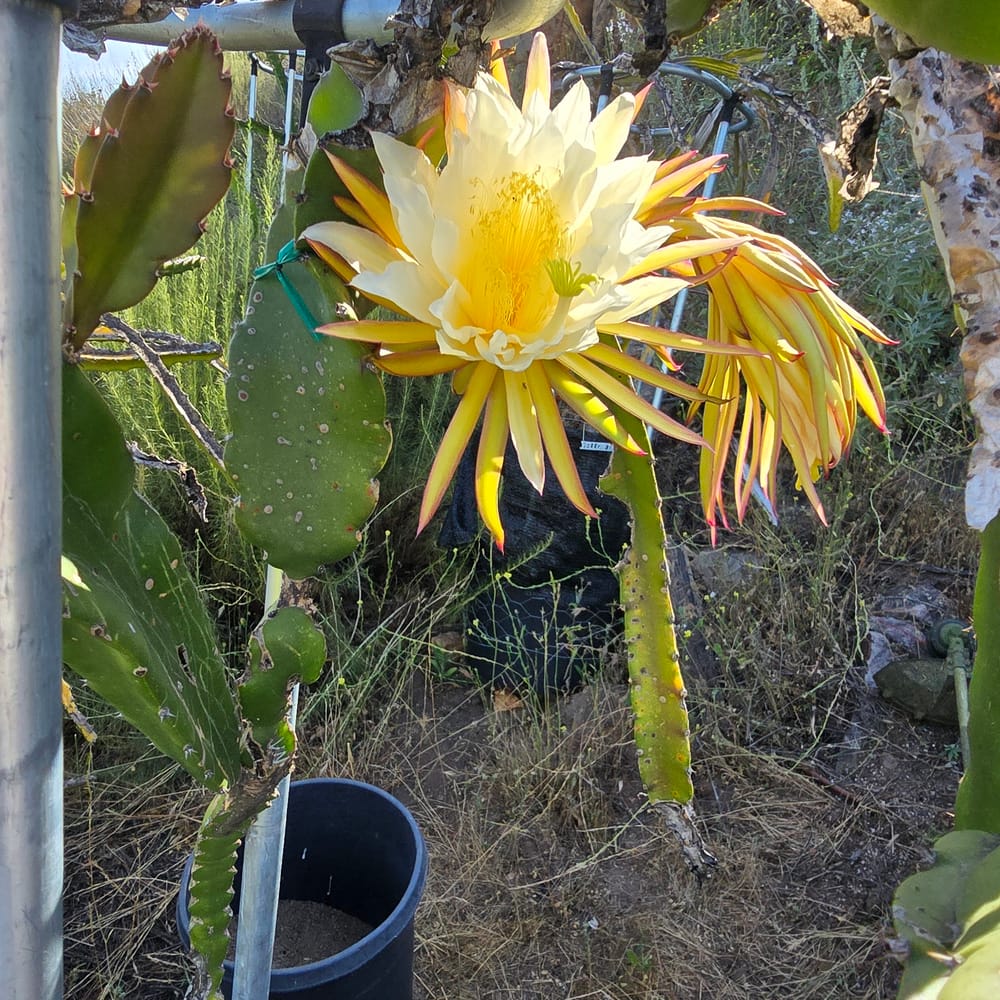
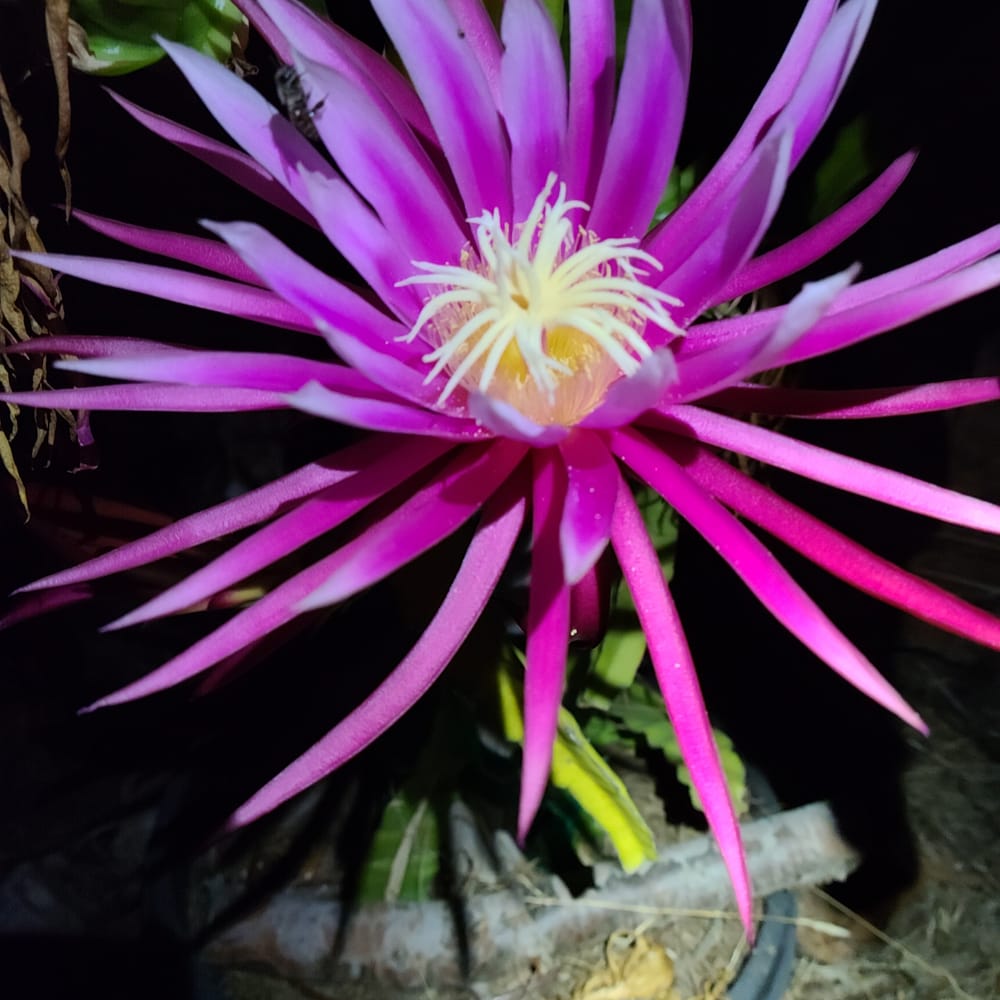
Many growers keep Connie Mayer in their collection for the blooms alone. The flowers are a visual standout. You will notice the buds first. They carry distinct purple tips before they open. When the flower finally unfolds, it reveals a striking color gradient. The inner petals are a deep purple. This shade fades into light pink edges. The tips finish in pure white. It is a medium-sized bloom, but the coloring makes it look larger than it is.
Timing is specific for this variety. The flowers open at dusk. They close at sunrise earlier than many other varieties. This window is shorter than you might see with other dragon fruit types. The stigma is sturdy and features split lobes. This structure helps with pollination when you have a compatible partner nearby. Even if you do not prefer the coconut flavor of the fruit, the nightly display is worth the space on the trellis.
Grower Note: Because the flowers close by sunrise, you have a limited window to hand pollinate if natural pollinators are scarce. Check your vines just after dark for the best results.
The aesthetic appeal of the flower often outweighs the divided opinions on the taste. Some growers find the flavor subtle. Others love the unique profile. But the bloom is universally praised. It adds drama to the garden during the flowering season. If you are looking for variety in your garden, see our guide on best dragon fruit varieties for more options that offer strong visual interest.
Growing Connie Mayer Dragon Fruit
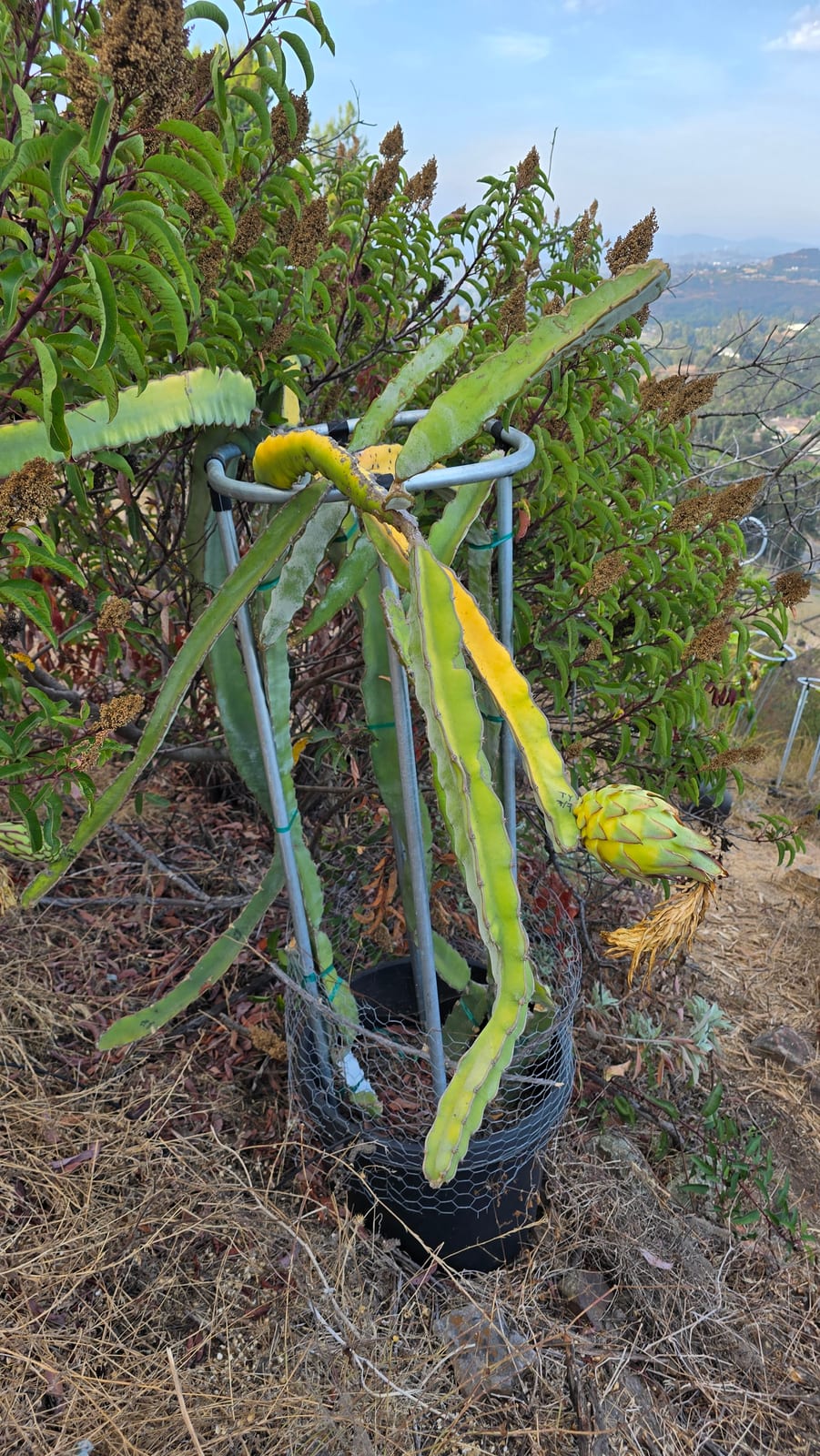
Connie Mayer grows quickly and puts its energy into fruit rather than thick stems. You will see new growth that looks very tender compared to older, woody varieties. The stems are three-sided, a trait it inherits from its H. undatus parent. Look closely at the edges and you will find tiny single-spine thorns. These come from the H. stenopterus side of the cross. They are small but present.
Because the plant stays relatively small, it can set fruit when it is still young. You do not need to wait for a massive vine to see a harvest. This low biomass habit makes it easier to manage in containers or on smaller trellises. The plant focuses on reproduction early in its life cycle.
Pollination is the only hard requirement for fruit set. Connie Mayer is self-sterile. It cannot pollinate itself. You must plant a compatible partner nearby. Choose a standard H. undatus variety that does not carry the stenopterus gene. American Beauty and Sugar Dragon are excellent choices. Avoid other hybrids that share the same parentage unless you know their genetics.
Once pollinated, the fruit takes about 45 days to ripen. This is longer than many common varieties. The extra time on the vine allows sugars to concentrate. Do not rush the harvest. Let the fruit mature fully for the best flavor. See our guide on best dragon fruit varieties for more details on ripening timelines.
Connie Mayer vs. Its Siblings (Bruni and Kathy Van Arum)
Eckhard Meier bred Connie Mayer alongside two other clones. Bruni and Kathy Van Arum share the same parentage. They are genetic siblings. Growers often confuse them because the plants look nearly identical in the field. The differences show up in the fruit and the flesh.
| Variety | Flesh Color | Key Identifier | Taste Note |
|---|---|---|---|
| Connie Mayer | White | Self sterile | Coconut floral |
| Bruni | White | Distinct size range | Sweet |
| Kathy Van Arum | Light pink | Flesh color | Reportedly sweeter |
Bruni is the easiest to mistake for Connie Mayer. The vines grow the same way. The flowers look the same. You identify Bruni by the fruit size. It tends to hold a different weight profile than Connie Mayer. Kathy Van Arum stands out immediately when you cut it open. The flesh is light pink. Growers report it as sweeter than the white fleshed siblings. This color difference makes it simple to separate from Connie Mayer and Bruni once fruit sets.
Label your cuttings clearly. These three siblings look identical as young plants. You will not know which is which until the first harvest.
Understanding these distinctions helps you plan your pollination partners. All three require cross pollination. You can use the same partners for all of them. See our guide on best dragon fruit varieties for more on pairing these types.
Similar Varieties We Do Carry
We do not stock Connie Mayer cuttings. However, we carry several varieties that match its sweetness or flesh color. You can build a high-quality orchard with these alternatives. Choose based on whether you prioritize white flesh or red flesh.
White-Fleshed Sweet Options
If you want the clean, mild flavor of white flesh with high sugar content, these are our top picks.
| Variety | Flesh | Key Trait |
|---|---|---|
| Sugar Dragon | White | High brix, reliable pollinator for Connie Mayer |
| Vietnamese White | White | Classic sweet flavor, vigorous growth |
Sugar Dragon is a dual-purpose choice. It offers great eating quality on its own. It also serves as a compatible pollinator for Connie Mayer if you decide to source that variety elsewhere.
Red-Fleshed Sweet Alternatives
Many growers find red-fleshed varieties more intense in flavor. These options deliver deep sweetness and bold color.
| Variety | Flesh | Key Trait |
|---|---|---|
| Physical Graffiti | Red | Very sweet, complex flavor |
| Dark Star | Red | Rich taste, dark skin |
| Purple Haze | Red | High sugar, striking appearance |
| Frankie's Red | Red | Consistent producer, sweet |
Red-fleshed types often have a stronger taste profile than white-fleshed hybrids. They pair well with the milder white varieties in a mixed planting. See our guide on best dragon fruit varieties for a deeper look at flavor profiles.
Frequently Asked Questions
Growers often ask about the specific needs of this hybrid. Here are the answers to the most common questions.
| Question | Answer |
|---|---|
| Is it self-fertile? | No. It is self-sterile and requires a pollinator. |
| What pollinates it? | Any H. undatus variety without the stenopterus gene. |
| How sweet is it? | 18 to 23 brix. |
| How long to ripen? | 45 days from flower. |
| What does it taste like? | Floral, coconut, and longan or lychee notes. |
The pollination requirement is strict. You cannot use another stenopterus hybrid as a partner. You need a standard white dragon fruit. American Beauty or Sugar Dragon are safe choices. These varieties lack the stenopterus gene. They provide the necessary cross-pollination to set fruit.
Check your pollinator's lineage. If it has stenopterus in its parentage, it will not work for Connie Mayer.
The flavor profile is distinct. You will taste floral notes first. Coconut follows closely. There are subtle hints of longan and lychee. This complexity comes from the 45 day ripening window. The fruit stays on the vine longer than standard varieties. This time allows sugars to concentrate. The result is a high brix count.
Spicy Exotics obtained this variety from a California grower. That grower had held the plant since 2000. This was shortly after the initial registration. The variety has been in cultivation for decades. It remains a rare find in the US market. See our guide on best dragon fruit varieties for more context on rare hybrids.