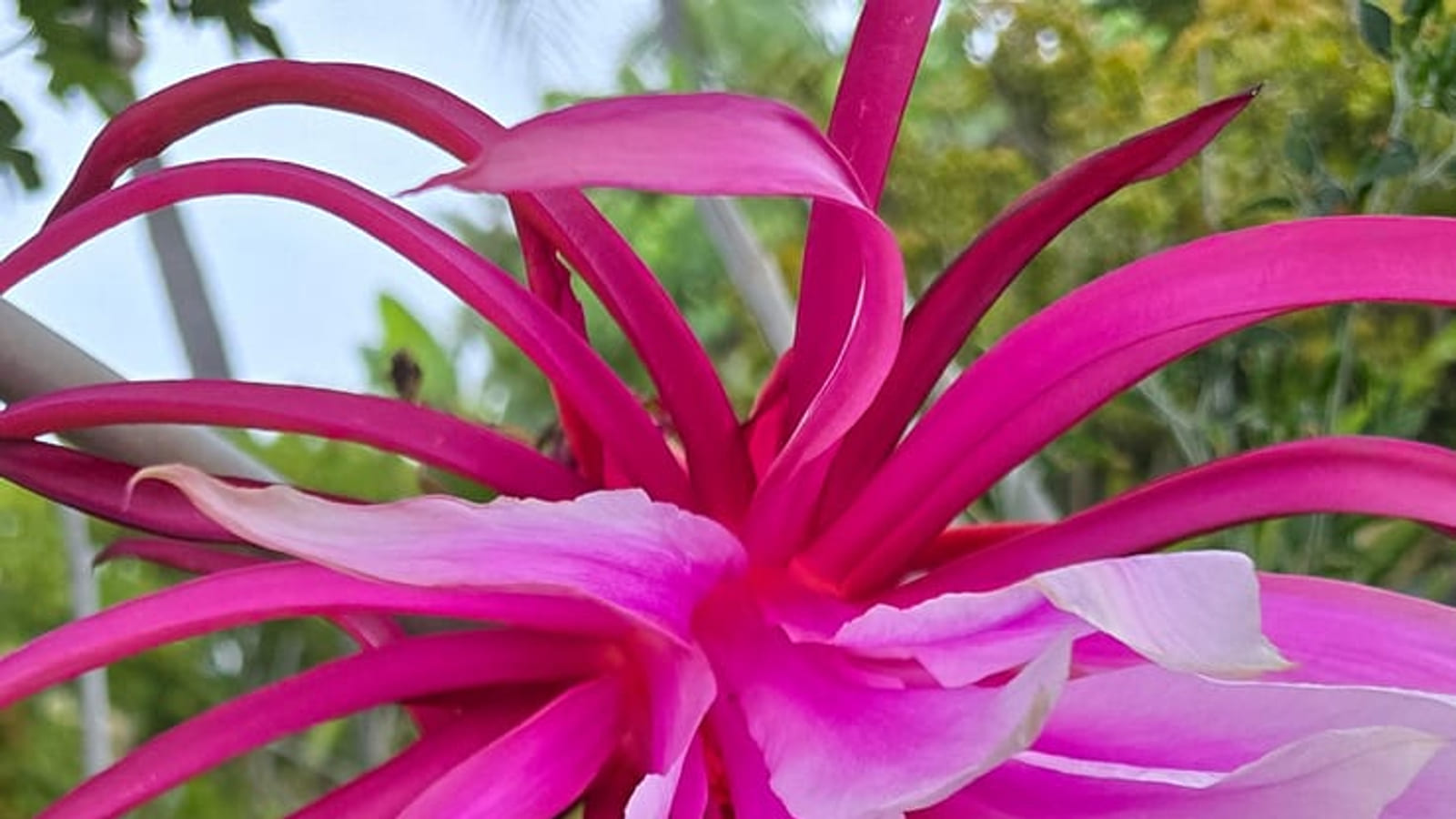
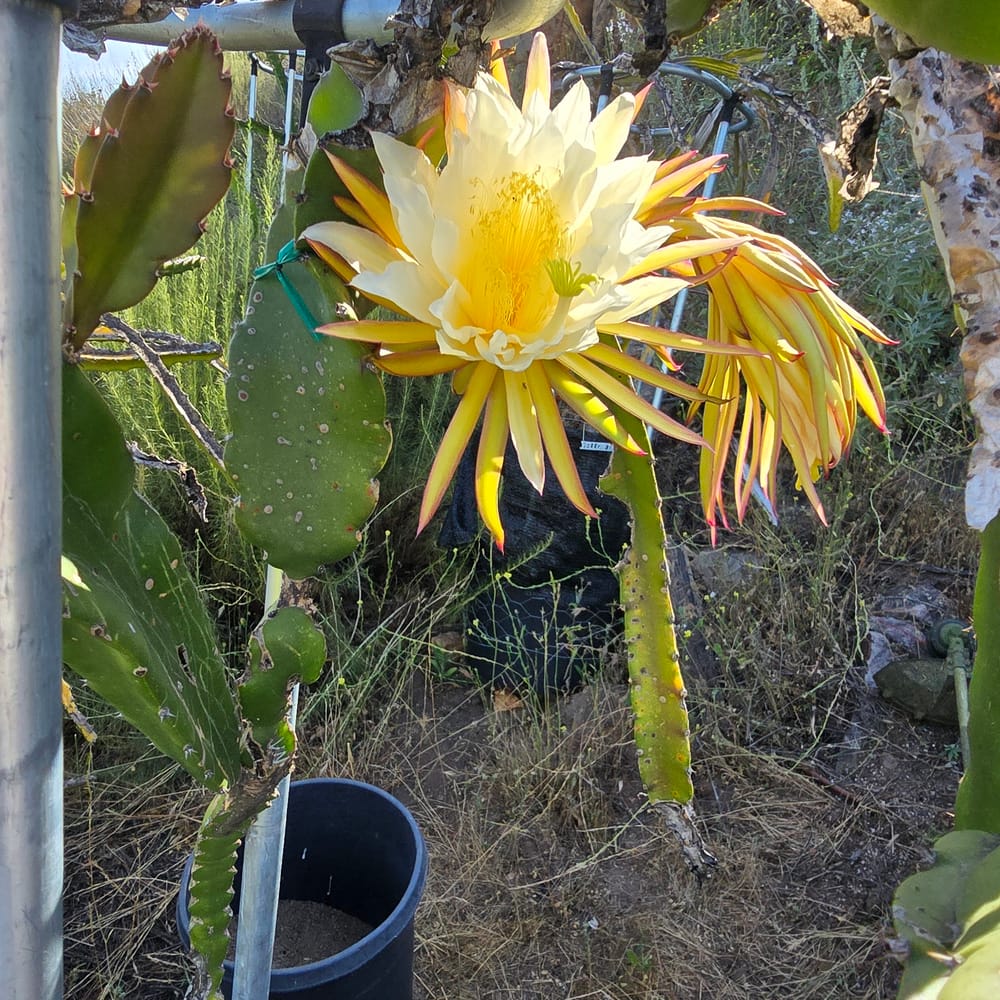
American Beauty Dragon Fruit: Flavor, Growth, Care
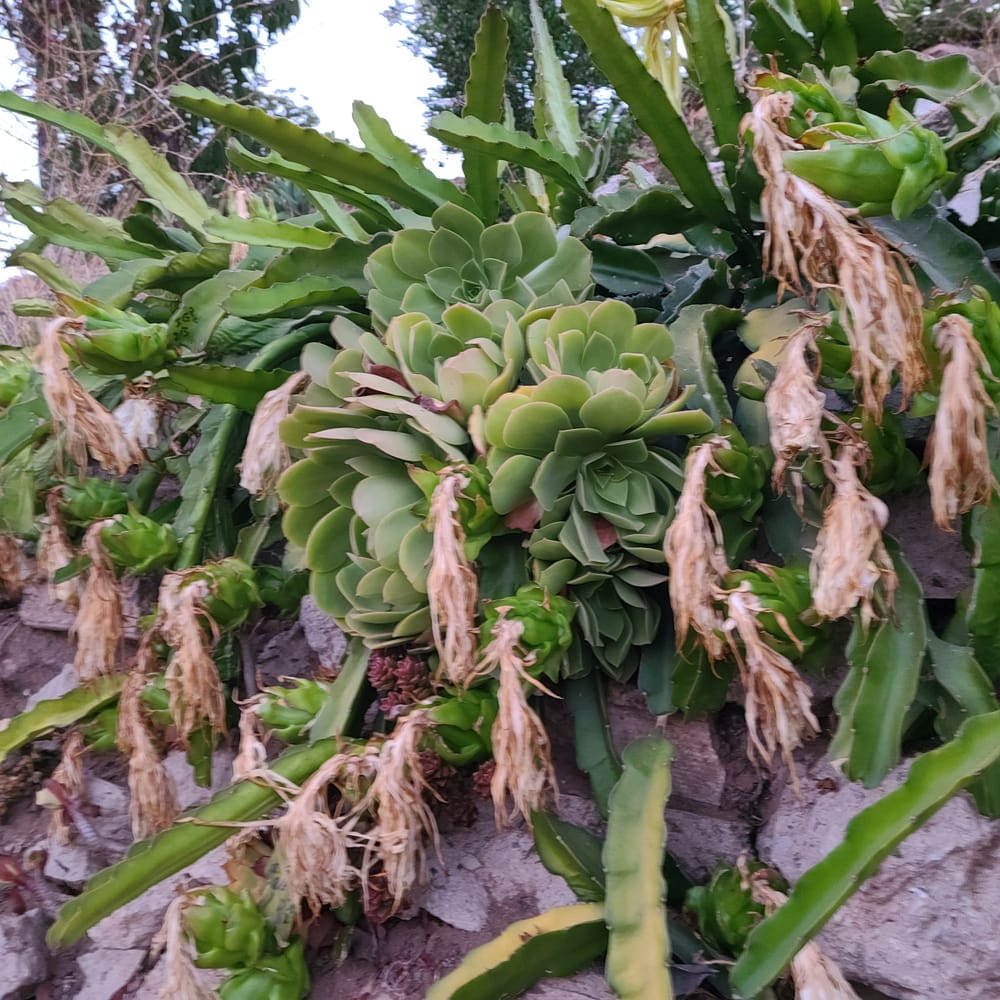
American Beauty dragon fruit is a self-fertile, magenta-flesh variety that usually produces round fruit around 0.5 to 1 pound, with sweet flavor and a green-to-pink skin fade when ripe.
Why American Beauty stands out
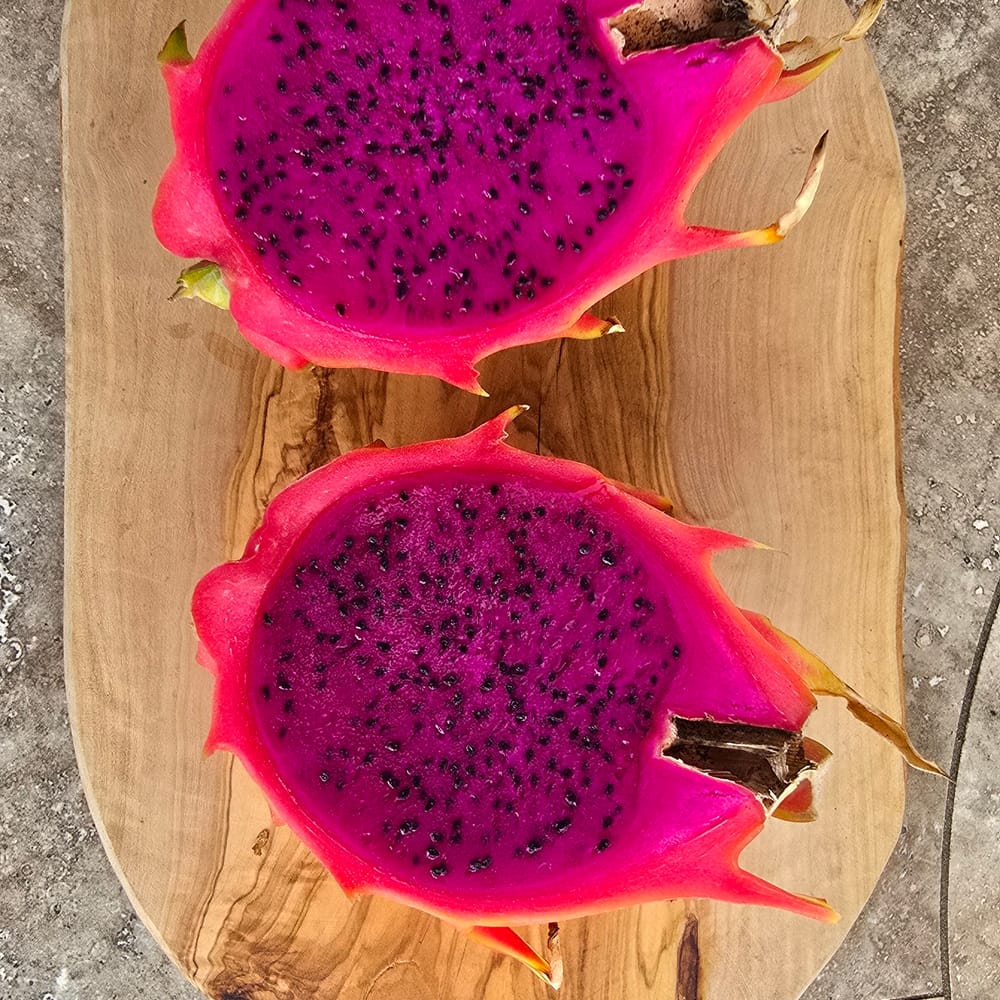
American Beauty, also sold as a Hylocereus guatemalensis type, is one of the easiest dragon fruit varieties to recommend when you want color, flavor, and fewer pollination headaches. Spicy Exotics describes it as self-fertile, with fruit set from its own pollen, and notes fruit size in the 0.5 to 1 pound range. Specialty Produce adds that the fruit is about 10 centimeters long, with thin skin and bright magenta flesh.
At Sky Botanicals in Escondido, we like varieties like this because they fit the realities of Southern California growing. In USDA zone 10a, a productive plant still needs drainage, sun, and winter protection, but a self-fertile vine reduces the risk of a bloom season with no fruit.
Flavor and eating quality
American Beauty is usually described as sweet, juicy, and balanced rather than bland. In one widely shared tasting note, the cultivar measured 17.2 Brix, which is in the sweet range for fresh dragon fruit. For comparison, many commercial dragon fruit taste flat when harvested early, but ripe, home-grown fruit can hit much better sweetness.
That sweetness matters because dragon fruit flavor is often misunderstood. The fruit is not supposed to taste like a sugar bomb. It should taste clean, refreshing, and aromatic, with enough acidity to keep it interesting. American Beauty tends to land in that middle ground.
| Trait | American Beauty | Why it matters |
|---|---|---|
| Flesh color | Magenta | Striking color for fresh eating and market appeal |
| Fruit weight | 0.5 to 1 lb | Medium-sized fruit that sets reliably |
| Brix | 17.2 reported in one tasting note | Sweet enough to impress when fully ripe |
| Pollination | Self-fertile | Can fruit without a second cultivar |
| Ripeness cue | Green fins fade into pink skin | Helps time harvest |
Growing American Beauty in Southern California
American Beauty is a good fit for warm inland and coastal pockets, especially where nights stay mild and winter freezes are rare. Dragon fruit in general grows best in USDA zones 10a to 11, and a 2023 USDA hardiness map reference remains useful for planning cold risk. In practical terms, zone 10a is the line where you still watch frost nights, even if the plant can survive outdoors most of the year.
Ideal growing temperatures are around 65°F to 85°F. Below 50°F, growth slows hard. Prolonged cold near freezing can damage stems. That is why Escondido, inland San Diego County, and other Southern California microclimates can work well if you place the plant near a warm wall and keep the root zone dry in winter.
Site and soil
Give American Beauty full sun, excellent drainage, and slightly acidic soil, ideally around pH 6 to 7. The plant hates waterlogged clay. A raised mound or fast-draining container mix is better than a low spot that stays wet after irrigation or rain.
Think loose, airy, and mineral-heavy. Coarse sand, perlite or pumice, and composted organic matter are the usual building blocks. If the soil feels dense in your hand, it is probably too heavy for long-term dragon fruit health.
Watering
Water deeply, then let the top layer dry before watering again. In warm weather, established plants may want weekly irrigation. In cool weather, back off sharply. Overwatering is the fastest way to lose a dragon fruit plant, especially in winter when roots are slower.
Feeding American Beauty
Dragon fruit responds best to modest feeding, not constant pushing. A balanced fertilizer in the 6-6-6 to 10-10-10 range is fine during early growth. As the plant approaches bloom, many growers shift to a lower-nitrogen, higher-phosphorus and potassium blend such as 10-30-20 or similar bloom-support ratios. For home growers, the point is simple, less leafy growth and more flower support once the vine is established.
| Stage | Practical NPK range | Goal |
|---|---|---|
| Young growth | 6-6-6 to 10-10-10 | Build stems and roots |
| Pre-bloom | 10-30-20 or similar | Support flowering |
| Fruiting | Light balanced feeding | Maintain plant health without excess nitrogen |
That is one reason we focus on practical fertilizer advice at Sky Botanicals instead of generic cactus care. Dragon fruit is a cactus, but it is not a desert cactus. It wants more food and water than people expect, just not too much of either.
Training and pollination
American Beauty is self-fertile, which means you can get fruit from a single plant. That said, cross-pollination can still improve set and sometimes fruit size. If you already grow multiple cultivars, hand pollinating at night or just after sunrise can boost results.
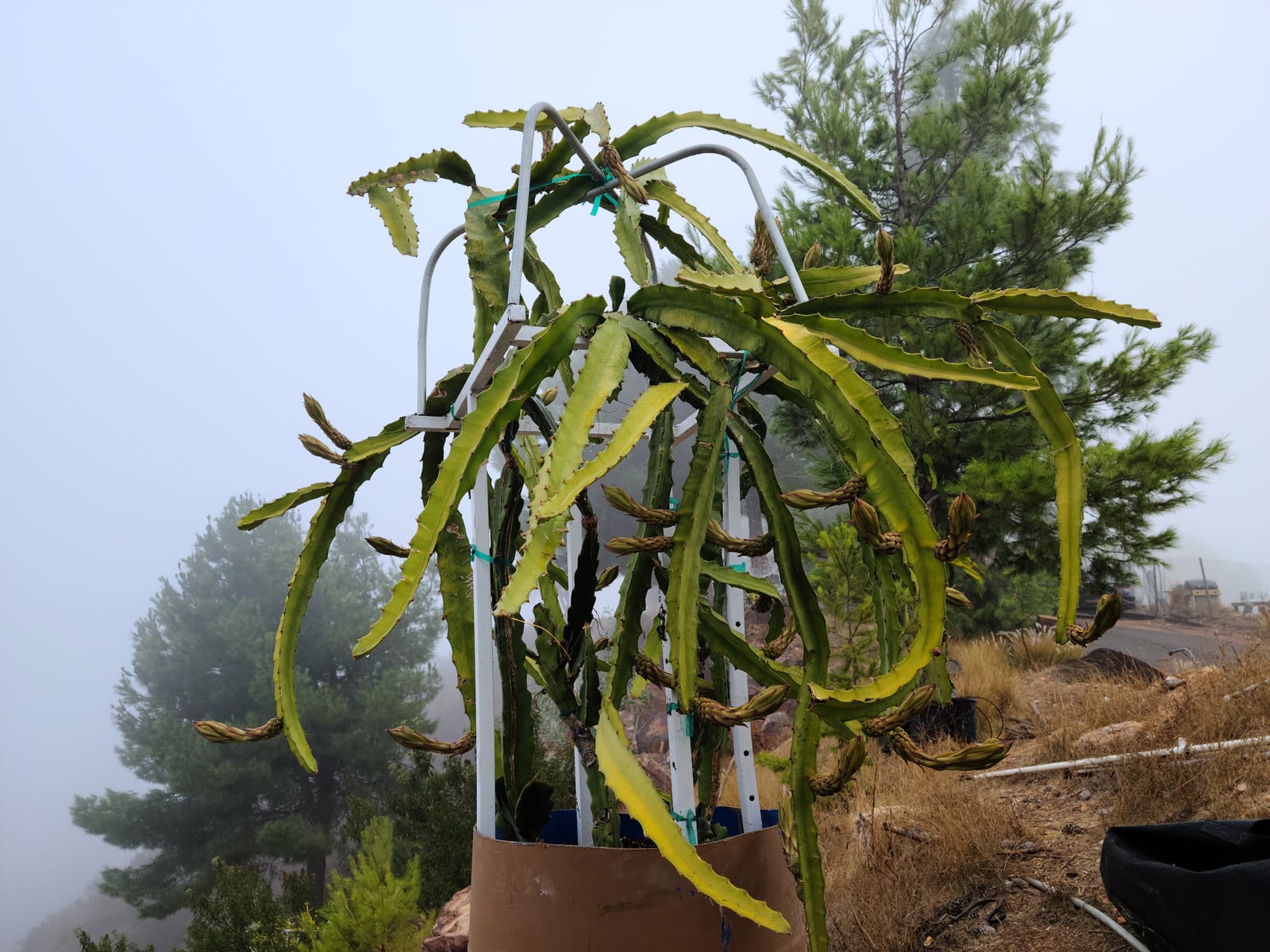
Train the plant on a strong trellis or post. Let one main trunk climb, then allow the top growth to drape over a support ring. That umbrella shape is what produces the best flowering wood. Weak cages usually fail once the vine gets mature.
How American Beauty compares to other popular types
If you are choosing between varieties, American Beauty is a strong middle-ground option. It is easier than many non-self-fertile cultivars, more colorful than white-flesh types, and more forgiving than some specialty lines that only shine under perfect conditions.
For a broader cultivar breakdown, see Dragon Fruit Varieties Guide. If you are growing in our climate, our Southern California dragon fruit guide covers the zone 10a basics. For fruit timing and common questions, the dragon fruit FAQ is the next stop.
| Variety type | Pollination | Best use |
|---|---|---|
| American Beauty | Self-fertile | Easy home planting, reliable fruit |
| White-flesh types | Varies | Classic texture, milder flavor |
| Yellow types | Usually cross-pollinated | High-interest specialty fruit |
Harvest cues
Pick American Beauty when the skin color deepens and the green fins begin fading into pink. The fruit should give slightly with pressure, but not feel mushy. If you harvest too early, sweetness stays low. If you wait too long, the fruit softens fast.
That is where the reported 17.2 Brix matters. Sweetness only shows up when the fruit is fully mature on the plant. Dragon fruit does not get much better after harvest.
Who should grow American Beauty?
Grow American Beauty if you want a reliable self-fertile cultivar, a strong magenta flesh color, and a plant that fits well into Southern California yards and containers. It is a good choice for beginners, but it is also useful for serious collectors who want a dependable benchmark variety among 50+ plants.
For Sky Botanicals, that is the point. In Escondido, where USDA zone 10a conditions reward good microclimate choices, American Beauty gives you a clean mix of beauty, performance, and manageable care.
FAQ
Is American Beauty self-fertile?
Yes. Spicy Exotics lists it as self-fertile, so it can set fruit with its own pollen.
How sweet is American Beauty?
One tasting note reported 17.2 Brix, which is a solid sweetness level for dragon fruit.
How big does the fruit get?
About 0.5 to 1 pound, with fruit around 10 centimeters long on some descriptions.
What USDA zone is best?
Zone 10a to 11 is the practical range, with frost protection still important in 10a.
What soil pH does it like?
A slightly acidic to neutral range, roughly pH 6 to 7.
What temperature range is best?
About 65°F to 85°F is the sweet spot for active growth.
Can I grow it in Escondido?
Yes. With drainage, sun, and winter care, Escondido is a good Southern California location for it.