Voodoo Child Dragon Fruit: What You Need to Know
Voodoo Child is a rare red-fleshed dragon fruit variety bred by Paul Thomson that delivers exceptional sweetness. This clone, also known as Sugar Dragon, produces small fruit with vibrant magenta flesh. It typically reaches 18 to 20 Brix, making it one of the sweetest varieties available. We do not stock Voodoo Child cuttings. However, we carry Sugar Dragon, which is the identical clone. You can also choose Purple Haze or Physical Graffiti for similar red-fleshed sweetness. Buy Sugar Dragon here to grow this high-sugar variety in your own yard.
Voodoo Child Dragon Fruit at a Glance
The vibrant magenta flesh makes this variety a standout in the kitchen. You can eat it fresh for an immediate sugar boost. It also works well in jams where the color stays bright. Many growers juice it for drinks or use slices as garnishes. The strong berry flavor holds up in these preparations without turning muddy. This versatility adds value beyond just eating the fruit straight from the vine.
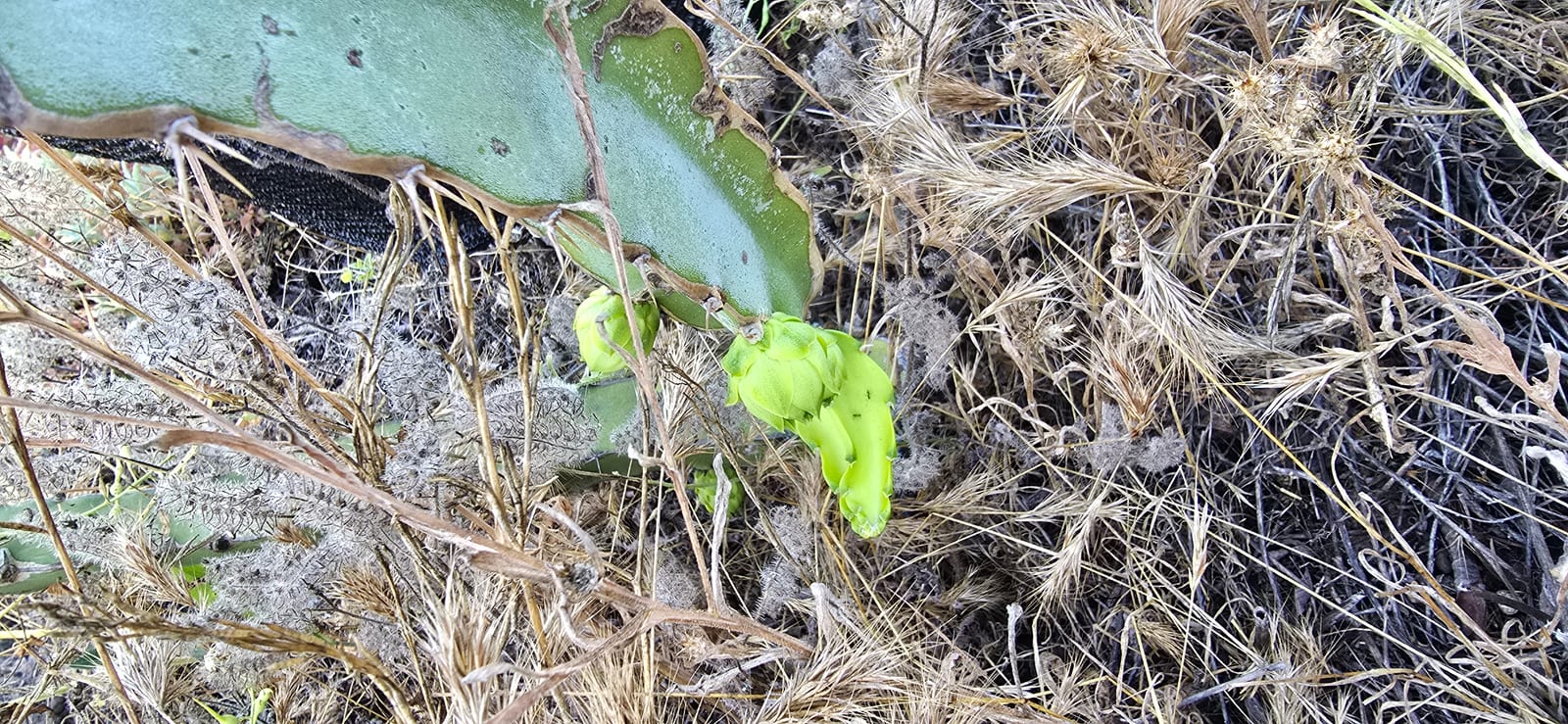
Voodoo Child vs. Sugar Dragon: Same Variety, Different Names
Confusion often arises because two different names circulate for this specific clone. The plant originated as clone 8-S. Breeder Paul Thomson created it by crossing Houghton, a Hylocereus setaceus, with Rixford, a Hylocereus guatemalensis. The genetics remain constant regardless of the label on the pot.
Regional marketing created the split in naming. A Florida nursery popularized the name Voodoo Child. A California grower later branded the identical clone as Sugar Dragon. DNA testing confirms they are the same plant. You are looking at the same genetic material in both cases.
| Attribute | Voodoo Child | Sugar Dragon |
|---|---|---|
| Origin | Clone 8-S (Thomson) | Clone 8-S (Thomson) |
| Parentage | Houghton x Rixford | Houghton x Rixford |
| DNA Profile | Identical | Identical |
| Primary Market | Florida | California |
Growers sometimes report slight differences in fruit size or vigor between plants sold under these names. These variations stem from growing conditions, not genetics. Soil quality, sunlight exposure, and water availability shape the final harvest. The underlying DNA does not change based on the nursery tag.
Do not buy both varieties expecting different flavors. You will get the same berry-like sweetness and magenta flesh from either source. See how this clone compares to true distinct varieties in our dragon fruit varieties comparison guide.
Taste and Sweetness: Why Growers Love It
The flavor profile of Voodoo Child differs from standard commercial varieties. Most growers describe the taste as strongly berry-like. It carries a distinct raspberry note that many find surprising for a cactus fruit. This variety also offers high sugar and water content. The result is a refreshing sweetness that does not feel cloying.
The texture affects the eating experience. The flesh is semi-firm and juicy. It holds together well on a spoon but melts quickly on the tongue. Tiny edible seeds add a pleasant crunch without being gritty. This combination of texture and flavor makes it a favorite for fresh eating.
While the fruit is small, the intensity of the flavor compensates for the size. Many growers consider it one of the best-tasting dragon fruits available despite the lower yield per plant.
Sweetness levels are consistently high. You can expect an average Brix reading of 18 to 20. Mature plants often push these numbers higher. Some harvests reach into the 20s. This places Voodoo Child among the sweetest varieties you can grow in a home garden.
The mild earthiness in the background balances the bright berry notes. It prevents the flavor from becoming one-dimensional.
Growing Voodoo Child: Key Characteristics
The plant grows vigorously with thick, meaty olive-green stems that can exceed 5 feet. You will need a sturdy trellis to support the weight. Small spines line the ribs of these stems.
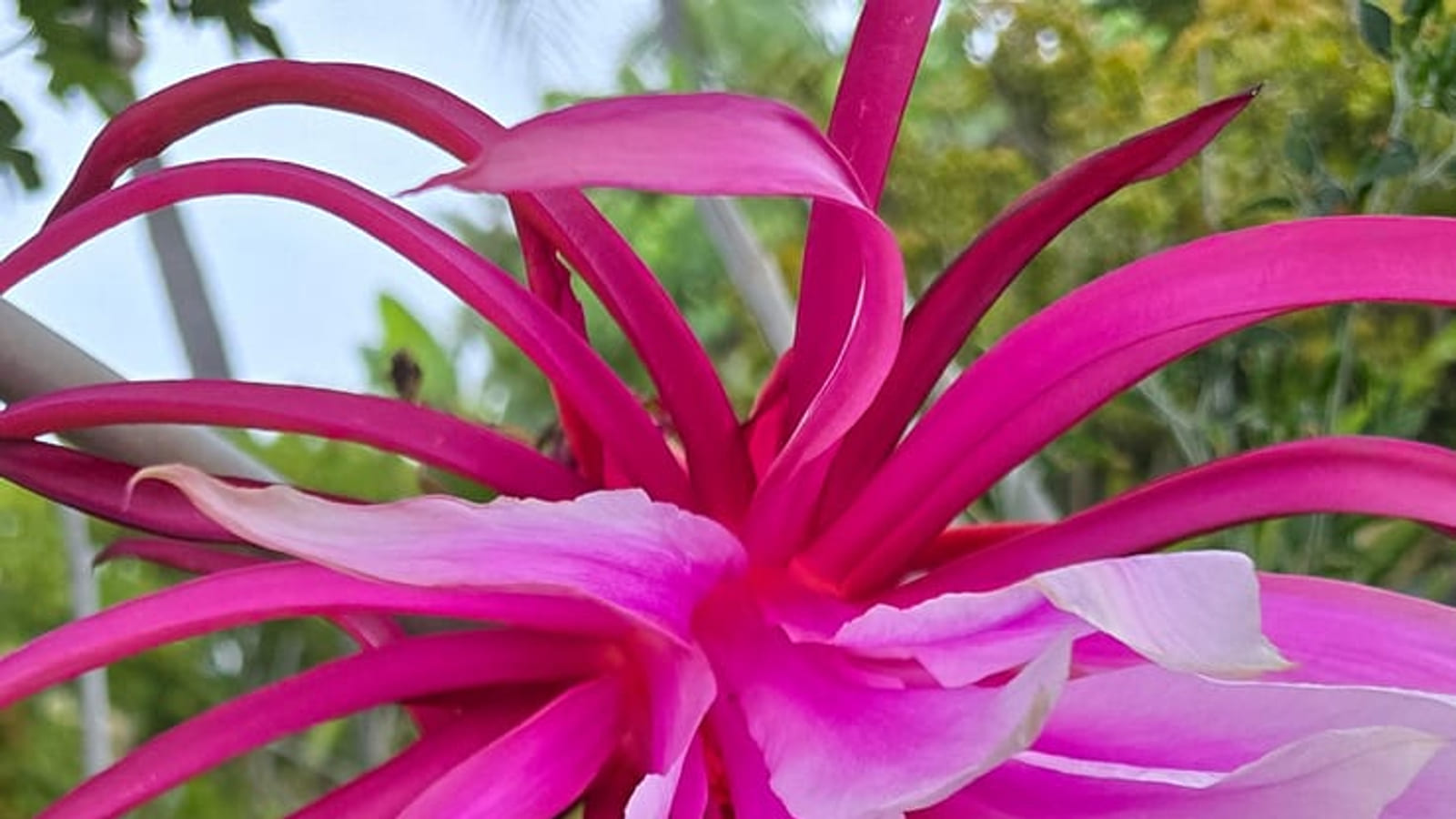
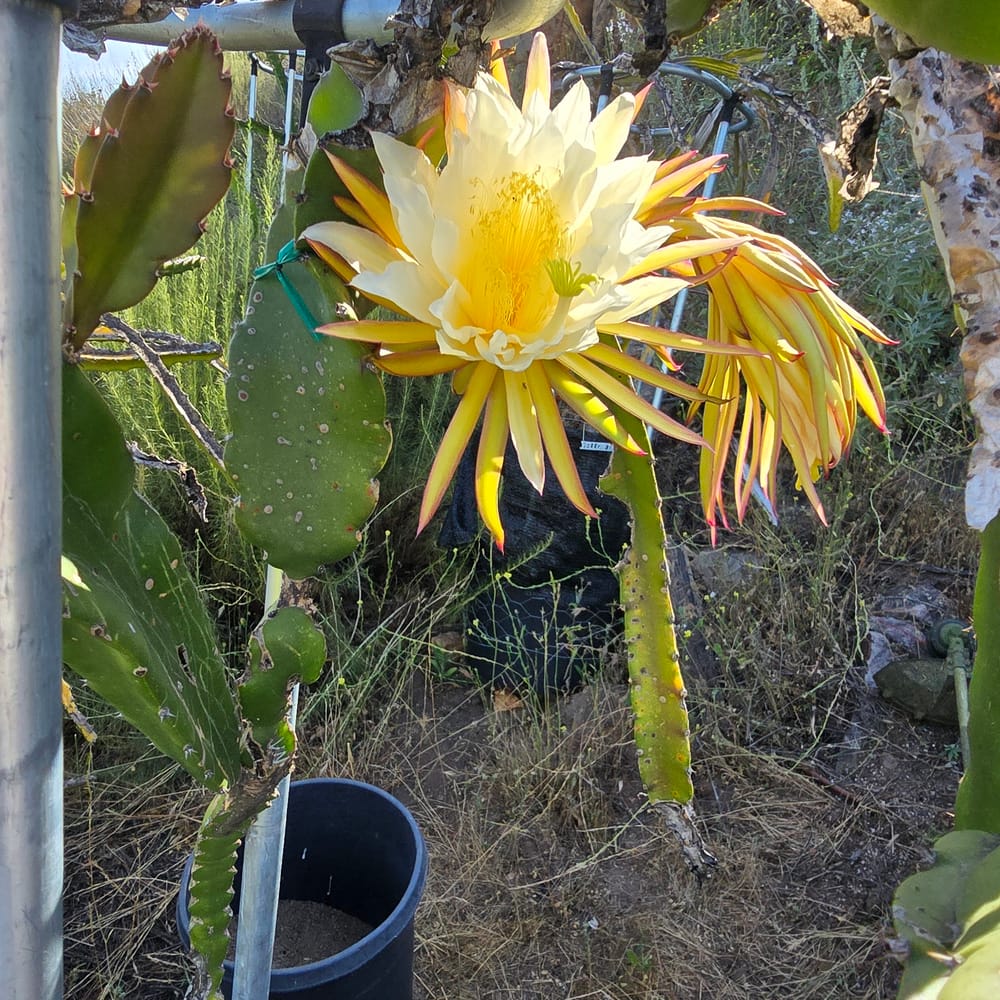
It blooms among the first and last of the season, creating an extended fruiting window with multiple cycles. The large, brilliant white flowers with yellow-orange sepals open after sunset and close by sunrise. The scent is strong and sweet. It fills the air at night.
Voodoo Child is self-fertile. It sets fruit with its own pollen. You do not need a partner plant. It also acts as a universal pollinator. Its pollen works on almost all other varieties. This makes it a valuable addition to any garden. It helps your other plants set fruit.
Plant in well-draining soil rich in organic matter and full sun. Keep the moisture consistent. Let the soil dry slightly between waterings. Do not let it sit in water. A trellis is necessary for the vines to climb.
Fruit Description
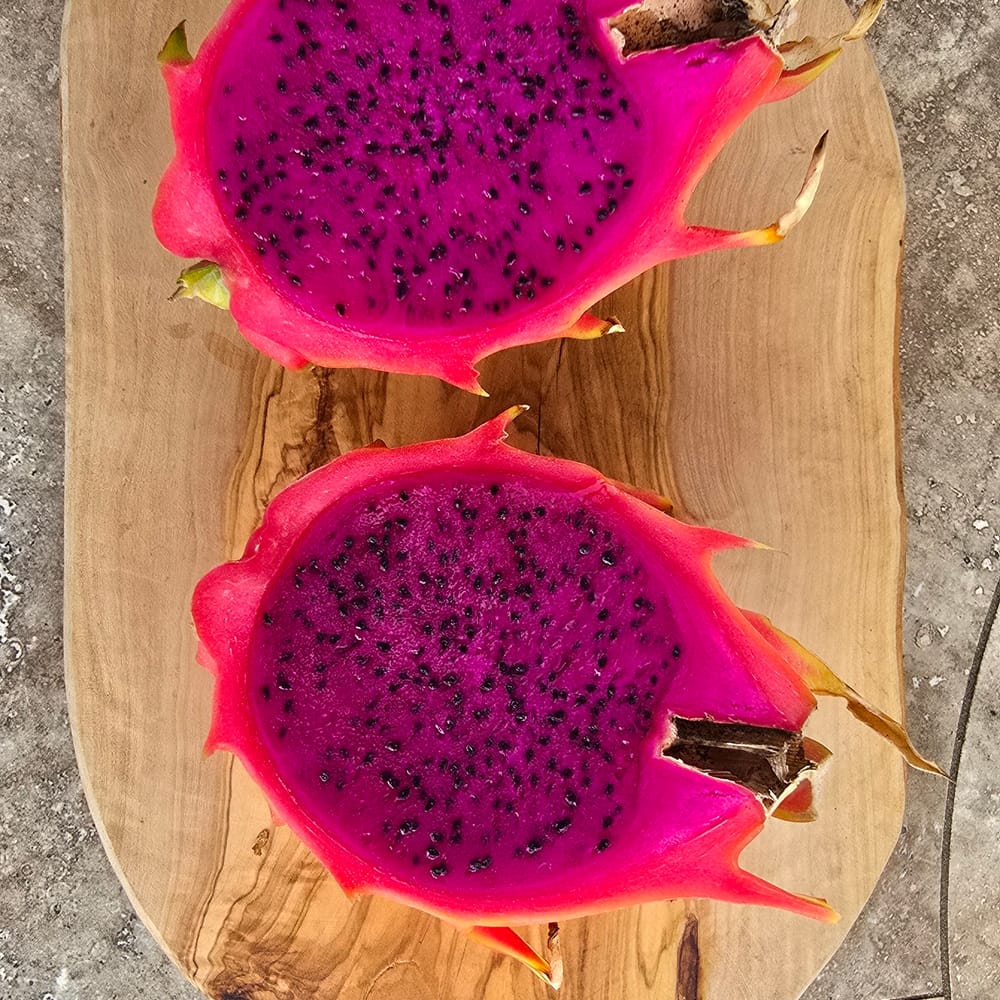
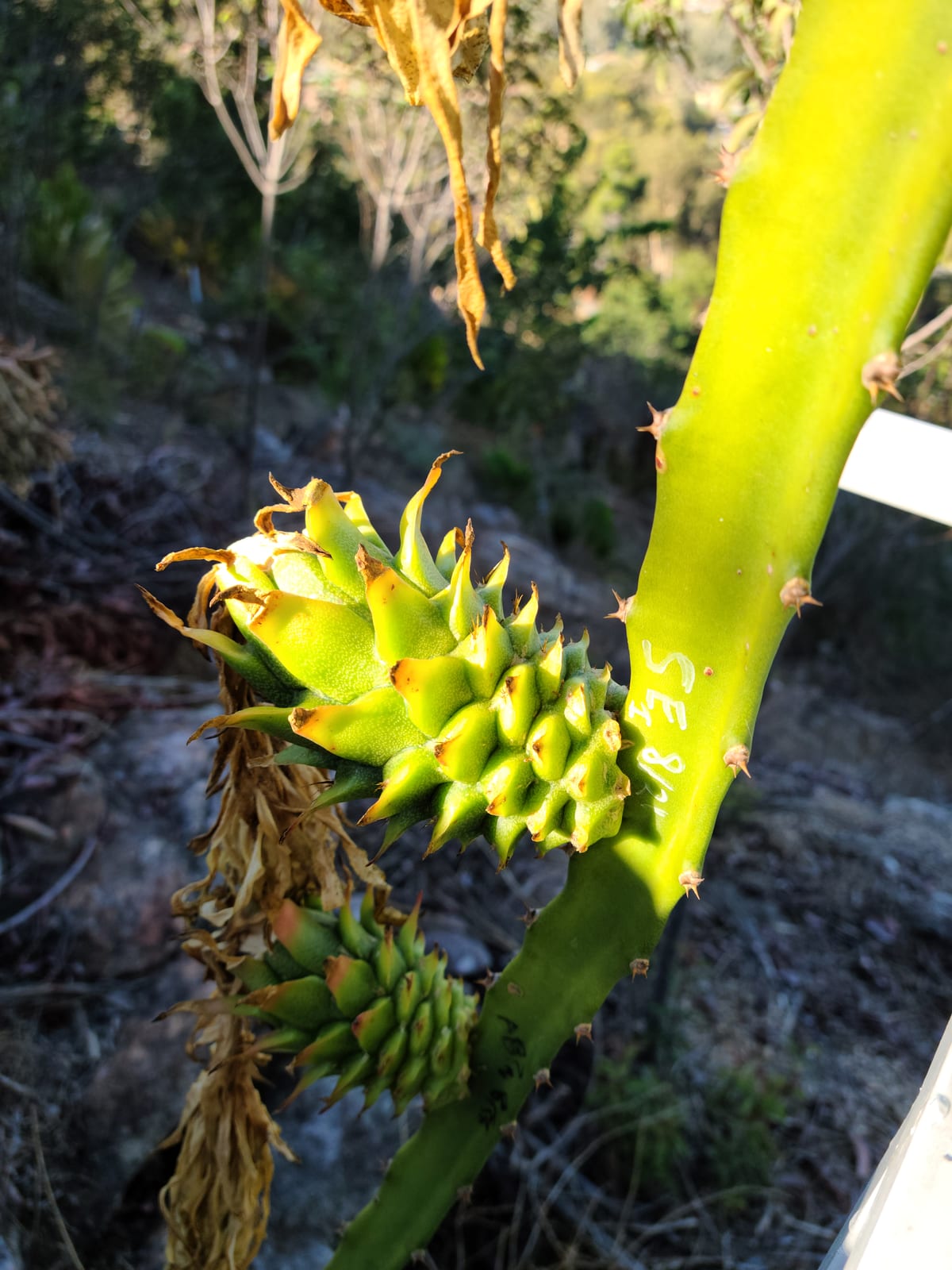
The fruit is small and oval. It weighs between 100 and 400 grams. This size is smaller than most commercial varieties. The skin is thin and ranges from red to maroon when ripe. Tiny fleshy fins cover the surface. These bracts are deep green to brown. The fruit has no thorns. You can handle it safely without gloves.
Inside the flesh is vibrant red to dark magenta. The texture is semi-firm and juicy. Many tiny edible seeds are scattered throughout. They add a pleasant crunch. The color stays bright even after cutting. This makes the fruit visually striking in bowls or drinks.
The harvest window is short and predictable. It takes about 25 days for a flower bud to bloom. From bloom to harvest takes about 30 days. Mark your calendar when you see the first buds form.
The combination of thin skin and intense color requires gentle handling. The fruit bruises easily if dropped. Harvest when the skin turns fully red or maroon. The fins may start to dry slightly at the tips. This signals peak ripeness.
Comparison: Voodoo Child vs. Popular Dragon Fruit Varieties
Voodoo Child sits at the top of the sweetness chart for most home growers. Its high sugar content and berry-forward flavor profile set it apart from standard commercial types. To see exactly where it fits in your garden, compare it against three other popular red-fleshed varieties: Physical Graffiti and Purple Haze.
| Variety | Flesh Color | Brix (Sweetness) | Fruit Size | Pollination | Flavor Notes |
|---|---|---|---|---|---|
| Voodoo Child | Magenta | 18-20 (up to 20s) | Small | Self-fertile | Berry, Raspberry |
| Physical Graffiti | Red | Sweet | Standard | Unknown | Sweet, Mild |
| Purple Haze | Red | Sweet | Standard | Unknown | Red-fleshed |
While Physical Graffiti and Purple Haze offer reliable sweetness, Voodoo Child delivers a more intense flavor punch. The raspberry notes are distinct and immediate. If you prioritize maximum sugar levels and unique taste over fruit volume, Voodoo Child ranks highest. For a broader look at how these genetics perform in different climates, check our dragon fruit varieties comparison guide.
Best Substitute: Sugar Dragon (What We Stock)
We do not sell Voodoo Child cuttings. You can grow the exact same plant by choosing Sugar Dragon from our inventory. This is the identical clone 8-S bred by Paul Thomson. The genetics are the same. The flavor is the same. The only difference is the name on the tag.
If you want that intense berry sweetness and magenta flesh, Sugar Dragon is the direct match. It delivers the high sugar levels and self-fertile reliability you expect from this variety. You get the full experience without hunting for a rare clone.
Some growers prefer to diversify their garden with other top-tier red-fleshed varieties. Physical Graffiti is an excellent alternative. It offers rich sweetness and vibrant color. It pairs well with Sugar Dragon for a varied harvest. Robles Red and Purple Haze are also strong choices if you want similar flavor profiles.
| Variety | Relation to Voodoo Child | Key Trait |
|---|---|---|
| Sugar Dragon | Identical Clone | Same genetics, same taste |
| Physical Graffiti | Distinct Variety | High sugar, reliable setter |
| Robles Red | Distinct Variety | Classic red flesh |
Check our dragon fruit varieties comparison guide to see how these options compare to each other. You can buy Sugar Dragon cuttings directly from our nursery to start growing today.
FAQ
Growers often have specific questions about this variety before committing to a purchase. Here are the answers to the most common inquiries.
| Question | Answer |
|---|---|
| Is Voodoo Child the same as Sugar Dragon? | Yes. They are the identical clone. |
| Is it self-fertile? | Yes. It sets fruit with its own pollen. |
| What does it taste like? | Berry-like with 18-20 Brix sweetness. |
| How big is the fruit? | Small, ranging from 100-400g. |
| Is it cold-tolerant? | Relatively, compared to other varieties. |
The cold tolerance point deserves a closer look. While dragon fruit is tropical, this variety handles cooler temperatures better than many standard types. You can expect it to survive brief dips in temperature that might damage more sensitive plants. This resilience makes it a practical choice for growers in marginal climates. It does not mean you should leave it out in a freeze. Protect the roots and provide shade during extreme heat. The plant thrives when treated with care but offers more forgiveness than its peers.
Many growers ask if they need a pollinator. The answer is no. Voodoo Child is self-fertile. It produces viable pollen and sets fruit on its own. This simplifies your garden layout. You do not need to dedicate space to a second variety just for pollination. However, its pollen is compatible with other types. It serves as a universal pollinator if you choose to plant companions. This dual capability adds flexibility to your orchard design.