Vietnamese White Dragon Fruit: Grow, Taste, Choose
A practical spotlight on Vietnamese White, the classic white-flesh dragon fruit with self-fertile flowers, broad adaptability, and beginner-friendly growth.

Vietnamese White is the classic white-flesh dragon fruit for beginners, and in Southern California it is one of the easiest ways to get reliable fruit from a self-fertile plant. At Sky Botanicals in Escondido, USDA zone 10a, it stands out because it is vigorous, blooms heavily, and can fruit without hand pollination when conditions are right.
What Vietnamese White is
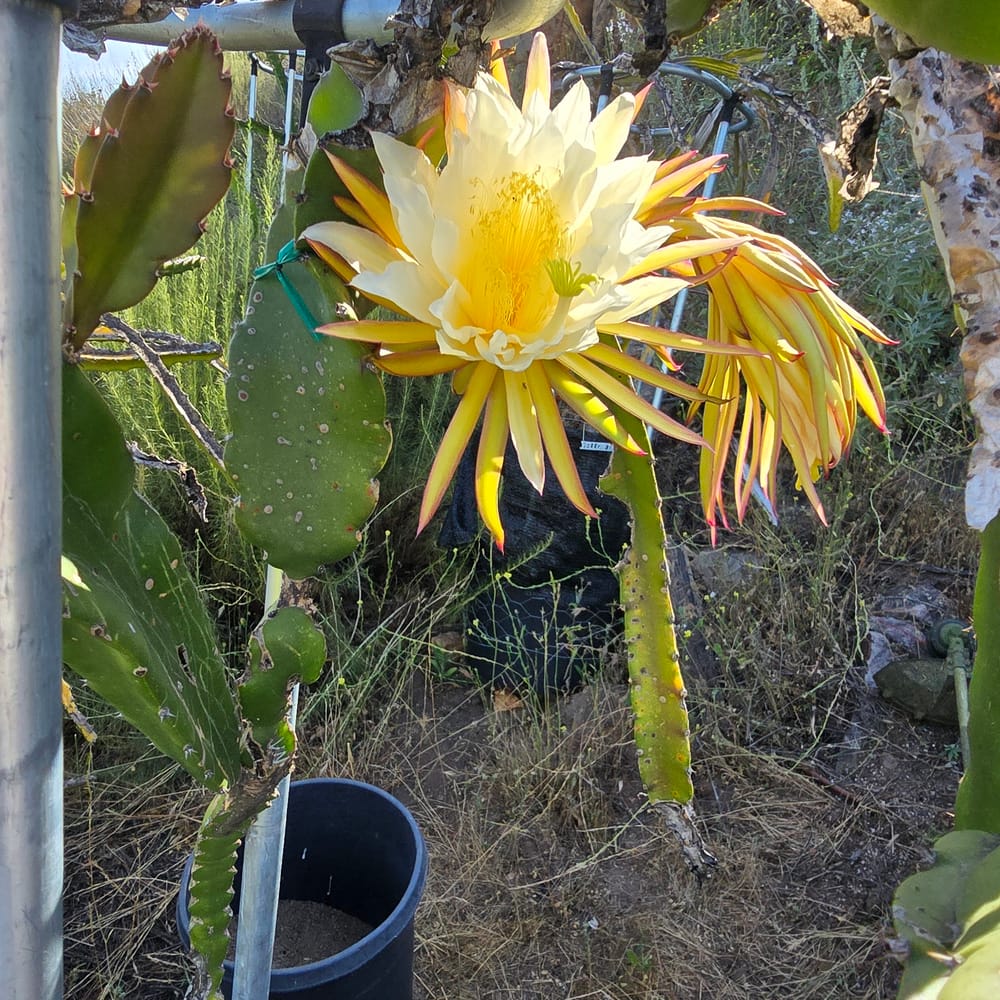
Vietnamese White is a white-fleshed Hylocereus undatus cultivar imported from Vietnam and widely sold under names like Vietnamese White, Vietnam White, Pearl, and Commercial White. Nursery listings describe it as self-fertile, container-friendly, and suited to trellises. That combination makes it a common first purchase for growers who want one plant that can still set fruit.
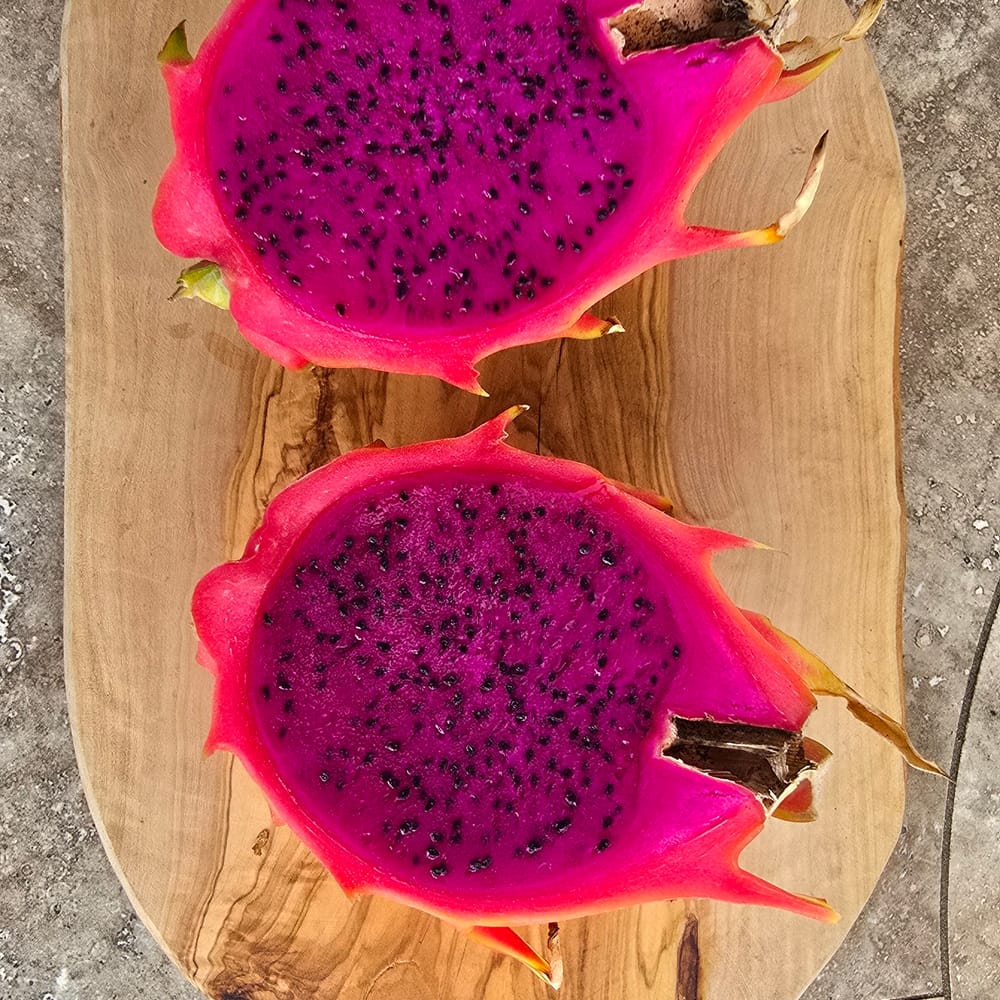
The fruit is usually pink-skinned with green fins and milky white flesh dotted with tiny black seeds. Flavor is mild to lightly sweet, with a crisp, juicy texture. In other words, it is not the loudest dragon fruit on the table, but it is one of the most dependable.
Key facts at a glance
| Trait | Typical range | Why it matters |
|---|---|---|
| Species | Hylocereus undatus | The standard white-flesh dragon fruit type |
| USDA zone | 9-11, best in 10-11 | Warm-climate plant, needs frost protection |
| Self-pollination | Self-fertile / self-pollinating | Can fruit without a second cultivar |
| Soil pH | 5.5-6.5 | Helps nutrient uptake stay efficient |
| Ideal growth temperature | 65-85°F | Warmth drives vegetative growth and bloom |
| Cold damage risk | Below 40°F | Extended cold can injure stems and buds |
| Starter fertilizer | 6-6-6 or 10-10-10 | Balanced nutrition for growth and flowering |
| Typical sweetness | About 12-14° Brix for white-flesh types | Sets expectations for flavor |
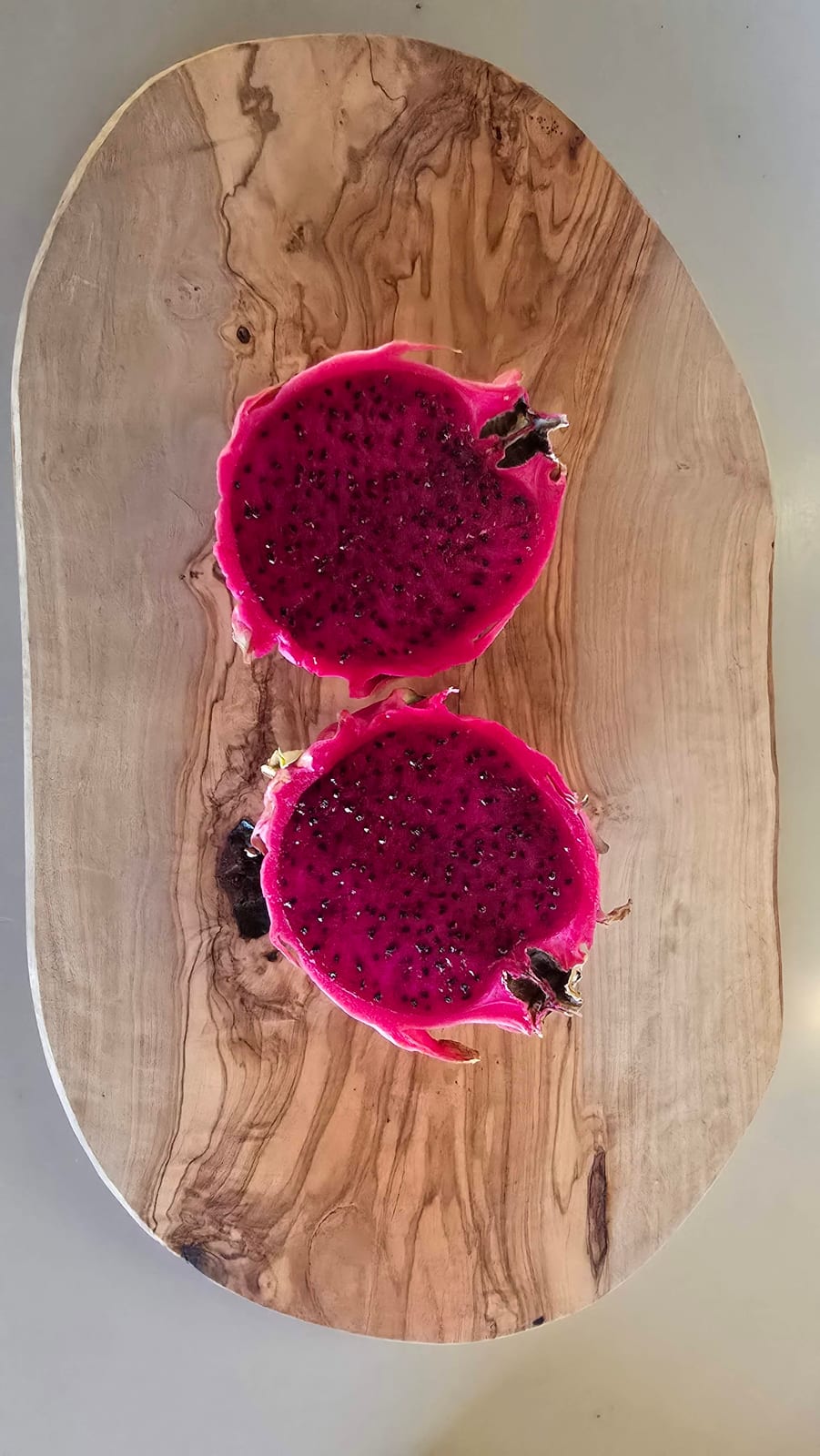
Flavor, sweetness, and fruit quality
White-flesh dragon fruit usually sits in the 12-14° Brix range, which explains why it tastes lighter than red-flesh or highly selected specialty cultivars. That lower sugar level is not a flaw. It is simply the profile of the fruit type. Vietnamese White usually wins on freshness, crunch, and easy eating rather than intense candy sweetness.
If you want a deeper flavor profile, compare it with other cultivars in our dragon fruit varieties guide. If you want the growing basics that make any cultivar perform better, our dragon fruit care guide covers the fundamentals.
Growing conditions that actually matter
Vietnamese White performs best when nights stay warm and the plant is never forced to sit wet for long. The sweet spot is roughly 65-85°F, with growth slowing as temperatures fall. Below 50°F the plant becomes less active, and prolonged exposure below 40°F is where damage risk jumps.
Soil should drain fast but still hold enough moisture to avoid stress. A slightly acidic pH between 5.5 and 6.5 is the cleanest target. That pH window keeps micronutrients like iron and manganese available, which matters when you are pushing a vine to bloom and set fruit.
Sunlight and spacing
Give it full sun to partial shade in the hottest inland sites. In Escondido and other inland Southern California gardens, afternoon shade can reduce sunburn during peak summer heat. Bob Wells Nursery recommends spacing plants about 10 feet apart depending on pruning style, which is a good rule when you want airflow and room for canopy management.
Fertilizer
For home growers, a balanced NPK such as 6-6-6 or 10-10-10 is a practical starting point. Heavy nitrogen is not the goal. You want steady vegetative growth, strong stems, and enough phosphorus and potassium to support flowering and fruit fill. Overfeeding soft growth usually creates more pruning than fruit.
How Vietnamese White compares to other cultivars
Vietnamese White is not the flashiest dragon fruit, but it is one of the most useful. Compared with red-flesh showpieces like American Beauty, it is milder. Compared with yellow dragon fruit, it is easier to source and usually easier to establish. Compared with many specialty cultivars, it is more forgiving and more predictable.
| Variety | Flesh color | Flavor | Pollination | Best use |
|---|---|---|---|---|
| Vietnamese White | White | Mild, refreshing | Self-fertile | Beginner plant, reliable fruiting |
| American Beauty | Red | Deeper, earthier | Self-pollinating | Color and flavor contrast |
| Yellow dragon fruit | White | Sweet, tropical | Often needs more care | High-interest specialty planting |
How we grow it at Sky Botanicals
At Sky Botanicals in Escondido, we treat Vietnamese White as a workhorse cultivar. It fits the reality of USDA zone 10a: warm days, occasional cool snaps, and long season windows that reward consistent pruning and watering. On our farm, the plant earns its keep because it teaches new growers the basics without demanding perfect technique.
That matters if you are building a collection of 50+ varieties. Every serious collection needs a dependable baseline plant, and Vietnamese White is often that baseline. It fruits, it pollinates, and it gives you a clear read on whether your light, water, and fertility are dialed in.
Buying tips
Buy a healthy plant with firm green stems, no soft spots, and visible nodes that show active growth. If the listing says self-fertile or self-pollinating, that is a useful sign, but the plant still needs warmth, sunlight, and decent nutrition to produce. If you are choosing between a tiny cutting and a rooted plant, the rooted plant is usually the safer path for beginners.
FAQ
Is Vietnamese White self-fertile?
Yes. Nursery listings consistently describe it as self-fertile or self-pollinating, so it can set fruit without a second cultivar.
What USDA zone is Vietnamese White best for?
It is commonly listed for USDA zones 9-11, with best results in zones 10-11 where winter cold is less of a problem.
What does Vietnamese White taste like?
Mild, lightly sweet, crisp, and refreshing. It is usually less intense than red-flesh specialty cultivars.
What pH should I target?
About 5.5-6.5. That keeps nutrient availability in a good range for active growth.
What fertilizer should I use?
A balanced fertilizer like 6-6-6 or 10-10-10 is a sensible starting point for home growers.
Can I grow it in a container?
Yes. It is commonly sold as container-friendly, especially when trained on a trellis or support post.
Will it survive cold weather?
It can handle brief cool weather, but prolonged exposure below 40°F is risky, especially for young plants.
If you want the broader context before choosing a cultivar, start with our complete varieties guide and then compare Vietnamese White against other options. That is the fastest way to match fruit, flavor, and climate to the plant you will actually grow.