San Ignacio Dragon Fruit: Taste, Pollination & Growing
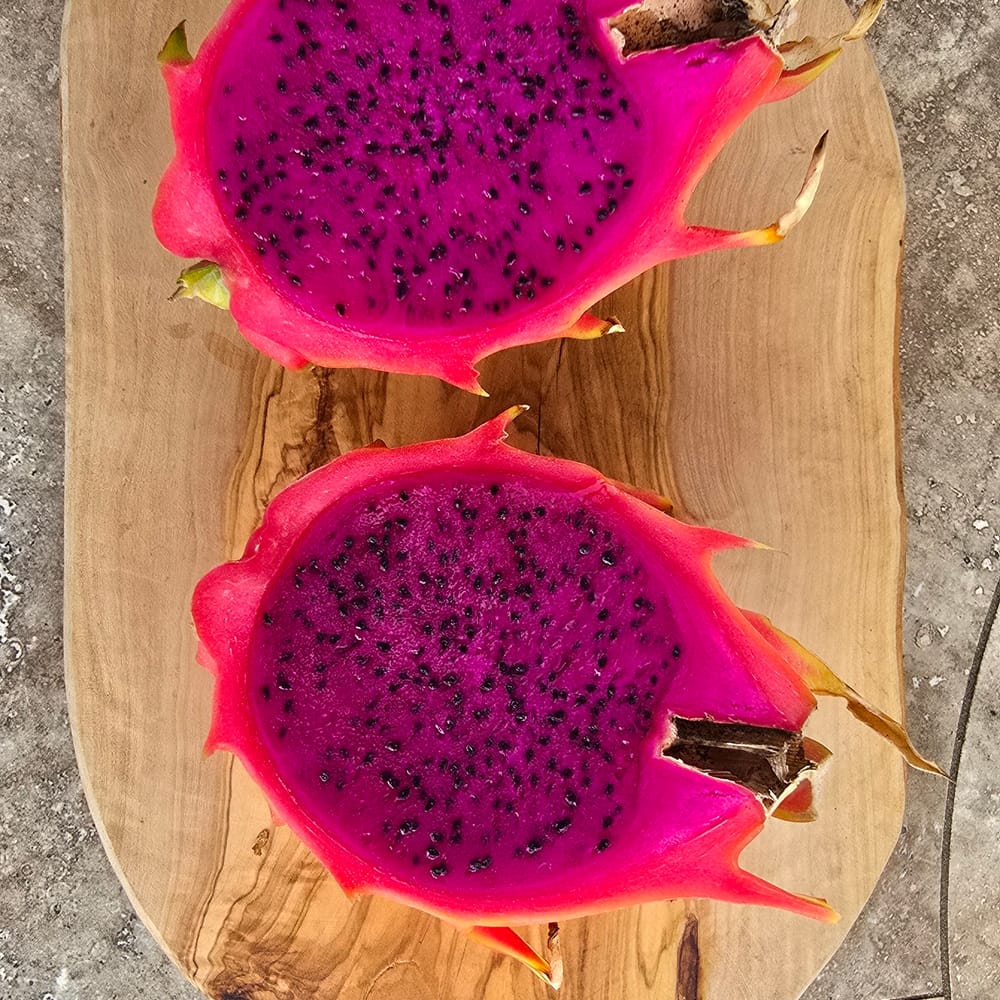
San Ignacio is a Nicaraguan red-fleshed dragon fruit known for large fruit, deep red flesh, and a sweet berry flavor. It offers a bold alternative to milder white varieties. However, its pollination habits are disputed. We do not stock San Ignacio cuttings. If you want that deep red flesh and reliable sweetness without the pollination guesswork, try our Robles Red.
What Does San Ignacio Taste Like?
San Ignacio delivers a bold flavor profile that stands apart from the milder white-fleshed varieties. The flesh offers a distinct sweet berry taste. This intensity makes it a stronger choice for growers who find standard dragon fruit too bland. The texture includes small black seeds that add a pleasant snap to every bite. The flavor has depth beyond simple sweetness. If you prefer a fruit with character over a neutral palate, this variety hits the mark.
Pollination: One Plant or Two?
The debate over San Ignacio fertility is real. Reputable sources like Cal Poly Pomona, Foraged, and Tasty Dragons list it as self-fertile. Spicy Exotics takes the opposite view, calling it self-sterile and recommending a partner variety for reliable fruit set. This split in expert opinion means you cannot rely on a single answer.
In practice, some San Ignacio plants will self-set fruit. Others will bloom profusely and drop every flower. Because the genetics can vary by cutting source, guessing is a risky strategy for a home gardener. You want a harvest, not a science experiment.
Pro Tip: Do not wait for nature to decide. Hand pollination is the only way to guarantee fruit set on disputed varieties. It takes two minutes and saves you months of uncertainty.
If you prefer a hands-off approach, plant a second red-fleshed variety nearby. Cross-pollination often improves fruit shape and size. You can find compatible partners in our Self-Pollinating Dragon Fruit Varieties: Complete List. Just ensure the bloom times overlap.
How to Grow San Ignacio Dragon Fruit
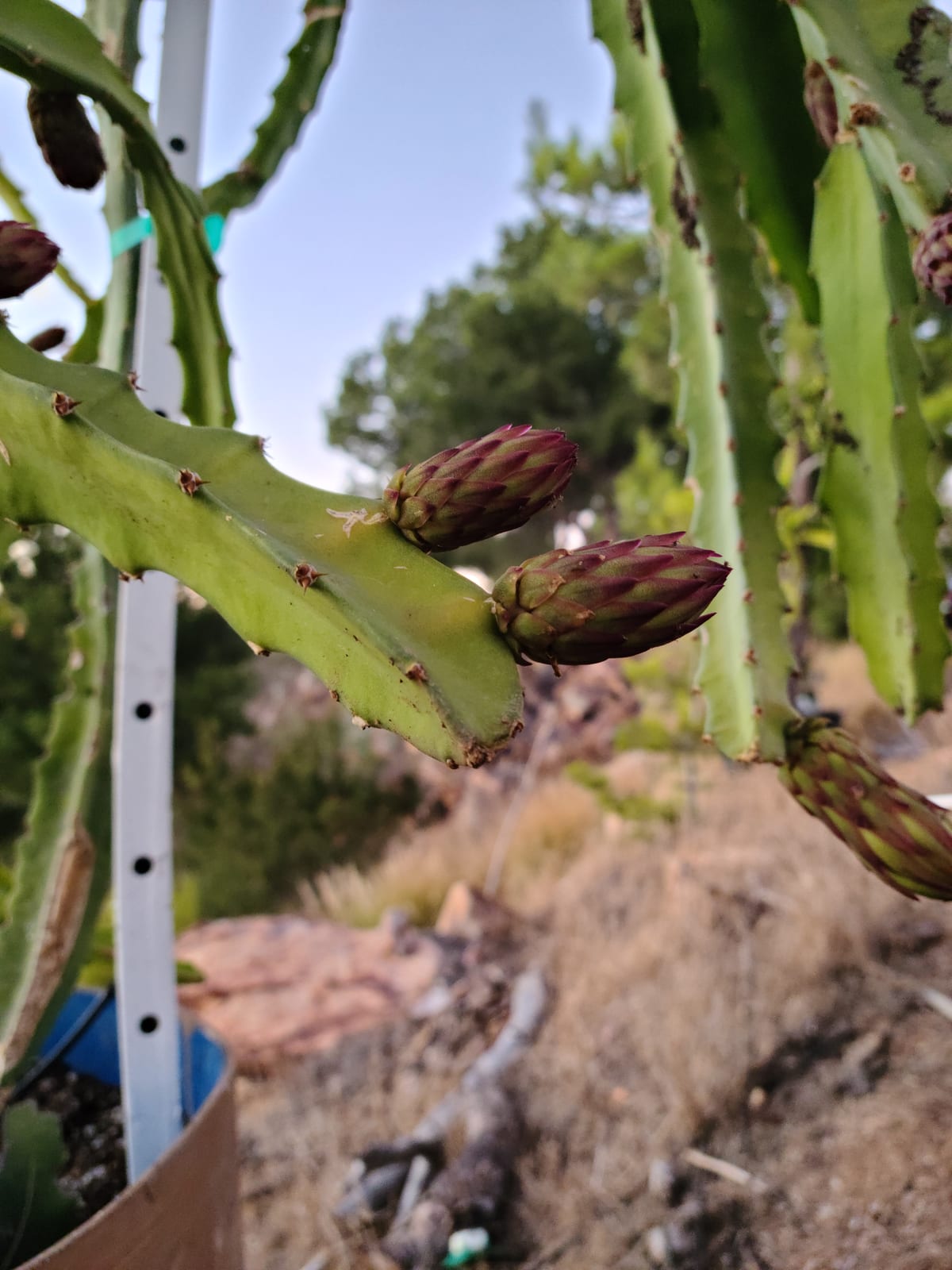
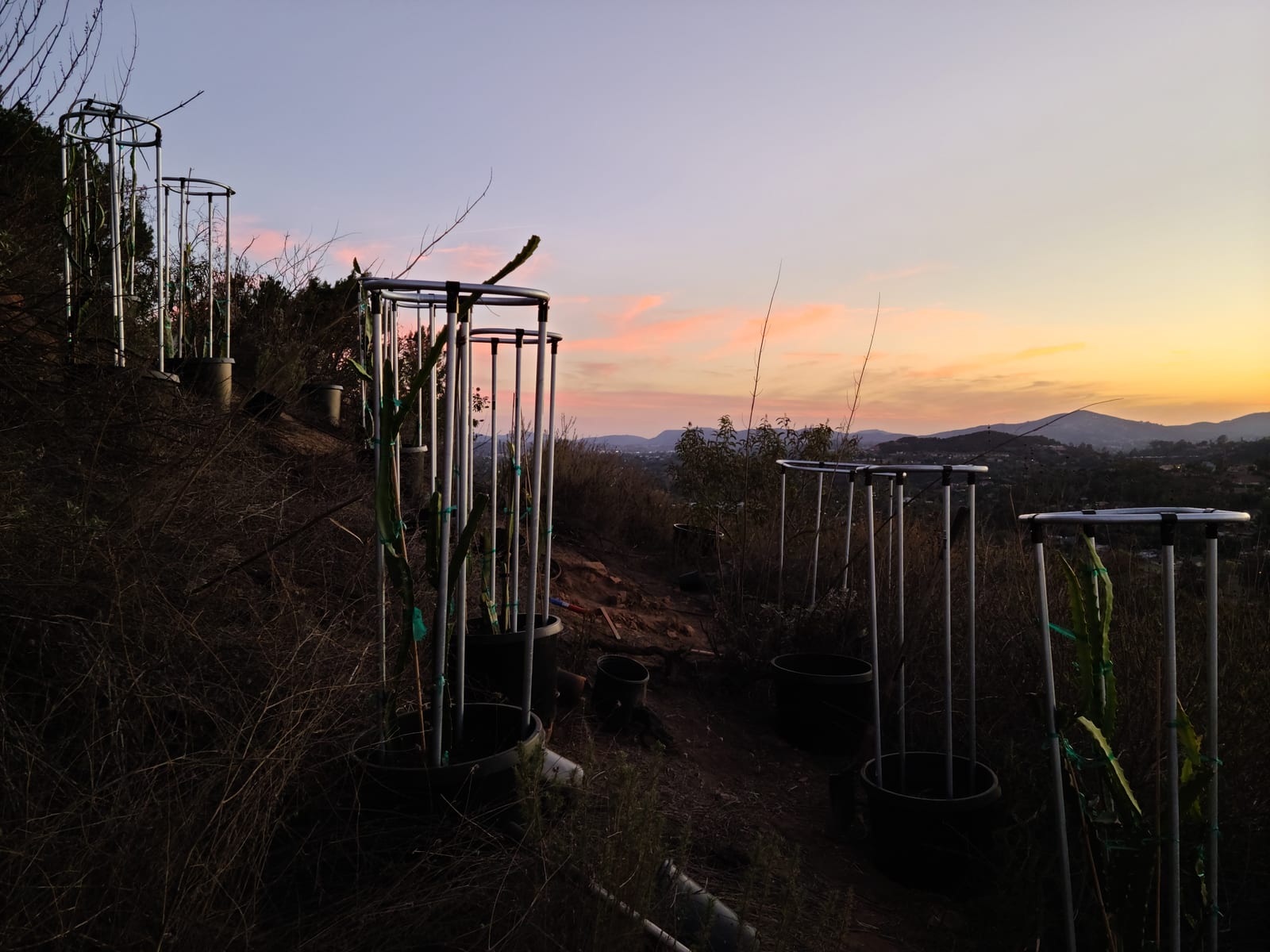
San Ignacio vines are vigorous growers. Strong, bright green, three-sided stems carry small but noticeable spines that require care during pruning. Because these vines get heavy with fruit, you need a strong trellis. A weak support will snap under the weight of mature stems and large fruit.
Plant in full sun to very bright light. The plant thrives in warm conditions. Use a soil mix with fast drainage. Dragon fruit roots rot quickly in wet soil. Keep the medium loose and airy.
Feed the plant lightly but regularly during active growth. A balanced fertilizer supports new stem development. Avoid heavy nitrogen doses that encourage weak, leggy growth at the expense of fruit quality.
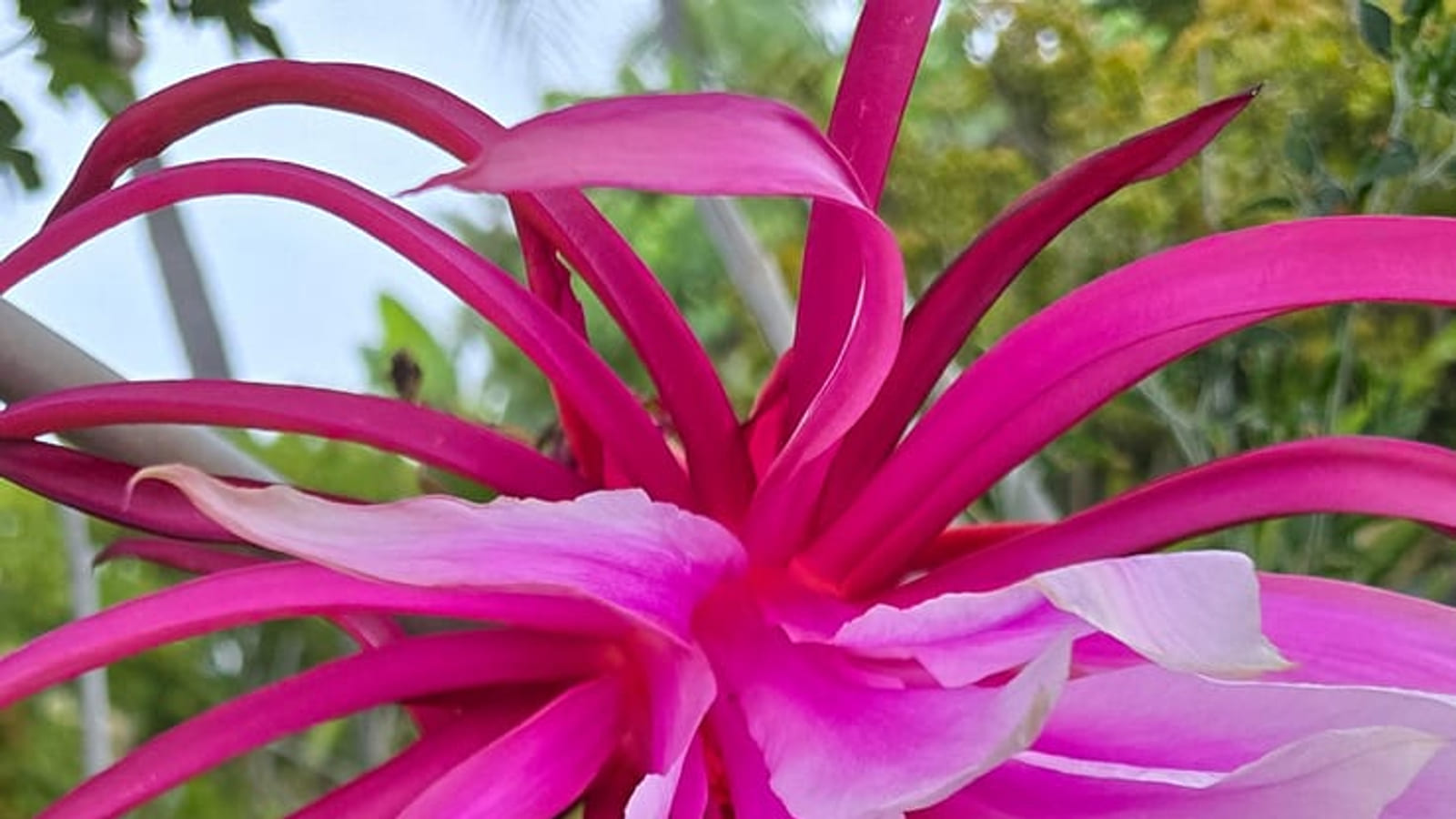
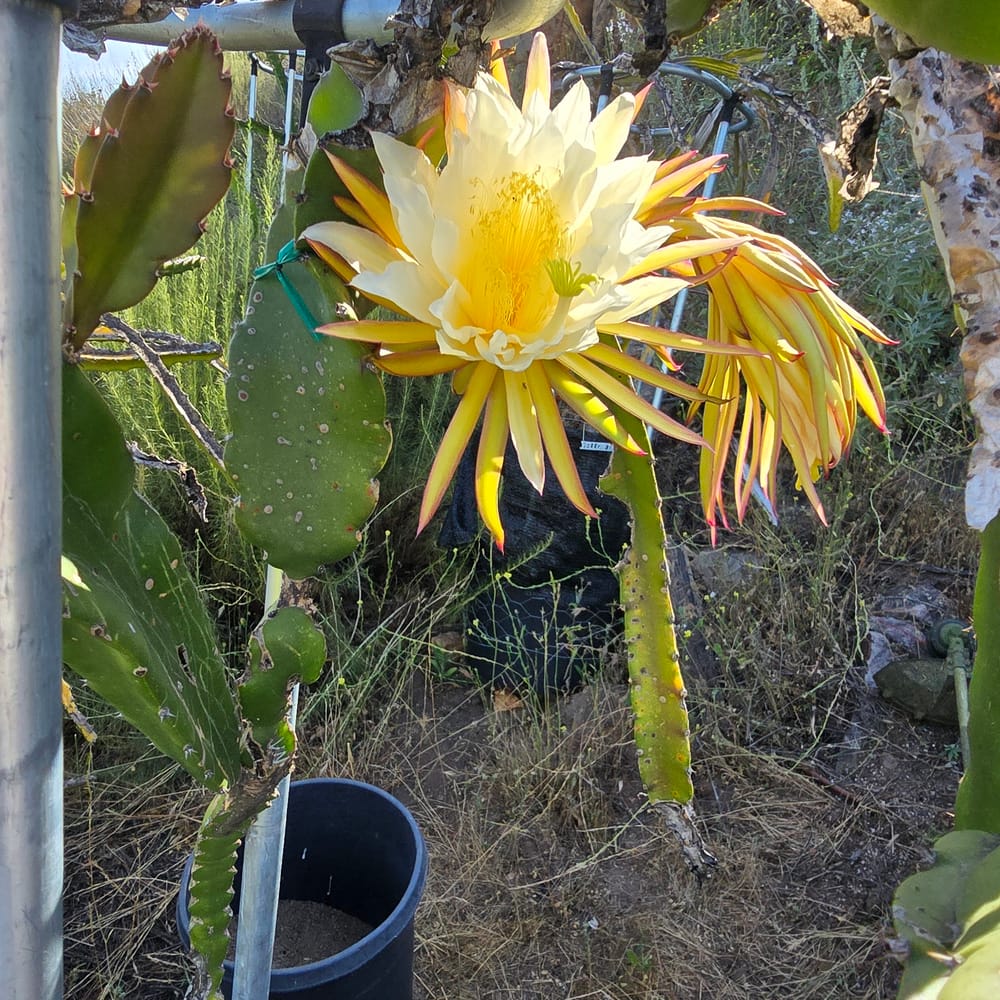
The flowers open at night. They are large, nocturnal, and show white inner petals with yellow and red outer petals. This behavior is typical for the species. Ensure your pollination strategy aligns with this timing. Hand pollination works best in the evening when the flowers are fully open.
Prep tip: Always cure cuttings before planting. Let the cut ends dry and callus for a few days. This prevents rot and helps the cutting establish roots faster.
Established plants develop a waxy film on the stems. This coating may aid in heat and frost tolerance. It is a sign of a healthy, mature vine.
San Ignacio vs. Other Red Dragon Fruit Varieties
Choosing the right red dragon fruit depends on your pollination setup and flavor goals. San Ignacio sits in a unique spot. It offers large fruit and deep color but comes with that fertility debate. DNA testing from Tasty Dragons links San Ignacio to the Armando variety. This genetic tie helps explain its vigor and fruit characteristics.
| Variety | Flesh Color | Sweetness | Fruit Size | Fertility |
|---|---|---|---|---|
| San Ignacio | Deep red | Sweet berry | Large | Disputed |
| Robles Red | Red | Balanced | Standard | Self-fertile |
| Valdivia Roja | Red | Very sweet | Standard | Self-fertile |
Best Alternative We Stock
We do not sell San Ignacio cuttings. You can still get that deep red flesh and reliable harvest with varieties we do carry. Robles Red is our top recommendation. It is a self-fertile red-fleshed dragon fruit. The flavor is balanced and the fruit set is consistent. You get the color you want without the pollination guesswork.
Valdivia Roja is another strong option. Choose this variety if you want a bigger sweetness push. It handles heat well. The fruit is red-fleshed and reliable. Both varieties remove the uncertainty of San Ignacio fertility debates.
| Variety | Flesh Color | Fertility | Flavor Note |
|---|---|---|---|
| Robles Red | Red | Self-fertile | Balanced |
| Valdivia Roja | Red | Self-fertile | Sweeter |
See our Self-Pollinating Dragon Fruit Varieties: Complete List for more options. These varieties perform well in home gardens. They offer predictable results.
Key Takeaways
San Ignacio stands out for its large size and deep red flesh. The flavor is distinctly sweet with berry notes. This makes it a strong choice for growers who want intensity. The main challenge is the uncertainty around pollination. Some sources claim it is self-fertile. Others insist it needs a partner. This split in expert opinion means you cannot rely on a single answer.
Plan for the worst case to ensure a harvest. Hand pollination is the safest bet. It takes only a few minutes. Planting a companion variety is another solid option. This approach removes the guesswork. You get fruit regardless of the plant's specific genetics.