Natural Mystic Dragon Fruit: Self-Fertile & Sweet
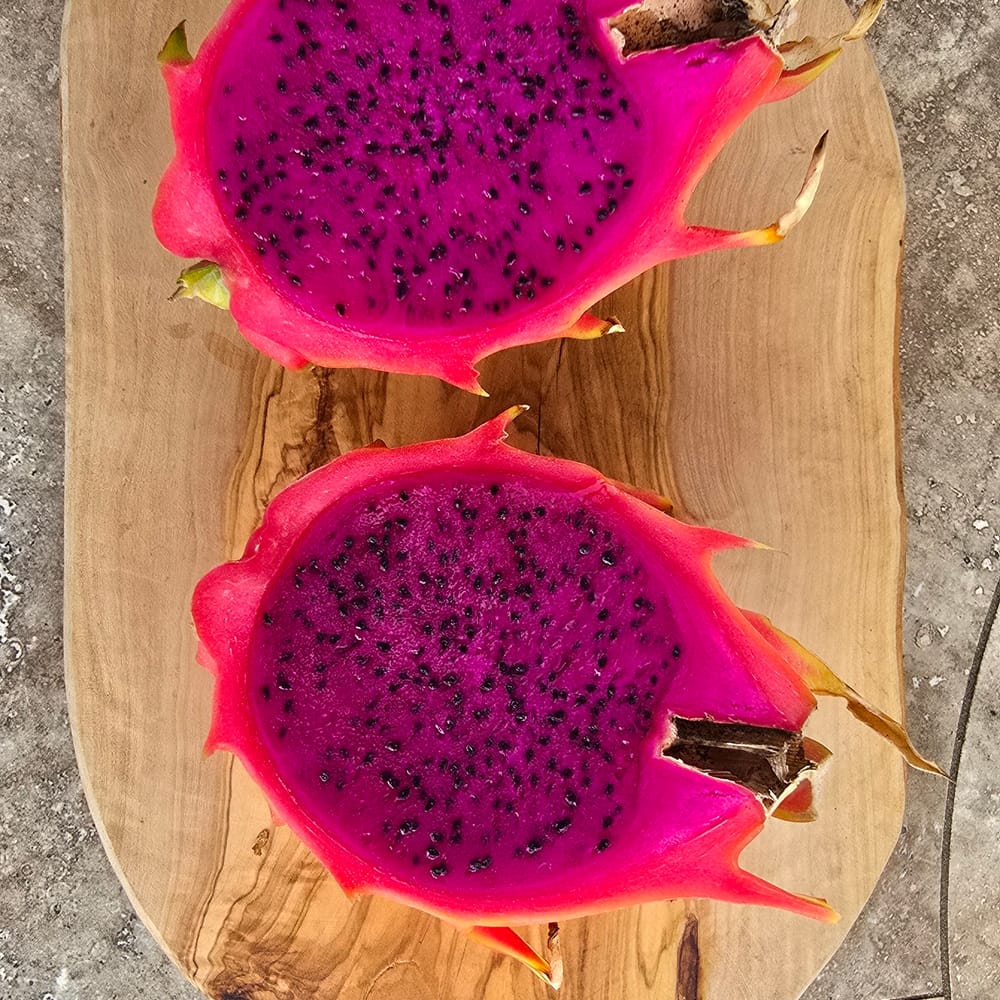
You want a red-fleshed dragon fruit that sets fruit on its own without needing a pollinator partner. Natural Mystic delivers exactly that. This self-fertile hybrid combines Hylocereus polyrhizus and Hylocereus undatus genetics. It produces dark magenta flesh with a distinct watermelon flavor. The sugar content ranges from 15 to 21 Brix. It is one of the few red-fleshed varieties that is truly self-fertile. You get reliable harvests from a single plant.
Natural Mystic Dragon Fruit at a glance
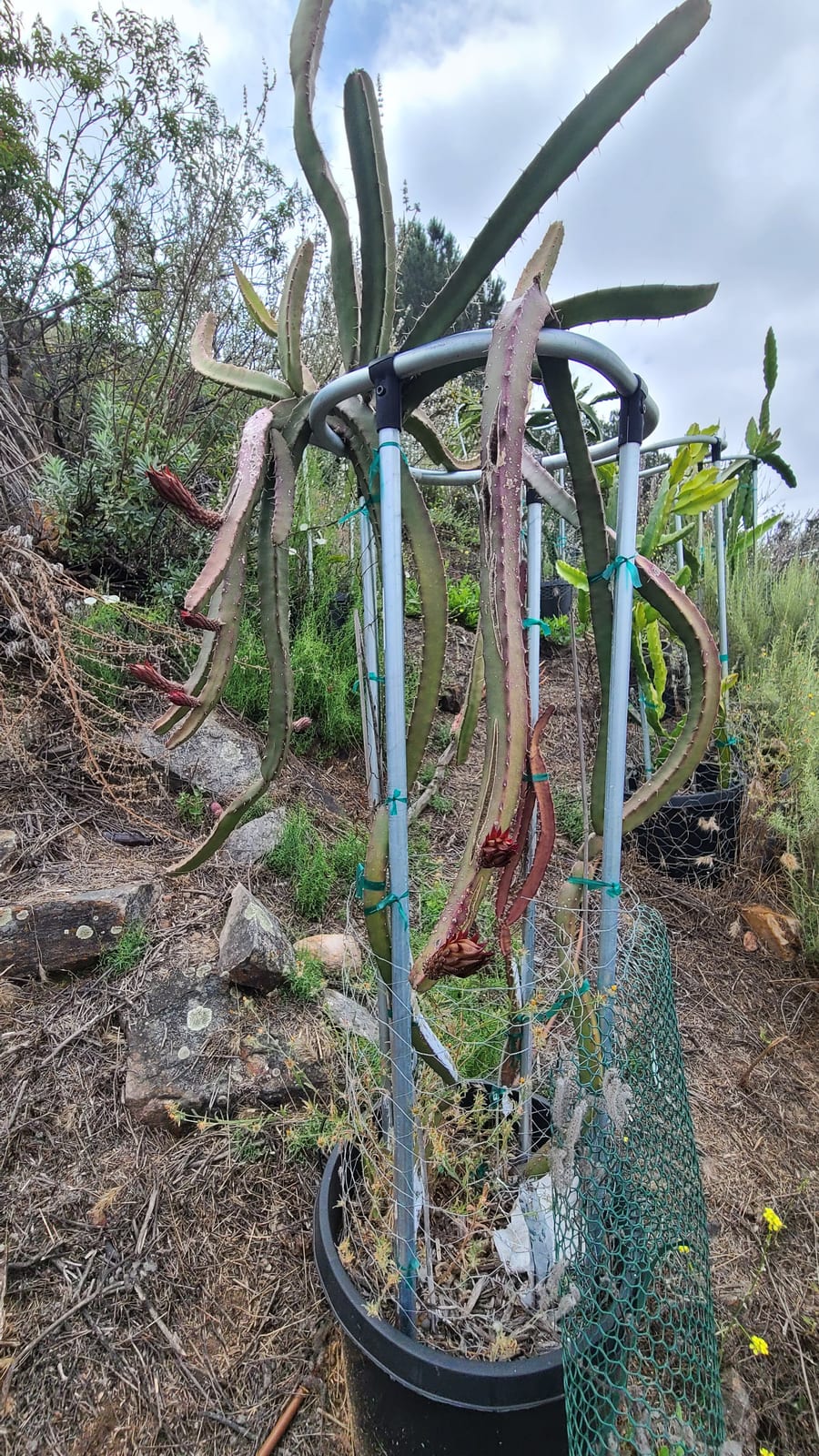
The physical structure of Natural Mystic supports its heavy fruit load. Meaty, three-sided stems grow in long, aggressive climbing segments. Small to medium spines dot the ridges but do not pose a major handling hazard. This vigorous growth habit means you need a sturdy trellis to support the weight as the plant matures.
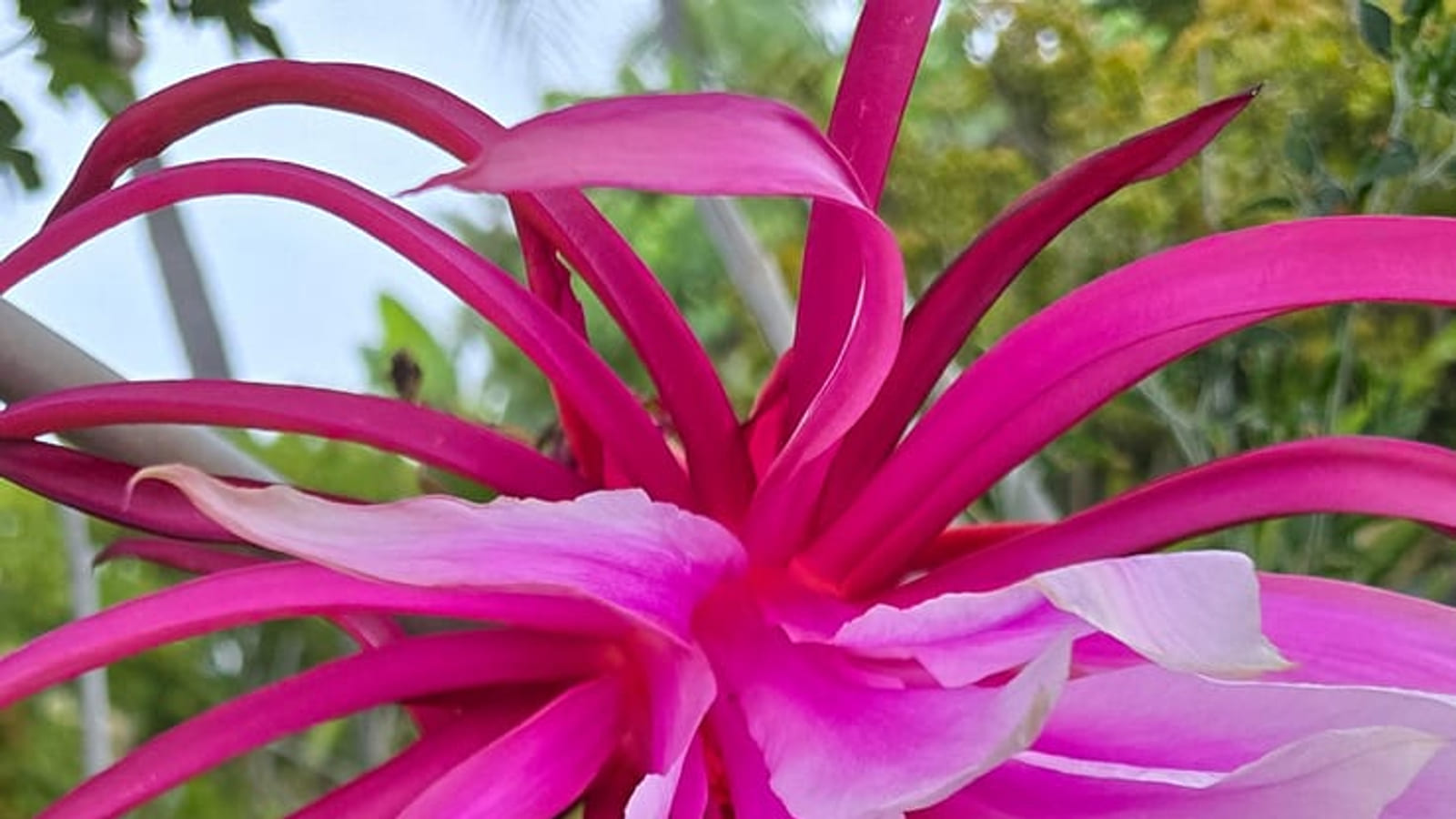
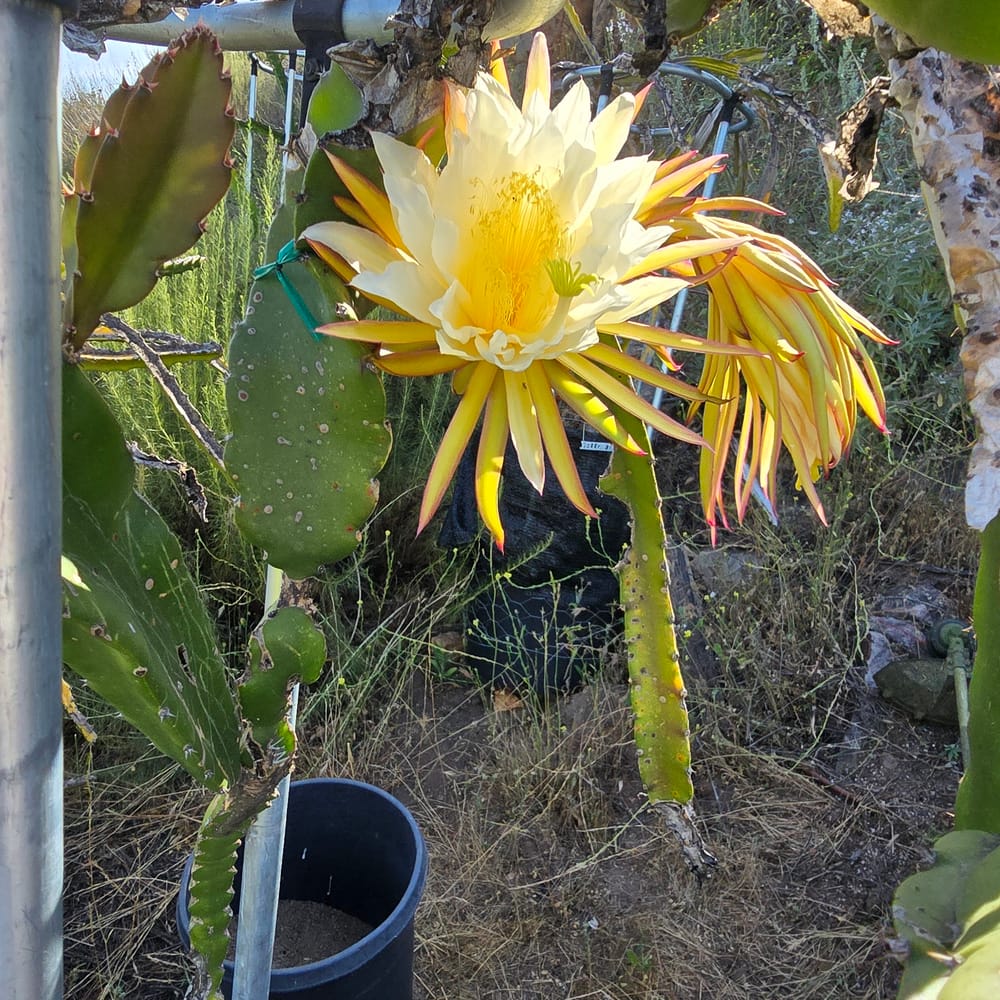
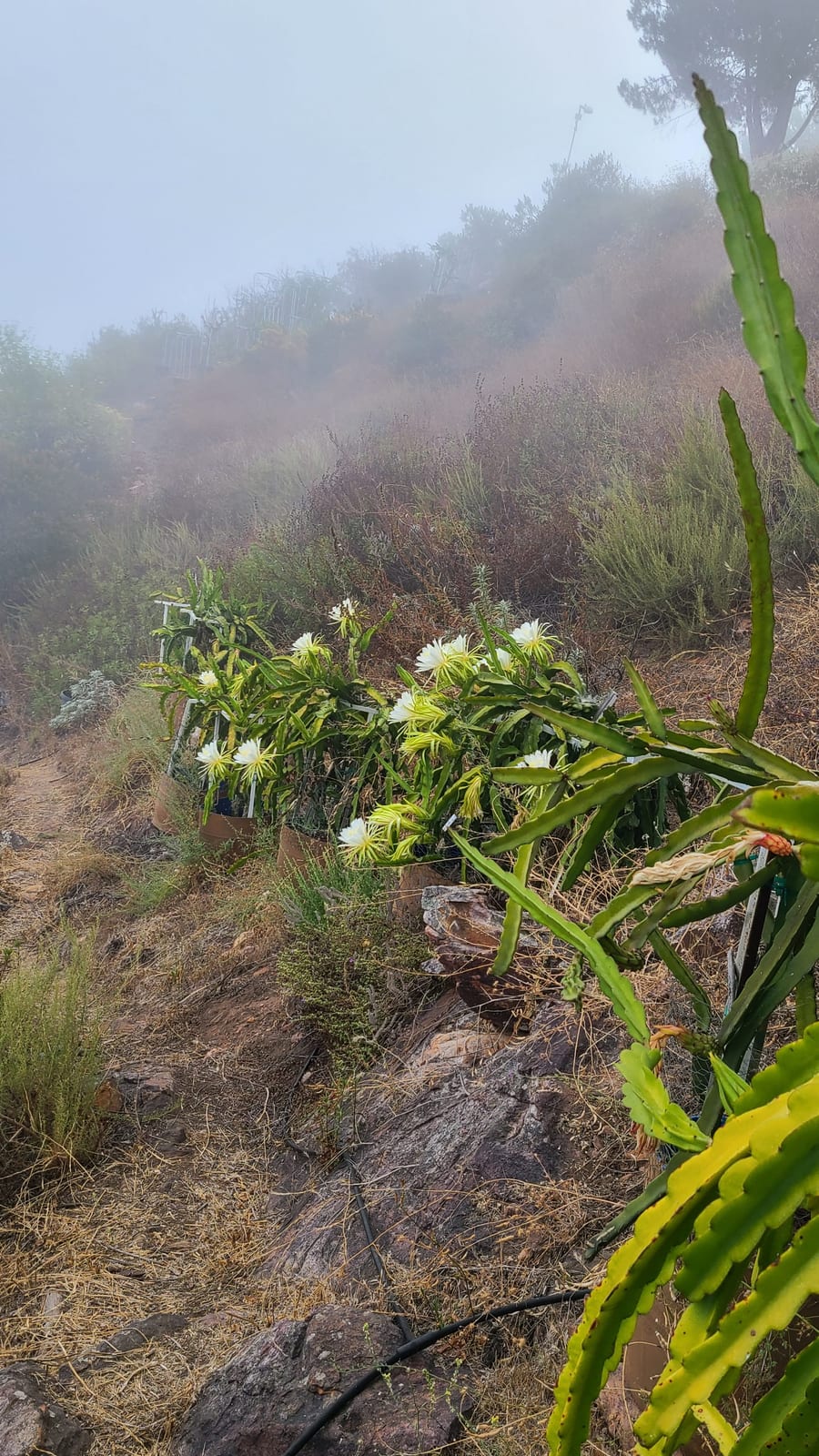
The flowers are a spectacle in themselves. They are large blooms with pure white inner petals. The outer tips fade from yellow to red as the flower ages. These blooms open a couple of hours after dusk. They release a strong fragrance that attracts nocturnal pollinators. The plant produces abundant pollen. This makes it a valuable partner for other varieties that require cross-pollination. Compare this to American Beauty.
Taste and Texture: What Makes Natural Mystic Special
The flavor profile of Natural Mystic stands out for its depth and balance. You get a taste that ranges from semi-sweet to intensely sweet. The primary note is watermelon, supported by subtle cherry undertones. Acidity is very low, which makes the fruit smooth and easy to eat. The flesh is firm rather than watery. This texture holds up well when sliced or added to salads.
Timing affects the sugar content significantly. Brix improves with longer ripening on the vine. The contrast between the sugar and the crisp texture creates a refreshing eating experience.
| Variety | Flavor Profile | Acidity | Texture |
|---|---|---|---|
| Natural Mystic | Watermelon, Cherry | Very Low | Firm |
| Typical Red-Fleshed | Mild, Floral | Medium | Soft |
Many red-fleshed varieties lean toward mild or floral notes with higher acidity. Natural Mystic offers a richer, fruit-forward taste. Natural Mystic remains a top choice for growers who want intense sweetness without the tart bite.
How to Grow Natural Mystic from a Cutting
Starting Natural Mystic from a cutting is straightforward because the variety roots with exceptional ease. You will see a spontaneous rooting rate greater than 98% when you follow the basic protocol. This high success rate makes it a forgiving choice for new growers.
- Select a healthy, mature segment. Ensure the stem is firm and free of soft spots or rot.
- Allow the cutting to cure for two weeks in a shaded, dry area. This step helps the cut end callous over before it touches soil.
- Prepare a well-draining cactus mix amended with perlite and organic matter. Good drainage is critical to prevent root rot.
- Insert the cutting about 1 inch deep into the pot. Make sure at least one node is buried to encourage root formation.
- Water lightly to settle the soil. Avoid soaking the mix immediately after planting.
Once established, place the plant in a location that receives 6 to 8 hours of direct sunlight daily. This light exposure is necessary for strong flowering and fruiting.
As the new growth emerges, provide a sturdy trellis for support. Natural Mystic develops vigorous, meaty stems that climb aggressively. A heavy support structure prevents the plant from collapsing under its own weight as it matures.
Flowering, Pollination, and Harvest
The blooms open shortly after dusk. They are large, fragrant, and short-lived. Because Natural Mystic is self-fertile, you do not need a second plant to set fruit. However, the flowers produce a heavy load of pollen. This makes your plant a valuable asset if you grow self-sterile varieties nearby. The pollen transfers easily to other types, boosting their fruit set.
You can improve fruit size and sweetness with manual intervention. Hand pollination ensures every flower gets fertilized. Combine this with bud thinning to direct the plant's energy. Remove excess buds early in the season. Leave only the strongest flowers on each stem. This practice results in significantly larger fruit with higher Brix scores. The plant focuses its resources on fewer, higher-quality fruits.
- Identify healthy flower buds before they open.
- Remove weak or clustered buds to leave one per node.
- Hand pollinate the remaining flowers using a small brush.
- Monitor the developing fruit for even growth.
Timing is critical for harvest. The fruit ripens 35 days after pollination in warm climates. Watch the skin color closely. It shifts from green to pinkish-red as the sugars develop. Summer heat accelerates the process. Check your plants frequently once the fruit reaches full size. Harvest promptly to preserve the flesh and prevent loss.
| Stage | Action | Result |
|---|---|---|
| Bloom | Hand pollinate | Guaranteed fruit set |
| Early Fruit | Thin buds | Larger fruit size |
| Ripening | Monitor daily | Prevent rupture |
| Harvest | Pick at color change | Peak sweetness |
Natural Mystic vs. American Beauty: Which Red-Fleshed Variety?
Both Natural Mystic and American Beauty are self-fertile red-fleshed varieties. They set fruit reliably without a pollinator partner. The choice often comes down to flavor preference and plant structure. See the American Beauty Dragon Fruit Cutting for more details on that variety.
| Feature | Natural Mystic | American Beauty |
|---|---|---|
| Flesh Color | Red | Red |
| Pollination | Self-fertile | Self-fertile |
| Stem Structure | Meaty, thick | Varies |
| Flavor Profile | Watermelon | Varies |
| Sugar Potential | Up to 21 Brix | Varies |
| Disease Susceptibility | More susceptible to rust | Varies |
Natural Mystic builds a robust framework with its meaty stems. These thick segments support heavy fruit loads well.
The flavor difference is distinct. Natural Mystic offers a clean watermelon taste. It also reaches higher sugar levels. Growers report Brix scores up to 21 for Natural Mystic.
Natural Mystic is more susceptible to rust during rainy seasons. Use well-draining compost-rich soil to help control this issue. Poor drainage invites fungal problems.
Growers rate Natural Mystic highly for consistency. It holds a 4.67 out of 5 rating on Spicy Exotics. This feedback reflects its reliable production and fruit quality.
Common Growing Challenges
Even a vigorous variety like Natural Mystic faces specific hurdles. The most immediate threat is physical damage to the fruit. Leaving ripe fruit on the vine during summer heat causes it to rupture. This is not just a cosmetic issue. It invites mold and pests. Check your plants frequently once the fruit reaches full size. Harvest promptly to keep the skin intact.
Disease and Soil Management
Rainy seasons bring a different set of problems. Natural Mystic is susceptible to rust when humidity stays high for extended periods. The key to prevention is soil structure. You need a well-draining mix rich in compost. This allows water to move through the root zone quickly. Standing water leads to root rot, which kills the plant from the bottom up. Ensure your pot or garden bed has excellent drainage. If the soil stays soggy, the roots cannot breathe.
Watch for yellowing stems. This is often a sign of nitrogen deficiency. Apply balanced nutrients during the active growing season to maintain healthy green growth.
Pest Control
Insects can weaken the vine if left unchecked. Inspect stems regularly for signs of infestation. Treat issues early to prevent major losses.
| Issue | Signs | Solution |
|---|---|---|
| Rust | Stem discoloration | Well-draining soil, air circulation |
| Root Rot | Soft, mushy base, yellowing | Reduce watering, improve drainage |
| Fruit Rupture | Split skin, leaking flesh | Harvest promptly at maturity |
Temperature stress also plays a role. Natural Mystic thrives between 65 and 85 degrees Fahrenheit. It is sensitive to frost. Protect the plant if temperatures drop near freezing. Cold damage weakens the stems and makes them more vulnerable to disease. Consistent warmth supports steady growth and fruit set.
Key Takeaways
Natural Mystic traces its path to commercial fields in Homestead, Florida. Spicy Exotics originally collected the variety from a grower in Louisiana. This lineage explains its vigor and reliability in warm climates. It remains a top choice for growers who want self-fertile red-fleshed dragon fruit with high sweetness.