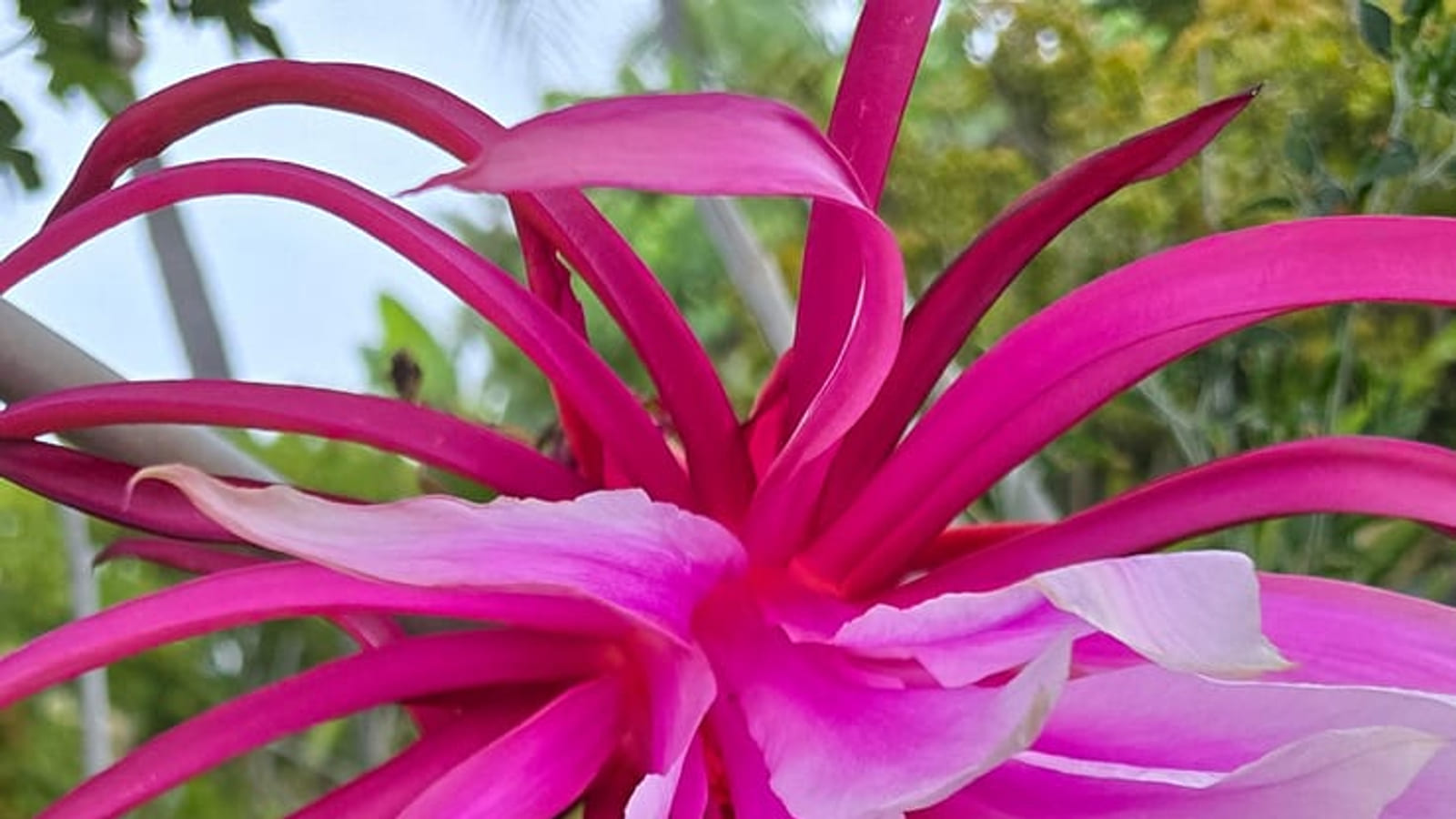
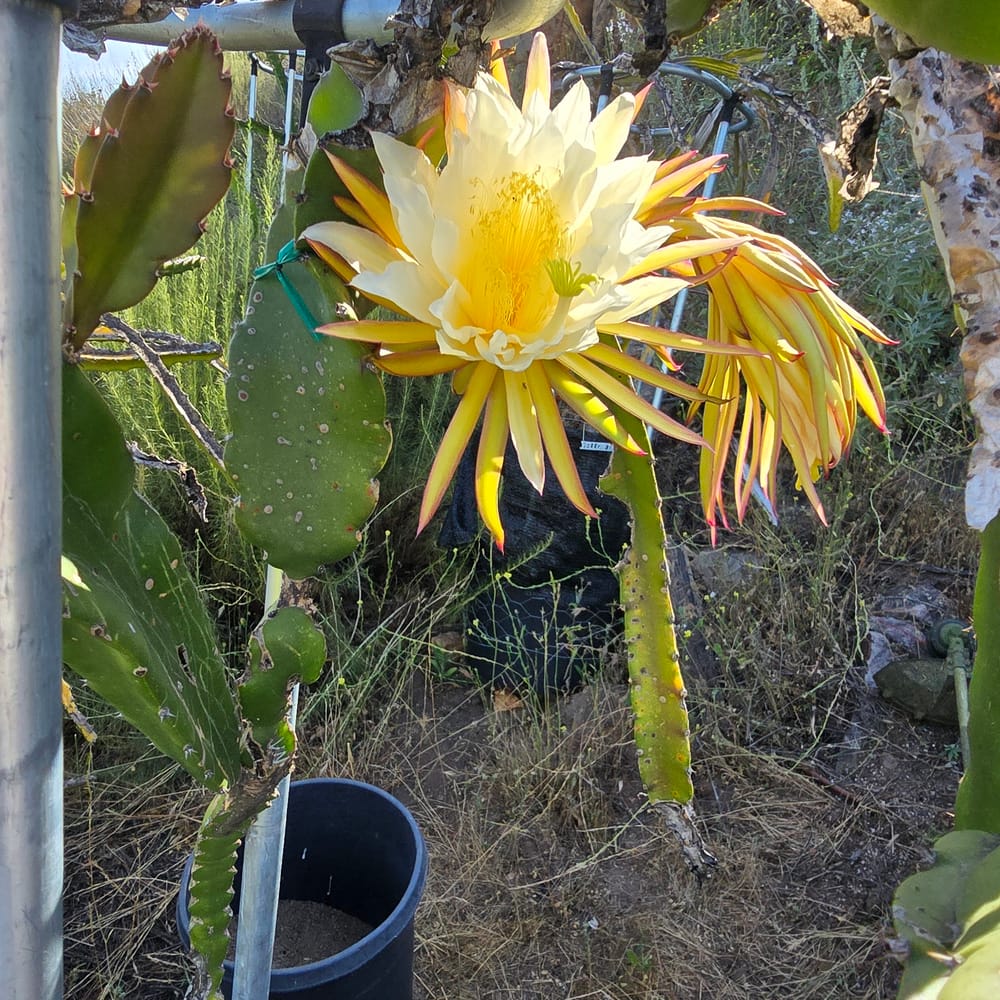
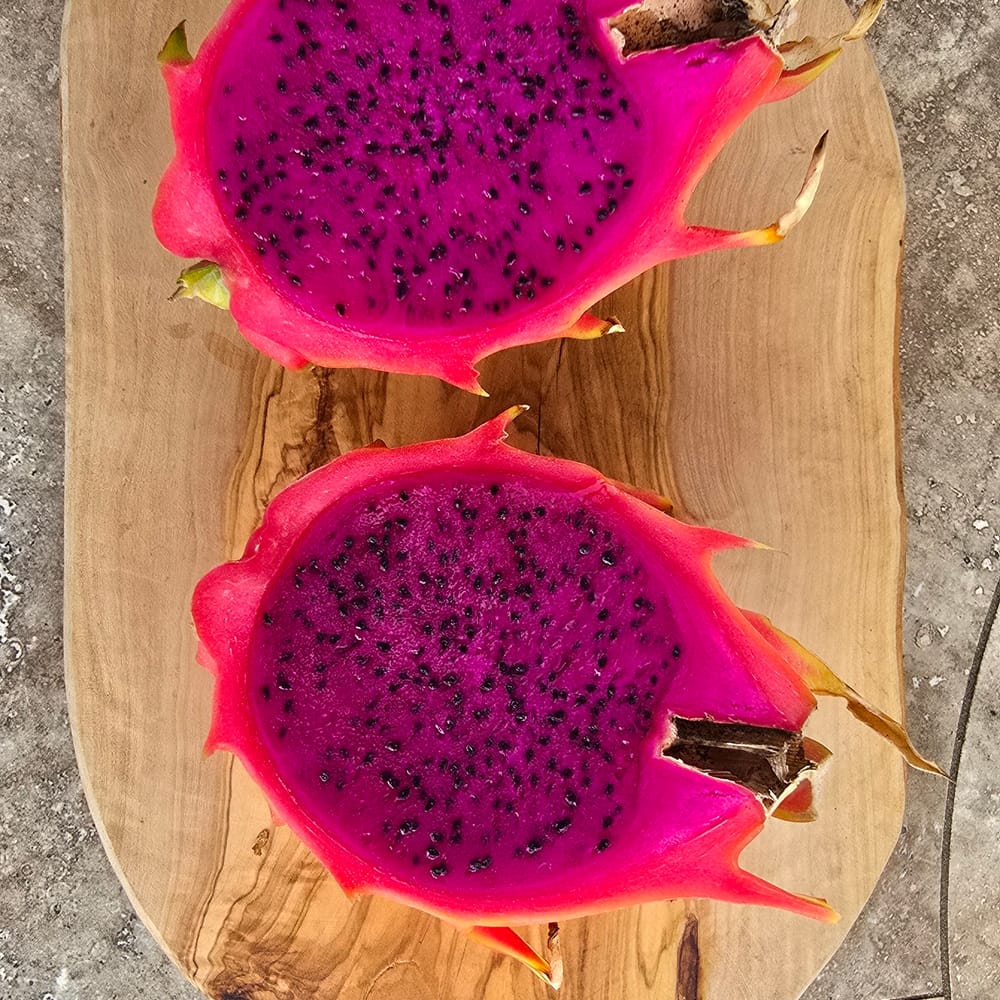
American Beauty Dragon Fruit Cutting: Rooting Guide
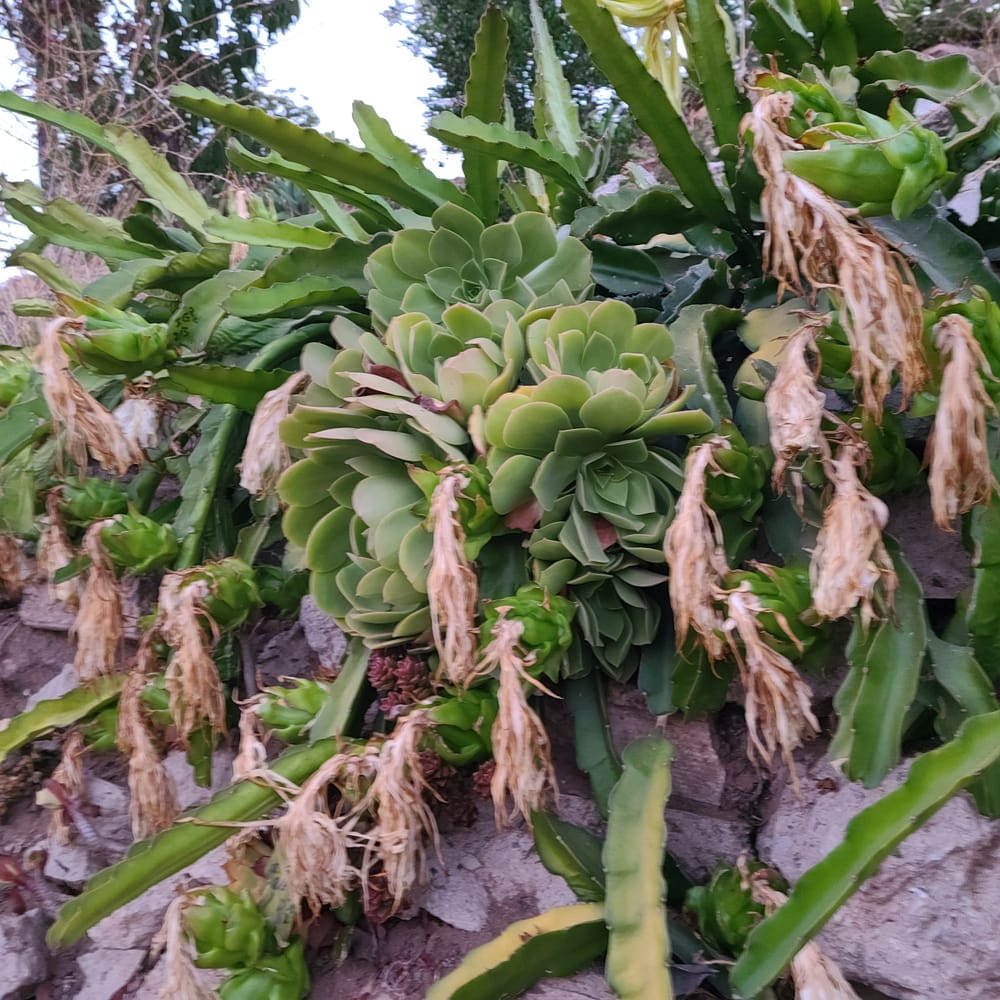
Cure the cut end in shade for about a week to prevent rot. Once the wound dries, plant the cutting upright in a fast-draining cactus mix with only a few centimeters of stem buried. This variety roots best in spring or summer when warmer temperatures accelerate growth and lower the risk of decay.
What You Get With a American Beauty Cutting
When your order arrives, you will receive a firm stem segment with a dry, callused end. The cutting represents a Hylocereus guatemalensis hybrid often called Bien Hoa Red or Quang Ong Self Fertile. The branches tend to be skinny and spindly. The thorns do not align on adjacent ribs, which gives the vine a distinct look.
The most practical trait for home growers is self-fertility. American Beauty can pollinate itself. You do not need a companion variety to set fruit. This makes it an ideal choice if you only have space for one plant. For the full details on flavor and appearance, read our American Beauty Dragon Fruit variety spotlight.
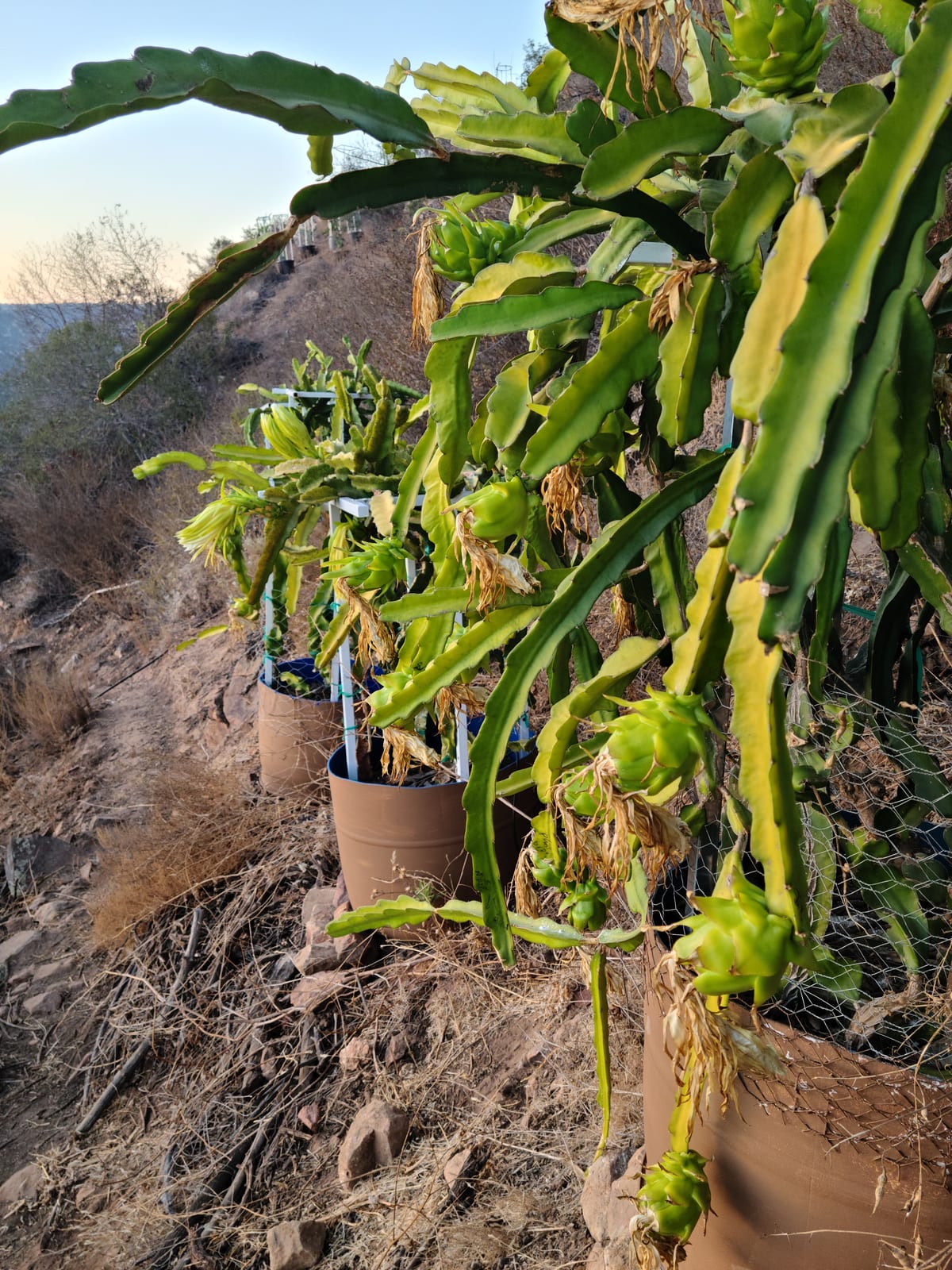
Rooting Your American Beauty Cutting Step by Step
While we recommend planting directly into soil for the strongest start, you have options. You can root the cutting in a pot, lay it on top of the soil, use water, or place it on a heat mat during winter months. Each method works if you keep the environment stable. Direct soil planting is usually the most reliable for home growers.
- Cure the cut end for about a week. This allows the wound to seal and harden.
- Pot the cutting in a cactus mix cut with perlite or pumice. This ensures fast drainage.
- Plant only a few centimeters deep and upright. Keep the stem vertical.
- Water sparingly. The soil should stay slightly moist but never soggy.
- Keep in bright light. This encourages energy production without stressing the new roots.
Check the orientation before you cover the stem. The spikes must face upward. If you plant the cutting upside down or sideways, it will not root. The plant needs to know which way is up.
Once you see new growth, the plant is ready for nutrients. A balanced 10-10-10 fertilizer blend works well for initial growth after rooting. This supports the early development of the vine.
Care While Your Cutting Establishes
Once your American Beauty cutting has rooted, shift its focus from survival to growth. Move the plant into full sun. Dragon fruit thrives with six to eight hours of direct light daily. This light intensity drives the energy production needed for vigorous vine development. As the stems lengthen, they will need support. Install a sturdy trellis or caged support early. A weak structure will fail under the weight of a mature vine. Check your local climate for temperature limits. This variety grows best in warm conditions typical of USDA Zones 10 and 11. Protect the plant from frost if you live in a colder area. Containers allow you to move the plant indoors during winter.
Watering habits must change as the plant matures. During the rooting phase, you kept the soil slightly moist. Now that roots are established, let the soil dry out more between waterings. Water deeply when the soil feels dry. This encourages roots to grow deeper and stronger. Avoid frequent shallow watering. It leads to weak root systems and potential rot. Adjust your schedule based on the season. Water more often in the heat of summer. Reduce frequency in cooler months. The plant will signal its needs through its stems. Healthy stems remain firm and green. Wrinkled stems indicate thirst. Soft or mushy stems indicate overwatering.
Monitor the soil moisture closely. It is better to underwater than to overwater. Let the soil dry out more between waterings in cooler weather.
As the vine climbs your trellis, it will begin to branch out. Focus on keeping the plant healthy and supported. A strong structure and consistent light will lead to a productive season.
When Will Your American Beauty Cutting Fruit?
American Beauty is an early budder. It often flowers alongside setaceus types like Sugar Dragon. This trait helps extend your overall fruiting season. You do not need to wait for a late-season variety to see results.
Speeding up this process comes down to light and nutrition. Move the plant into full sun as soon as it establishes roots. Six to eight hours of direct light drives the energy production needed for vigorous vine development. Without enough light, the plant stays vegetative longer. Feed it a balanced 10-10-10 fertilizer once new growth appears. This supports the early development of the vine and encourages flowering structures to form sooner.
American Beauty develops fruit slightly slower than average. Do not rush the harvest. Wait until the skin shows that distinctive green-to-pink gradient. Picking at peak ripeness ensures the best flavor.
Keep the plant warm during its first two winters. Cold stress delays maturity. A sturdy trellis helps the vine climb efficiently. Vertical growth exposes more stems to sunlight. More sun means more energy for flower production.