Venus Dragon Fruit: Sweet Red Flesh & Hardiness
If you want a reliable, sweet red-fleshed dragon fruit that can handle your climate, Venus is a top choice. This cultivar, bred in Israel, produces vibrant deep red fruit with a mild sweetness and slight tang. It is self-fertile, so a single plant can set fruit without needing a pollination partner. The flesh is firm and juicy with crunchy seeds.
Venus is known for its resilience in both hot and cold weather, though it may take a bit longer to begin fruiting than some other varieties. Because it is a specific cultivar, you should buy it as a cutting or rooted starter to ensure true-to-type growth. For general care tips on supporting your cactus vine, check out our guide to dragon fruit care.
Venus belongs to the Selenicereus costaricensis group, the species behind most red-fleshed pitayas. This lineage carries higher antioxidant and betalain pigment levels than white-fleshed types, with Ben-Gurion University research noting that H. costaricensis flesh contains roughly four times the betanin found in other varieties. The cultivar itself was developed by agricultural researcher Yosef Mizrahi at Ben-Gurion University, making it one of only two rare Israeli-bred dragon fruit varieties. Its counterpart, Bilu, features magenta flesh, while Venus offers the classic deep red profile.
On the vine, Venus produces fruit averaging about 1.3 lb (590 g). The skin is red or pink, wrapping a vibrant deep red interior. Taste testers describe the flavor as mildly sweet with a slight tang, often likening it to a cross between kiwi and pear with a subtle floral note. The texture remains firm yet juicy, punctuated by crunchy edible black seeds. With an average brix of about 18.2, it ranks among the sweeter red-fleshed options, though one nursery lists a slightly lower figure of 16.6%. Israeli growers rate its flavor and fruit size on par with Kesslau, though Venus tends to take a bit longer to begin fruiting.
Resilience is a standout trait for this cultivar. Compared to more delicate red-fleshed types, Venus handles both hot and cold weather with greater tolerance. In its native Israeli climate, the harvest window runs from June through the end of the year. Because the plant is self-fertile, a single vine can set fruit without a pollination partner, though hand pollination can still boost set and size. For a broader look at flavor profiles, see our guide to best-tasting-dragon-fruit-varieties.
Where Venus Comes From
Venus is a specific cultivar, not a wild species. That distinction matters for how you acquire the plant. Because the variety was developed through selective breeding by Yosef Mizrahi at Ben-Gurion University, it does not reproduce true from seed. If you plant a seed from a Venus fruit, the resulting offspring will likely revert to the broader characteristics of the parent species, Selenicereus costaricensis, rather than retaining the specific traits that define Venus. You might get a different fruit size, a different brix level, or a different hardiness profile. To ensure you are growing the exact cultivar known for its resilience and deep red flesh, you must start with vegetative material.
This is why Venus is sold primarily as cuttings and rooted starters. Nurseries propagate the plant from stem sections to maintain genetic consistency. For example, Tasty Dragons offers Venus cuttings for $55. Buying a rooted starter or a healthy cutting is the only way to guarantee that the plant you are nurturing will produce the specific fruit profile you are looking for. It is a practical investment in accuracy. You are paying for the certainty that the vine will behave like the one described in the research and grower reports, rather than taking a gamble on a seedling that might turn out to be a generic red pitaya.
Why cuttings matter: Dragon fruit cultivars like Venus are clones. The plant you buy is genetically identical to the parent plant. This ensures the fruit size, flavor, and hardiness remain consistent. Seed-grown plants are genetic lotteries and rarely match the parent cultivar.
When sourcing your Venus, look for healthy, firm cuttings with no signs of rot or disease. A rooted starter is often easier for beginners because it has already established a root system, but a well-cured cutting is a perfectly viable option if you are comfortable with the initial curing process. Since Venus is one of only two rare Israeli-bred dragon fruit cultivars, availability can sometimes be limited compared to more common white or pink varieties. Checking with specialty nurseries is often the best route to securing a true-to-type plant.
What Venus Tastes Like
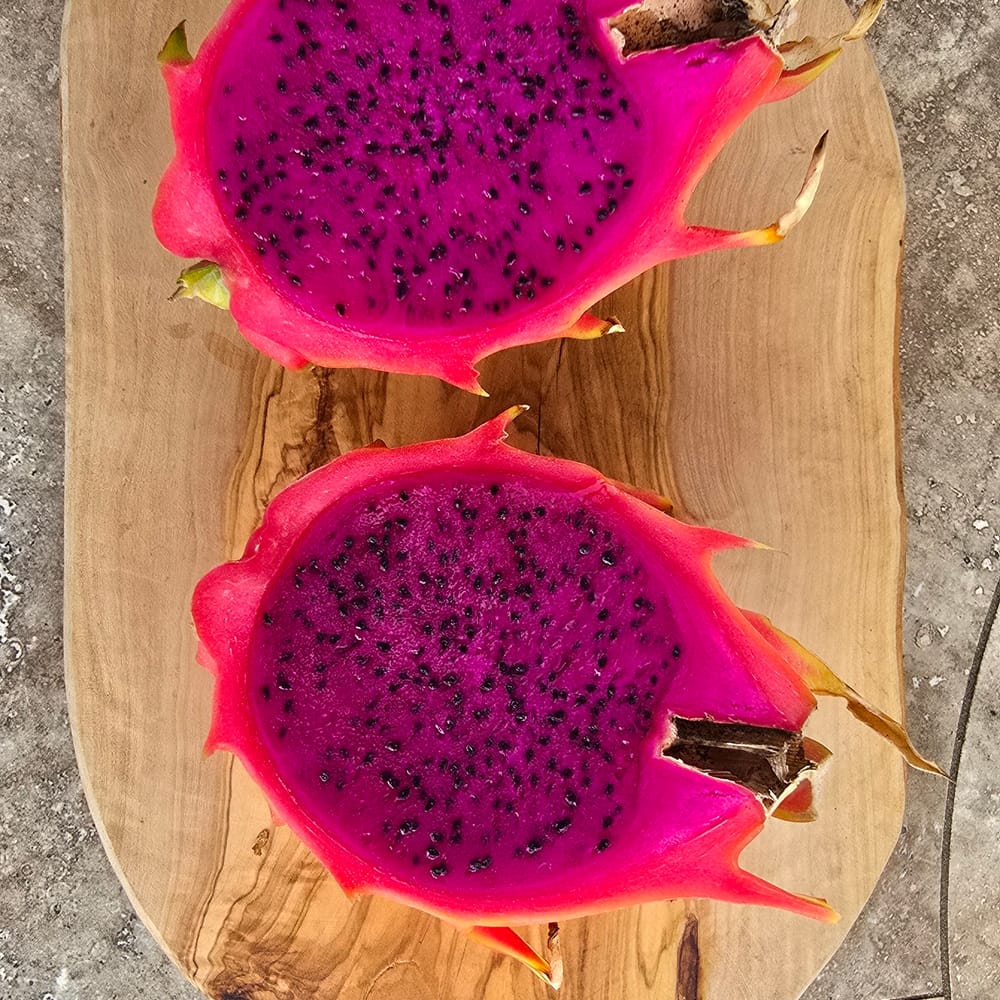
The first thing you notice when you cut into a ripe Venus is the color. The flesh is a vibrant, deep red that stands out against the pale interior of white-fleshed varieties. This intense hue comes from high levels of betalain pigments, specifically phyllocactin, which are abundant in the Selenicereus costaricensis lineage. While this pigment profile contributes to the fruit's visual appeal and antioxidant content, the flavor profile remains approachable and mild. It is not aggressively sweet or sour. Instead, it offers a balanced taste that many growers describe as a cross between kiwi and pear. There is a subtle floral note in the background that adds complexity without overpowering the fruit.
Texture plays a major role in the eating experience. The flesh is firm yet juicy, holding its shape well when sliced. This firmness prevents the fruit from turning to mush quickly after harvest, which is a common issue with softer pitayas. Scattered throughout the red flesh are small, black seeds. These seeds are edible and provide a distinct crunch that contrasts with the soft pulp. The combination of juicy flesh and crunchy seeds creates a satisfying mouthfeel that keeps the fruit interesting from the first bite to the last.
Sweetness levels in Venus are high for a red-fleshed cultivar. The average brix reading is about 18.2, though some nurseries report figures closer to 16.6%. This places it among the sweeter options in its category. An Israeli grower rates its flavor on par with Kesslau, another popular red variety, noting that while Venus may take a bit longer to begin fruiting, the end result is worth the wait. The slight tangy undertone mentioned in taste tests helps cut through the sweetness, preventing the flavor from becoming cloying. This balance makes it versatile for snacking, adding to salads, or blending into smoothies.
Tasting Tip: To get the best flavor, ensure the fruit is fully ripe before harvesting. The skin should be a deep red or pink, and the fruit should yield slightly to gentle pressure. If the skin is still green or pale, the brix level will be lower and the texture may be less developed.
Compared to other red-fleshed dragon fruits, Venus offers a consistent and reliable flavor profile. It retains enough tartness to keep the taste fresh. The floral note is subtle, which is characteristic of night-blooming cacti. For a broader comparison of flavor profiles across different cultivars, see our guide to best-tasting-dragon-fruit-varieties. Understanding these nuances helps you choose the right variety for your palate and growing conditions.
How Venus Compares to Other Red-Fleshed Dragon Fruits
Venus sits in the upper tier of red-fleshed options for home growers. While many red pitayas share the same deep crimson interior, Venus distinguishes itself through a specific balance of sweetness and hardiness. It is not the fastest to fruit, but it is often the most forgiving. For a broader look at flavor profiles, see our guide to best-tasting-dragon-fruit-varieties.
The flavor profile is a key differentiator. Venus offers a distinct flavor profile detailed in the section above. With an average brix of about 18.2, it ranks among the sweeter red-fleshed types. One nursery lists a slightly lower figure of 16.6%, but both figures place it in the premium category. Israeli growers rate its flavor and fruit size on par with Kesslau, a popular commercial variety, though Venus tends to take a bit longer to begin fruiting.
Resilience and Growth Pace
Where Venus really shines is in its tolerance. Compared to more delicate red-fleshed types, Venus handles both hot and cold weather with greater ease. This makes it a safer bet for gardeners in marginal climates or those who cannot provide consistent protection from temperature swings. The trade-off is speed. You may need to be patient during the establishment phase. The plant is noted for taking a bit longer to begin fruiting than some faster-maturing cultivars. However, once established, its resilience often results in a more consistent harvest over time.
Genetic Lineage and Nutritional Profile
Venus belongs to the Selenicereus costaricensis group, the species behind most red-fleshed pitayas. This lineage carries higher antioxidant and betalain pigment levels than white-fleshed types. Research from Ben-Gurion University notes that H. costaricensis flesh contains roughly four times the betanin found in other varieties. Venus is one of only two rare Israeli-bred dragon fruit cultivars. Its counterpart, Bilu, features magenta flesh, while Venus offers the classic deep red profile. This specific breeding background contributes to its distinct characteristics.
| Feature | Venus | Typical Red Pitaya |
|---|---|---|
| Brix (Sweetness) | ~18.2 (range 16.6-18.2) | Varies by cultivar |
| Hardiness | High (heat and cold tolerant) | Less resilient than Venus |
| Fruiting Speed | Slower to begin | Varies by cultivar |
| Origin | Israel (Ben-Gurion Univ.) | Various (often Central/South America) |
Tip: If you are in a cooler zone, Venus's extra hardiness can be the deciding factor. It may tolerate a brief dip in temperature that would damage more sensitive red-fleshed varieties, giving you a wider window for outdoor growing.
Growing Venus: Light, Soil, Water, and Trellis
Venus thrives in USDA zones 10-11, where it can remain outdoors year-round. In these regions, the plant tolerates heat well but requires protection from freezing temperatures. Damage occurs below about 31F (-0.5C), so if you live in a marginal zone, plan to move potted plants indoors or provide frost cover during cold snaps. For optimal growth, position the vine in full sun. In very hot climates, light afternoon shade helps prevent scorching on the stems and fruit, ensuring the plant maintains its resilience without stress.
Soil and Watering
As a cactus, Venus demands very well-drained sandy soil. A mix that holds too much moisture will lead to root rot, so aim for a gritty, aerated medium with a pH roughly between 6.0 and 7.0. Watering should be deep but infrequent. Allow the top inch of soil to dry out completely between watering rounds. This "soak and dry" approach encourages deep root growth and prevents the soggy conditions that weaken the plant. During the active growing season, the plant will drink more, but always check the soil moisture before applying water.
Trellis and Support
Venus is a climbing vine that requires a sturdy trellis or post to support its weight as it matures. The stems can become heavy with fruit, so the structure must be robust enough to hold the load without bending or breaking. A T-bar trellis is ideal for spreading the vines out, which improves air circulation and light exposure to each stem. Ensure the support is anchored securely in the ground or container to withstand wind and the weight of the plant. Proper support not only keeps the vine healthy but also makes harvesting the fruit easier and reduces the risk of stem breakage.
Flowering, Fruit Set, and Harvest Timing
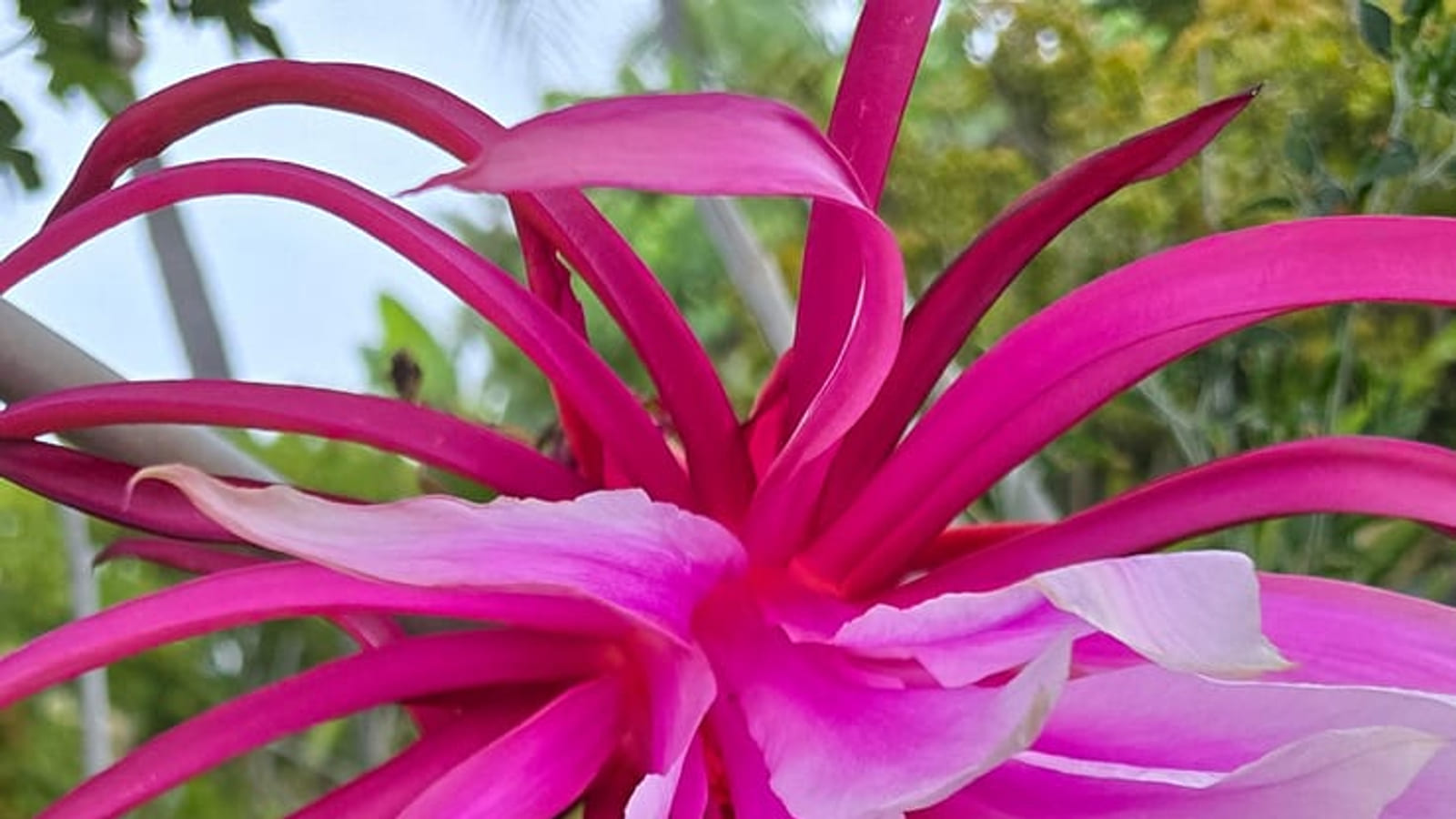
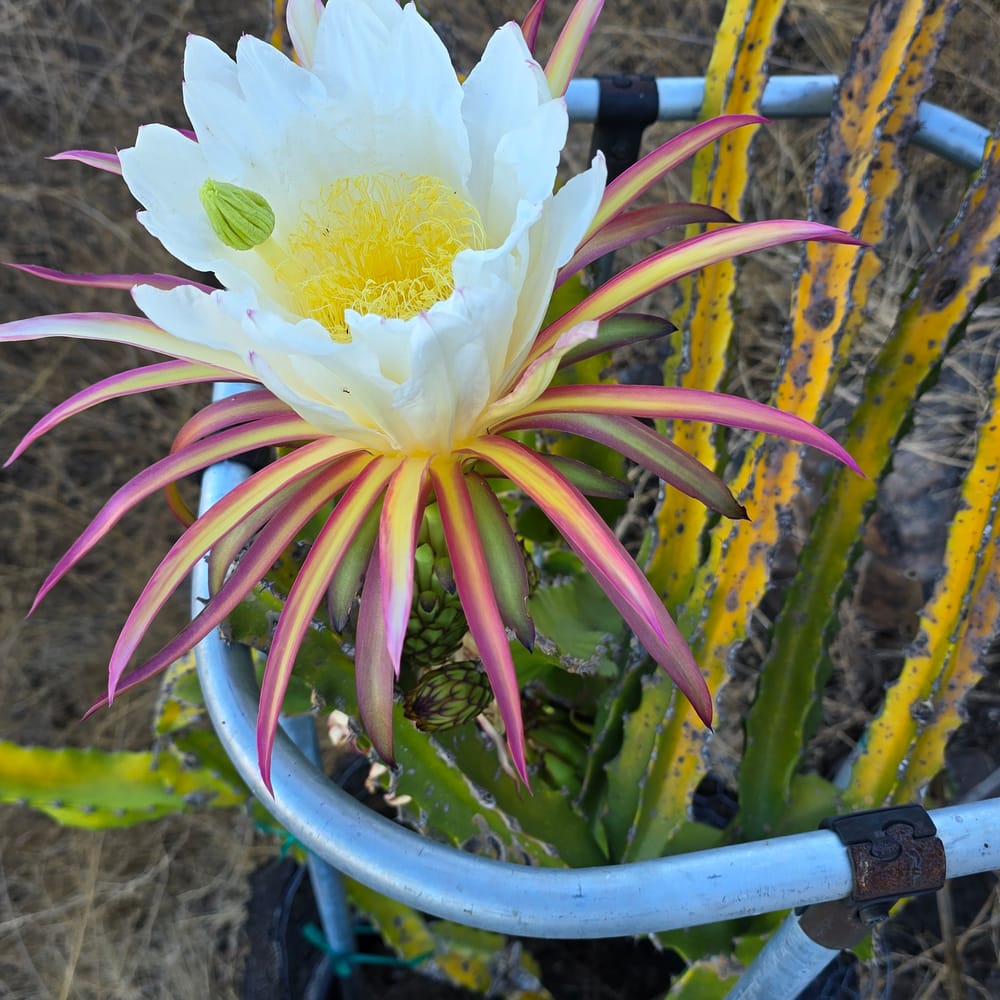
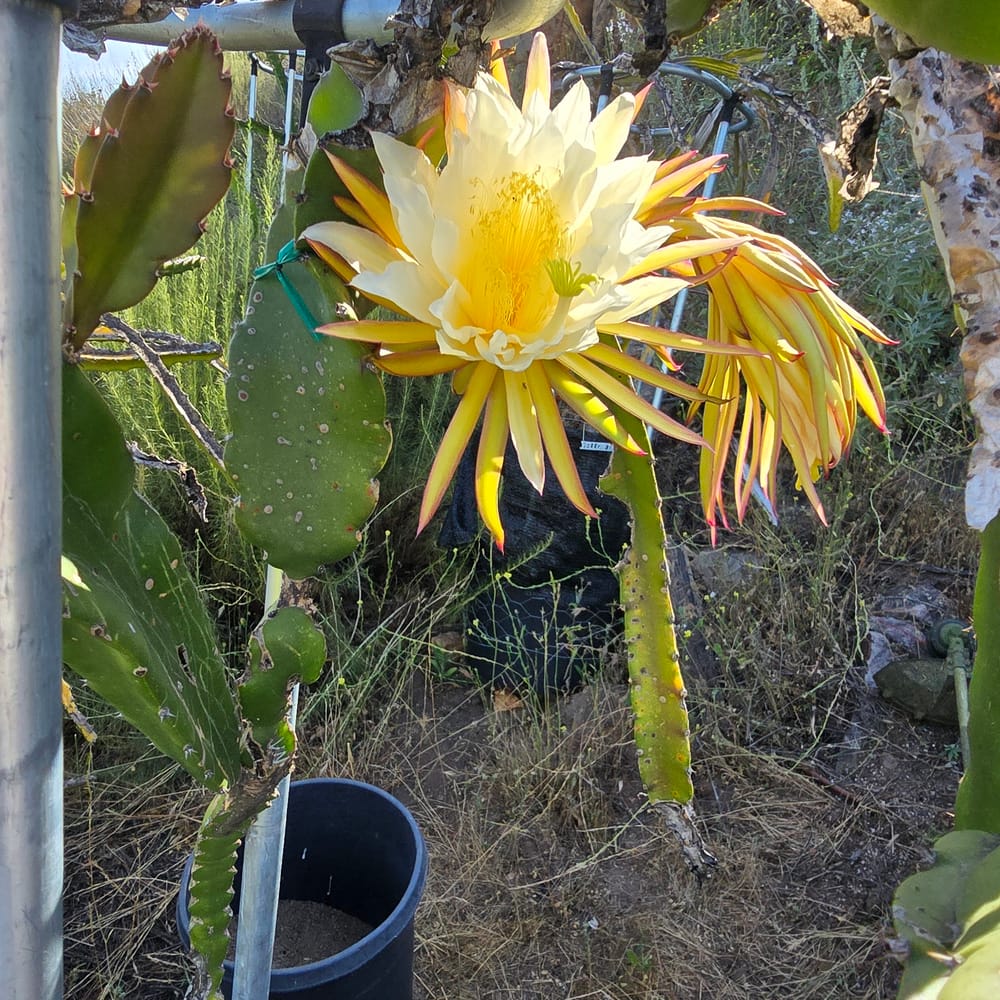
Venus dragon fruit blooms under cover of darkness. The large, fragrant flowers open at night, relying on moths and bats for natural pollination. Since Venus is self-fertile, a single vine can set fruit without a partner. However, hand pollination remains a useful technique for growers who want to maximize yield. If you notice flowers dropping before fruit sets, a gentle transfer of pollen with a small brush can boost both the number of fruits and their final size.
Once pollination succeeds, the plant enters a fruiting phase that requires patience. Venus is noted for taking a bit longer to begin fruiting compared to some faster-maturing red-fleshed types. As the fruit develops, it transitions from green to a distinct red or pink skin. The flesh inside matures into the vibrant deep red color that defines this cultivar.
Harvest Window and Ripeness
In its native Israeli climate, the harvest window for Venus runs from June through the end of the year. This summer-to-fall timeline aligns with the peak growing season in that region. For growers in other zones, the specific months may shift based on local climate, but the pattern of a concentrated harvest period remains consistent. You can determine ripeness by observing the skin color and checking for a slight give when gently pressed. The fruit should feel heavy for its size, indicating full juice content.
When ready, the fruit is typically around 1.3 lb (590 g). The texture is firm yet juicy. Because Venus belongs to the Selenicereus costaricensis group, it carries higher levels of antioxidants and betalain pigments than white-fleshed varieties. This contributes to its intense color and potential health benefits. For a broader comparison of flavor profiles, see our guide to best-tasting-dragon-fruit-varieties.
Should You Grow Venus?
Choosing a dragon fruit variety is a long-term commitment. You are planting a vine that will shape your garden's aesthetic and harvest rhythm for years. Venus is a strong candidate if you value flavor consistency and hardiness over immediate gratification. It is not the fastest fruiting option, but the trade-off is a plant that thrives in a wider range of conditions than many delicate red-fleshed types.
The decision often comes down to your specific climate and patience level. If you live in USDA Zones 10 or 11, Venus is a safe bet. It handles the heat of summer and the occasional chill of winter better than many of its relatives. For growers in slightly cooler zones who can protect their plants or grow them in movable containers, Venus offers a resilient option that might survive where other red pitayas would struggle. The self-fertile nature of the cultivar simplifies your setup. You do not need to plan for a second variety to ensure pollination. A single healthy vine can produce a full crop, making it ideal for small gardens or those who want to keep their trellis dedicated to one specific flavor profile.
Who is Venus for?
Venus suits growers who prioritize fruit quality and plant longevity. It is a good choice if you have previously struggled with red-fleshed varieties that bolted or died back during cold snaps. The cultivar's resilience means you can focus on soil health and watering habits rather than constant frost protection. It is also a logical choice for those who want to try a rare, scientifically bred variety without the risk of seedling variability. Buying a cutting guarantees you get the specific traits of the Ben-Gurion University line, including the deep red flesh and high sweetness.
However, consider your timeline. If you need fruit within the first year, Venus might be frustrating. It takes a bit longer to begin fruiting than some faster-growing cultivars. You are investing in a plant that will reward you with consistent, high-quality fruit over many years, not just a quick burst of production. If you are a patient grower who enjoys the process of establishing a perennial, this delay is a minor inconvenience. If you are looking for a quick harvest to test the waters, you might prefer a different variety. For a broader comparison of flavor profiles and growth habits, see our guide to best-tasting-dragon-fruit-varieties.
Pro Tip: Even though Venus is self-fertile, hand pollination can still boost fruit set and size. If you notice flowers dropping before fruit forms, try gently transferring pollen from the anther to the stigma with a small brush. This simple step can make a noticeable difference in your yield, especially in years with fewer natural pollinators.
Ultimately, Venus is a solid, reliable choice for the serious home gardener. It offers a unique flavor profile that is distinct from the more common white or yellow types. The deep red flesh is not just for show; it indicates higher antioxidant content, adding a nutritional benefit to the culinary one. By starting with a rooted starter or cutting, you secure a plant that is true to type and ready to thrive in your specific environment. It is a cultivar that rewards careful cultivation with a fruit that is as visually striking as it is delicious.