Townsend Red Dragon Fruit: The Truth About the Variety
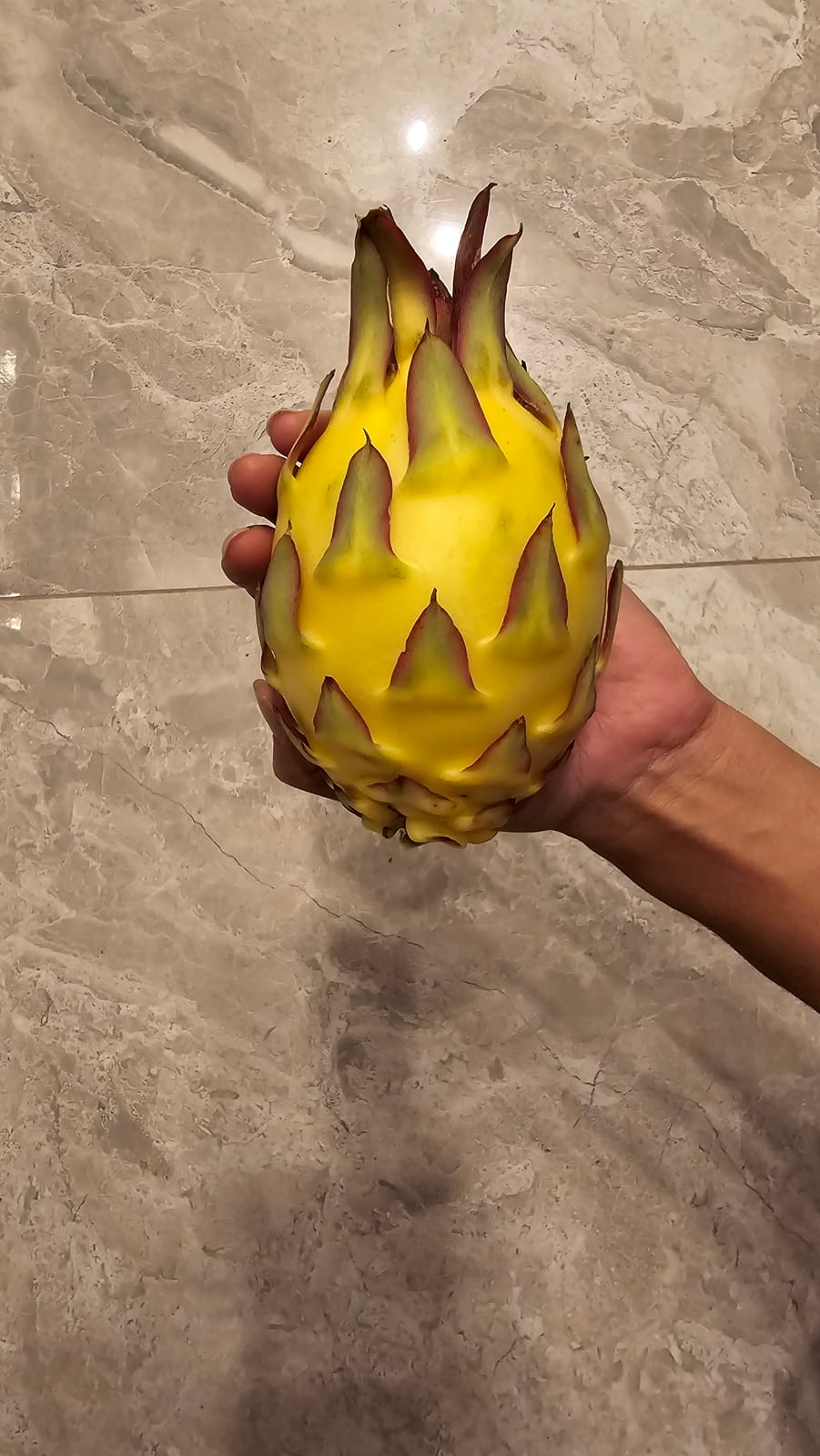
You are likely looking for Townsend Pink. There is no verified 'Townsend Red' variety in cultivation. The only documented Townsend dragon fruit is 'Townsend Pink,' a hybrid with grape-tropical flavors and Brix scores ranging from 12.5% to 17.8%. If you saw 'Townsend Red' listed, it was probably an informal name or a mix-up. Townsend Pink features flesh that ranges from pale to deep pink and sets fruit reliably on its own. If you specifically want deep red or purple flesh, look at our red-fleshed options instead. We recommend Sugar Dragon for its high sweetness and berry-rose notes, or Purple Haze for intense grape-kiwi flavor. Both are excellent performers that match the quality you seek.
Townsend Pink Dragon Fruit: At a Glance
Townsend Pink sits at the genetic intersection of two distinct lineages. It is a hybrid of Hylocereus undatus, the species behind white-fleshed fruit, and Hylocereus guatemalensis, which produces red flesh. This parentage explains the plant's vigorous growth habit and its unique fruit characteristics.
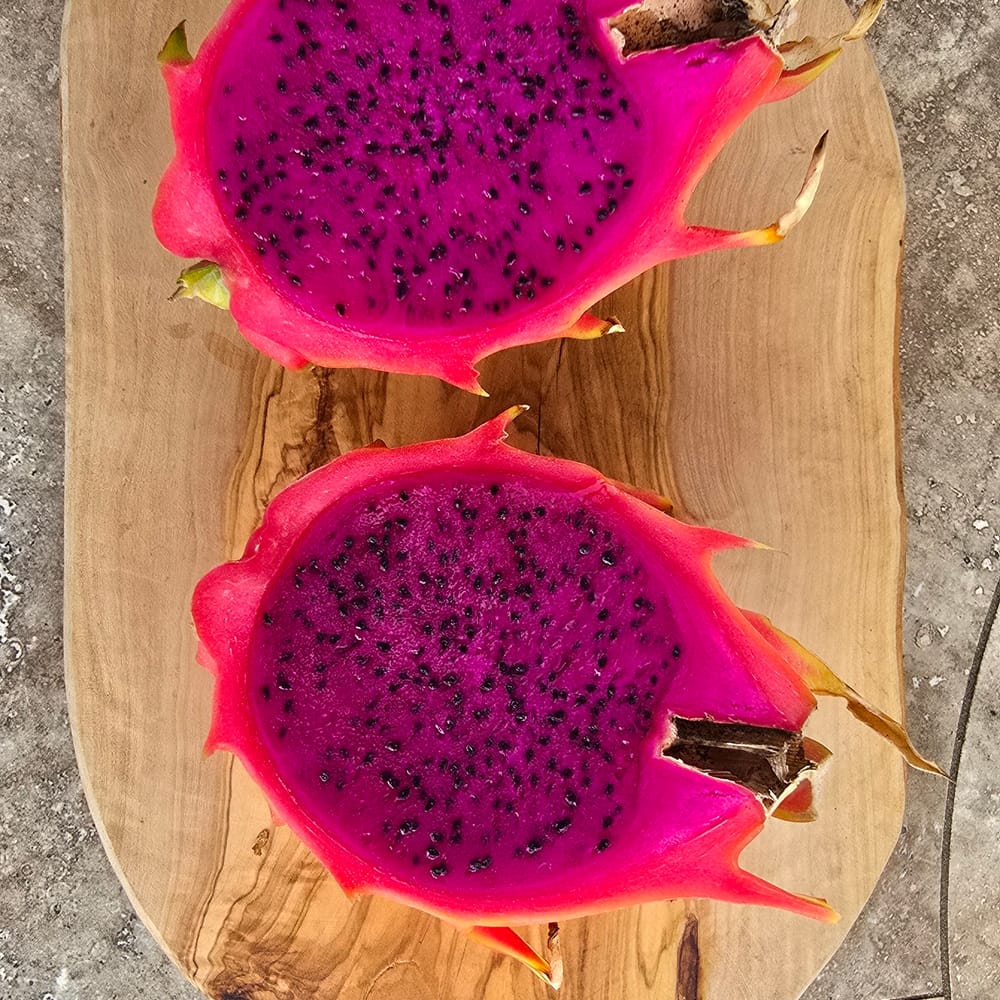
The resulting fruit is round with red skin and green fins. Inside, the flesh ranges from pale pink to a pure, vibrant pink. Some growers describe the color as pink-to-red. The texture is firm and juicy. You will find tiny black seeds scattered throughout, but they are barely noticeable when eating. The flavor profile leans heavily toward grape. It is sweet with a mild tart kick that keeps it from being cloying. Many growers also detect tropical mixed-berry notes in the finish.
Sugar content varies significantly based on your specific growing conditions. Independent taste tests and grower reports show Brix scores ranging from 12.5% to 17.8%. For context, standard red-fleshed varieties often sit in the 16-18 Brix range, while yellow varieties can exceed 21 Brix. Townsend Pink competes well in the sweetness department when grown in optimal conditions.
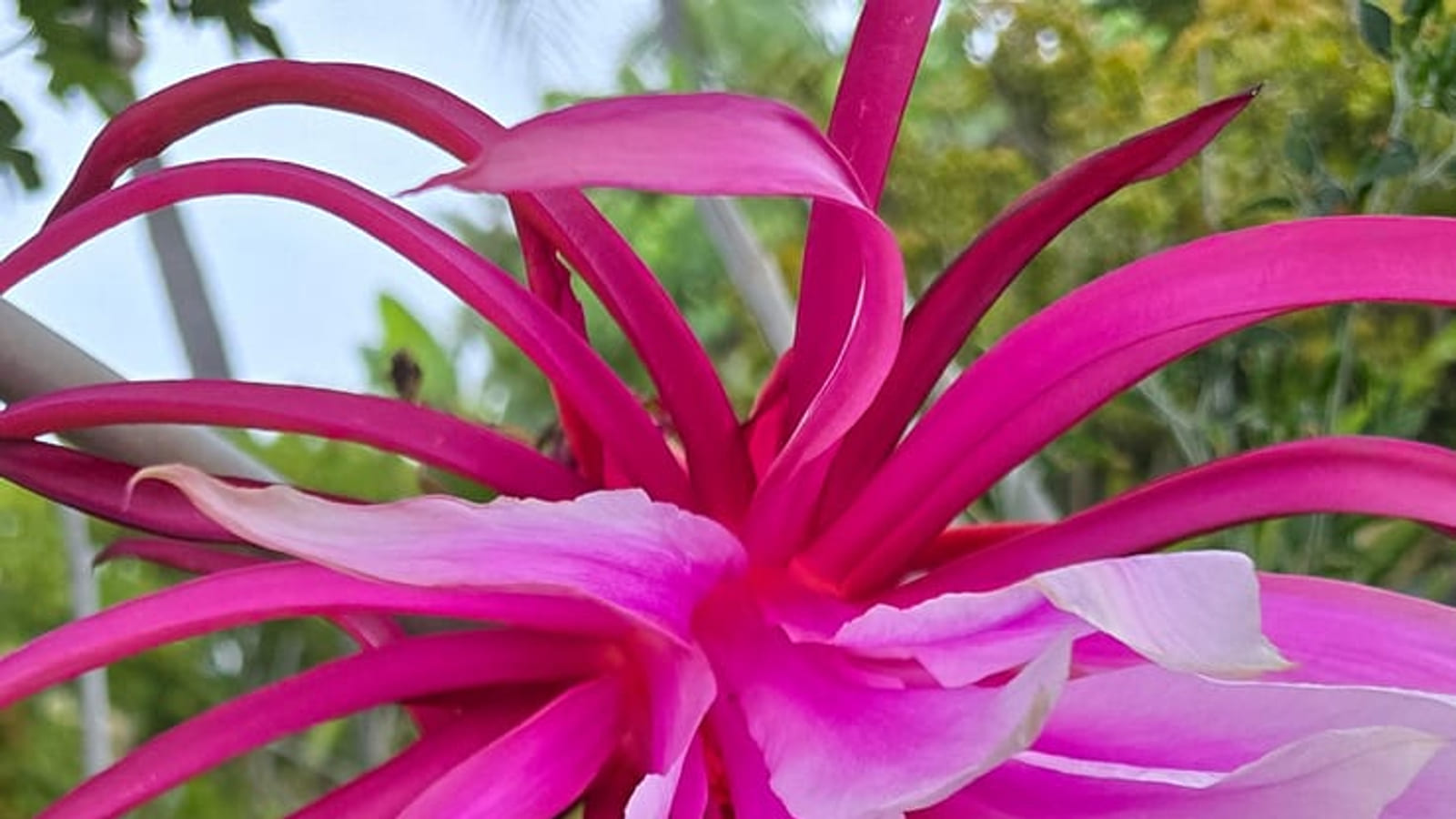
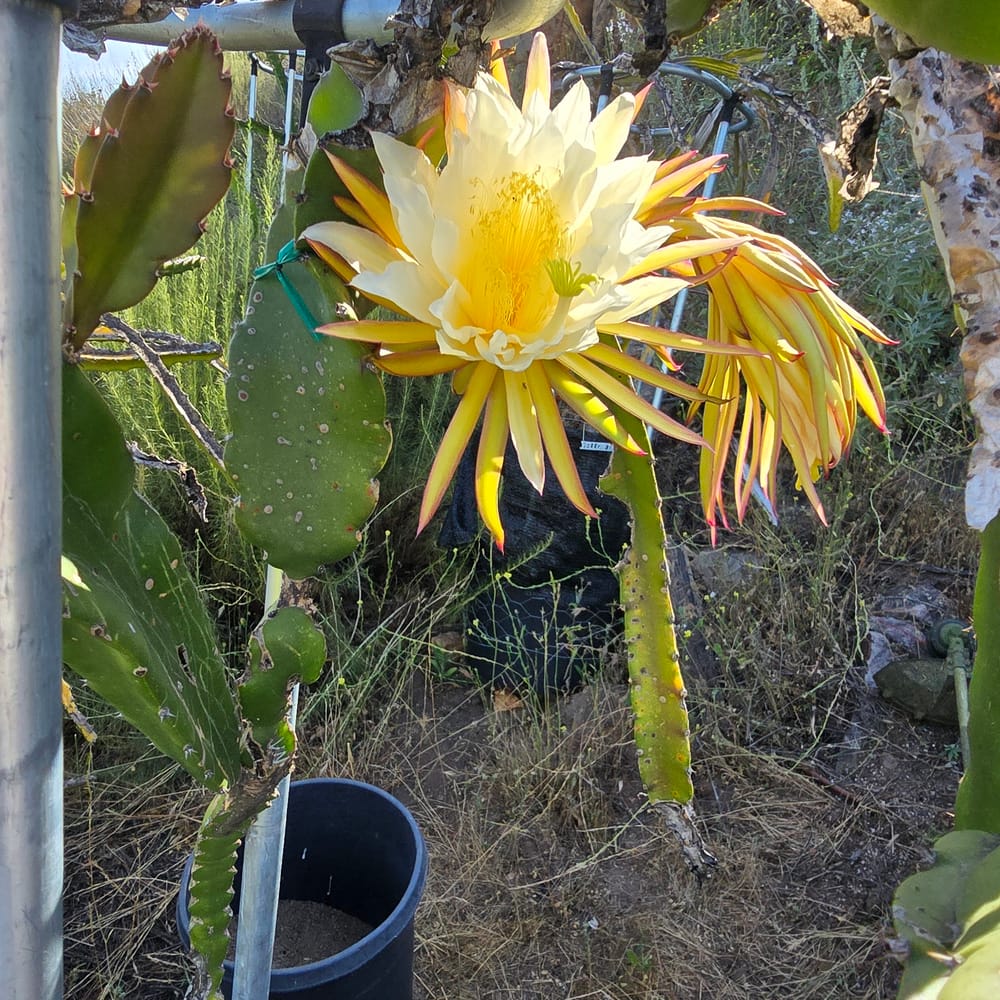
One of the most valuable traits of Townsend Pink is its self-fertility. The plant produces generous amounts of pollen and has been observed self-pollinating. This means you do not need a separate pollinator variety to set fruit. It is a reliable performer for commercial growers and home gardeners alike. The flowers open around 10 PM and develop from bud to bloom in about 28 days. Once pollinated, the fruit matures in 30-45 days. The average fruit weighs approximately 1 pound.
The Townsend Pink Story
The name honors the person who saved this plant from the trash. A nursery was discarding the cuttings. The founder recognized their potential and rescued them. That act of preservation gave us the variety we grow today. It is a reminder that great cultivars often start as overlooked stock.
This hybrid background drives its popularity among collectors and commercial growers. It combines the vigor of Hylocereus undatus with the pigment genes of Hylocereus guatemalensis. The result is a plant that grows fast and produces fruit reliably.
Gardeners value it for its attractive pink flesh and consistent yields. The fruit looks striking on the vine. It performs well in both home gardens and larger operations.
Townsend Pink vs. Other Red-Fleshed Varieties
Townsend Pink sits in a unique spot among dragon fruit cultivars. It bridges the gap between the vigorous white-fleshed Hylocereus undatus and the pigmented Hylocereus guatemalensis. This hybrid background gives it a distinct flavor profile that differs from the deeper red-fleshed varieties. If you are deciding between Townsend Pink and other popular red-fleshed options, the choice often comes down to flavor preference and pollination needs.
Red-fleshed varieties generally offer higher sugar content than white-fleshed types. However, the specific taste notes vary significantly. Some growers prioritize intense berry flavors, while others prefer the grape-like sweetness of Townsend Pink. The table below compares Townsend Pink with four other commercially available red-fleshed varieties. This comparison highlights differences in flesh color, sweetness levels, and flavor characteristics.
| Variety | Flesh Color | Brix | Taste Notes | Self-Fertile | Best For |
|---|---|---|---|---|---|
| Townsend Pink | Pink to deep pink | 12.5-17.8 | Grape, tropical, mild tart | Yes | Reliable fruit set, unique hybrid flavor |
| Sugar Dragon | Red | 17.1+ | Berry, rose | Yes | High sweetness, universal pollinator |
| Purple Haze | Purple | 19 | Grape, kiwi | No | Intense flavor, high sugar |
| Physical Graffiti | Light purple | ~18 | Mild, sweet | No | Consistent yields, moderate sweetness |
| American Beauty | Magenta | 18.51 | Sweet, complex | No | Visual appeal, high brix |
Sugar Dragon shares the self-fertile trait. It is self-fertile and often serves as a universal pollinator for other varieties. If you plant Sugar Dragon alongside non-self-fertile types, it can help boost fruit set across your garden.
Flavor profiles also play a major role in variety selection. Townsend Pink offers a grape-tropical taste with a mild tart finish. This balances the sweetness without being cloying. In contrast, varieties like Purple Haze deliver intense grape-kiwi notes with higher sugar levels. If you prefer a sweeter, more complex flavor, these red-fleshed options may suit your palate better. For a deeper look at how different varieties compare in sugar content and flavor, check out our complete dragon fruit varieties guide.
Growth habits differ as well. Red-fleshed varieties like Sugar Dragon tend to have larger stems and broader flowers. These physical traits can affect how you train the plant on a trellis. Consider your available space and support structure when choosing a variety. Each option brings unique benefits to your garden.
How to Grow Townsend Pink
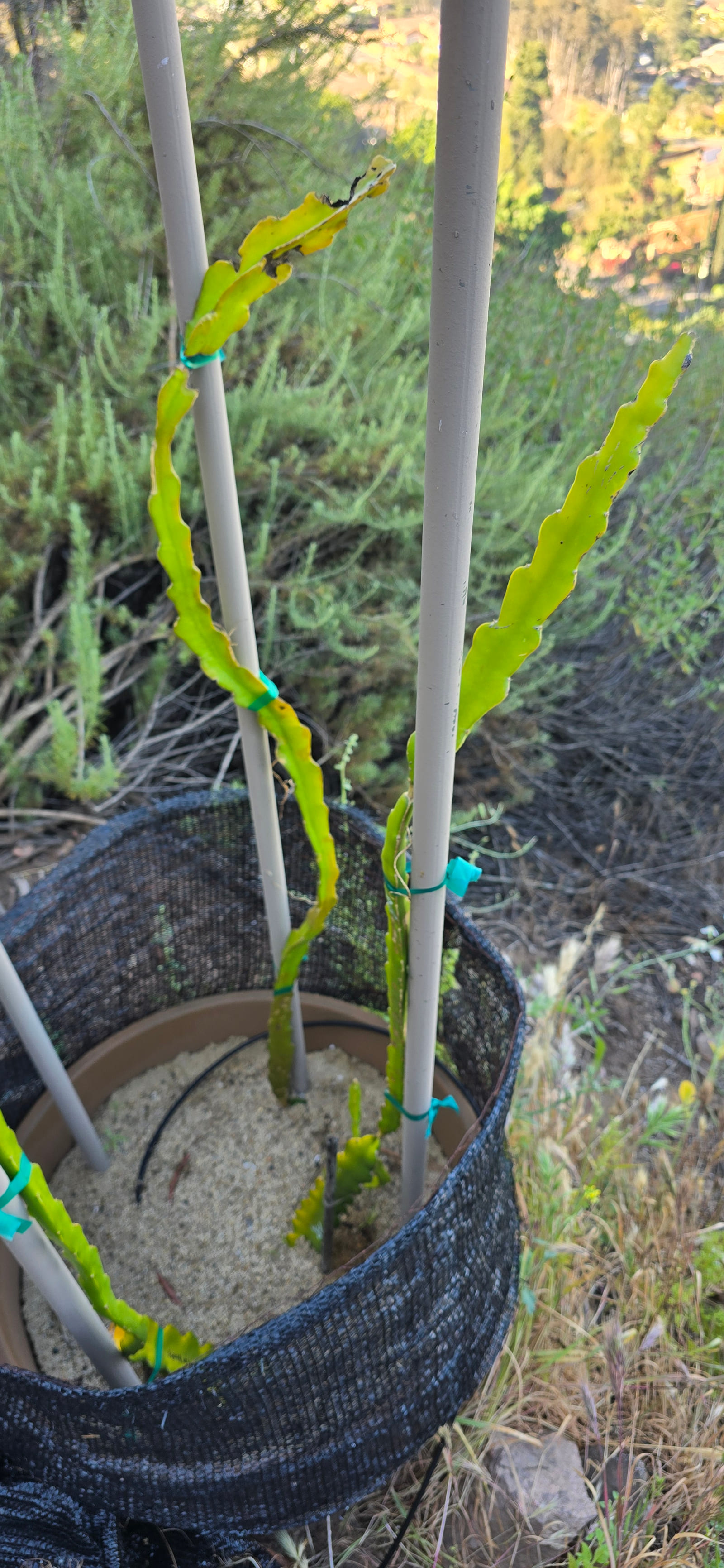
This hybrid grows fast. You will see new stem segments appear quickly after planting. The stems are three-sided with small thorns. They start green but shift to a bright lemon-lime color in full sun. That color change is normal and indicates the plant is getting plenty of light.
Support is non-negotiable for this vigorous grower. Use a heavy trellis or cinder block column. The stems will climb and wrap around the structure. Without support, the plant will sprawl on the ground and produce fewer flowers.
Soil must drain well. Dragon fruit roots rot in wet conditions. Use a gritty mix with perlite or pumice. In the ground, amend heavy clay with compost and coarse sand. In pots, ensure drainage holes are clear.
Water when the top inch of soil feels dry. Reduce watering in winter. Overwatering is the most common mistake with fast-growing hybrids.
The reproductive cycle moves quickly. It takes about 28 days for a bud to develop into a flower. The blooms open at night, usually around 10 PM. Since Townsend Pink is self-fertile, you do not need a second variety nearby. The flowers pollinate themselves.
Once pollination occurs, the fruit matures in 30 to 45 days. This short window allows for multiple harvests in a single season. Keep the plant warm and dry during fruit set to prevent drop.
| Stage | Duration | Notes |
|---|---|---|
| Bud to Flower | 28 days | Blooms at night |
| Flower to Harvest | 30-45 days | Self-pollinating |
Want Deep Red Flesh? Best Alternatives to Townsend
Townsend Pink delivers a lovely pale to deep pink interior. If you prefer the intense visual impact of dark red or purple flesh, you will need to look elsewhere. We do not carry a red-fleshed Townsend. Instead, we recommend varieties that offer deeper pigmentation and often higher sugar levels.
Sugar Dragon is our top recommendation for this goal. It produces red flesh that rivals the darkest red varieties. The flavor profile features distinct berry and rose notes. It is self-fertile, so it sets fruit reliably on its own. Growers report Brix scores of 17.1 or higher. This makes it a sweet and dependable choice for home gardens.
Purple Haze offers a different but equally compelling experience. The flesh is a deep purple color. It delivers a rich grape-kiwi flavor. With Brix scores reaching 19, it is one of the sweetest varieties available. It pairs well with Sugar Dragon if you want to diversify your harvest.
Physical Graffiti and American Beauty are also excellent red-fleshed options. Physical Graffiti features light purple flesh and sits around 18 Brix. American Beauty offers vibrant magenta flesh with a Brix score of 18.51. Both varieties are robust growers that produce high-quality fruit.
| Variety | Flesh Color | Brix | Flavor Notes |
|---|---|---|---|
| Sugar Dragon | Red | 17.1+ | Berry-rose |
| Purple Haze | Purple | 19 | Grape-kiwi |
| American Beauty | Magenta | 18.51 | Sweet |
| Physical Graffiti | Light purple | ~18 | Mild |
These varieties provide the deep color and sweetness that many growers seek.