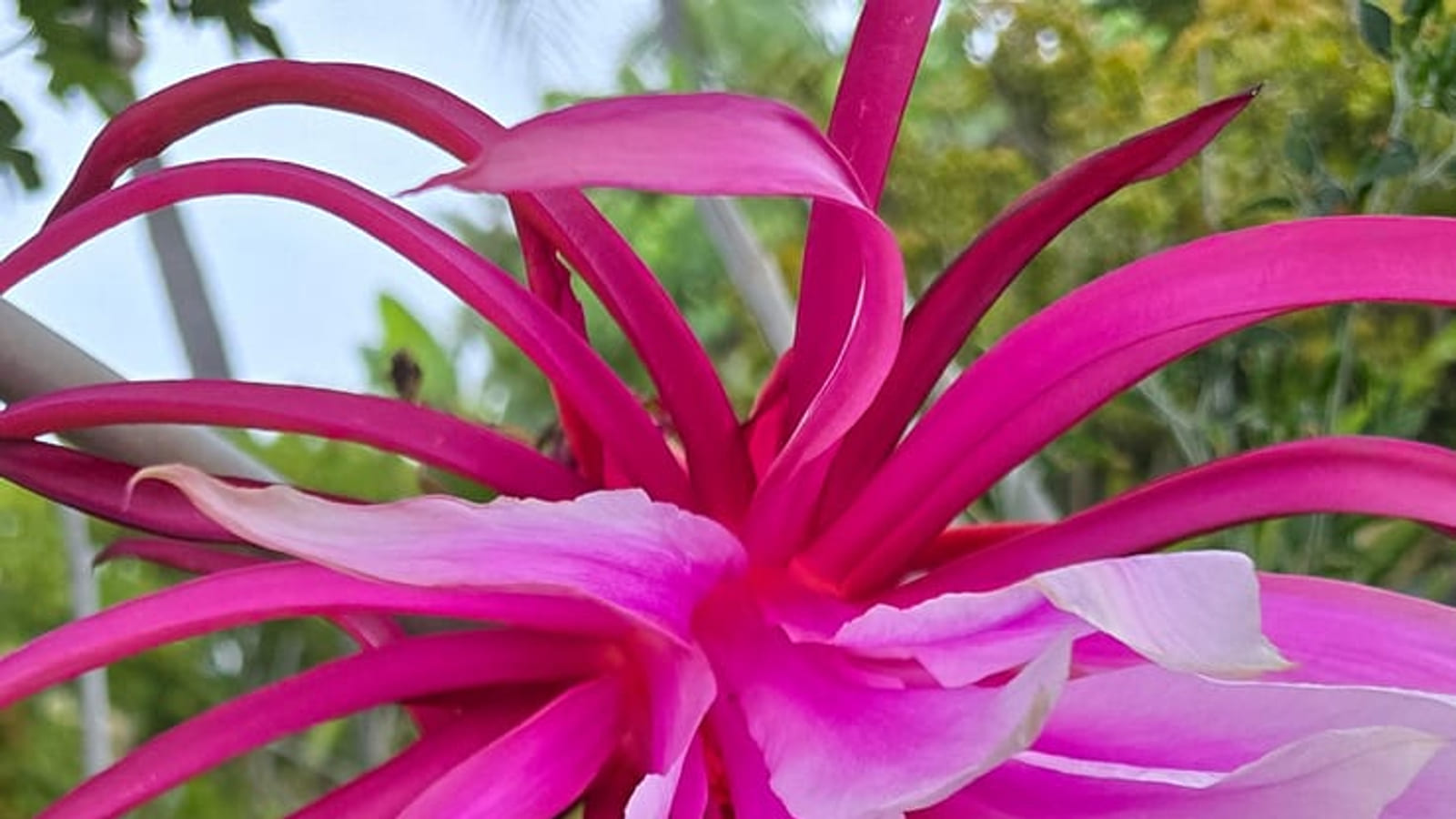
Predator Dragon Fruit: Rare Pitaya & Best Alternative
You want to grow Predator dragon fruit because you seek a rare, high-sugar red-fleshed pitaya that matches the collector-grade standards of modern breeding programs. Predator is an emerging variety with deep purple-red flesh and potent betalain antioxidants. It is not yet listed in major university catalogs or large commercial databases. This absence suggests it is a very new selection or a small-production breeder variety. The name follows the rock-and-roll naming convention used by California and Florida breeders. If you cannot find a Predator cutting, we recommend Dark Star as the closest match. Dark Star offers similar purple flesh, a complex grape-kiwi flavor, and high sweetness. It is a self-sterile variety that requires a pollinator partner. We stock Dark Star cuttings at Sky Botanicals. Buy Dark Star here. For more on identifying varieties, read our dragon fruit varieties guide.
Why Is Predator Dragon Fruit So Hard to Find?
The scarcity of Predator stems from its status as a private breeder selection rather than a commercial commodity. It does not appear in the University of Florida IFAS Growables catalog, the Cal Poly Pomona variety list, or major databases like Dragon Fruit Obsession and Spicy Exotics. This absence confirms it is a very new selection or a small-production variety that has not yet entered the mainstream supply chain.
The name itself signals its origin. It follows the rock-and-roll naming convention established by breeders in California and Florida. These growers often name their selections after albums, bands, or pop culture icons. You will see this pattern in varieties like Physical Graffiti, Dark Star, Purple Haze, and Voodoo Child. This naming style is common among hobbyist breeders who prioritize flavor and novelty over mass-market branding.
Collector culture drives demand. Serious growers share information through Facebook groups like Dragon Fruit Enthusiasts and Reddit communities. This creates high demand for rare names before the plants are widely available. Many varieties are sold under incorrect names or multiple aliases, adding to the confusion.
Because these varieties are not mass-produced, they are typically sold as stem cuttings from specialty nurseries. Prices vary depending on rarity. The supply is limited to what individual breeders can propagate and sell directly to collectors.
If you cannot find a Predator cutting, look for varieties that share its genetic traits and flavor profile. Dark Star is the closest match we stock. It features deep purple flesh, a complex grape-kiwi flavor, and high sweetness. Like many collector varieties, it is self-sterile and requires a pollinator partner. For a broader look at available options, read our dragon fruit varieties guide.
Dragon Fruit Variety Landscape: Where Predator Fits
Predator sits at the edge of the known dragon fruit map. It is a rare red fleshed variety that has caught the eye of serious collectors. Yet it remains largely undocumented in major databases as of 2026. You will not find it in the UF IFAS Growables catalog. It is absent from the Cal Poly Pomona variety page. It does not appear in the Dragon Fruit Obsession database, the Tasty Dragons store, or the Spicy Exotics catalog. This silence suggests it is either a very new selection or a small production variety from a private breeder.
The name itself tells a story. Predator follows the naming pattern established by breeders in California and Florida. Growers like Paul Thomson, Leo Manuel, and Ed Valdivia often name their selections after rock albums, bands, and pop culture references. You see this with varieties like Physical Graffiti, Dark Star, Purple Haze, Voodoo Child, and Bloody Mary. This style signals a hobbyist origin. These breeders prioritize flavor and novelty over mass market branding.
Be careful with labels. Many dragon fruit varieties are sold incorrectly or under multiple names. The community is still working on standardizing identification. A cutting labeled one way might be genetically another. Always verify with trusted sources.
Understanding where Predator fits helps you manage expectations. It belongs to the red fleshed group. These varieties typically produce fruit weighing 0.5 to 2 lbs depending on the specific genetics. From bud to fruit maturity takes typically 30 to 45 days depending on variety and temperature. This timeline is standard for the species but can shift with weather.
| Database | Status |
|---|---|
| UF IFAS Growables | Not listed |
| Cal Poly Pomona | Not listed |
| Dragon Fruit Obsession | Not listed |
| Tasty Dragons | Not listed |
| Spicy Exotics | Not listed |
The lack of official records means you are buying into a collector grade market. Supply is limited to what individual breeders can propagate. Prices reflect this rarity. If you want to explore the broader landscape of named varieties, read our dragon fruit varieties guide. It helps clarify the differences between commercial standards and private selections.
How to Identify Your Dragon Fruit Variety
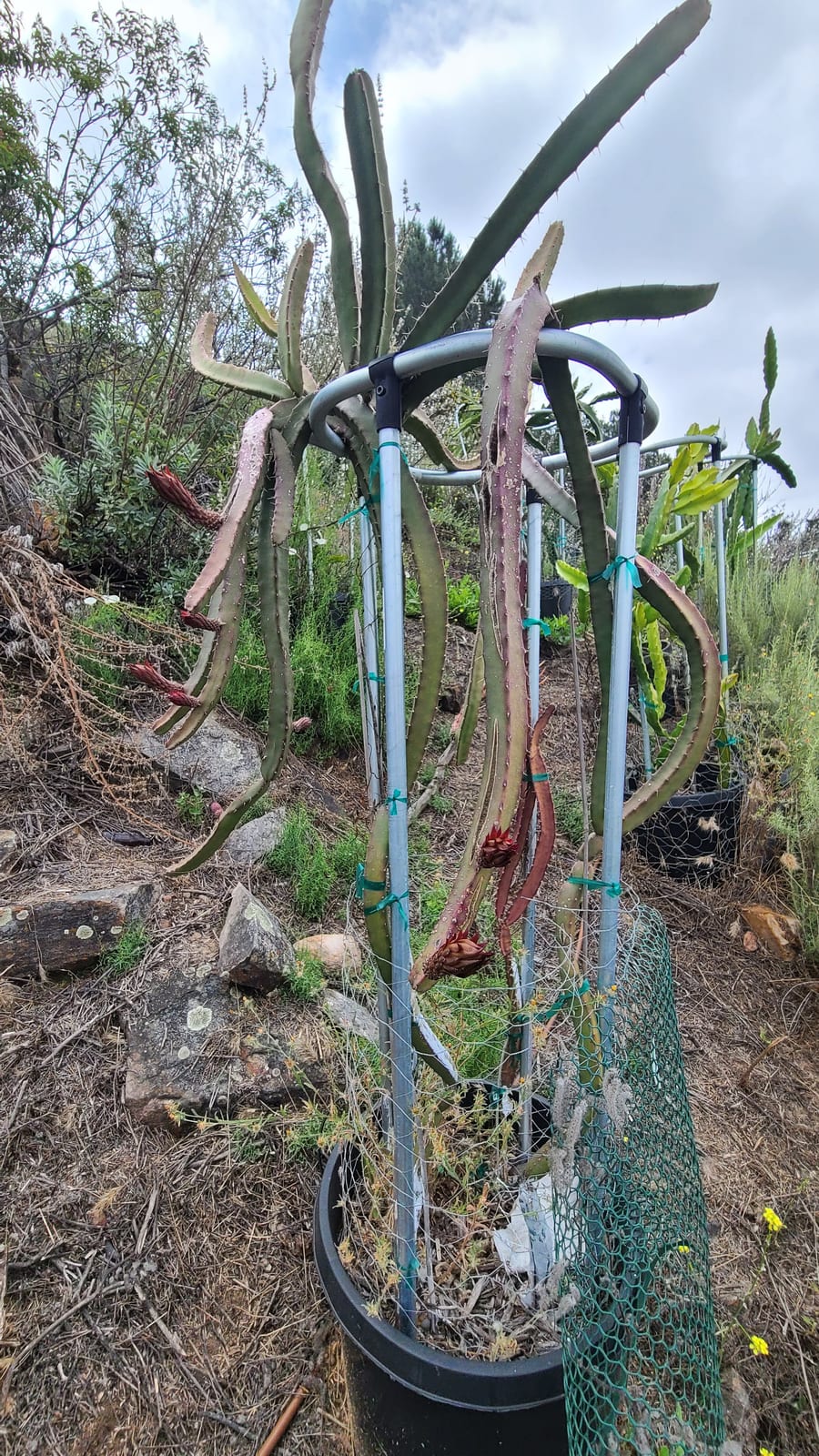
Labels at specialty nurseries are often wrong. The dragon fruit community is still working on standardizing variety identification. Many growers sell plants under incorrect names or multiple aliases. This confusion is common with rare selections like Predator. You cannot rely on the tag alone. You must look at the plant itself.
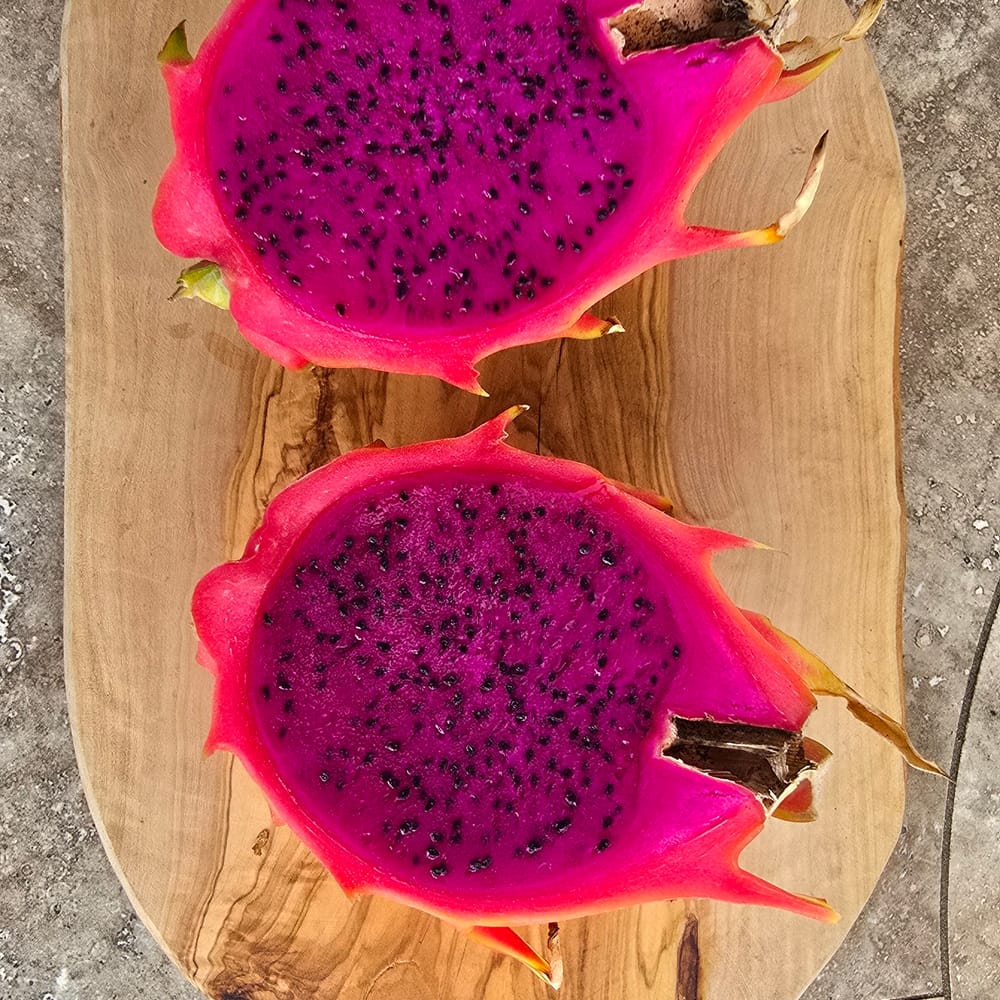
Start with the flesh color. This is the most reliable indicator. Dragon fruit comes from the genus Hylocereus. The three main species determine the fruit color. Hylocereus undatus produces white flesh. Hylocereus costaricensis produces red or purple flesh. Selenicereus megalanthus produces yellow skin with white flesh. If you are looking for Predator, you need a red-fleshed variety. These varieties contain betalain pigments. These pigments give the fruit its deep color and potent antioxidants. White-fleshed varieties lack these pigments entirely.
Do not trust the skin color alone. Skin appearance varies widely within species. The flesh color is the only sure sign.
Next, check the sweetness. Red-fleshed varieties generally range from 15 to 22 Brix. White-fleshed varieties usually sit between 10 and 14 Brix. Predator is a high-sugar variety. If your fruit tastes bland, it is likely not the variety you want. Taste is a strong clue. Predator should have a complex flavor profile. It is not just sweet. It has depth.
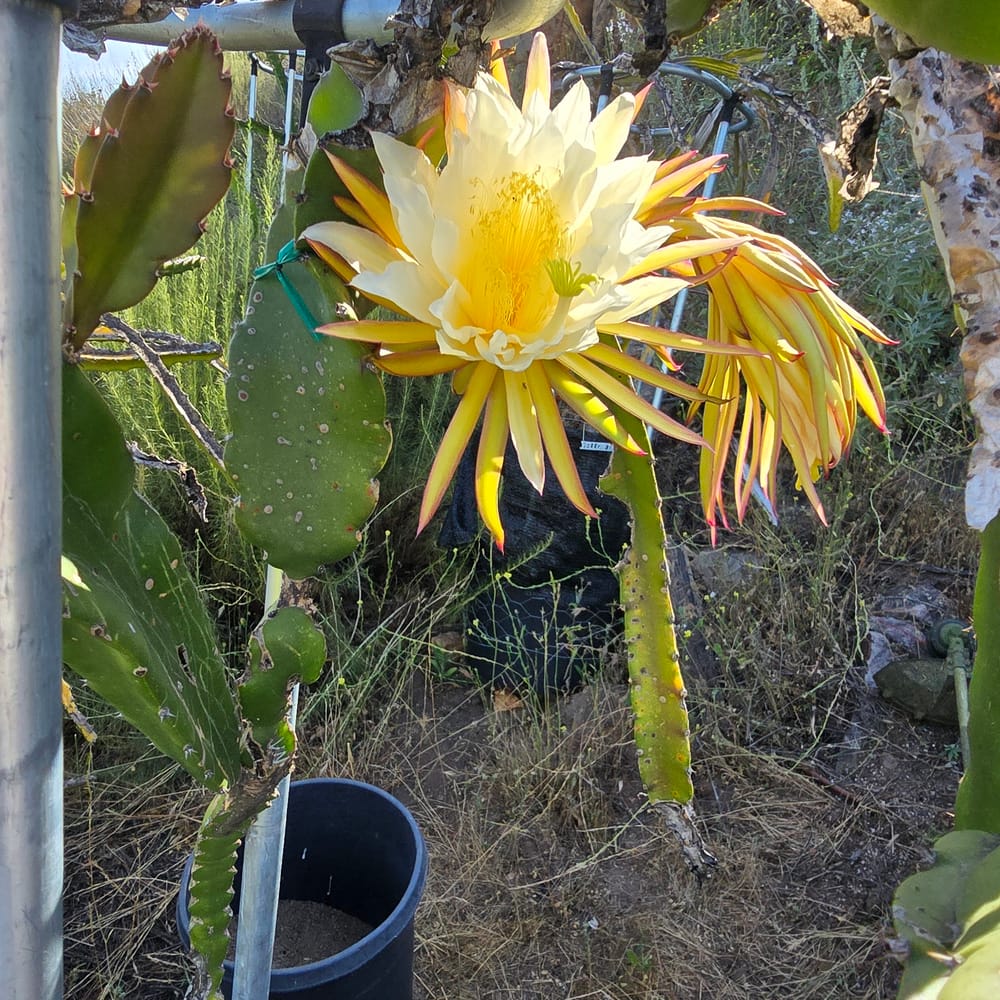
Look at the flowers. Dragon fruit flowers are nocturnal. They open for only one night. They are large and fragrant. The flower structure does not vary much between species. However, the fruit set does. Some varieties are self-fertile. They can set fruit using their own pollen. Examples include American Beauty and Sugar Dragon. Other varieties are self-sterile. They need a pollinator partner. Physical Graffiti and Purple Haze are self-sterile. Predator follows the naming convention of California and Florida breeders. These breeders often create self-sterile varieties. You may need a second plant to get fruit.
| Trait | White Flesh (H. undatus) | Red Flesh (H. costaricensis) | Yellow Skin (S. megalanthus) |
|---|---|---|---|
| Flesh Color | White | Red or Purple | White |
| Sweetness (Brix) | 10-14 | 15-22 | Varies |
| Pigments | No betalains | Betalains | No betalains |
Examine the vine growth. Dragon fruit vines grow rapidly. They can reach 20 feet or more. They need sturdy trellising. The growth habit does not change much between varieties. However, the fruit size does. Red-fleshed varieties typically produce fruit weighing 0.5 to 2 lbs. If your fruit is small and misshapen, check your pollination. Poor pollination leads to small fruit. This is common in self-sterile varieties without a partner.
Use these traits to verify your plant. Flesh color is key. Sweetness confirms quality. Pollination needs explain fruit set. If you are unsure, ask your breeder for details. Reputable breeders know their stock. For more on identifying varieties, read our dragon fruit varieties guide.
Growing Dragon Fruit: Care Basics
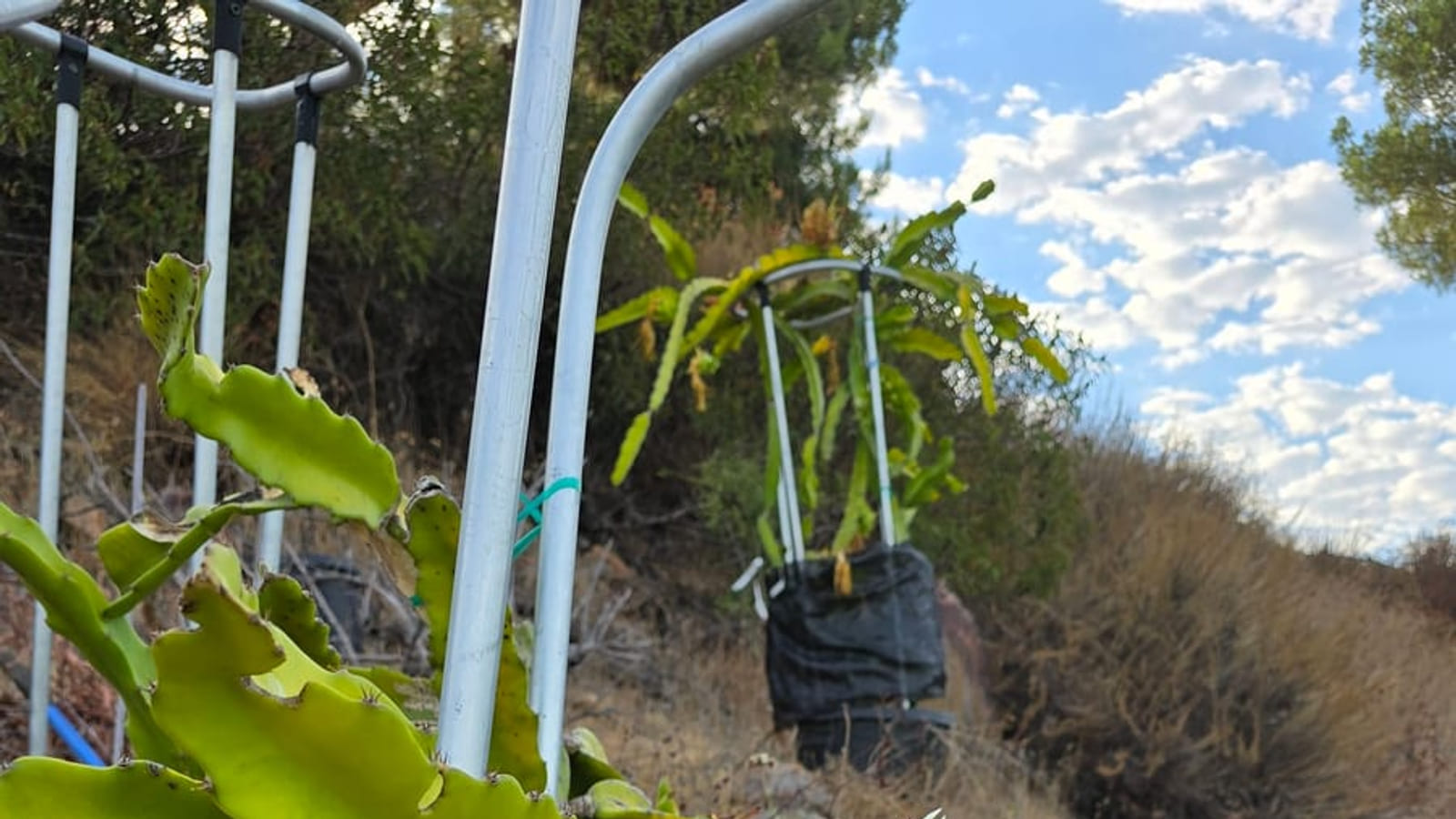
Predator is a vigorous grower. You need to plan for its size before you plant. These vines can exceed 20 feet in length. A weak stake will not hold them. Build a sturdy T-trellis or A-frame support. The structure must bear the weight of mature vines and heavy fruit loads. Secure the main stem early to guide growth upward.
Soil and Water Needs
Dragon fruit are cacti but they do not grow like desert succulents. They need a well-draining mix that holds some nutrients. Aim for a soil pH between 5.5 and 6.5. A blend of potting soil, perlite, and coarse sand works well. Avoid heavy clay that stays wet for days.
Watering habits differ from most cacti. Dragon fruit prefer consistent moisture during the active growing season. Let the top inch of soil dry out between waterings. Do not let the roots sit in standing water. Reduce watering in winter when growth slows. Check our guide on dragon fruit cutting care for detailed watering schedules.
Soil Tip: Dragon fruit are heavy feeders compared to other cacti. Use a balanced fertilizer during spring and summer. Switch to a high-potassium formula when you see flower buds forming.
| Parameter | Specification |
|---|---|
| Soil pH | 5.5-6.5 |
| Drainage | High (add perlite or sand) |
| Growing Season Water | Consistent moisture |
| Winter Water | Minimal |
Proper support and soil management set the stage for fruit production. If you are unsure about your variety's specific needs, review our dragon fruit varieties guide.
Closest Varieties We Do Stock
Predator is a collector grade selection that sits at the edge of the known dragon fruit map. If you cannot source a cutting, you still have excellent options that match its genetic profile and flavor intensity. The red fleshed varieties in the Hylocereus genus generally run sweeter than their white fleshed cousins. Red fleshed types typically range from 15 to 22 Brix. White fleshed varieties usually sit between 10 and 14 Brix. This sugar difference is noticeable on the palate.
| Feature | Red Fleshed (e.g. Predator) | White Fleshed (e.g. Undatus) |
|---|---|---|
| Sweetness Range | 15-22 Brix | 10-14 Brix |
| Pigment | Betalains (Antioxidants) | No betalains |
| Flavor Profile | Complex, Intense | Mild, Watery |
Dark Star is the closest match we stock to Predator. It shares the deep purple flesh and the high sugar content that serious growers seek. Dark Star hits a Brix level of 20.6%. It delivers a complex grape kiwi flavor that rivals the best commercial varieties. Like many selections from the California and Florida breeding circuits, it follows the rock and roll naming convention. It is also self sterile. You will need a pollinator partner to set fruit. This trait is common among the high performance collector varieties. Dark Star remains one of the most sought after plants in the community.
Pairing Tip: Since Dark Star is self sterile, plant it near a different variety to ensure pollination. American Beauty or Natural Mystic make excellent partners.
Other varieties offer similar traits if Dark Star is unavailable. Purple Haze produces large fruit with purple flesh and a grape kiwi flavor. Its sweetness ranges from 17 to 19 Brix. Physical Graffiti is another strong contender. It features dark pink red flesh and is known for prolific production. Growers often rate it among the best tasting varieties available. These selections share the breeding heritage and flavor complexity of Predator.
For a full breakdown of available options, read our dragon fruit varieties guide.
FAQ
Growers often ask how to verify a cutting when labels are unreliable. The collector market moves fast and names can be duplicated or misapplied. You cannot confirm a variety by the stem alone. You must wait for the fruit to mature. The flesh color and flavor profile are the only true identifiers. If a seller claims a cutting is Predator but cannot provide a photo of the mature fruit from that specific vine, treat the claim with caution. Many varieties are sold under incorrect names. This confusion is common in the hobbyist breeding scene. We recommend buying from nurseries that track their breeding lines carefully. For more on identifying varieties, read our dragon fruit varieties guide.
Is Predator self-fertile?
We do not have confirmed pollination data for Predator yet. It is an emerging selection and has not been widely tested in commercial trials. Most red-fleshed varieties from this breeding lineage are self-sterile. They require a partner plant to set fruit. If you plant a single Predator cutting, you may get flowers but no fruit. We recommend planting at least two different varieties to ensure cross-pollination. This approach works for both self-fertile and self-sterile plants. It increases your chances of a harvest regardless of the specific genetics.
How does it compare to Dark Star?
Dark Star is the closest match we stock. Both varieties share the rock-and-roll naming convention and deep purple flesh. They are both highly sought after by collectors. The key difference is availability. Dark Star is a known quantity with documented flavor profiles. Predator is still rare and largely undocumented. Here is how they stack up.
| Trait | Predator | Dark Star |
|---|---|---|
| Flesh Color | Deep Purple-Red | Deep Purple |
| Flavor Profile | Unknown | Grape-Kiwi |
| Sweetness | Unknown | High (20.6 Brix) |
| Pollination | Unknown (Likely Self-Sterile) | Self-Sterile |
| Availability | Very Rare | In Stock |
Pro Tip: If you want the collector experience now, start with Dark Star. It delivers the high sugar and complex flavor you expect from this group. You can add Predator later if you find a verified cutting.
Will it grow in my climate?
Predator is a Hylocereus species. It shares the same climate needs as other red-fleshed dragon fruit. It is frost-sensitive and thrives in USDA zones 9 through 11. If you live in a cooler zone, grow it in a container. Bring the pot indoors when temperatures drop below 40°F. The plant will go dormant in the cold. It will resume growth when you return it to warmth and light. Dragon fruit vines grow rapidly in warm weather. They can reach over 20 feet. You will need a sturdy trellis to support the weight of the vine and the fruit.
How long until it fruits?
Timing depends on your climate and the size of the cutting. In ideal warm conditions, a healthy cutting can produce fruit in 6 to 14 months. Some varieties take 1 to 2 years. Predator may fall into either range. Once the flower opens, the fruit matures in about 30 to 45 days. The flowers are nocturnal and open for only one night. They are large and fragrant. You must pollinate them during that single window. If you miss the window, the flower will close and drop. Hand pollination is often necessary to ensure fruit set.