Halley's Comet Dragon Fruit: Sweet, Self-Sterile Hybrid
Halley’s Comet dragon fruit delivers large, sweet fruits with deep magenta flesh and complex berry notes. You must plant a compatible pollinator nearby because this variety is self-sterile. It is a hybrid cross between Hylocereus undatus and Hylocereus guatemalensis. The fruit typically weighs one to two pounds. It offers a rich taste reminiscent of grape and watermelon. This variety boasts improved heat and cold tolerance over purely white-fleshed types. You will see large flowers blooming throughout the summer. The harvest season runs from July to December. We keep Halley’s Comet cuttings in stock for growers ready to add this vigorous plant to their garden. Pair it with a Hylocereus polyrhizus variety or a red-fleshed companion like American Beauty for a heavy crop. Learn more about selecting the right pollinators on our [pollination guide page](#).
Halley's Comet Dragon Fruit at a Glance
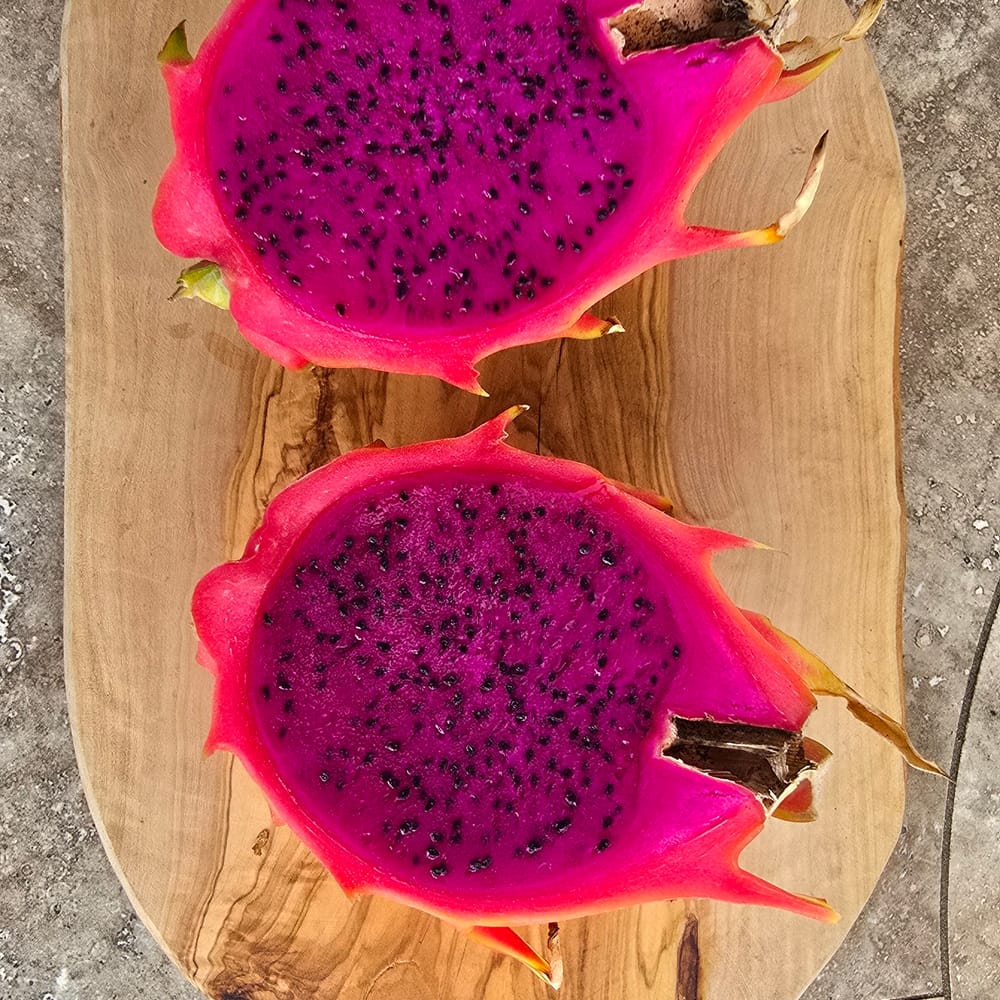
The visual identity of Halley's Comet is distinct from its white-fleshed parent. You will see bright pink to red skin marked by short, abbreviated green fins. This compact bract structure gives the fruit a denser, more rounded appearance compared to the elongated shape of Physical Graffiti Dragon Fruit. Inside, the flesh runs a deep purple to magenta. This signals the high antioxidant content typical of red-fleshed hybrids.
Heat tolerance is a standout feature for this cultivar. It handles full sun exposure with minimal stress or sunburn. This makes it a reliable choice for growers in hot climates. The vigorous growth habit supports this hardiness. The plant builds a strong trellis cover over time.
Grower Note: While Halley's Comet is heat-hardy, its slower growth rate means patience is required. It builds mass steadily. It does not rush to maturity like some aggressive white-fleshed types.
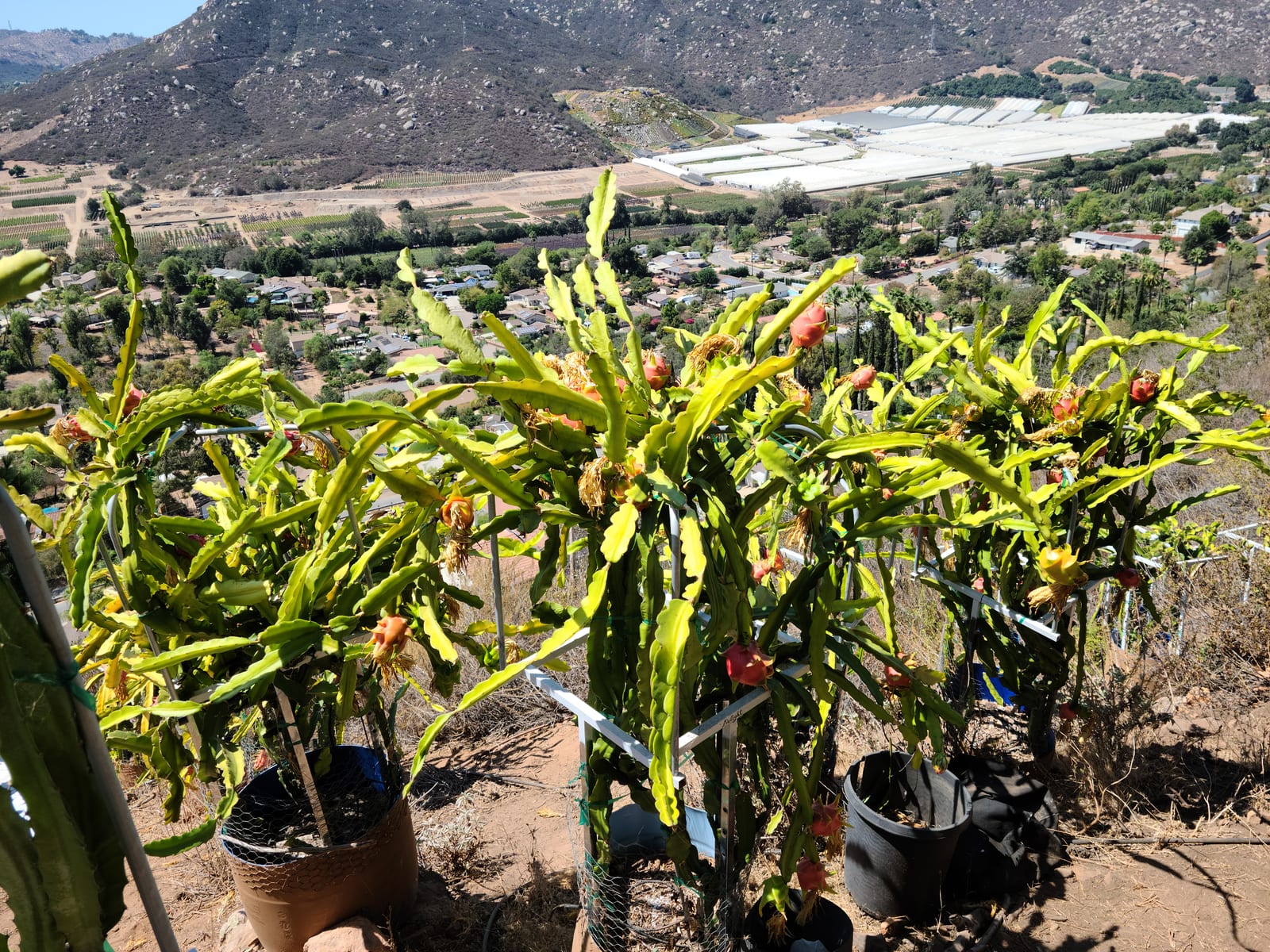
Halley's Comet vs. Physical Graffiti: What's the Difference?
Halley's Comet and Physical Graffiti share the exact same parentage. Both are hybrids of Hylocereus undatus and Hylocereus guatemalensis. This close genetic link means they look and taste similar at first glance. Experienced growers notice distinct differences in growth habit and fruit shape.
The most obvious difference is the fruit itself. Halley's Comet produces a slightly more rounded fruit. It typically weighs one to two pounds. Physical Graffiti tends to be more elongated. Halley's Comet also features abbreviated fins. These short green bracts give the fruit a denser, compact look compared to the longer fins of its sibling.
Growth rate is another key divider. Physical Graffiti is an aggressive grower. It puts on vine mass quickly. Halley's Comet is less aggressive. It is a hearty, slow-growing variety. You need more patience with Halley's Comet. It builds strength steadily rather than rushing to maturity.
Flavor profiles are close. Halley's Comet is sweet with complex berry notes. Both varieties offer a rich, juicy eating experience.
| Feature | Halley's Comet | Physical Graffiti |
|---|---|---|
| Fruit Shape | Slightly rounded | Elongated |
| Fins (Bracts) | Short / Abbreviated | Longer |
| Growth Rate | Strong but slow | Aggressive / Fast |
Choose Halley's Comet if you prefer a manageable vine and a compact fruit. Choose Physical Graffiti if you want rapid vine coverage and a longer fruit shape. Both are excellent additions to a diverse dragon fruit garden.
Taste and Flavor Profile
The flavor of Halley's Comet is rich and complex. It delivers a deep berry-like taste that goes beyond simple sweetness. Many growers describe the profile as a blend of grape and watermelon. The flesh is juicy and substantial. It offers a satisfying eating experience.
Some tasters compare the taste to mixed berry or strawberry. These notes add depth to the fruit. It is sweet but not cloying. The balance allows the natural fruit character to shine through.
Brix measures the sugar content in the fruit juice. Halley's Comet averages around 16 Brix. This level indicates a solid sugar presence. It provides a rich flavor that complements the texture of the flesh.
This variety shares its parentage with Physical Graffiti Dragon Fruit. Their flavor profiles are similar. Both offer that characteristic hybrid complexity. You can expect a consistent taste if you enjoy the notes found in its sibling.
Let the fruit ripen fully on the vine for the best flavor. Underripe fruit will lack the deep berry notes and may taste bland.
Growing Halley's Comet: Key Care Details
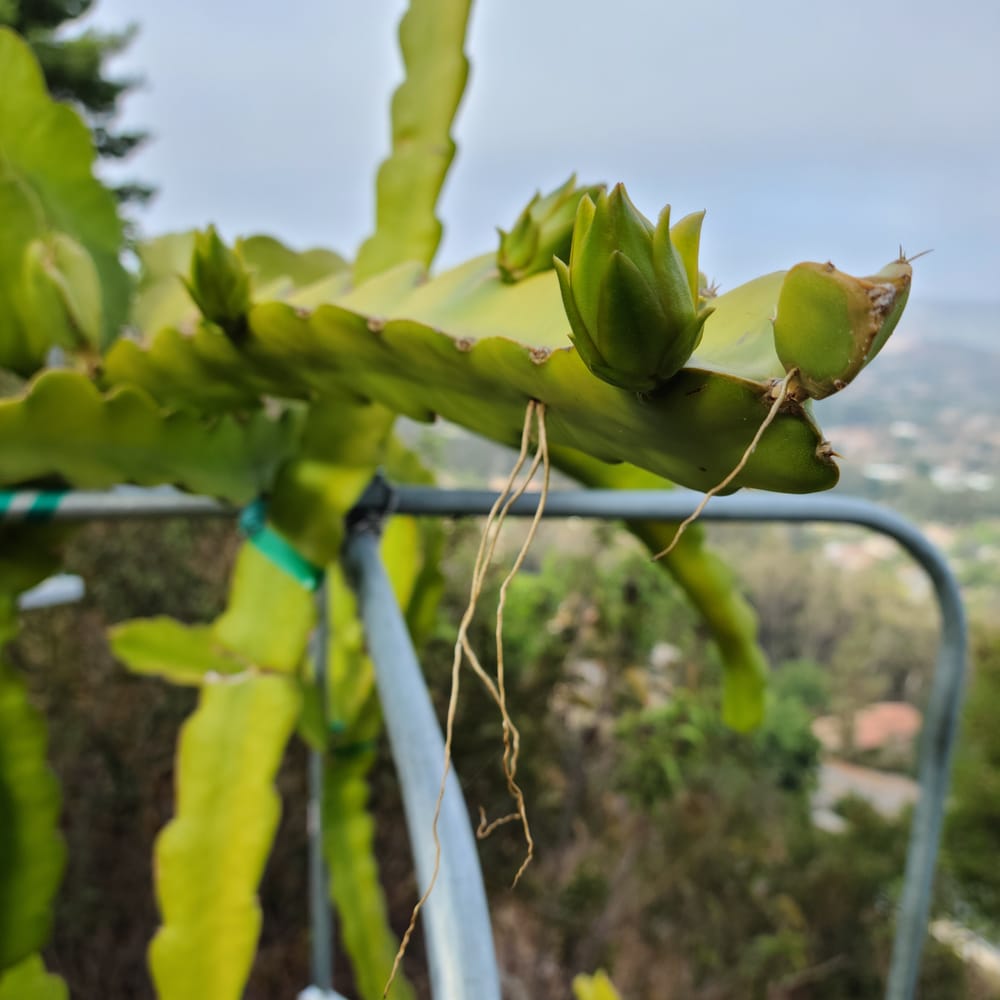
Halley's Comet is a sturdy plant that rewards patience. It does not race to maturity like some aggressive types. Instead, it builds vine mass steadily. This slower pace makes it easier to manage on a support structure. You get strong growth without the constant pruning battles.
Hardiness is a major advantage here. This hybrid handles temperature swings better than standard white-fleshed varieties. It tolerates heat well. It also shows improved cold tolerance. This reliability helps it survive in a wider range of climates.
| Requirement | Specification |
|---|---|
| Sun | Full sun with excellent tolerance |
| Soil | Cactus mix |
| Support | Sturdy support structure |
| Cold Tolerance | Improved over white-fleshed types |
| Growth Habit | Strong but less aggressive and slow-growing |
Use a cactus mix for the soil. It drains quickly and prevents root rot. A sturdy support structure is necessary. The vines become thick and woody over time. They need solid support to hold the weight of the fruit.
Grower Tip: Because this variety grows slower than Physical Graffiti Dragon Fruit, you have more time to train the vines. Use this period to shape the plant for maximum sun exposure and airflow.
Full sun is ideal. The plant handles intense heat with minimal stress. You will not see the sunburn issues common in sensitive varieties. This hardiness makes it a reliable choice for hot summers. It thrives rather than just survives.
Pollination: The Self-Sterile Catch
Halley's Comet is self-sterile. This means the plant cannot pollinate itself. You need a compatible neighbor to produce fruit. Without a partner, you will see beautiful blooms but no harvest. The pollen from one flower must reach the stigma of a flower on a different plant. This cross-pollination triggers the fruit set.
Some growers report occasional self-fruit-setting. Do not rely on this luck. It is rare and inconsistent. Planting a dedicated pollinator ensures a reliable crop every season.
Best Pairing: Any Hylocereus polyrhizus variety works best. These types are vigorous and produce abundant pollen. They are highly recommended for setting fruit on self-sterile hybrids.
Red-fleshed varieties like American Beauty also work well as companions. They bloom at similar times and provide the necessary genetic diversity. If you are already growing Physical Graffiti Dragon Fruit, keep in mind it shares the same parentage. Plant a different genetic line to ensure fruit set.
Hand Pollination Technique
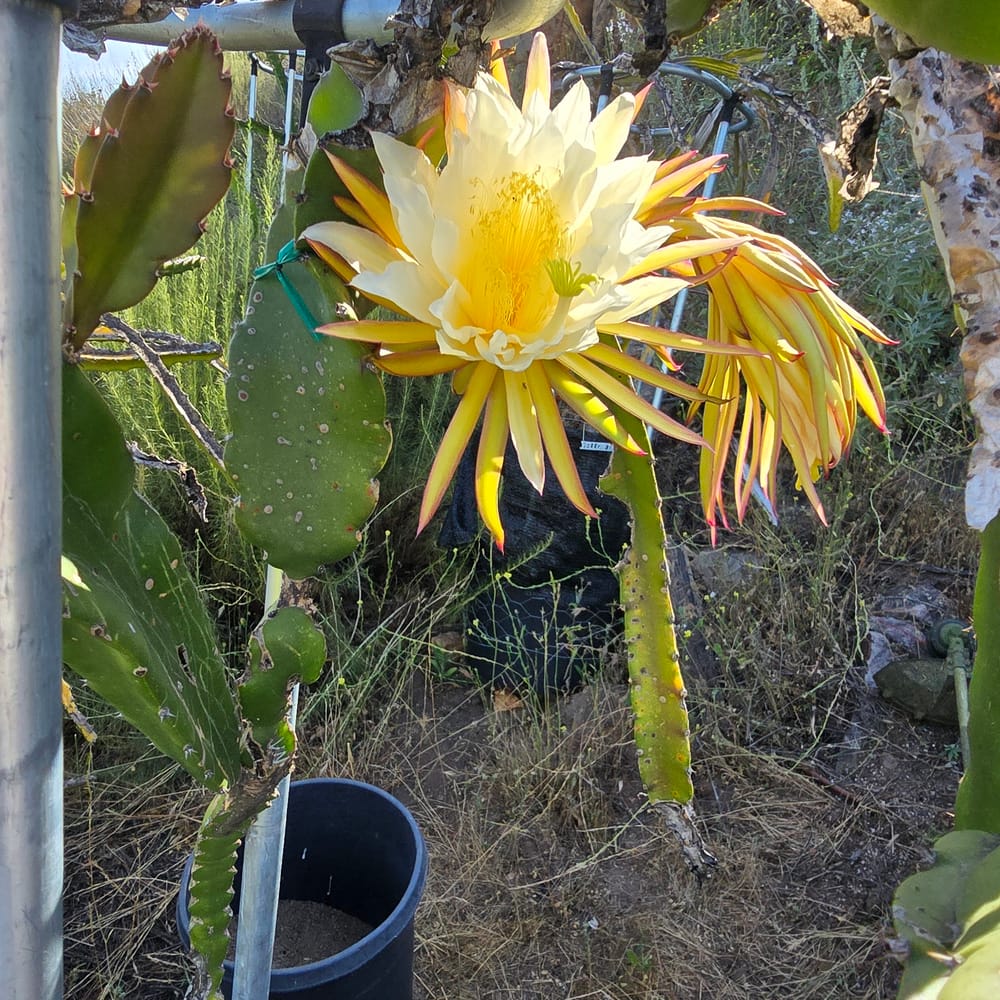
You can hand pollinate if you do not have a second plant nearby. This method gives you control over the fruit set. Wait until the flower is fully open. The blooms are large and fragrant. Use a small, clean paintbrush or a cotton swab.
- Collect pollen from the anthers of a compatible donor flower. The pollen is yellow and powdery.
- Gently brush the pollen onto the stigma of the Halley's Comet flower. The stigma is the central structure with multiple lobes.
- Repeat the process for each flower you want to fruit. Label the pollinated flowers with a tag or string so you can track them.
Hand pollination is tedious but effective. It guarantees fruit if you have the time. For most gardeners, planting a H. polyrhizus variety nearby is the easier long-term solution.
When Will My Halley's Comet Fruit?
Patience is the main ingredient for success with this variety. Unlike faster-growing types, Halley's Comet builds its structure steadily. You may wait up to 5 years from a cutting to see full fruit production. This timeline is normal for a hearty, slow-growing hybrid. Do not rush the process. A strong root system and thick vines lead to better yields later.
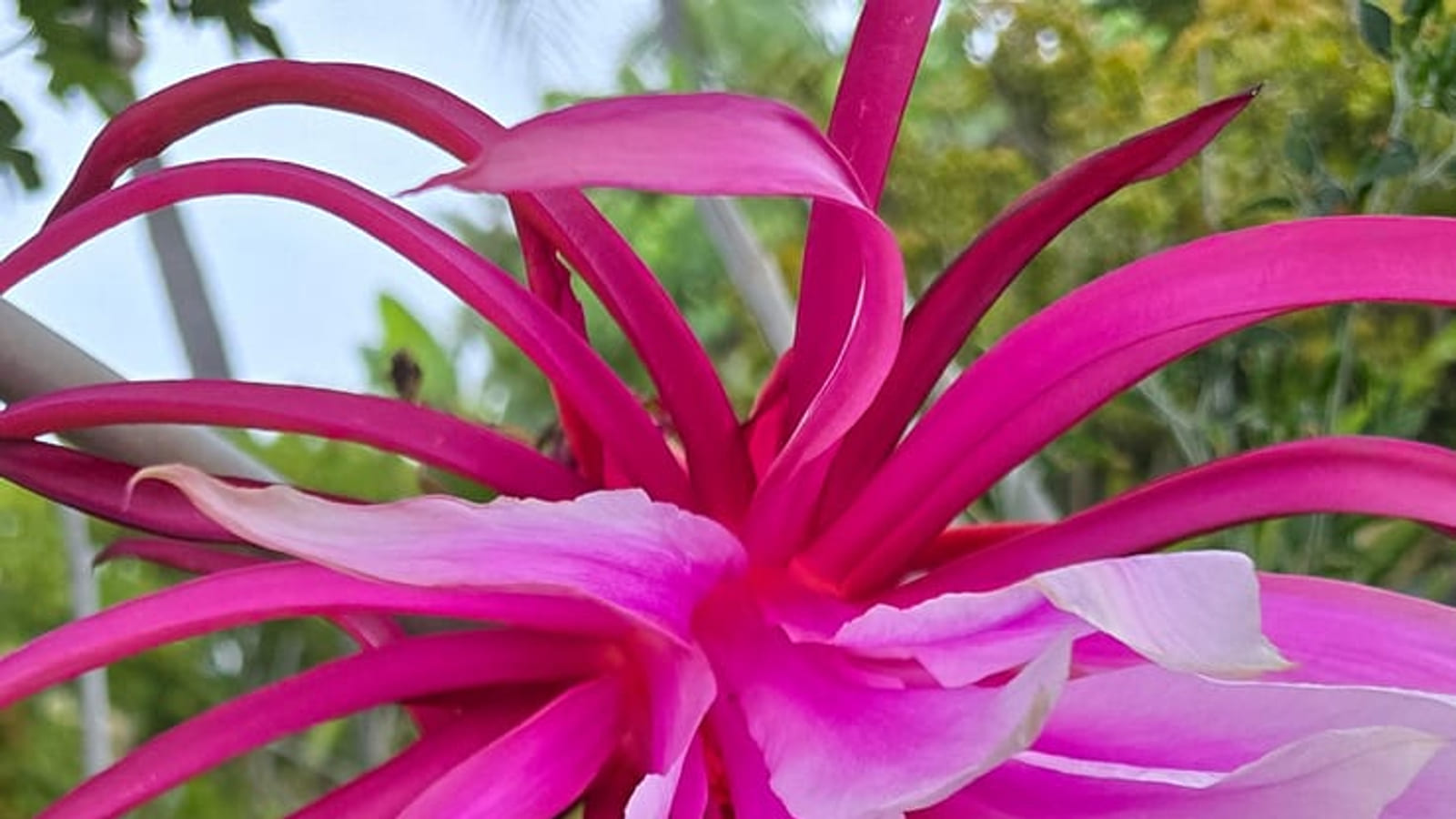
The visual reward starts long before the fruit appears. Expect huge flowers that measure over 13 inches across. These blooms open throughout the summer months. They are a spectacle in any garden. Each flower has the potential to set a fruit if pollination occurs.
Remember that Halley's Comet is self-sterile. You must have a compatible pollinator nearby to turn those large summer flowers into harvestable fruit. See our pollination guide for partner varieties.
Once the flowers set fruit, the harvest window opens. In most climates, you can pick fruit from July through December. This extended season provides a steady supply of sweet, magenta-fleshed dragon fruit. The taste profile remains consistent with its sibling, the Physical Graffiti Dragon Fruit, offering rich berry notes.