Giant Empress Dragon Fruit: 2 lb Fruits
Giant Empress is a rare, large-fruit white-fleshed dragon fruit cultivar. We rate it 5/5 for taste. It belongs to the vigorous Hylocereus undatus lineage, known for strong growth and high yields. If you need a plant now, check our in-stock white-fleshed options for similar vigorous growers.
Giant Empress vs Other Large Dragon Fruit Varieties
When comparing Giant Empress to other large-fruit options, the context is the white-fleshed Hylocereus undatus lineage. This group is the most common, vigorous, and productive category of dragon fruit, widely recognized for producing large fruit sizes. While most dragon fruits come in under 1 pound, Giant Empress stands out because some fruits weigh close to 2 pounds. This significant weight difference makes it a distinct choice for growers prioritizing yield volume and fruit mass over other standard white-fleshed cultivars.
From a cultivation standpoint, Giant Empress shares the same biological advantages as its undatus relatives. These plants are fast-growing climbing cacti. For a grower seeking the maximum potential of a large-fruited cultivar like Giant Empress, understanding its growth habits is key to enhancing production.
Size and Vigor Comparison
| Feature | Typical White-Fleshed Undatus | Giant Empress |
|---|---|---|
| Typical Fruit Weight | Under 1 pound | Close to 2 pounds |
| Growth Habit | Vigorous, productive climber | Vigorous, productive climber |
| Fertility | Mostly self-fertile | Mostly self-fertile |
It is worth noting that while Giant Empress is often listed as Selenicereus undatus by some growers, it remains part of the same vigorous lineage that defines the standard white-fleshed market. The primary differentiator is the exceptional fruit size. If you are looking to add a heavy producer to your garden, the undatus group offers reliable vigor, but Giant Empress pushes the upper limit of what is typically expected from this species. You can find more details on our Giant Empress cutting page to see how this variety fits into your current collection.
What the Fruit and Plant Look Like
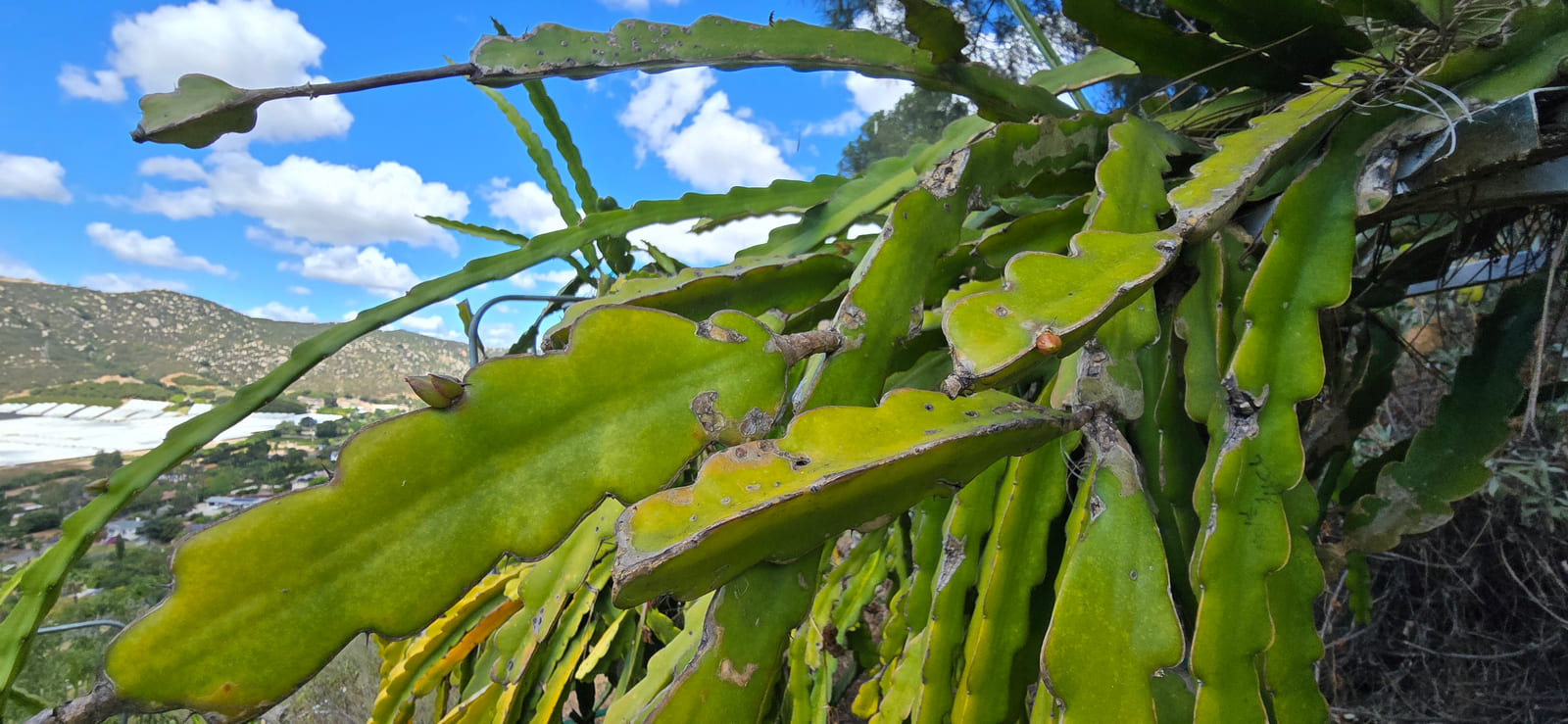
Visually, Giant Empress fits squarely into the classic white-fleshed dragon fruit profile. The plant itself is a vigorous, climbing cactus that sends out long, trailing stems. As these stems mature, they become quite heavy. The foliage consists of the familiar green, triangular stems with sharp spines along the edges. Because it belongs to the Hylocereus undatus lineage, you can expect robust growth that will quickly fill out a trellis or pole if given the space.
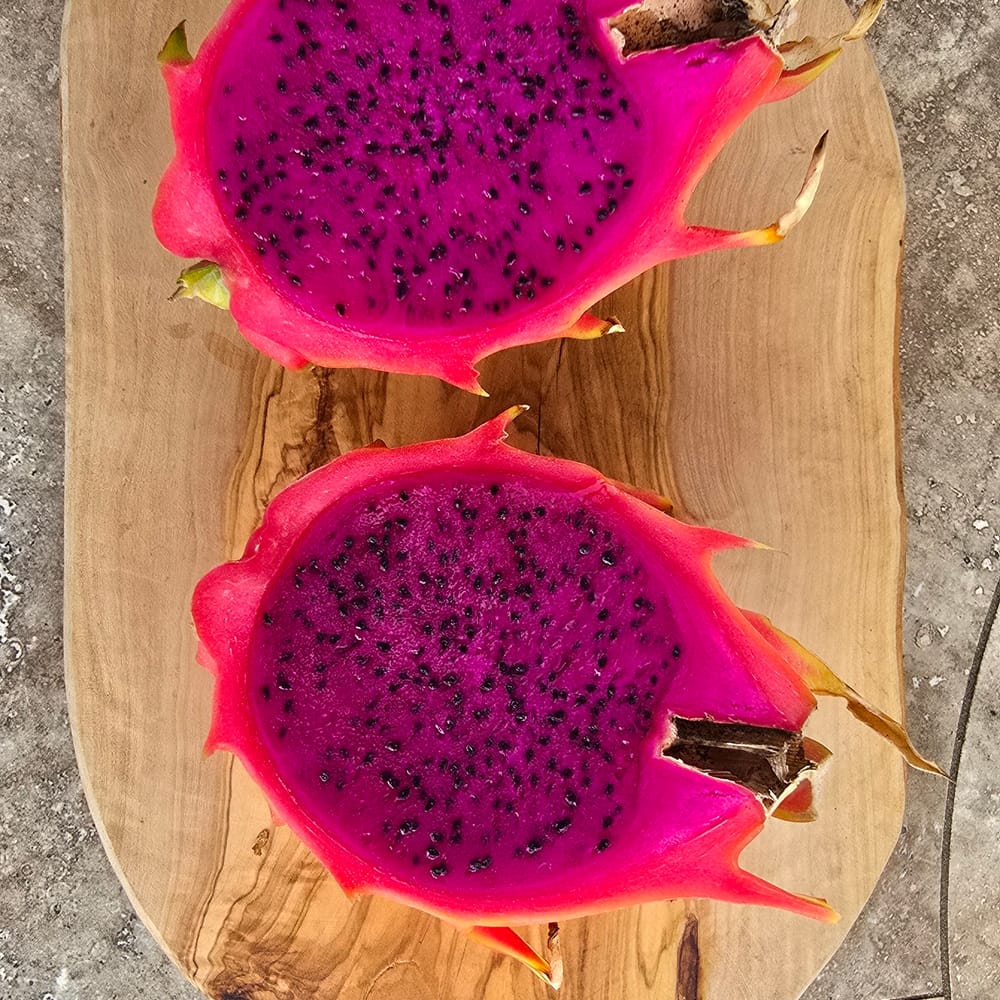
The fruit is where Giant Empress distinguishes itself. While the exterior resembles other white-fleshed varieties with a pinkish-red skin and green scales, the size is noticeably larger. Most standard dragon fruits weigh under 1 pound, but Giant Empress fruits often reach close to 2 pounds. This extra mass makes them look substantial on the vine. When you cut one open, the flesh is a bright, clean white. The texture is firm yet juicy, offering a pleasant crunch that gives way to a melt-in-your-mouth finish. The flavor profile is distinctly sweet, with notes of strawberry and apple balanced by a slight tartness. This combination creates a refreshing, high-quality eating experience that stands out in the white-fleshed category.
| Feature | Appearance / Characteristic |
|---|---|
| Plant Habit | Vigorous climber with heavy, trailing stems |
| Fruit Skin | Pinkish-red with green scales |
| Fruit Flesh | Bright white, firm, and juicy |
| Flavor Profile | Sweet strawberry and apple with slight tartness |
| Typical Size | Large, often close to 2 pounds |
One thing to keep in mind is that the exact breeding origin of Giant Empress is not widely documented in major nursery guides. It circulates as a rare cultivar among grower communities, often described as an exceptional variety with excellent Brix score, weight, and antioxidant count. Since it is not as commonly cataloged as some standard white-fleshed types, the best way to verify its specific look and growth pattern is to observe the plant itself once established. You can view photos and details on our Giant Empress cutting page to see what to expect from this rare variety.
Growing Giant Empress: Light, Soil, Support, Water
Giant Empress thrives in full sun, so position your plant where it receives direct light for the majority of the day. This exposure drives the vigorous growth characteristic of the Hylocereus undatus lineage. For the growing medium, use a well-drained cactus mix or soil. Standard garden soil often holds too much moisture, which can lead to root rot in these climbing cacti. A gritty, fast-draining blend ensures the roots get the oxygen they need while staying hydrated enough to support heavy fruit production.
Support and Structural Integrity
Because Giant Empress produces fruits that weigh close to 2 pounds, the stems become significantly heavier than those of standard varieties. A sturdy vertical support is not just helpful; it is essential. The plant naturally climbs, and training it up a pole or trellis keeps the heavy fruit off the ground and encourages the plant to produce more stems. If the support is too weak, the weight of the mature stems and fruit can cause the structure to fail, potentially damaging the plant or making harvest difficult. Ensure your support is robust enough to handle the extra mass of this large-fruited cultivar.
Watering and Fertilization
During the active growing season, keep the soil consistently moist but never waterlogged. Dragon fruit are cacti, but they are also tropical plants that require regular hydration to support rapid growth and fruit development. Use a complete or low-nitrogen cactus fertilizer to feed the plant during this period.
Cold Protection
Cold damage to dragon fruit starts below about 40 F. Giant Empress is not frost-hardy. In regions with hard freezes, you must protect the plant from cold temperatures. This may involve moving potted plants indoors or using frost covers for in-ground plants. Additionally, avoid overwatering in winter. When the plant is dormant or growth slows due to cooler temperatures, excess moisture in the soil can quickly lead to root rot. Reduce watering frequency during the colder months to keep the roots healthy.
From Cutting to Fruit: The Timeline
Because Giant Empress is propagated from stem cuttings, the path from a bare stick to a heavy, sweet fruit follows a predictable rhythm. The process begins with callusing. Cure the cut end in shade for about a week after receiving your cutting. This allows the wound to seal, which is critical for preventing rot once the plant enters the soil. During this initial period, the stem is dormant and not actively growing, but it is preparing its internal systems for root development.
Once the callus forms, you plant the cutting upright in a fast-draining mix. The next phase is the most patient part of the timeline. While the stem may look unchanged, the plant is working underground to establish a root system. UF Extension recommends allowing potted cuttings to develop roots for 4 to 6 months before permanent planting. During these months, the plant is building the structural foundation necessary to support the vigorous growth that follows. You will likely see new stem growth emerge from the top or sides of the cutting as the roots become established, signaling that the plant is ready to take off.
Establishing the Climber
After the root system is robust, you can move the plant to its permanent location. Dragon fruit are fast-growing climbing cacti, and Giant Empress is no exception. In the first year after permanent planting, the focus is on vegetative growth. The plant will send out long, trailing stems that need to be trained up the pole or trellis. This training is not just for aesthetics; it is a biological trigger. The traditional Vietnamese pole method stimulates heavy production by encouraging the plant to grow vertically.
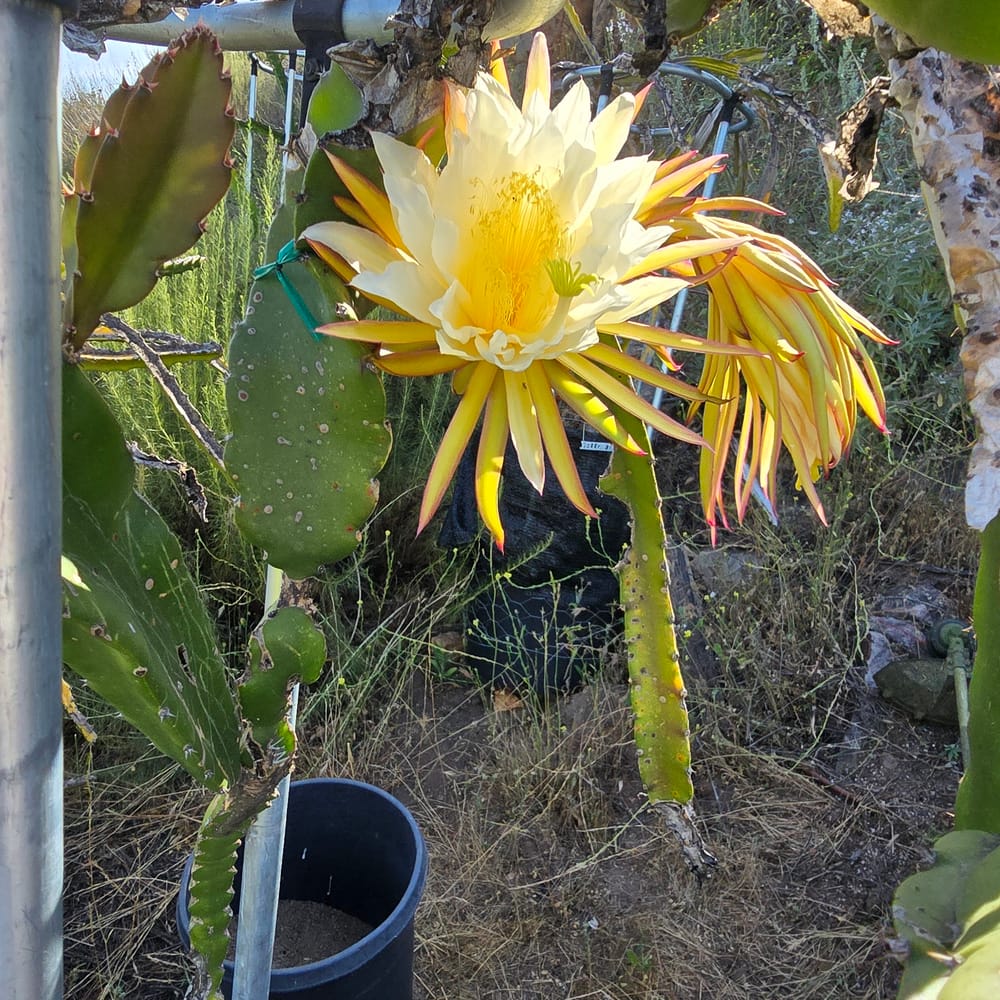
Once the plant has established a strong canopy of mature stems, it begins the reproductive phase. Dragon fruit flowers are nocturnal, opening at night and lasting less than 24 hours. In regions like San Diego, this typically aligns with the September through December months. If you have a compatible pollinator nearby, the fruit set will be more reliable. The fruit itself then takes time to develop on the vine. For a large-fruited cultivar like Giant Empress, the fruit needs sufficient time to fill out and reach its full potential size. This maturation period ensures the flesh develops its signature firm, juicy texture and sweet flavor profile.
Pollination and Fruit Set
Dragon fruit flowers are ephemeral, opening at night and lasting less than 24 hours. This short window makes pollination a critical step for fruit set. In nature, nocturnal pollinators like moths and bats handle this task. In a home garden, you may need to step in to ensure the flower is fully fertilized. If you see a flower open in the evening, check it the next morning. If the flower has dropped without a small fruit forming at the base, pollination likely failed. Manual pollination is simple. Use a small, soft brush or cotton swab to transfer pollen from the anthers (the pollen-bearing parts) to the stigma (the receptive center) of the same flower or a nearby one. This cross-pollination can help overcome any gaps in natural insect activity.
Boosting Set with a Partner Plant
While most white-fleshed Hylocereus undatus types are self-fertile, Giant Empress can benefit from a compatible neighbor. Planting a second variety nearby often improves both the rate of fruit set and the final size of the fruit. This is a practical strategy for maximizing the potential of a large-fruited cultivar. If you are growing Giant Empress alone, monitor your fruit set closely. If you notice many flowers dropping without setting fruit, consider adding a second plant in the next growing season. This approach is particularly useful if you are aiming for the maximum weight and quality associated with this variety.
Tip: If you live in an area with few nocturnal pollinators, manual pollination is your best bet. Do this on the night the flower opens or the morning after. Consistency is key.
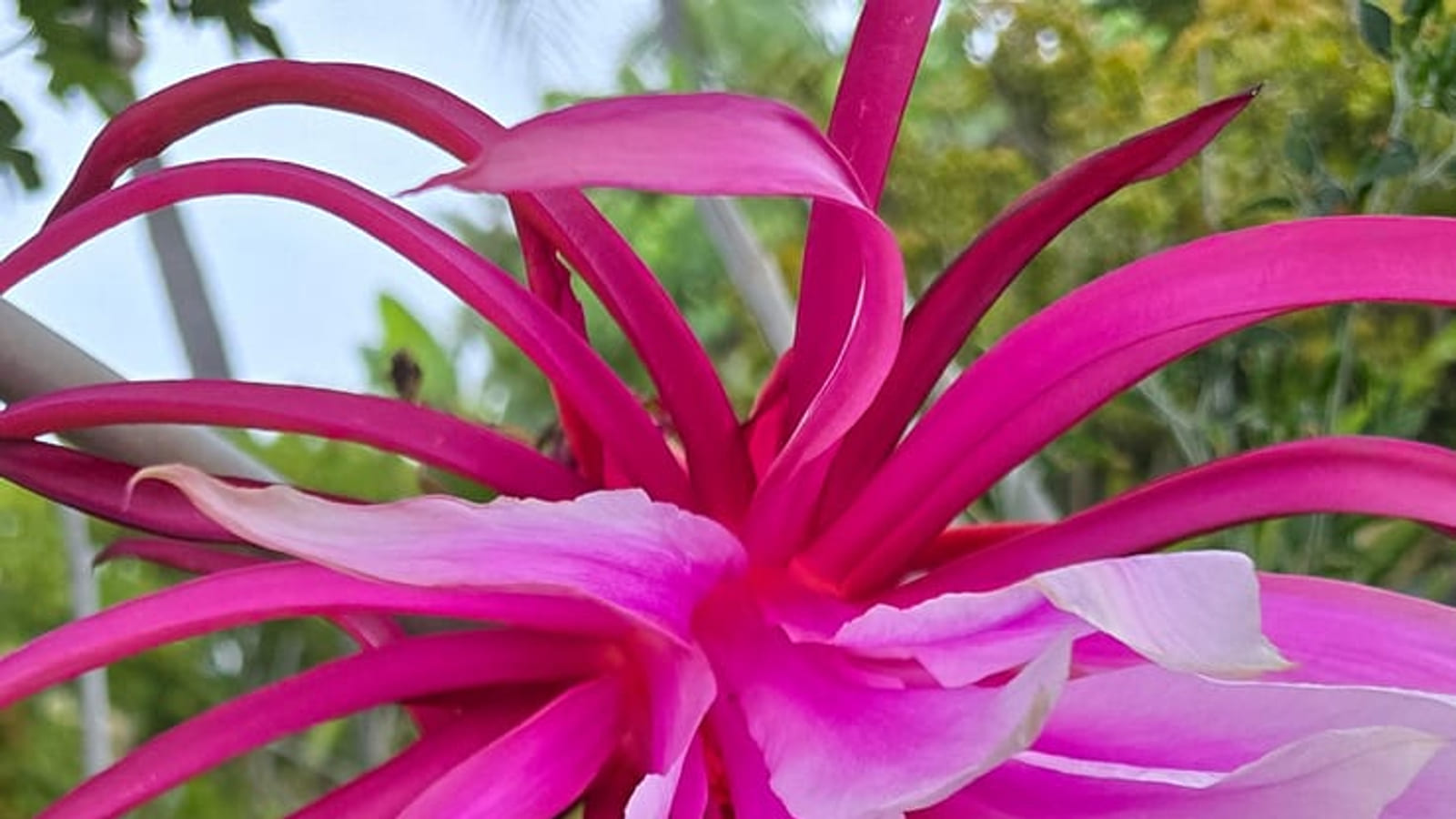
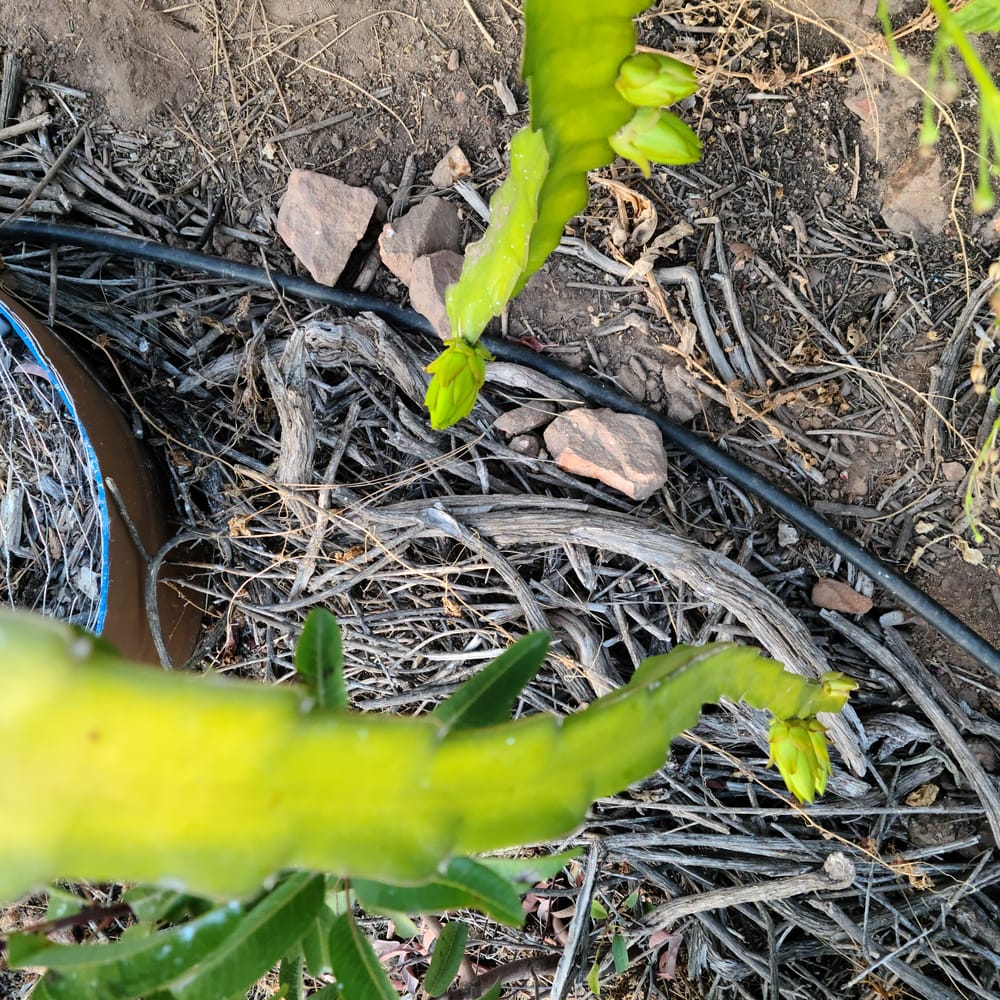
Once pollinated, the flower will wilt and drop, leaving behind a small, green fruit. This fruit will grow rapidly over the coming weeks. As the fruit matures, it will change color from green to a pinkish-red hue. This visual cue indicates the fruit is nearing ripeness. Keep in mind that the fruit will continue to ripen on the vine.
| Stage | Indicator | Action |
|---|---|---|
| Flower Open | Large white flower, opens at night | Manual pollination if needed |
| Fruit Set | Small green fruit remains after flower drops | Monitor for growth |
| Maturity | Color shifts to pinkish-red, skin smooths | Prepare for harvest |
Successful pollination leads to the heavy, sweet fruits that define Giant Empress. For more details on the specific characteristics of this cultivar, visit our Giant Empress cutting page.
Why It's Worth Waiting For (and What to Buy in the Meantime)
Patience is a virtue in dragon fruit gardening, but Giant Empress demands a specific kind of restraint. You are not just waiting for a plant; you are waiting for a specific genetic expression that delivers exceptional size. For a grower focused on yield volume and the sheer satisfaction of harvesting a heavy fruit, that difference is the entire point. It is a distinct eating experience that justifies the waitlist.
While you wait for the next restock of the 'GE' cutting, you have two practical options. The first is to secure your spot in the queue. Joining the waitlist on our Giant Empress cutting page ensures you are notified the moment stock arrives. This is the most direct path to getting the specific cultivar you want. The second option is to fill your support structure with a compatible partner right now. Since Giant Empress belongs to the vigorous Hylocereus undatus lineage, it thrives alongside other white-fleshed varieties. Planting a second variety nearby often improves fruit set and size for both plants. This is not just a backup plan; it is a strategic move to maximize your overall production.
Choosing Your Interim Companion
When selecting an in-stock alternative to plant while you wait, look for vigor and compatibility. You want a plant that can handle the same full sun and well-drained soil as Giant Empress. A vigorous, large-fruited white-fleshed variety is the ideal temporary resident. It will keep your trellis active, your hands busy, and your harvest bin filling while you await the rare Giant Empress cutting.
Do not let the wait discourage you. The time you spend establishing a healthy, vigorous companion plant is time well spent. You are building the foundation for a high-yield dragon fruit tower. When Giant Empress finally arrives, it will slot into an already productive system, ready to deliver those exceptional, heavy fruits that make it a top choice for serious growers.
Illustration generated for this article