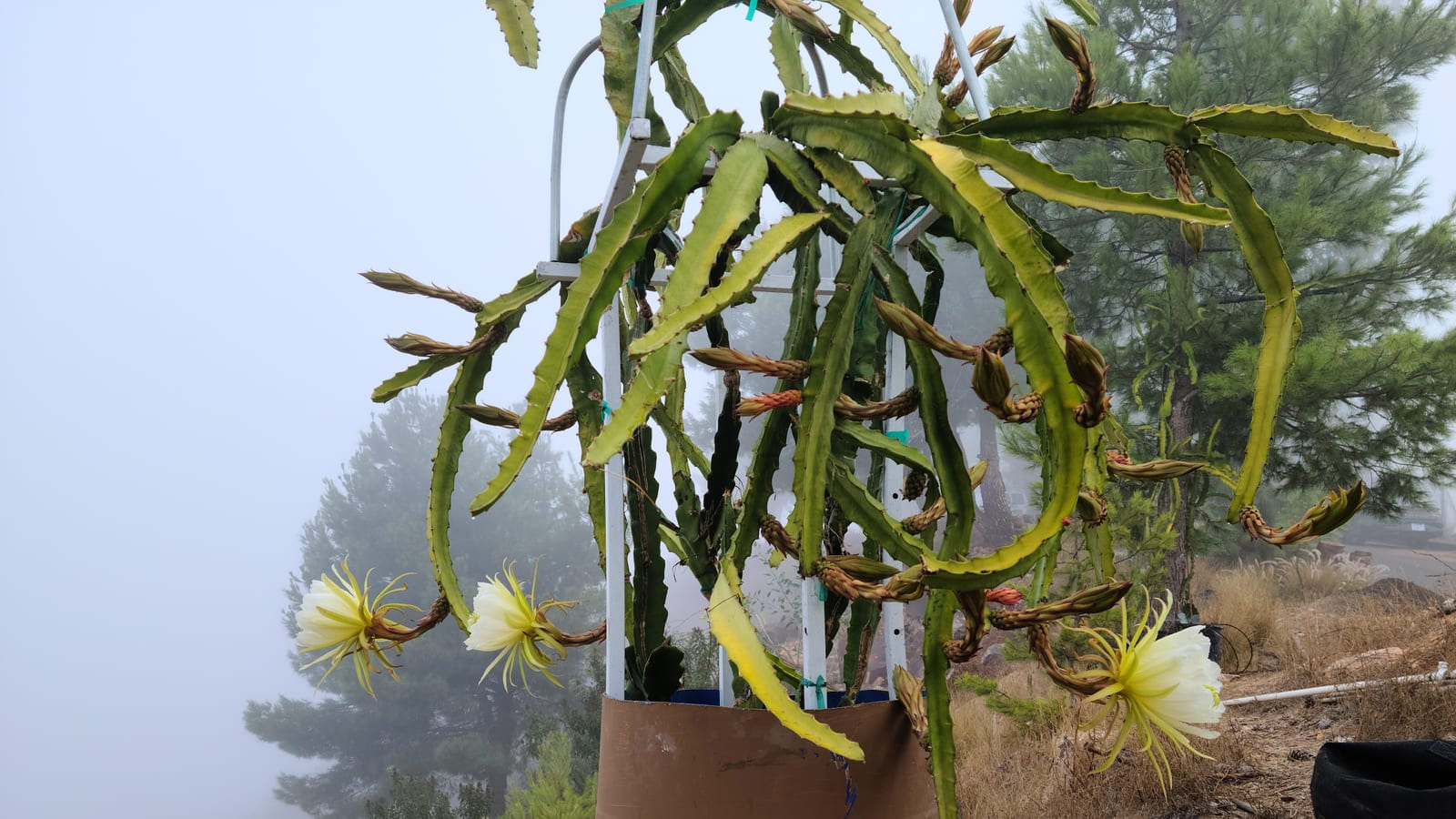
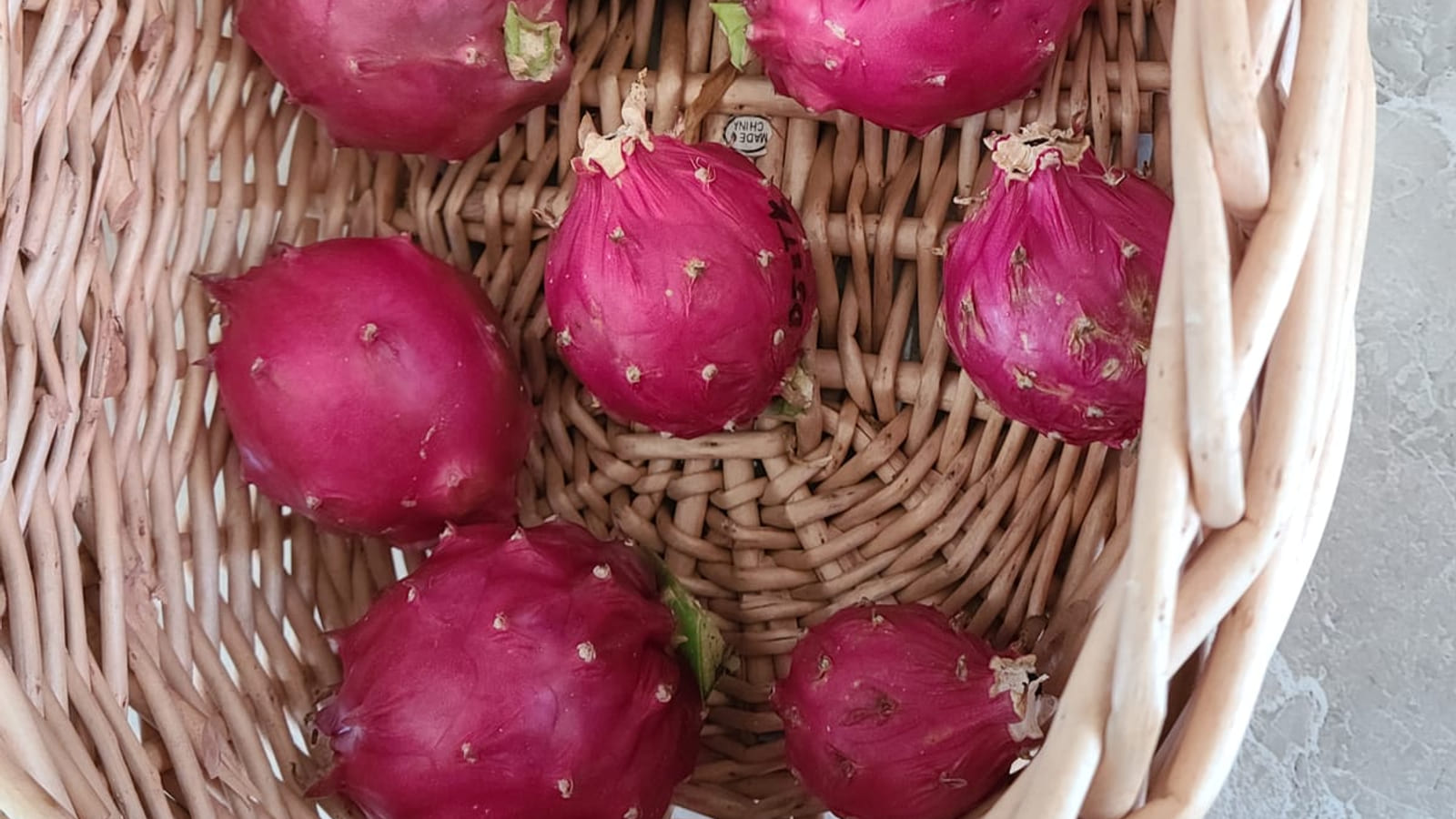
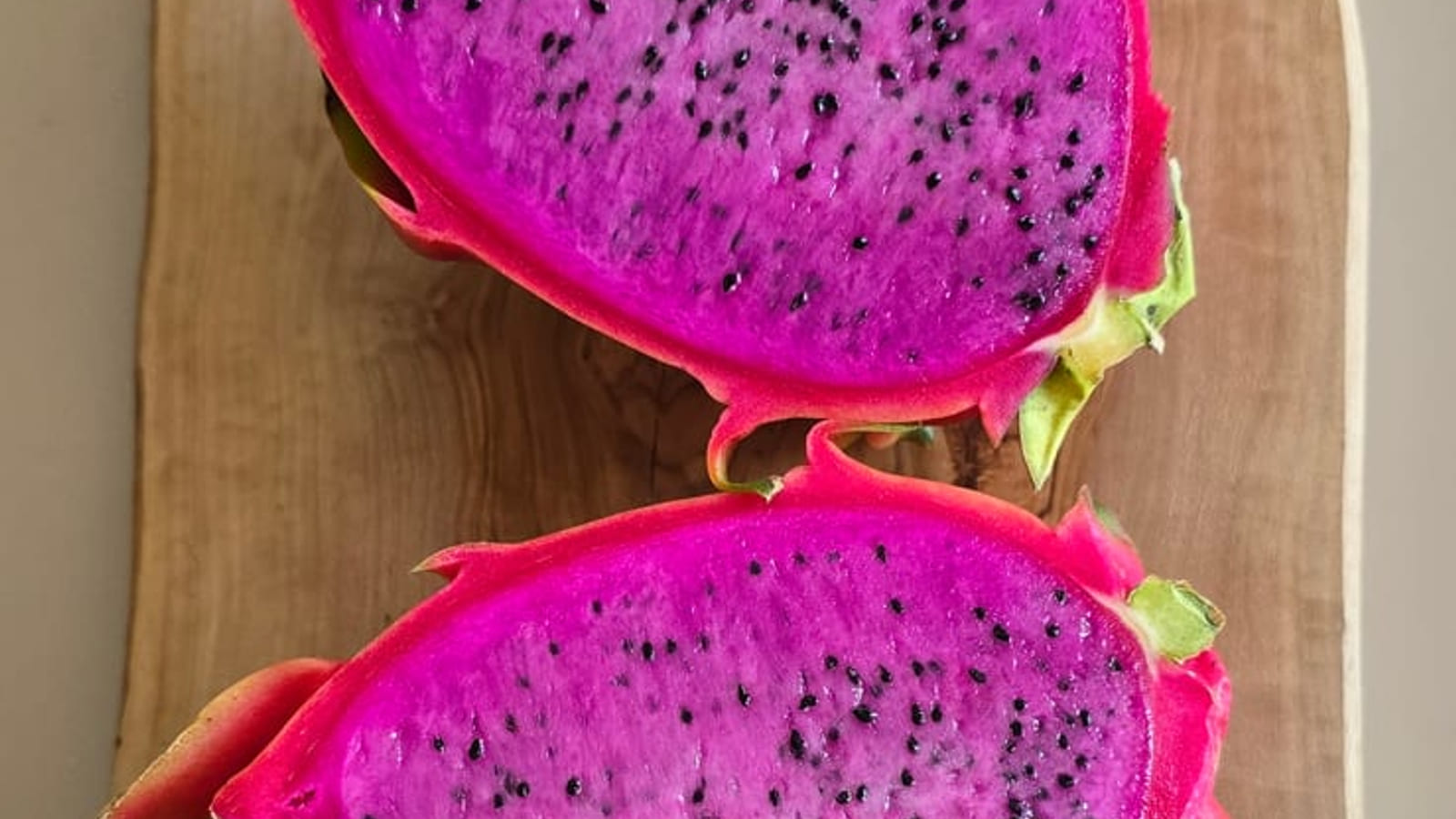
White, Red, and Yellow Dragon Fruit Taste Guide
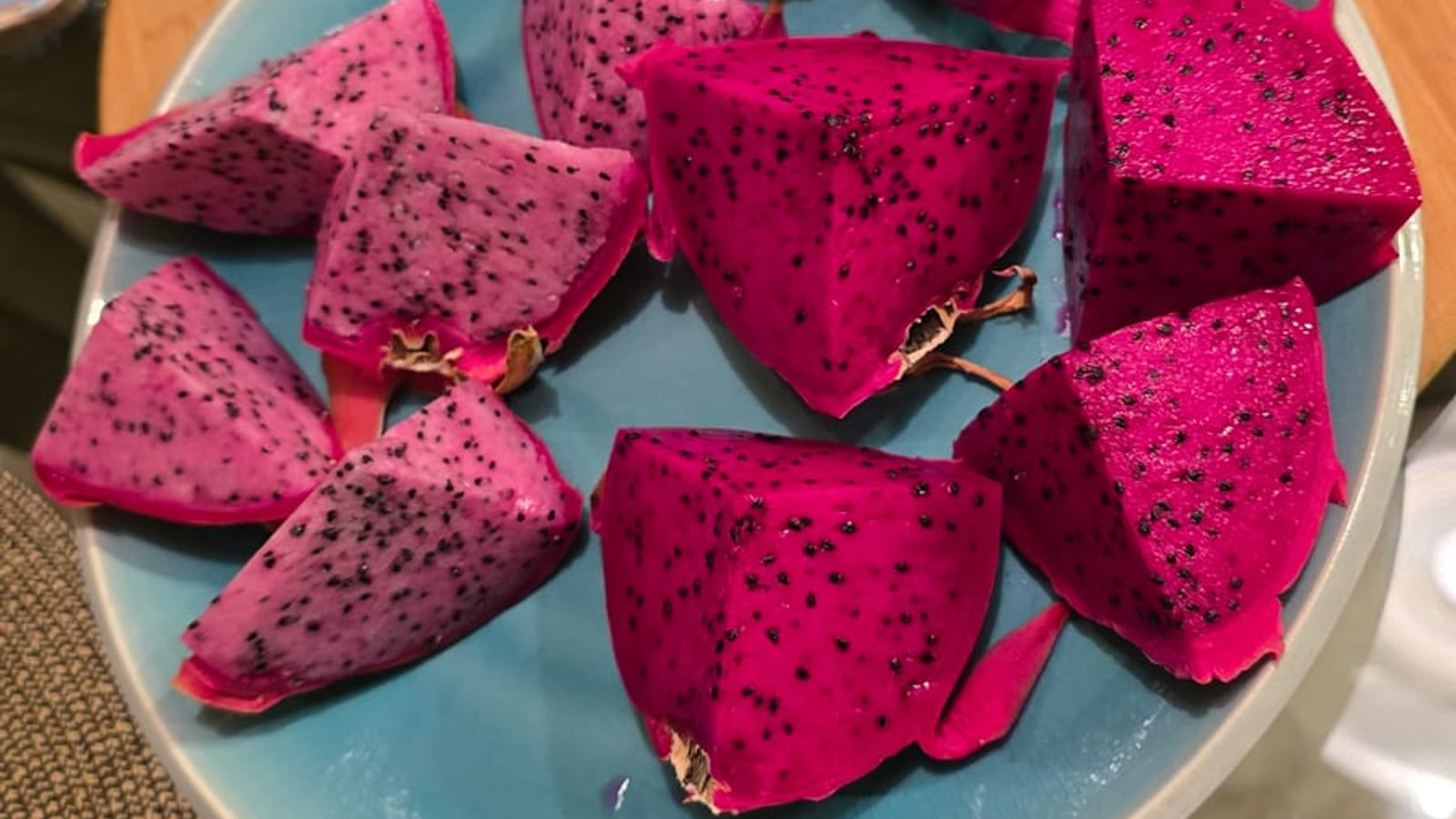
Dragon fruit tastes like a cross between kiwi and watermelon, featuring mild sweetness, subtle floral notes, and a crisp, juicy texture studded with tiny crunchy seeds. The specific flavor profile depends heavily on the flesh color, which is the strongest predictor of taste. White-fleshed varieties are mild and refreshing, while red-fleshed types offer a sweeter, berry-like taste. Yellow-skinned Palora is the sweetest, with a honey-like intensity and virtually no sourness.
Brix levels, or dissolved solids, help explain these differences. White flesh typically sits around 10 to 13 Brix, red flesh ranges from 13 to 15 Brix, and yellow Palora can reach 18 to 22 Brix. However, sugar content is not the whole story. Acidity, aroma, and seed crunch shape the final perception. A lower-sugar fruit with complex berry notes can taste more interesting than a bland, high-sugar option. For a deeper look at how these traits develop on the vine, check out our guide to identifying ripe dragon fruit.
White vs red vs yellow: the three flavor tiers
While the baseline taste is often described as a mix of kiwi and watermelon, the specific experience shifts dramatically depending on the flesh color. White-fleshed varieties, such as the common supermarket type, are the mildest of the group. They offer a light sweetness and subtle floral notes, but the crisp, airy texture and slight tang can feel underwhelming to those expecting a bold tropical punch. This is often the variety that disappoints first-timers because it lacks the depth found in its colored counterparts.
Red-fleshed types, including cultivars like Sugar Dragon and Royal Red, move into berry territory. The flavor profile leans toward strawberry and raspberry, with some tasters detecting a faint tomato-like note. The flesh is softer and less crisp than the white varieties, creating a different textural experience. While standard red flesh typically measures in the mid-teens for Brix, standout cultivars can push higher, offering a sweeter, more complex profile that feels less like a simple melon and more like a mixed berry fruit.
Yellow-skinned Palora sits at the top of the sweetness hierarchy. This variety delivers a honey-like intensity with virtually no sourness. The flesh is softer, juicier, and slightly chewy compared to the crispness of white dragon fruit. Because it reaches the highest Brix levels, the flavor is often described as dessert-level sweet, with a subtle floral aroma that complements the high sugar content. If you are looking for the most intense sweetness available, this is the tier to target.
| Flesh Color | Flavor Profile | Texture |
|---|---|---|
| White | Mild, refreshing, slight tang | Crisp, airy, juicy |
| Red | Berry-like, sweet, faint tomato note | Softer, less crisp |
| Yellow (Palora) | Honey-like, intense, no sourness | Soft, juicy, slightly chewy |
Sugar content alone does not determine enjoyment. A lower-sugar fruit with complex berry notes can taste more interesting than a bland, high-sugar option. Acidity, aroma, and the signature seed crunch all shape the final perception. For a deeper look at specific cultivars that excel in these areas, check out our guide to best-tasting-dragon-fruit-varieties.
What is Brix and why it explains sweetness (with the scale as a table)
Brix is the standard metric for measuring fruit sweetness. It quantifies dissolved solids, which in dragon fruit are primarily sugars. While flesh color gives you a general idea of the flavor tier, Brix tells you exactly where that fruit lands on the sweetness spectrum. Most commercial dragon fruit sold globally sits around 12 to 15 Brix. However, the scale extends much higher for premium varieties. A fruit measuring 18 to 22 Brix is dessert-level, with a syrupy intensity that changes the eating experience entirely.
| Brix Range | Perception | Typical Dragon Fruit |
|---|---|---|
| 10 to 14 | Mildly sweet, refreshing | White flesh |
| 15 to 17 | Sweet, pleasant, complex | High-quality red flesh |
| 18 to 22+ | Dessert-level, syrupy | Yellow-skinned Palora |
Brix is not the whole story. A high number does not automatically guarantee a great taste. Acidity, aroma, seed crunch, and texture all shape how you perceive the fruit. A 15-Brix white variety with real berry notes can taste more interesting than a bland 19-Brix red. Tasters regularly rank lower-sugar fruits above sweeter ones when the flavor complexity differs. The sugar provides the base, but the other elements provide the character.
Why your first crop might taste different
If you are growing your own plants, be patient with the first year. Young plants often produce mediocre, lower-sugar fruit because their root systems are not yet fully established. It is common for a variety to jump from around 14 Brix in year one to 18 to 20 Brix in years two and three. Do not judge a variety on its first crop. Once the plant matures, it can reach its full genetic potential for sweetness. For a deeper look at specific cultivars that excel in these areas, check out our guide to best-tasting-dragon-fruit-varieties.
What makes some dragon fruit sweeter than others
While flesh color sets the baseline for flavor, the actual sugar content of a specific fruit is heavily influenced by its environment. Climate and growing conditions drive Brix levels more than genetics alone. Hot days combined with cool nights encourage the plant to concentrate sugars in the fruit. Dry climates generally produce sweeter crops than wet ones because the plant is not diluting its resources with excess water. Conversely, heavy watering right before harvest can water down the flavor, resulting in a fruit that tastes less intense.
Timing is just as critical as weather. Fruit that ripens slowly on the vine develops more complex sugars than fruit picked early. This is why the ripeness of the fruit in your hand is the best predictor of how it will taste. Look for skin that has fully changed color, moving from green to bright pink or fuchsia for red types, or deep yellow for Palora. The fruit should yield slightly to a gentle squeeze, and the wing tips of the leafy scales should be starting to dry and brown. If the fruit is still green or feels hard, it is under-ripe. This stage is noticeably less sweet and more watery, lacking the depth found in fully matured fruit.
Grower's Note: Young plants often produce mediocre, lower-sugar fruit in their first year. Once the root system is established, the same variety commonly jumps to higher Brix levels in subsequent years. Do not judge a variety's potential based on its first crop.
Because dragon fruit does not ripen significantly after picking, you cannot add sugar in storage. It keeps at room temperature for a few days and stores refrigerated for a week or two, but cold does not increase sweetness. If the fruit needs to get sweeter, that process must happen on the vine. For a deeper look at specific cultivars that excel in these areas, check out our guide to best-tasting-dragon-fruit-varieties.
How to pick the sweetest one at the store
Since dragon fruit does not ripen significantly after picking, the sugar content is locked in before it reaches the shelf. You cannot wait for a bland fruit to develop flavor in your fruit bowl. Cold storage preserves freshness but does not add sweetness. If the fruit still needs to get sweeter, that process must happen on the vine. This means your selection at the store is your only chance to secure a high-quality eating experience.
Start by checking the skin color. For red-fleshed varieties, look for a bright pink or fuchsia hue. Avoid fruit that still shows significant green patches, as this indicates the fruit was picked under-ripe. Under-ripe dragon fruit is noticeably less sweet and tends to have a watery texture. The skin should be fully colored to signal that the fruit has completed its development on the plant.
Next, assess the texture with a gentle squeeze. The fruit should yield slightly to pressure, similar to a ripe kiwi, passionfruit, or melon. If it feels hard and rigid, it is likely under-ripe and will lack the desired softness and juiciness. You are looking for a fruit that is slightly soft, indicating the flesh inside is tender and juicy.
Inspect the wing tips of the leafy scales for a subtle sign of maturity. On a perfectly ripe fruit, these tips often begin to dry out and turn brown. This is a natural part of the ripening process and is a good indicator that the fruit has had time to fully develop its sugars. Fresh, green wing tips often correlate with fruit that was harvested too early.
If you are choosing between a white-fleshed and a red-fleshed option, remember that the red variety generally offers a sweeter, berry-like profile, while the white is milder and more refreshing. For the highest potential sweetness, look for yellow-skinned Palora if it is available, as this variety consistently reaches the highest Brix levels.
Ultimately, the best fruit is one that shows signs of full maturity on the vine. Look for the combination of full color, slight give, and dried wing tips. These indicators suggest the fruit had the time and conditions to concentrate its sugars. If you are looking for specific cultivars that are known for high sweetness and complex flavor, check out our guide to best-tasting-dragon-fruit-varieties to know exactly what to look for on the label or in the produce bin.
FAQ
Why does my homegrown dragon fruit taste different from the store?
Commercial fruit is often picked early to survive shipping, which leaves it under-ripe and watery. Homegrown fruit that ripens fully on the vine concentrates its sugars and develops the complex aroma that store-bought versions lack. If your fruit is still green or firm, it is not ready. Wait until the skin is fully colored and the fruit yields slightly to a gentle squeeze.
Is the seed crunch normal?
Yes. The tiny black seeds are a defining textural feature of the fruit. They provide a crisp, crunchy bite similar to kiwi or passionfruit. This crunch is part of the eating experience and should not be removed or avoided.
Can I make the fruit sweeter after picking it?
No. Dragon fruit does not continue to ripen significantly after harvest. Cold storage preserves the fruit but does not add sugar. If the fruit is not sweet when picked, it will not get sweeter on the counter or in the fridge. Sweetness is determined by the conditions on the vine, such as heat, dryness, and the timing of the final watering.
Why did my first crop taste bland?
Young plants often produce lower-quality fruit while their root systems are still establishing. It is common for a variety to produce mediocre, lower-sugar fruit in the first year and then improve dramatically in subsequent years. Do not judge a cultivar’s potential based on its first harvest. Give the plant time to mature before expecting peak flavor.
Does the skin color change the taste?
The skin color is a visual cue for the flesh color inside, which is the primary driver of flavor. White-fleshed fruit is mild, red-fleshed fruit is berry-like, and yellow-fleshed Palora is intensely sweet. If you are looking for specific cultivars that maximize these flavor profiles, see our guide to best-tasting-dragon-fruit-varieties.