Bahamut Dragon Fruit: Yellow Skin, Red Flesh, Self-Fertile
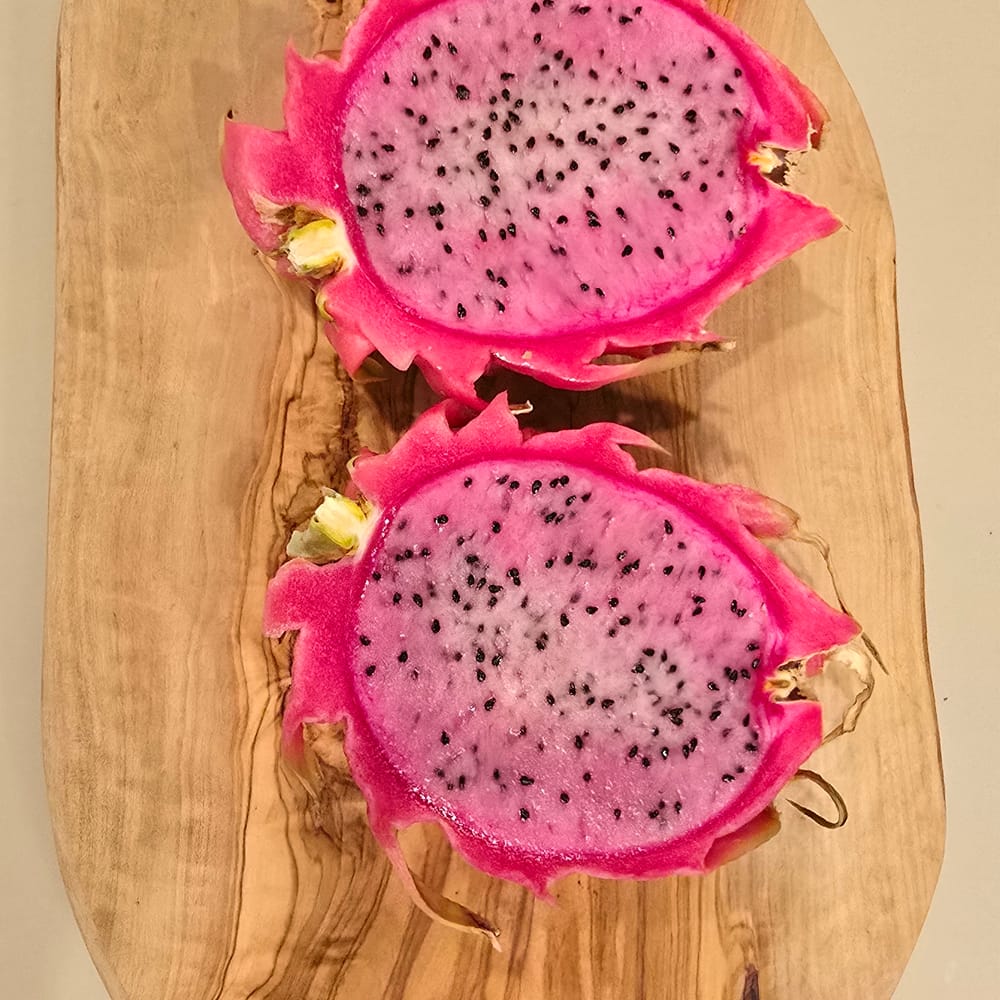
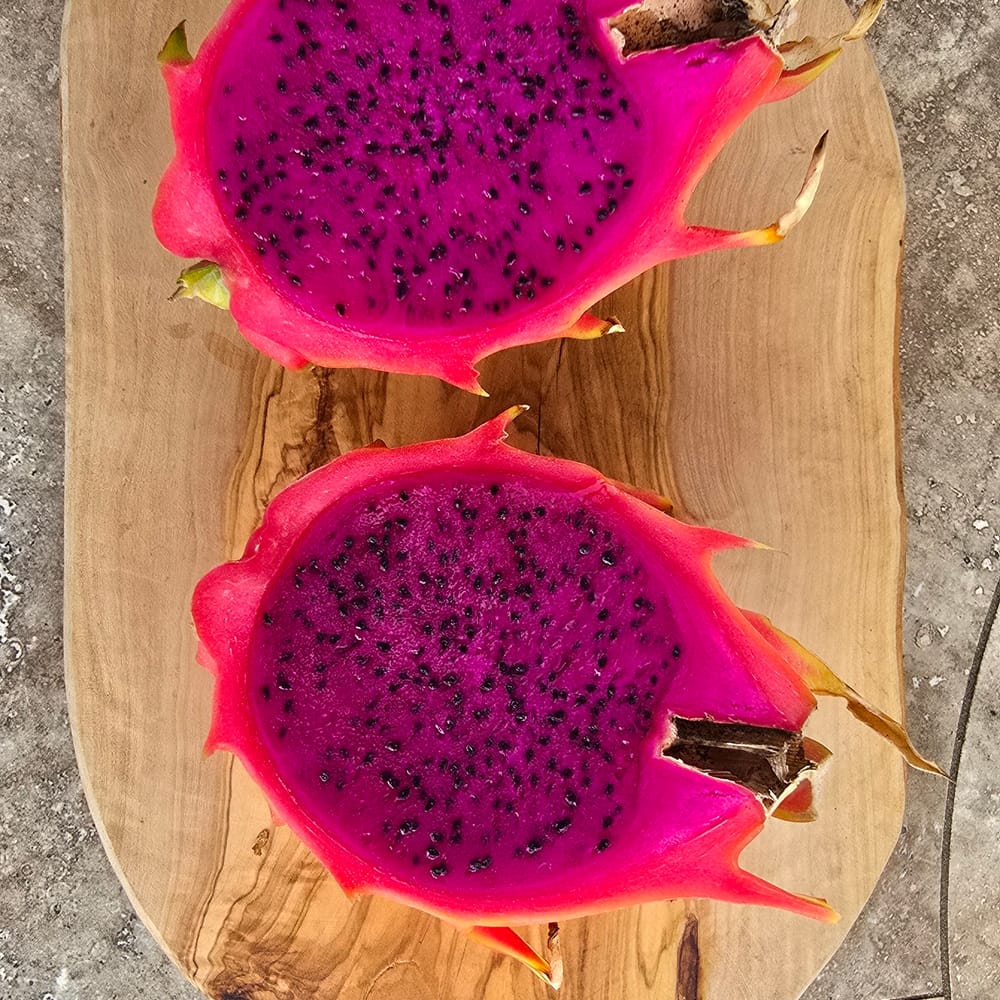
Bahamut dragon fruit is a self-pollinating hybrid from Taiwan that delivers rare yellow skin with vibrant red flesh inside. You get large, exceptionally sweet fruit with a smooth, creamy texture and tropical notes of banana, mango, and pineapple. This variety combines the best traits of yellow-skinned and red-fleshed species into one vigorous plant. Because it is self-fertile, a single cutting is enough to produce fruit without needing a separate pollinator. The bright yellow exterior hides deep red meat, a color combination that does not occur naturally in wild species. Growers appreciate the heavy stems and substantial fruit size. We have Bahamut cuttings in stock for gardeners who want this unique flavor profile. Start your grow with healthy tissue from our nursery. Learn more about our dragon fruit cuttings.
Bahamut Dragon Fruit at a Glance
Self-fertile dragon fruit varieties are increasingly popular because beginners can grow a single plant and still get fruit. This convenience removes the guesswork from pollination. You do not need to manage multiple varieties or track bloom times for cross-pollination. Bahamut fits this category perfectly. It sets fruit reliably on its own. This trait makes it a practical choice for gardeners with limited space or those new to cactus cultivation. The plant handles the reproductive work internally. You simply provide the support and water. The result is a steady supply of high-quality fruit from one cutting. This reliability is rare in the red-fleshed category. Most red varieties demand a partner. Bahamut stands alone. It offers the complexity of a hybrid with the ease of a self-pollinator. Growers appreciate this balance. It simplifies the garden layout. It also reduces the risk of failed harvests due to poor pollinator match. The plant focuses energy on growth and fruit set. You get a vigorous vine that rewards patience with large, sweet yields. The combination of ease and quality defines this variety. It is a smart addition to any collection. Whether you grow for taste or novelty, Bahamut delivers. The single-plant requirement lowers the barrier to entry. You can start small and expand later. The genetics are stable. The performance is consistent. This makes it a dependable crop for home growers. The market for self-fertile types is growing. Bahamut leads that trend with its unique color profile. It proves that convenience does not mean compromise. You get premium flavor without the hassle. The plant does the heavy lifting. You enjoy the harvest.
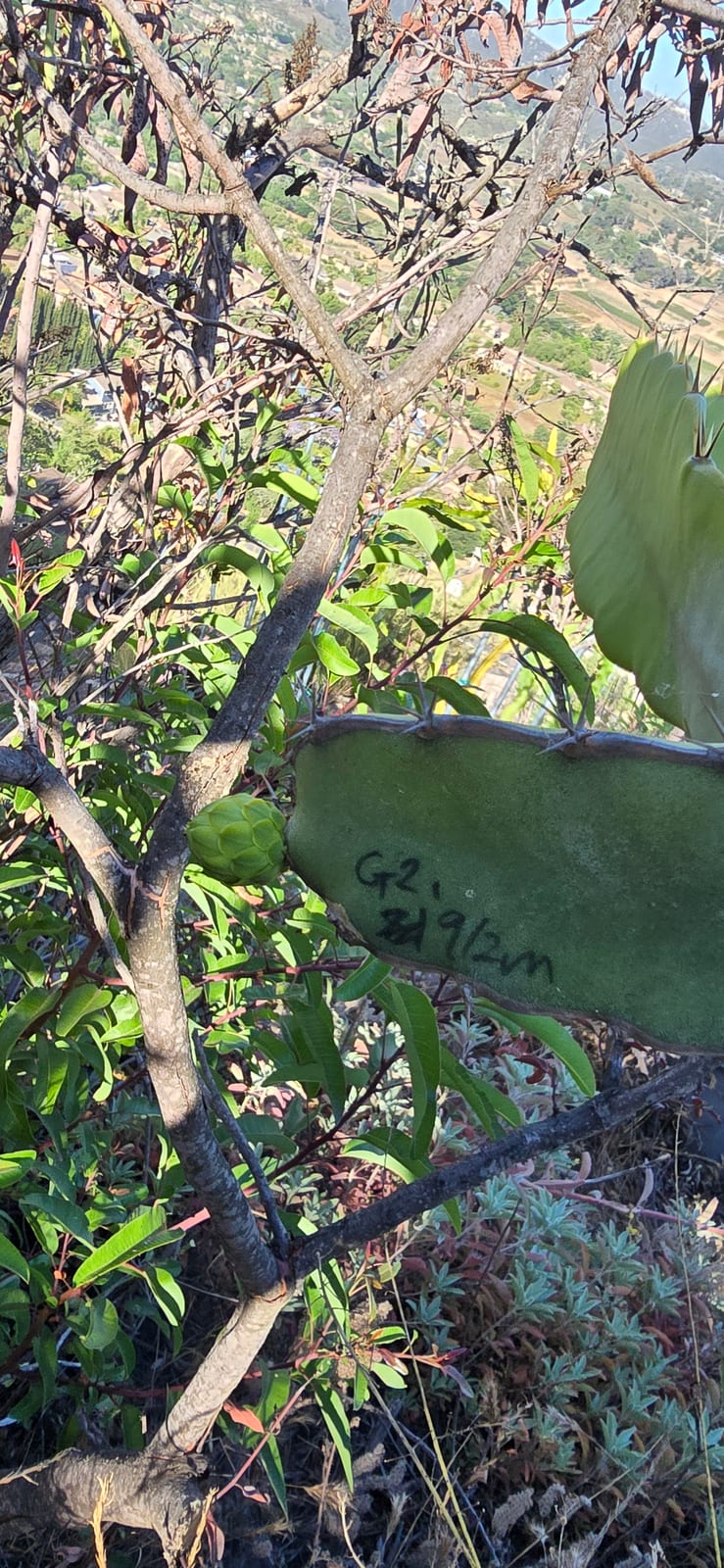
What Makes Bahamut Special: The Yellow Skin + Red Flesh Combination
The color combination of Bahamut does not exist in nature. Wild dragon fruit species follow strict genetic rules for skin and flesh color. Understanding these lineages explains why this hybrid is so unique.
| Species | Skin Color | Flesh Color |
|---|---|---|
| H. undatus | Pink | White |
| H. costaricensis | Red | Red |
| S. megalanthus | Yellow | White |
| Bahamut | Yellow | Red |
Most yellow-skinned varieties come from Selenicereus megalanthus. These plants always produce white flesh. Red-fleshed varieties typically come from Hylocereus costaricensis or H. polyrhizus lineages. These plants usually have red or pink skin. Bahamut bridges these two distinct groups. It takes the yellow skin gene from S. megalanthus and combines it with the red flesh genetics from the Hylocereus side.
Taiwan has led dragon fruit breeding in the last decade. Programs there have successfully crossed these separate lineages to create stable hybrids like Bahamut. This work is still rare in Western markets.
This genetic bridge is difficult to stabilize. Many early attempts at crossing yellow and red lineages resulted in weak plants or sterile fruit. Bahamut succeeds where others failed. It maintains the vigorous growth of its parents while delivering a consistent harvest. You get the visual appeal of yellow skin with the rich, antioxidant-heavy red flesh inside.
Other self-fertile red varieties exist. Natural Mystic Dragon Fruit offers red flesh but with pink skin. Bahamut stands alone in offering the yellow exterior. This makes it a standout for collectors and growers who want a distinct look in their garden. The rarity of the color combo adds value to the crop. It proves that selective breeding can expand the palette of dragon fruit beyond traditional limits.
Taste and Texture: What Does Bahamut Dragon Fruit Taste Like?
The eating experience of Bahamut stands apart from standard varieties. The flesh is thick and exceptionally smooth. It lacks the gritty, crunchy texture found in seed-heavy types. Instead, the meat melts on the tongue with a creamy consistency. You get a dense, substantial bite that feels luxurious.
The flavor profile is bright and distinctly tropical. Notes of banana, mango, and pineapple blend together. This complexity gives the fruit a vibrant character. The sweetness is intense. Breeder claims estimate Brix levels between 16 and 20 or higher. This places Bahamut in the top tier for sugar content among dragon fruit.
| Attribute | Bahamut | Standard Red Varieties |
|---|---|---|
| Texture | Creamy, melting, smooth | Often crunchy, seed-heavy |
| Flavor Notes | Banana, mango, pineapple | Mild, watery, or tart |
| Sweetness | Very high (16-20+ Brix) | Moderate to high |
This level of sweetness and smoothness is rare in red-fleshed types. Most red varieties offer a milder taste. Bahamut delivers a punch of flavor that rivals premium yellow-skinned hybrids. If you enjoy the rich profile of Natural Mystic Dragon Fruit, you will appreciate the intensity here. The combination of high sugar and creamy texture makes it a dessert-quality fruit. It is not just a snack. It is a treat.
How to Grow Bahamut Dragon Fruit from a Cutting
Propagation is straightforward if you follow the standard cactus protocol. Start by selecting a healthy stem section that measures 6 to 12 inches long. Make a clean cut just below a node. Do not plant the cutting immediately. Place it in a warm, dry spot out of direct sun. Let the cut end callus for 7 to 10 days. The wound must seal completely to prevent rot. You can dip the callused end in rooting hormone, though this step is optional. The plant will root without it.
Prepare your pot with a well-draining cactus mix amended with perlite. Plant the cutting 1 to 2 inches deep. Firm the soil around the base. Water lightly to settle the medium. Place the pot in bright light but keep it out of harsh midday sun until new growth appears. This gentle start helps the roots establish without stress.
Establishing Care Routine
Once the plant is rooted, move it to its permanent spot. Bahamut thrives with 6 to 8 hours of direct sunlight. The soil must drain quickly. Overwatering is the primary cause of failure. Keep the soil moist but never waterlogged. Allow the top layer to dry out between waterings. The stems store water and prefer dry conditions.
Protect your plant from frost. Temperatures below 40°F cause cold damage. Bring potted plants indoors or cover them during cold snaps.
Support is critical for this vigorous variety. Train the vines on a sturdy trellis or a cinder block column. The stems grow heavy and the fruit load is substantial. A weak support will snap under the weight. Secure the stems with soft ties as they climb. This vertical growth maximizes light exposure and keeps the fruit accessible.
Fertilize during the active growing season. Use a balanced fertilizer such as NPK 10-10-10. Apply it every 2 to 3 months. This routine supports strong flowering and fruit set. Avoid heavy nitrogen feeds late in the season. This encourages vegetative growth over fruit production. Consistent care leads to reliable harvests. For comparison, see how other self-fertile varieties like Natural Mystic Dragon Fruit perform under similar conditions.
Bahamut vs. Other Dragon Fruit Varieties
Most red-fleshed dragon fruit varieties require cross-pollination. This means you need two different plants to get fruit. Self-fertile red-fleshed types are rare and valuable. Bahamut joins a small group that includes Natural Mystic and American Beauty. These varieties let you grow a single plant and still harvest. They remove the guesswork from pollination.
Bahamut stands out in this group for its unique color combination. It has yellow skin and red flesh. Most yellow-skinned varieties have white flesh. Most red-fleshed varieties have red or pink skin. Bahamut bridges these two lineages. It offers the sweetness of a yellow variety with the visual appeal of red flesh.
| Variety | Skin / Flesh | Self-Fertile | Brix Range | Flavor Profile | Fruit Size |
|---|---|---|---|---|---|
| Bahamut | Yellow / Red | Yes | High | Banana, Mango, Pineapple | Large |
| Natural Mystic | Red / Red | Yes | High | Sweet, Tropical | Medium to Large |
| American Beauty | Red / Red | Yes | High | Sweet, Mild | Medium |
| Standard Yellow (S. megalanthus) | Yellow / White | No | Very High | Intense, Sweet | Small to Medium |
Standard yellow dragon fruit is often cited as the sweetest variety. It usually has a higher Brix count than red varieties. However, it is not self-fertile. You must plant a pollinator. Bahamut offers a high sweetness level without the need for a partner. It balances convenience with quality.
Natural Mystic is another popular self-fertile red variety. It has red skin and red flesh. It is a reliable producer. Bahamut offers a different visual experience. The yellow skin signals ripeness clearly. The red flesh inside provides a striking contrast. This makes Bahamut a standout choice for collectors and home growers alike.
Looking for another self-fertile option? Check out our guide on Natural Mystic Dragon Fruit. It is a great companion plant if you want to diversify your garden.
Flowering and Harvest
The Bahamut vine grows fast. You will see stems stretching 15 to 20 inches between nodes. This vigorous growth builds the structure needed to hold heavy fruit. The plant focuses its energy on building this framework before it shifts to reproduction.
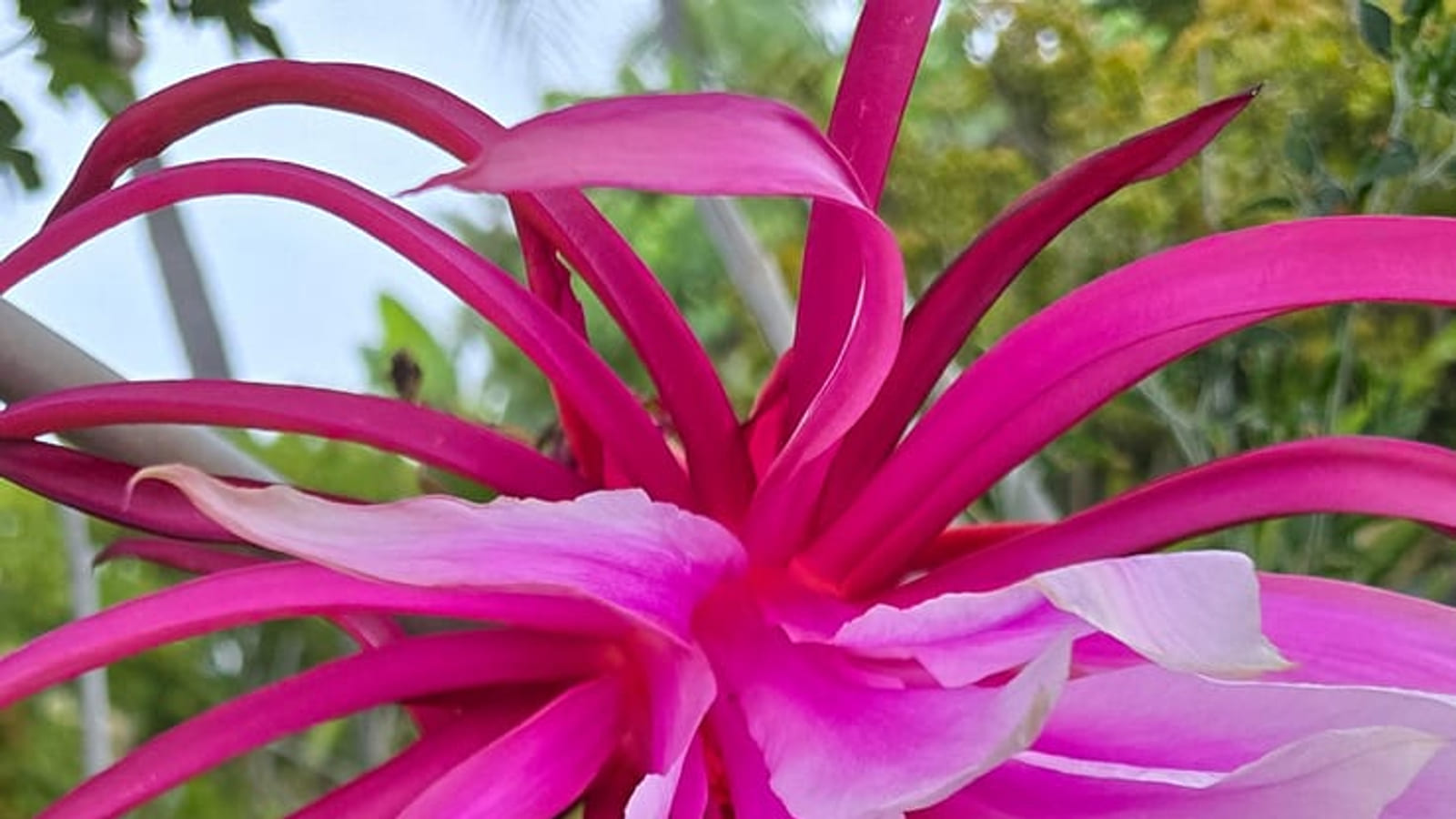
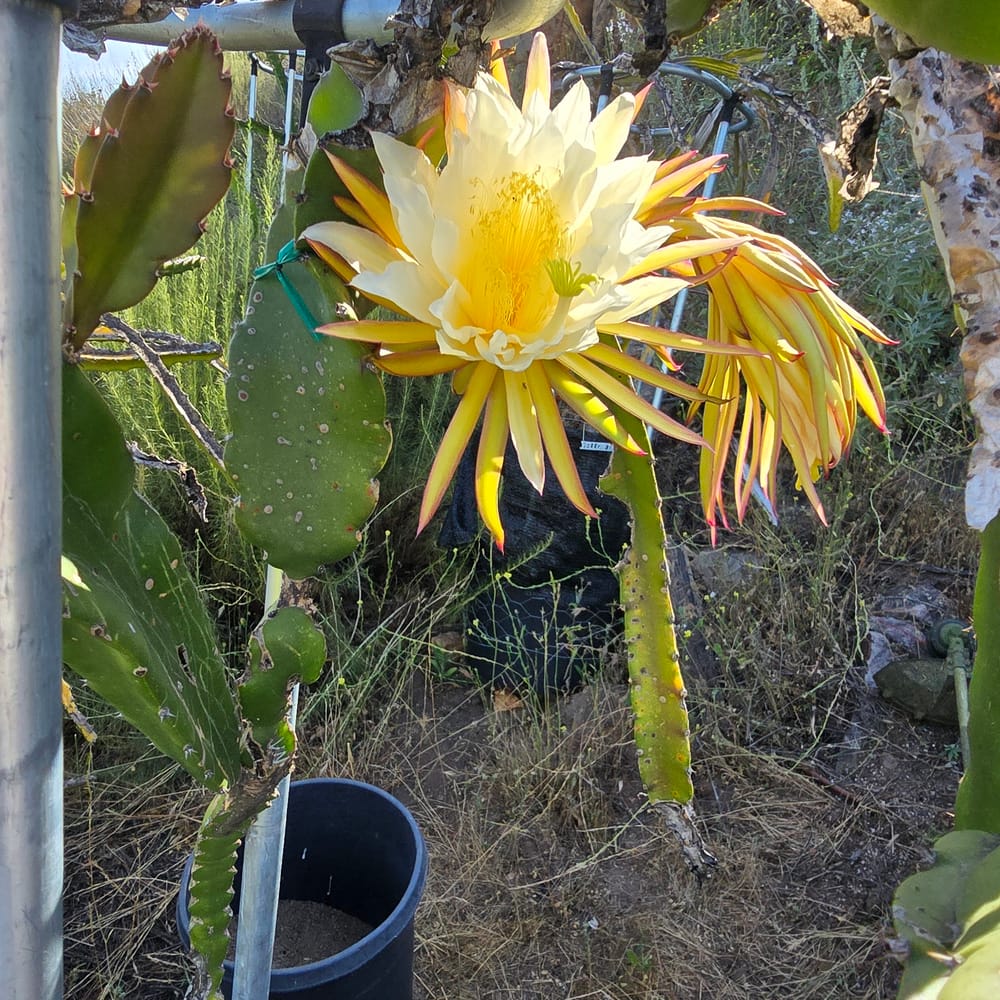
Flowering happens at night. The blooms open after dusk. Because Bahamut is self-fertile, the flower pollinates itself within hours of opening. You do not need to hand-pollinate or wait for bees. The plant handles the process on its own.
Once pollination occurs, the fruit develops quickly. In warm climates, the fruit ripens 35 to 45 days after the flower closes. This is a short window compared to many other crops. You will see the fruit swell and change color as it matures.
Timing your first harvest depends on how you started. If you plant a cutting, expect your first fruit 1 to 2 years later. The plant needs time to establish roots and build sufficient stem mass. Patience pays off with a reliable yield.
Knowing when to pick is key. Wait until the skin color deepens. The bracts, or scales, will begin to soften. Do not pull the fruit. Twist it gently or cut it with shears. The fruit is ready when the skin feels slightly yielding and the color is vibrant.
Watch the bracts closely. Softening scales are the most reliable sign of ripeness. Color alone can be misleading in bright sun.
| Milestone | Timeline / Detail |
|---|---|
| Stem Growth | 15-20 inches between nodes |
| Flower Activity | Opens after dusk |
| Pollination | Self-pollinating within hours |
| Ripening Period | 35-45 days after pollination |
| First Harvest | 1-2 years from cutting |
This variety performs well for growers who want consistent results. It shares the self-fertile convenience of other popular hybrids like Natural Mystic Dragon Fruit. However, Bahamut offers a distinct yellow skin and red flesh combination. The harvest is sweet and substantial.
Common Growing Problems and Solutions
Dragon fruit is a cactus. It stores water in its stems. It hates sitting in wet soil. Overwatering is the number one reason these plants fail. The roots need air. If the soil stays soggy, the roots suffocate and rot. Check the soil before you water. Wait until it is dry.
Other issues stem from nutrient imbalances or poor airflow. Use the table below to diagnose common symptoms. Match the sign to the cause. Apply the fix.
| Symptom | Primary Cause | Solution |
|---|---|---|
| Yellowing stems | Overwatering or nitrogen deficiency | Let soil dry completely. Check fertilizer balance. |
| No flowers | Insufficient sun or excess nitrogen | Ensure full sun. Switch to bloom booster fertilizer. |
| Root rot | Poor drainage | Repot in gritty cactus mix. Ensure pot has drainage holes. |
| Stem rot at trellis | Poor airflow and moisture trap | Prune inner stems. Improve air circulation around the trunk. |
| Small fruit | Under-fertilized or too many flowers | Thin flowers early. Feed with balanced nutrients. |
Flower drop is another common frustration. If the plant sets many flowers but they fall off before opening, it is often a sign of stress. This can happen if the plant is too young or if temperatures swing wildly. It can also happen if the plant is overloaded with blooms. Thinning flowers helps the plant focus energy on the remaining fruit. This leads to larger, sweeter harvests. See how Natural Mystic Dragon Fruit growers manage this same issue with thinning.
Pests are rare but possible. Scale insects hide under the stem ridges. Inspect new growth regularly. Wipe them off with a damp cloth or use horticultural oil if the infestation is heavy. Keep the plant clean and the soil well-drained. Most problems are preventable with attention to water and air.
Where to Buy Bahamut Dragon Fruit Cuttings
Finding healthy Bahamut cuttings requires looking at specialized growers. This variety is not yet common in big-box garden centers. You will find it primarily through dedicated dragon fruit breeders and nurseries that focus on rare hybrids.
Lee Wi Farms is a primary source for this cultivar. As one of the largest dragon fruit breeders with over 450 varieties, they maintain strict quality control. Their stock confirms the commercial viability of Bahamut. Victoria Farm in Malaysia also supplies this variety, indicating strong interest in Asian markets. These sources offer verified genetics rather than unlabelled cuttings.
Stock is often limited. Bahamut is a newer variety. Nurseries produce smaller batches compared to standard white-fleshed types. Check inventory early in the growing season.
Prices reflect the rarity of the genetics. Expect to pay a premium over common varieties. The cost covers the breeding work and the limited supply. Do not buy the cheapest option if the source is unknown. Healthy tissue matters more than saving a few dollars. Look for cuttings with firm stems and no signs of rot or disease.
Ordering tips can save you time. Contact the nursery directly to check current availability. Some growers sell only during specific windows. Ask about shipping methods. Cuttings should arrive with calloused ends. This ensures they are ready to plant or cure further. If you are interested in other self-fertile options, compare Bahamut with Natural Mystic Dragon Fruit to see which fits your garden best.
| Source | Notes |
|---|---|
| Lee Wi Farms | Large breeder. Verified genetics. High demand. |
| Victoria Farm | Malaysia based. Confirms commercial status. |
| Select Specialty Nurseries | Check for stock. Verify cutting health. |
Key Takeaways
If you are looking for another reliable self-fertile option, check out our guide on Natural Mystic Dragon Fruit.