Nicaragua Red Dragon Fruit: Cultivar Guide & Robles Red
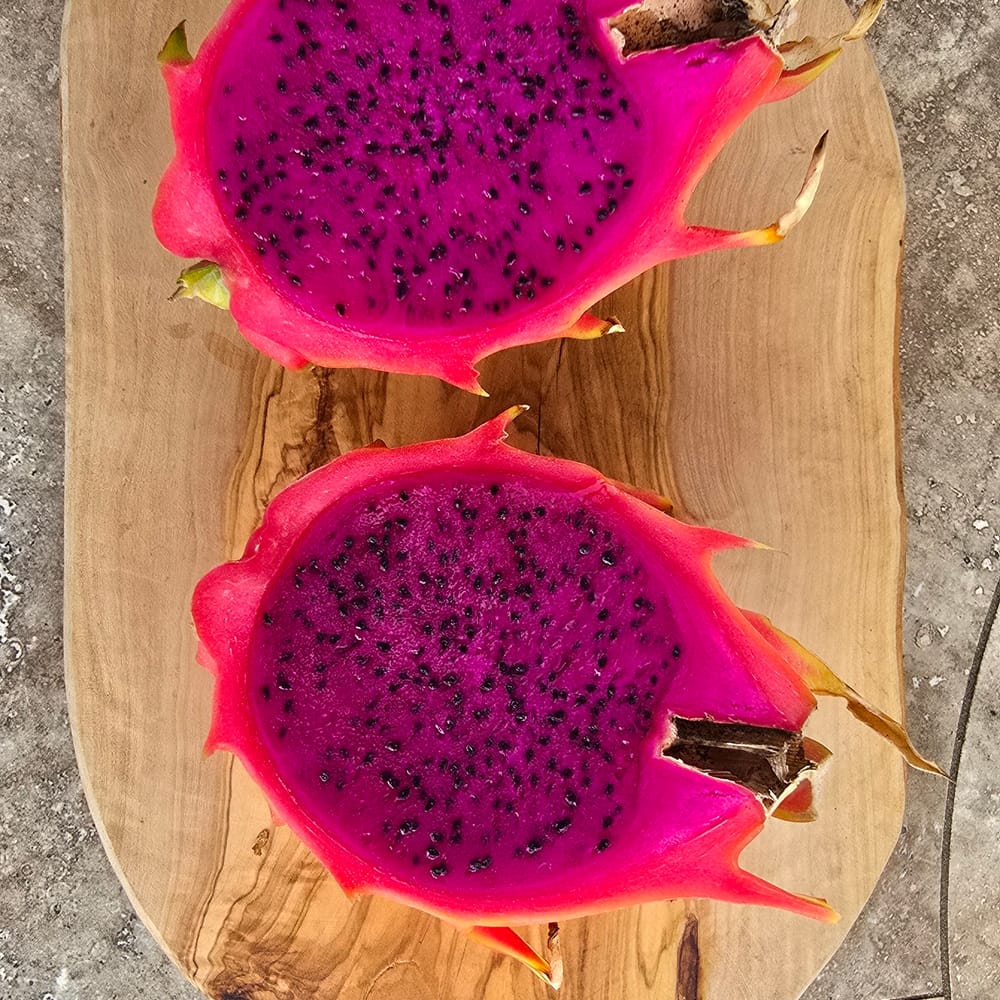
If you want the deep magenta flesh and bold sweetness of Nicaragua Red dragon fruit, you need to know that this name covers several distinct cultivars rather than one single standardized variety. Growers in Nicaragua produce red-fleshed types like Cebra, Lisa, and Sin Espinas, each with unique traits. Some offer nearly spineless growth for easy home handling, while others deliver high sugar levels and exceptional productivity. The fruit typically arrives rounder and more flavorful than standard white-fleshed types, with a season running from June through November. Because specific genetics vary, your best bet for a reliable, sweet red-fleshed experience is to choose a proven cultivar available from a trusted nursery. We recommend Robles Red as our closest match for that rich color and satisfying sugar punch. It delivers the vibrant eating experience you crave without the confusion of undefined market labels.
Comparing Nicaragua Red Cultivars
The market name "Nicaragua Red" groups several distinct genetics. This creates confusion for growers who want specific traits. Some selections prioritize ease of handling. Others focus on sugar content or yield. Understanding the differences helps you pick the right plant for your space and goals.
| Cultivar | Key Trait | Sugar (Brix) | Bloom to Harvest |
|---|---|---|---|
| Cebra | Thick rind, acceptable quality | 15.75 | 46 days |
| Lisa | High productivity, better flavor | 17.02 | Not specified |
| Sin Espinas | Nearly spineless, home garden friendly | 16.5 | 43 days |
Cebra offers a sturdy fruit with a thick rind. It reaches about 15.75 Brix in Southern California. The time from bloom to harvest is roughly 46 days. This makes it a reliable option for consistent production.
Lisa stands out for its productivity. It produces dark red flesh with better than average flavor. The sugar level hits about 17.02 Brix. Growers looking for high yields often choose this cultivar.
Sin Espinas is ideal for home gardens. The nearly spineless growth makes handling safe and easy. It suits indoor growing well. The fruit reaches about 16.5 Brix. Harvest comes in about 43 days after bloom.
Check the spine density before buying. Sin Espinas is nearly spineless. Cebra and Lisa may have more spines. Choose based on your comfort level with handling.
These Nicaragua red types generally offer better flavor than mild white-fleshed varieties. They also tend to be sweeter than standard Vietnamese reds. The rounder shape and deep magenta flesh are hallmarks of this group. For a broader look at starting out, see /blog/best-dragon-fruit-varieties-for-beginners.
Choosing the Right Nicaragua Red for Your Garden
The market label "Nicaragua Red" often masks significant genetic differences. You might buy two plants with the same tag and get completely different growing experiences. One could be a high-yield commercial workhorse. Another might be a nearly spineless variety perfect for a patio pot. Understanding these distinctions helps you match the plant to your specific space and handling comfort.
Commercial growers often prioritize yield and shelf life. Home gardeners usually care more about ease of handling and flavor intensity. The UCANR data highlights three distinct profiles within this group. Cebra offers a thick rind and acceptable quality. It is a sturdy option for consistent production. Lisa stands out for its productivity and dark red flesh. It delivers better than average flavor. Sin Espinas is the standout for residential growers. Its nearly spineless growth makes pruning and harvesting safe and easy.
| Cultivar | Key Trait | Sugar (Brix) | Bloom to Harvest |
|---|---|---|---|
| Cebra | Thick rind, acceptable quality | 15.75 | 46 days |
| Lisa | High productivity, better flavor | 17.02 | Not specified |
| Sin Espinas | Nearly spineless, home garden friendly | 16.5 | 43 days |
Spine density is a practical concern for many growers. Sin Espinas is nearly spineless. This makes it ideal for indoor growing or gardens with children and pets. Cebra and Lisa may have more spines. Check the spine density before buying. Choose based on your comfort level with handling.
Flavor profiles also vary. These Nicaragua red types generally offer better flavor than mild white-fleshed varieties. They tend to be sweeter than standard Vietnamese reds. The rounder shape and deep magenta flesh are hallmarks of this group. Frieda's notes that the season runs from June through November. This window provides a reliable harvest period for most growers.
If you are unsure which cultivar fits your needs, start with a proven selection. Robles Red is our recommended match for that rich color and satisfying sugar punch. It delivers the vibrant eating experience you crave without the confusion of undefined market labels. For a broader look at starting out, see /blog/best-dragon-fruit-varieties-for-beginners.
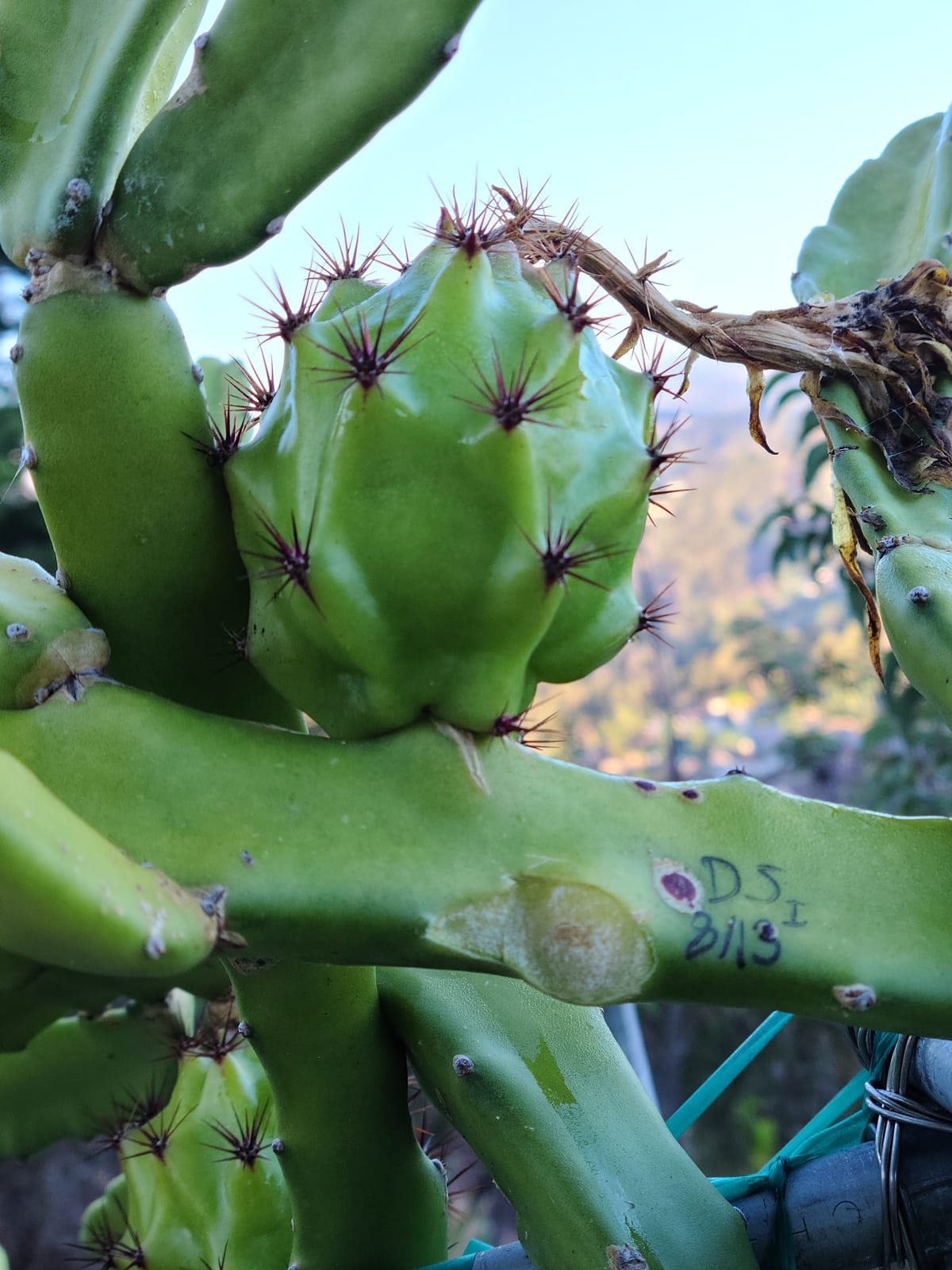
Understanding the Nicaragua Red Label
The term "Nicaragua Red" functions as a broad market category rather than a single genetic identity. This distinction matters because the growing experience varies significantly between cultivars. You might purchase two plants with the same label and find one requires heavy trellis support while the other grows nearly spineless. The UCANR data clarifies that several distinct genetics fall under this umbrella. Each offers a different balance of yield, flavor, and handling ease.
Commercial growers often look for high productivity and thick rinds for shipping. Home gardeners usually prioritize safety and flavor intensity. The nearly spineless nature of selections like Sin Espinas makes them ideal for patios or indoor spaces. In contrast, varieties like Cebra offer a sturdy structure that suits larger outdoor plots. Knowing which trait you value most helps you select the right plant for your specific environment.
| Cultivar | Key Trait | Sugar (Brix) | Bloom to Harvest |
|---|---|---|---|
| Cebra | Thick rind, acceptable quality | 15.75 | 46 days |
| Lisa | High productivity, better flavor | 17.02 | Not specified |
| Sin Espinas | Nearly spineless, home garden friendly | 16.5 | 43 days |
Spine density is a practical concern for many growers. Sin Espinas is nearly spineless. This makes it ideal for indoor growing or gardens with children and pets. Cebra and Lisa may have more spines. Check the spine density before buying. Choose based on your comfort level with handling.
These Nicaragua red types generally offer better flavor than mild white-fleshed varieties. They also tend to be sweeter than standard Vietnamese reds. The rounder shape and deep magenta flesh are hallmarks of this group.
For a broader look at starting out, see /blog/best-dragon-fruit-varieties-for-beginners.
Flavor Profile and Seasonal Availability
The deep magenta flesh of Nicaragua Red dragon fruit signals a bolder taste than the mild white-fleshed varieties. Frieda's notes that this fruit typically arrives rounder than standard Vietnamese types. This shape often correlates with a more concentrated sugar profile. The flavor is distinct and satisfying. It lacks the watery taste found in some lower-quality red varieties.
UCANR data places several Nicaragua-origin red varieties in the average-to-good flavor range. The specific cultivar you choose determines the final taste. Lisa offers better than average flavor with high sugar levels. Cebra provides acceptable quality with a sturdy thick rind. Sin Espinas delivers a solid sweet profile suitable for home consumption. Full-sun growth is essential for these plants to reach their commercial potential. The flavor intensity depends heavily on proper light exposure.
| Feature | Nicaragua Red | White-Fleshed | Vietnamese Red |
|---|---|---|---|
| Flesh Color | Deep Magenta | White | Red |
| Flavor Intensity | Bold / Sweet | Mild / Subtle | Variable |
| Shape | Rounder | Elongated | Elongated |
Understanding these differences helps you set realistic expectations. Shoppers often confuse flesh color with sweetness levels. A red flesh does not always guarantee a sweeter fruit. The Nicaragua Red group generally outperforms mild white varieties in sugar content. It also tends to beat standard Vietnamese reds in flavor complexity. Check your local market for the best seasonal options.
Availability runs from June through November. This window aligns with the peak harvest season in many growing regions. The fruit is at its best during these months. The rounder shape and vibrant color make it easy to identify at the market. Look for firm skin without soft spots. The deep magenta interior is a reliable indicator of quality.
For a broader look at starting out, see /blog/best-dragon-fruit-varieties-for-beginners.
Understanding the Flavor Profile
The market label "Nicaragua Red" often masks significant genetic differences. You might buy two plants with the same tag and get completely different growing experiences. One could be a high-yield commercial workhorse. Another might be a nearly spineless variety perfect for a patio pot. Understanding these distinctions helps you match the plant to your specific space and handling comfort.
Commercial growers often prioritize yield and shelf life. Home gardeners usually care more about ease of handling and flavor intensity. The UCANR data highlights three distinct profiles within this group. Cebra offers a thick rind and acceptable quality. It is a sturdy option for consistent production. Lisa stands out for its productivity and dark red flesh. It delivers better than average flavor. Sin Espinas is the standout for residential growers. Its nearly spineless growth makes pruning and harvesting safe and easy.
| Cultivar | Key Trait | Sugar (Brix) | Bloom to Harvest |
|---|---|---|---|
| Cebra | Thick rind, acceptable quality | 15.75 | 46 days |
| Lisa | High productivity, better flavor | 17.02 | Not specified |
| Sin Espinas | Nearly spineless, home garden friendly | 16.5 | 43 days |
Spine density is a practical concern for many growers. Sin Espinas is nearly spineless. This makes it ideal for indoor growing or gardens with children and pets. Cebra and Lisa may have more spines. Check the spine density before buying. Choose based on your comfort level with handling.
These Nicaragua red types generally offer better flavor than mild white-fleshed varieties. They also tend to be sweeter than standard Vietnamese reds. The rounder shape and deep magenta flesh are hallmarks of this group. For a broader look at starting out, see /blog/best-dragon-fruit-varieties-for-beginners.