Makisupa Dragon Fruit: Deep Magenta Flesh & Sweet Flavor
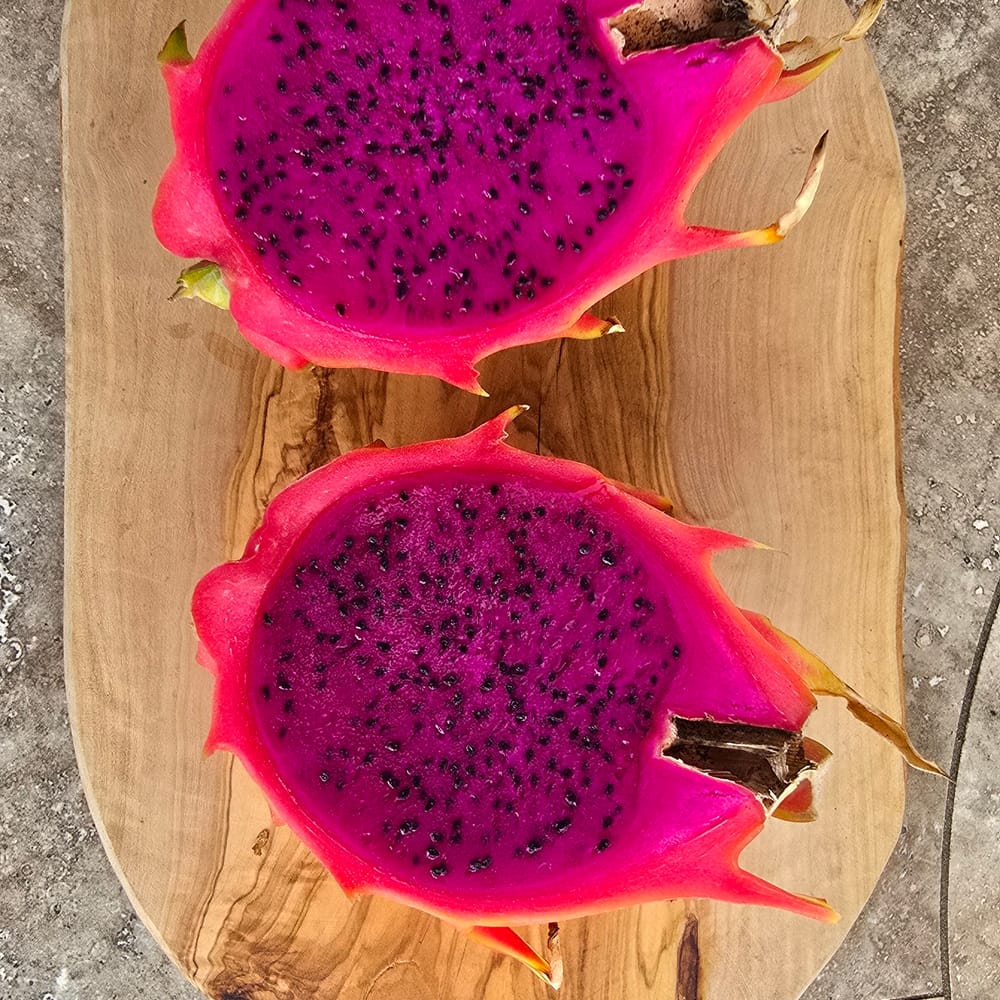
Makisupa is a red-fleshed hybrid dragon fruit (H. undatus x H. polyrhizus) known for its deep magenta flesh and sweet-tart flavor. It produces medium to large fruit weighing 0.7-1.25 lbs and is a heavy producer. This variety originated from a Florida grower and has since spread to nurseries worldwide. The skin features a reddish-pink surface with short, spindled green fins. Inside, the intensely pigmented flesh offers a semi-firm texture ideal for fresh eating or juicing. The plant grows vigorously with twisting stems and massive flowers that open at dusk.
Taste and Flavor Profile
The Makisupa delivers a complex flavor that goes beyond simple sugar. You get a sweet base tempered by a slight astringency. This balance keeps the fruit from tasting cloying. Distinct notes of raspberry, kiwi, and melon come through clearly. Many growers also detect rosy floral undertones. A subtle tartness lingers on the finish. This profile makes it excellent for fresh eating straight from the vine.
It stands apart from common white-fleshed varieties. Those types often taste like a mild watermelon or cucumber. Makisupa offers more intensity and depth. The red-fleshed genetics bring a richer fruit character. You notice the difference immediately upon the first bite.
If you enjoy the floral notes of Makisupa, you might also appreciate other high-quality red-fleshed varieties in our collection. They offer different aromatic profiles but share that premium eating experience.
Appearance and Growing Traits
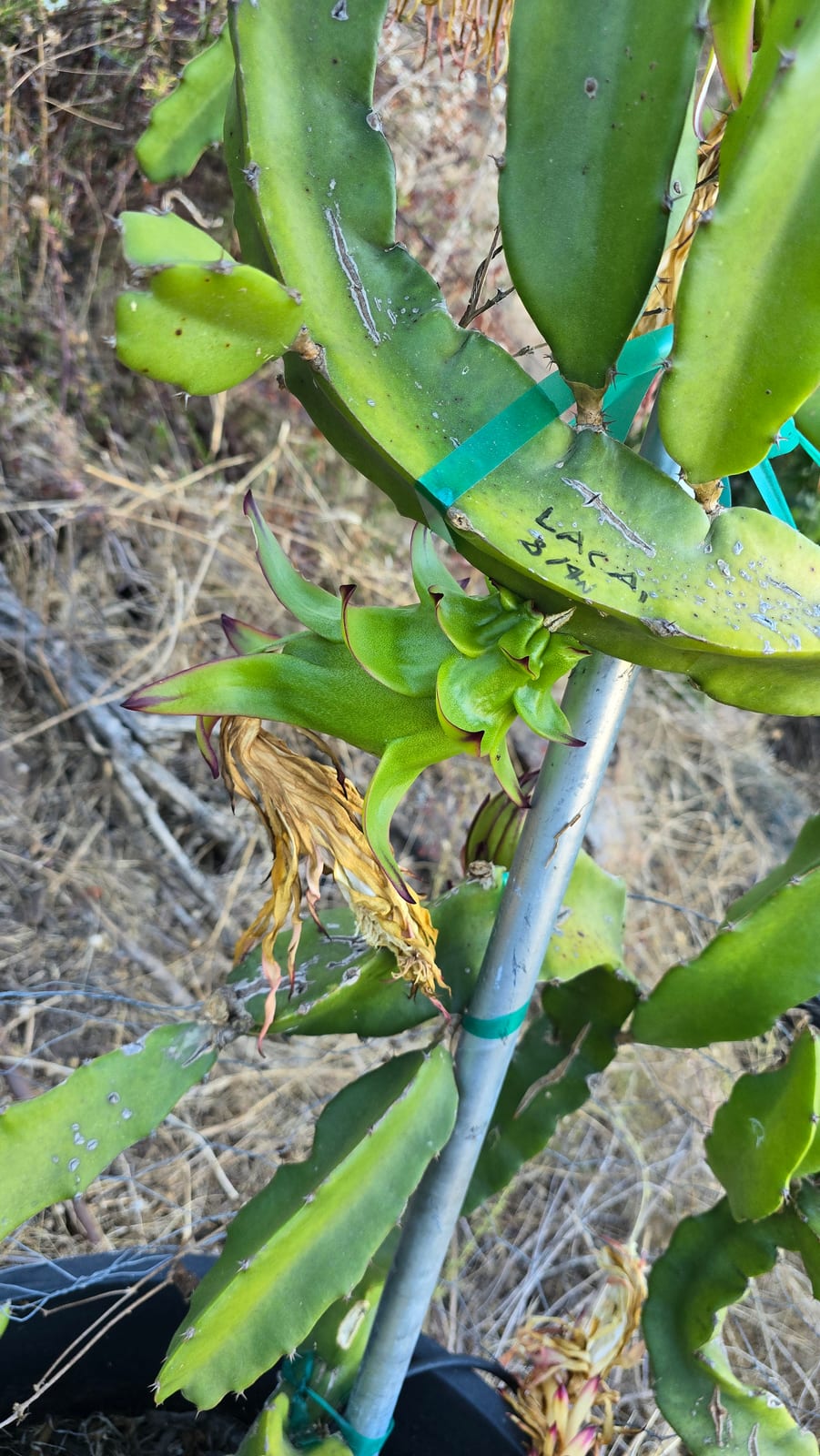
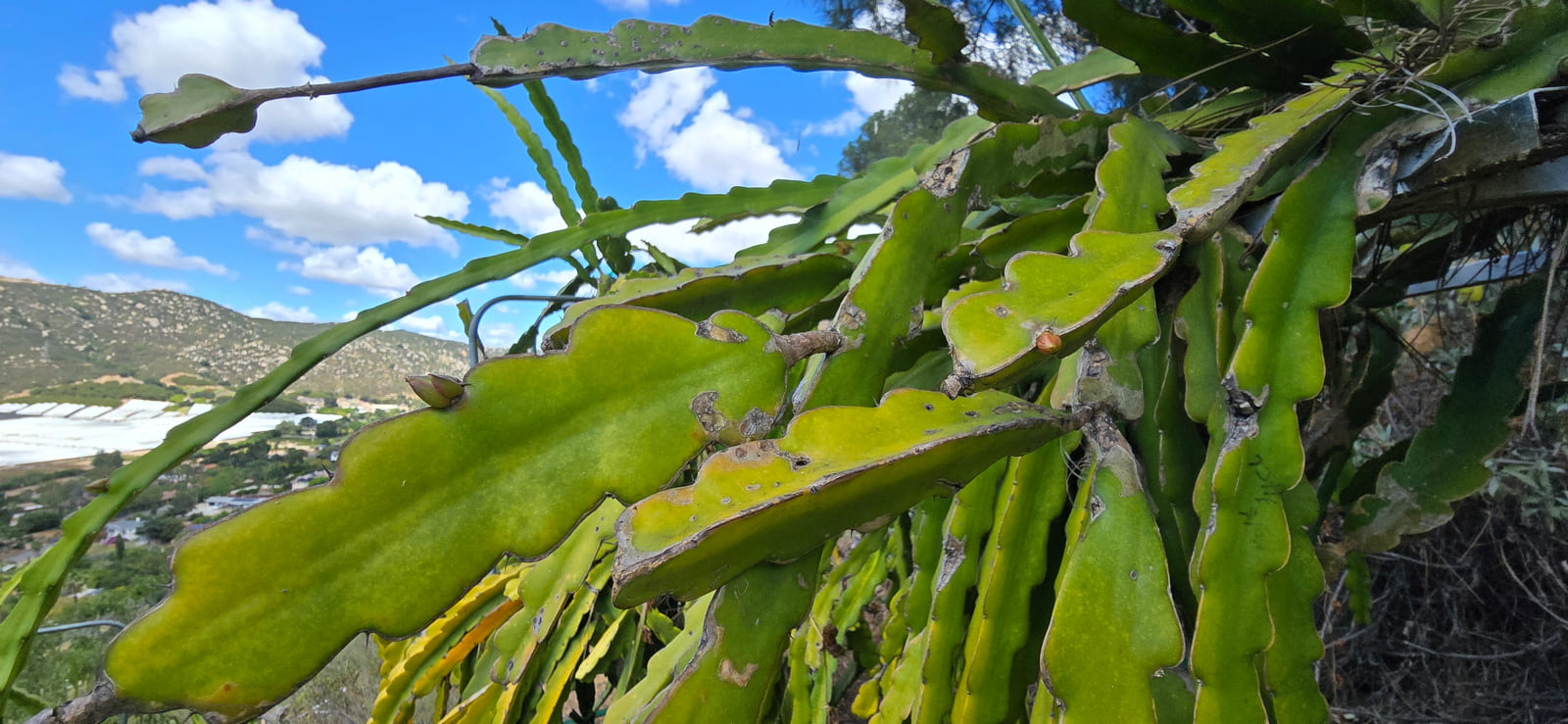
The Makisupa plant is visually striking, featuring immense three-sided stems with medium-sized spines along the rib line. Its growth habit is active and dynamic, with stems that curl and twist as they climb, similar to Lake Atitlan. The plant adapts easily to different growing conditions. It prefers partial shade at ground level. Well-draining soil is essential for healthy roots. It tolerates various soil types without fuss.
Position your plant where it gets morning sun and afternoon shade. This protects the stems from scorching while encouraging vigorous growth.
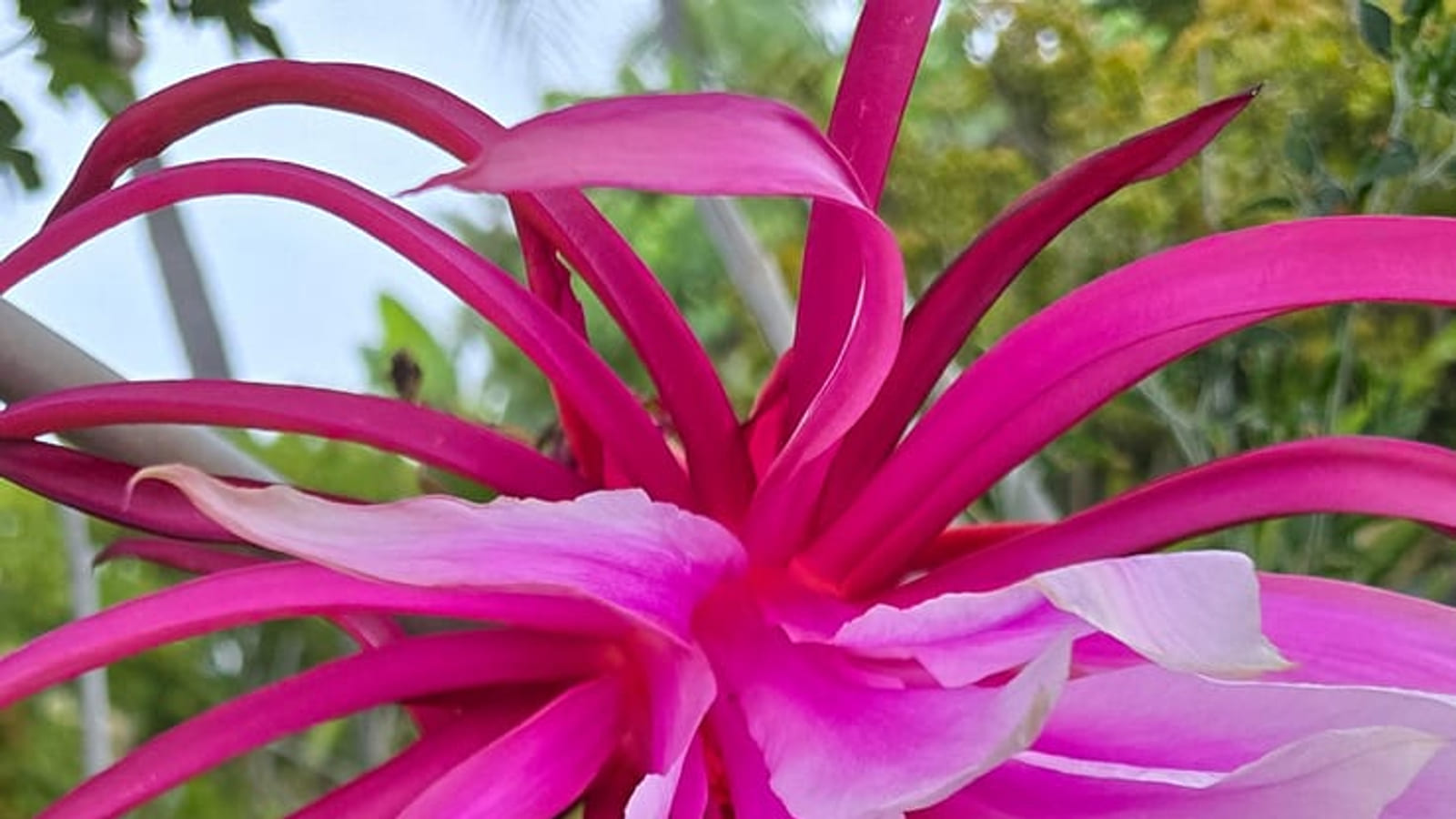
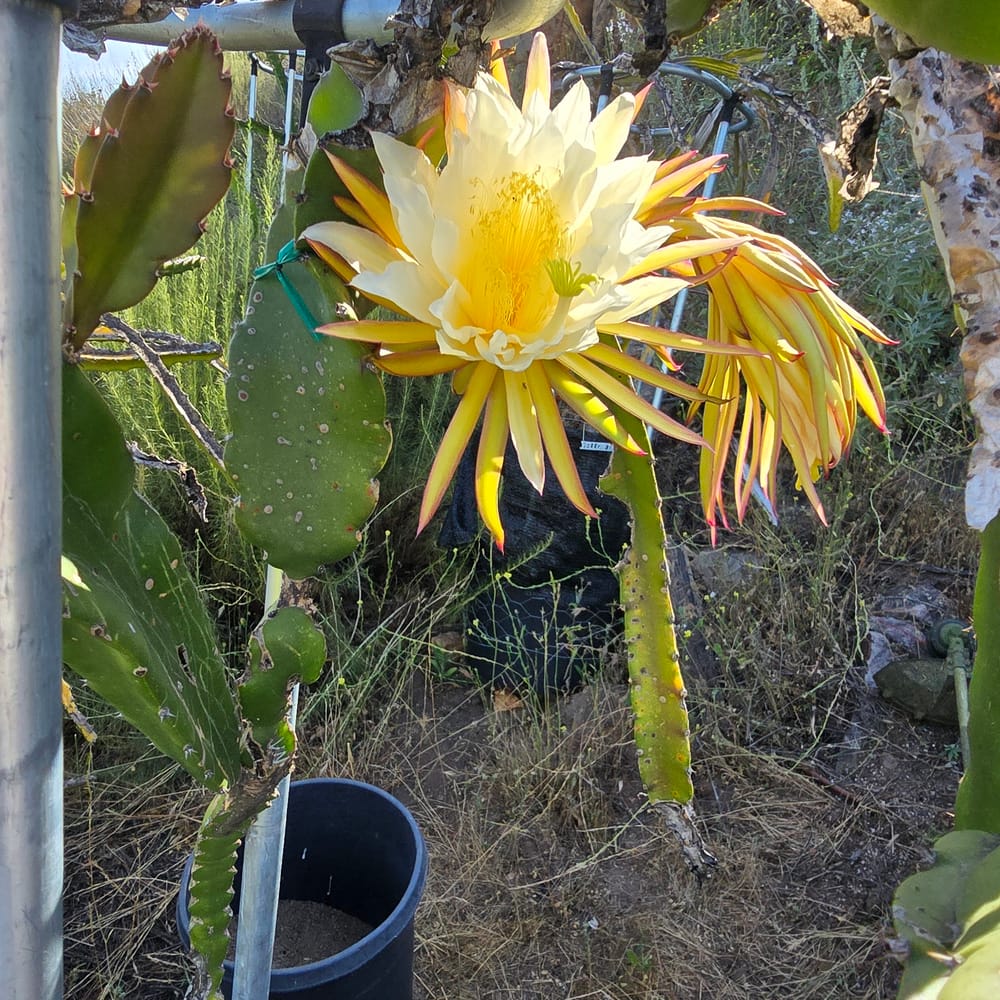
The flowers are a spectacle in the garden. They measure over 15 inches across. The inner petals are pure white. The outer petals start yellow and fade to red at the tips. These blooms open at dusk. They close a couple of hours after sunrise. You need to time your viewing for the evening. The short window makes each bloom special.
Pollination Nuances
Most sources list Makisupa as self-pollinating. It is generally self-fertile. However, experience varies by clone. Some growers report that certain lines need cross-pollination. Spicy Exotics notes their specific collection line is self-sterile. Those plants require cross-pollination with non-red-fleshed pollen. If your plant blooms but does not set fruit, try hand pollinating. Use pollen from a different variety. This ensures a reliable harvest regardless of the clone's genetics.
| Trait | Makisupa Characteristics |
|---|---|
| Stem Shape | Three-sided, immense cuttings |
| Growth Habit | Curling and twisting |
| Flower Size | Over 15 inches across |
| Pollination | Self-fertile (mostly), some clones need cross-pollination |
| Light Preference | Partial shade at ground level |
The fruit appearance matches the plant's vigor. The skin is reddish-pink. Short, spindled green fins cover the surface. These bracts give the fruit a distinctive look. They are attractive and easy to handle. The visual appeal extends to the kitchen. The fruit holds its shape well. This makes it a favorite for displays and fresh eating.
Nutritional Value
The deep magenta flesh of Makisupa is more than just a visual treat. That intense color signals a high concentration of anthocyanins and lycopene. These are powerful natural antioxidants. Lycopene is linked to reduced cancer and heart disease risk. You get a significant dose of these compounds with every bite.
Beyond antioxidants, this variety packs a solid nutritional punch. It is rich in Vitamin C and B vitamins. These support your immune system and energy levels. The fruit also provides a good amount of dietary fiber. This aids digestion and helps keep you feeling full. Magnesium is another key mineral found in the flesh. It supports muscle function and bone health.
The darker the flesh, the higher the antioxidant content. Makisupa’s deep red pigmentation means it offers more health benefits than pale-fleshed varieties.
Most dragon fruit varieties are low in calories but high in nutrients. Makisupa fits this profile perfectly. It is a nutrient-dense snack that does not compromise on flavor. The combination of fiber and water content makes it hydrating and satisfying. You can enjoy it as a fresh fruit or blend it into a smoothie. The nutrients remain intact either way.
Best Ways to Enjoy Makisupa Dragon Fruit
The semi-firm texture of Makisupa flesh changes how you prepare it. Soft varieties often turn to mush in a juicer. Makisupa holds its structure. This consistency makes juicing the top recommendation for this variety. You get a vibrant, smooth liquid without clogging the machine. The deep magenta color yields a striking juice that looks as good as it tastes.
Pro tip: Because the flesh is dense, you may need to cut the fruit into smaller chunks before feeding it into a centrifugal juicer. This ensures a smoother extraction.
Fresh eating remains a favorite. The fruit is sweet enough to enjoy on its own. Slice it open and scoop out the flesh with a spoon. The texture provides a pleasant bite. It does not dissolve instantly on the tongue. This makes it satisfying for a quick snack or a light dessert.
Try these simple ideas to get the most out of your harvest:
- Quick Jam: Simmer chopped flesh with a little sugar and lemon juice. The result is a glossy, tart-sweet spread perfect for toast or yogurt.
- Smoothie Base: Blend frozen chunks with coconut water or milk. The kiwi and melon notes blend well with tropical fruits like mango or pineapple. The thick flesh adds body to the drink.
- Garnish: Cut the flesh into small cubes or use a melon baller. Place them on top of salads or grain bowls. The bright pink color pops against green leaves.
Makisupa vs. Other Red Dragon Fruit Varieties We Carry
Choosing the right red-fleshed variety depends on your specific taste goals. Makisupa sits in a unique spot among our stock. It offers high sweetness without the heavy floral intensity of some other reds. The Florida origins of this hybrid have produced a reliable performer for growers worldwide. Comparing it to our other top sellers helps you decide which plant fits your garden best.
| Variety | Flesh Color | Sweetness Profile | Key Distinction |
|---|---|---|---|
| Makisupa | Deep magenta | Sweet-tart, raspberry-kiwi notes | Balanced acidity, semi-firm texture |
Makisupa remains the choice for those seeking depth and balance in flavor and texture.
Key Takeaways
Makisupa stands out in the dragon fruit world for its intensity. You get a sweet base with distinct tart notes and floral undertones. The flesh is deep magenta and semi-firm. This texture works perfectly for fresh eating or high-quality juice. The plant grows vigorously and produces abundant fruit. It adapts well to various soil types and partial shade conditions.