Delight Dragon Fruit: Pink Flesh, Sweet Flavor
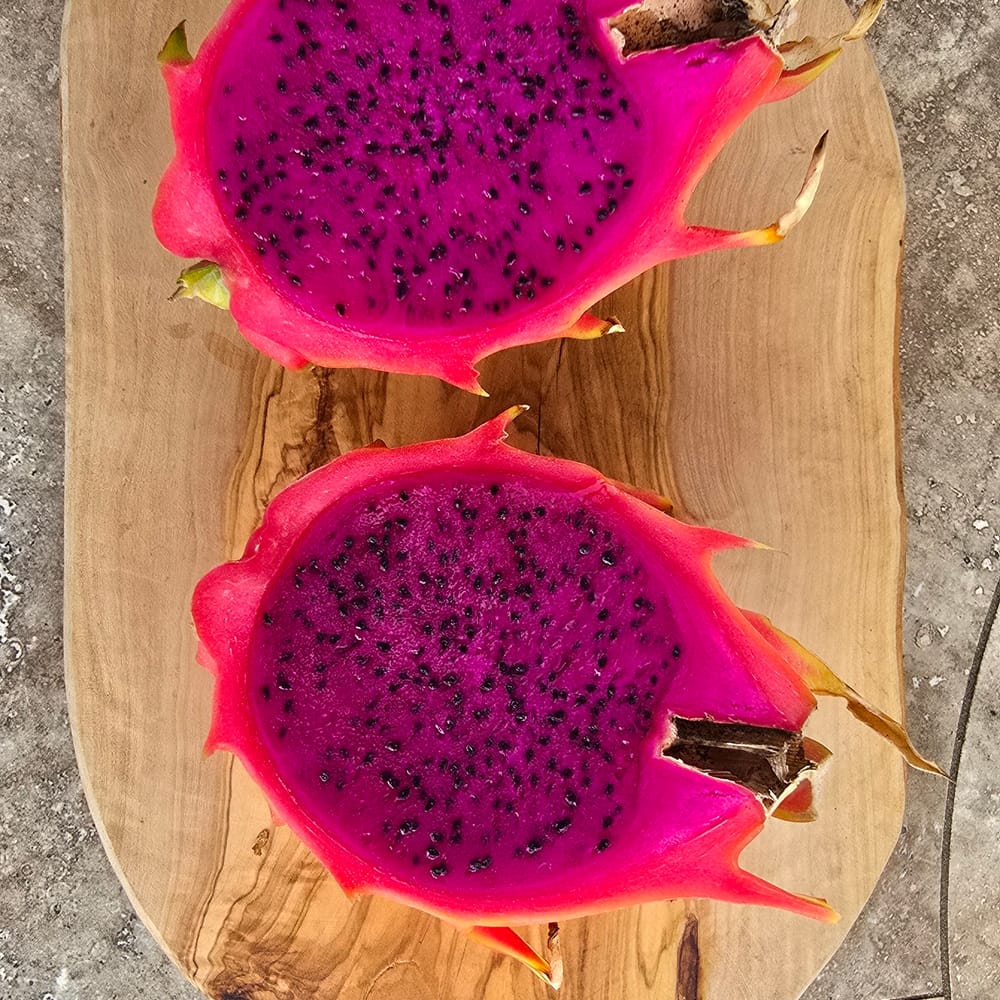
If you want a sweet pink dragon fruit that sets fruit reliably, Delight is a strong candidate. You must sort through naming confusion to buy the right plant. Delight is a pink-fleshed dragon fruit cultivar often sold as Delight 3-S. The name varies because some sellers list it as a Hylocereus undatus x Hylocereus guatemalensis hybrid. Others link it to Paul Thomson's 3-S selection and CRFG seedling work. This explains why descriptions differ across nurseries. The fruit itself is medium-sized, typically around 0.75 to 1.0 lb. It has a unique pink hue and a sweet, clean flavor. Growers describe the taste as smooth and fruit-forward rather than sharply acidic. While some listings call it self-pollinating, fruit size and set often improve with hand-pollination or a second genetic type.
Delight Dragon Fruit: Quick Facts
Knowing the specific timeline helps you plan your harvest. Delight follows the standard dragon fruit development cycle. Fruit is usually picked close to ripe. This window runs roughly 4 to 5 weeks after flowering. The exact count depends on your local site conditions and the specific genetic line.
Keep an eye on the bracts. When they turn yellow and the fruit feels slightly soft to the touch, it is ready. Do not wait for major skin color changes. The pink flesh inside is already at peak sweetness. If you want to compare this timeline against other popular selections, check our guide on Best Dragon Fruit Varieties.
Is Delight Self-Fertile?
Many nursery listings label Delight as self-pollinating or self-fertile. This label suggests you can plant a single cutting and expect a full harvest without help. In practice, dragon fruit behaves differently. Even varieties described as self-fertile often produce better results with assistance.
Hand-pollination is the most reliable method for maximizing yield. It ensures that pollen transfers effectively between the flower parts. This extra step usually leads to larger fruit and a higher set rate. Hand-pollination lets you control the process rather than guessing if bees visited.
Planting a second genetic type nearby offers another path. A compatible clone can provide cross-pollination. This biological interaction often boosts fruit size and consistency. If you have the space, adding a different variety to your trellis is a smart move.
If you only have room for one plant, do not skip the hand-pollination step. It is the difference between a few small fruits and a solid harvest.
For more details on how different varieties perform under various pollination methods, check our guide on Best Dragon Fruit Varieties.
What Does Delight Taste Like?
The flavor profile of Delight is defined by its smooth, fruit-forward character. Most growers describe the taste as sweet and clean. You will not find the sharp acidity that sometimes turns off new eaters. The pink flesh delivers a consistent sugar hit without being cloying. It sits comfortably in the middle of the flavor spectrum. It is sweeter than standard white-flesh varieties but lacks the intense berry notes of some deep red cultivars.
This balance makes it a reliable choice for fresh eating. The texture is firm yet juicy. It pairs well with other fruits in salads or smoothies. If you are looking for a dragon fruit that appeals to a wide range of palates, this smooth sweetness is a strong asset. It avoids the watery taste found in lower-quality white varieties.
| Flavor Trait | Delight | White-Flesh (Standard) |
|---|---|---|
| Sweetness | High | Mild to Moderate |
| Acidity | Low | Variable |
| Intensity | Smooth | Subtle |
For a broader look at how different varieties stack up against each other, check our guide on Best Dragon Fruit Varieties. Comparing flavor notes helps you decide which pink-fleshed type fits your kitchen best.
How To Grow Delight
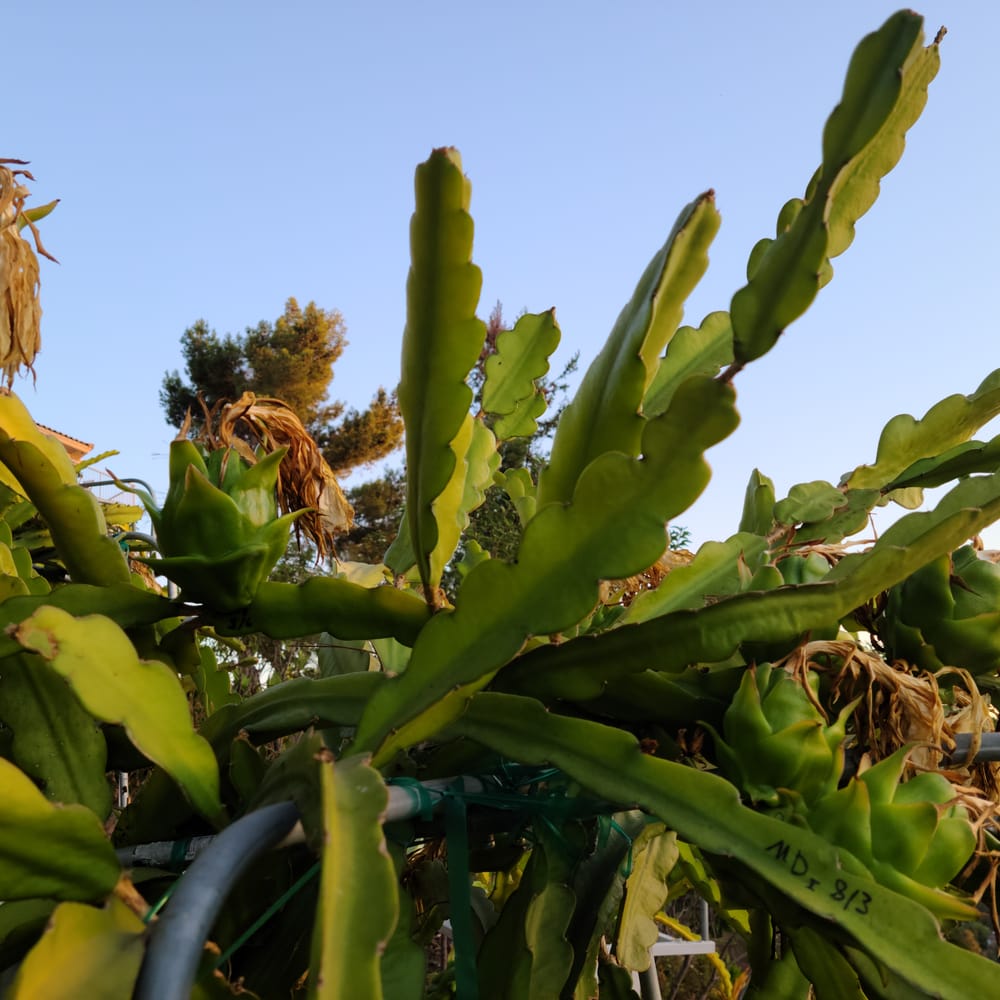
Delight thrives in warm climates where the heat stays consistent. It belongs to the trellis-grown group of dragon fruit. You need a sturdy vertical support for the vines to climb. A heavy post or a dedicated trellis works best. Unlike bushy plants, Delight needs vertical support to climb and fruit properly.
Soil drainage is essential. Plant in well-drained soil that does not hold water. Soggy soil leads to root rot. You can use a cactus mix or amend garden soil with sand and perlite. The goal is loose, airy earth that lets excess water escape.
Water regularly but keep the soil from becoming a swamp. Check the moisture level before you water. The roots need consistent hydration during the growing season. Let the top layer dry out slightly between waterings. This balance prevents stress while keeping the plant active.
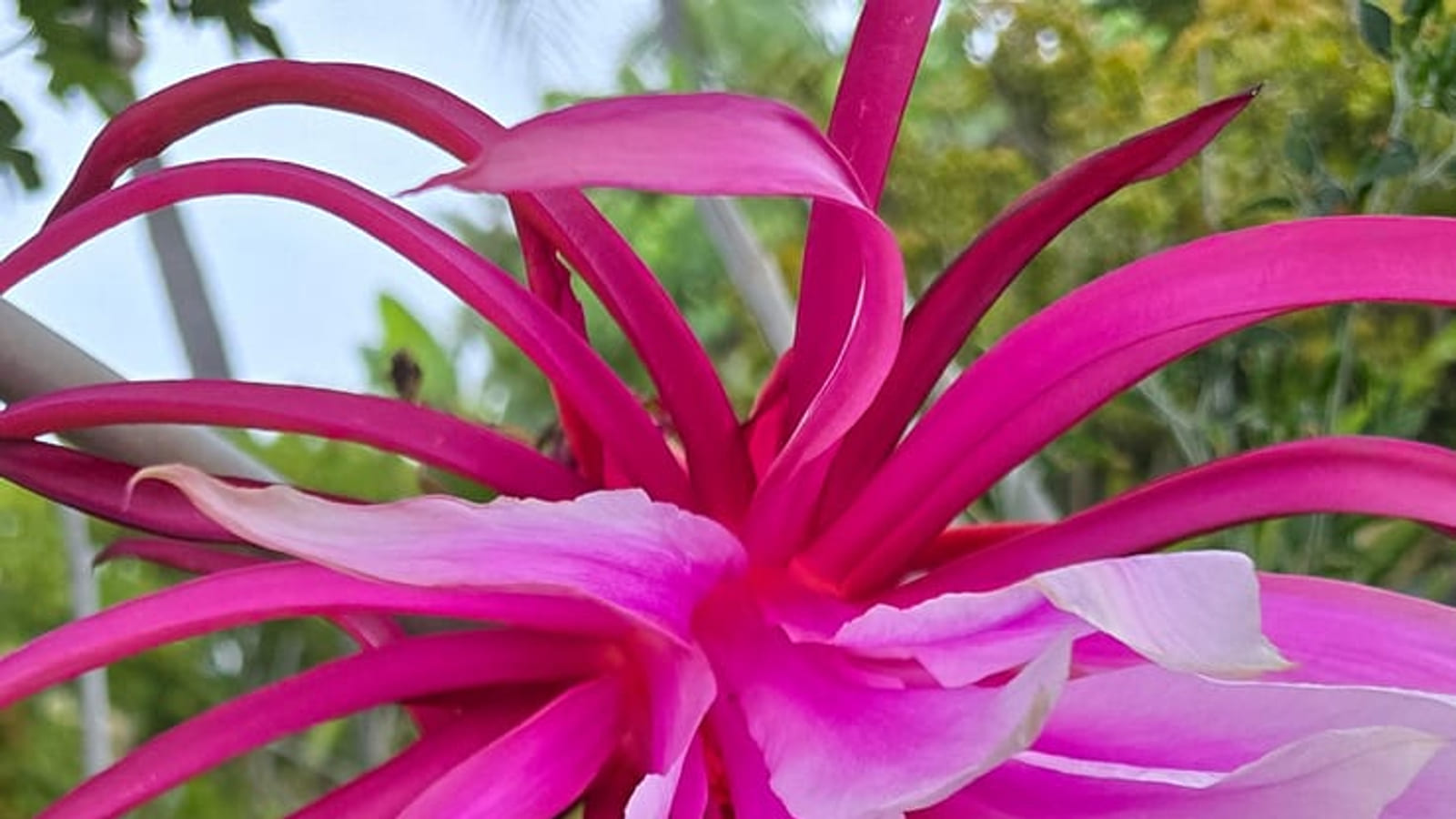
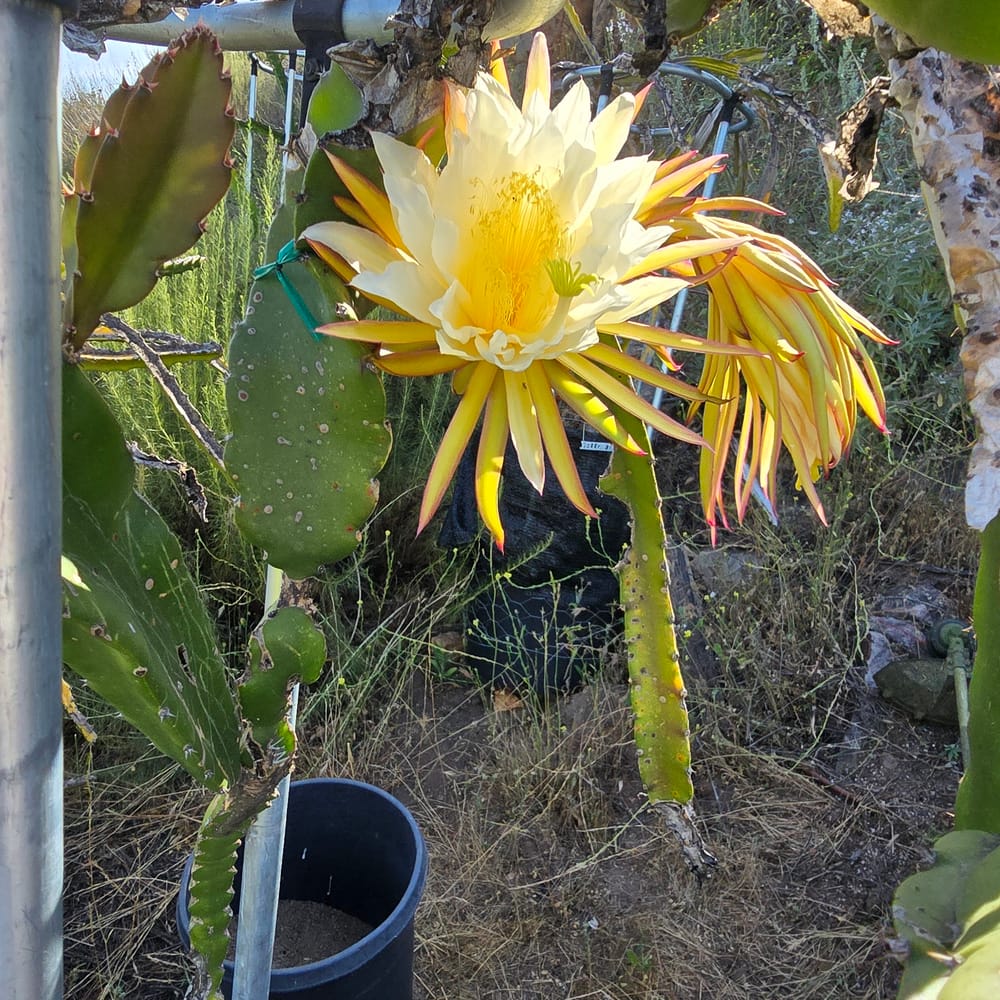
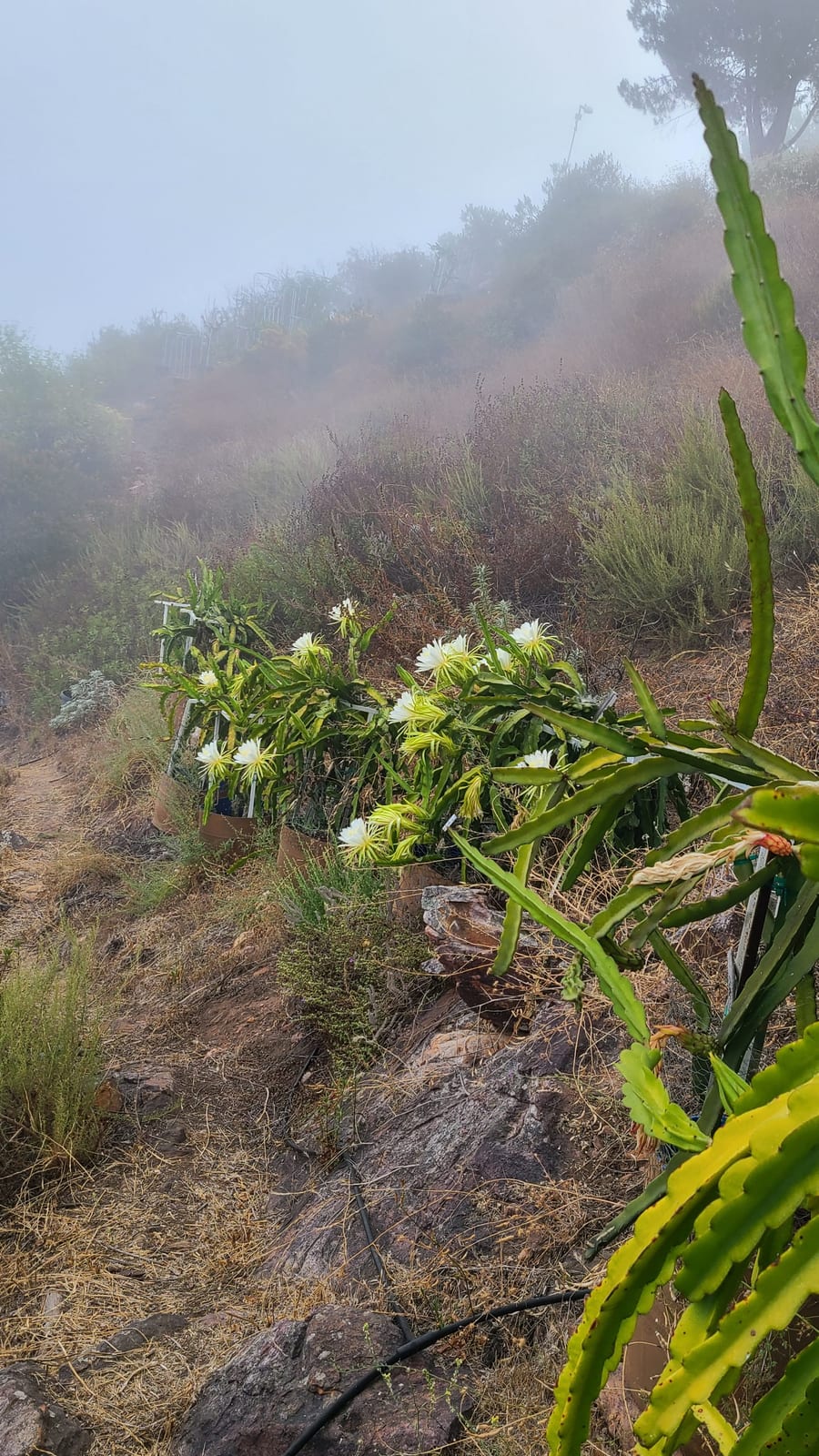
Delight flowers open at night. The blooms are large and fragrant. They close by morning. Plan your pollination or observation for the evening hours. This nocturnal habit is standard for dragon fruit but easy to miss if you only check during the day.
Light requirements are straightforward. Full sun produces the best growth. Part sun is acceptable if your climate is extremely hot. The more light the plant gets, the stronger the stems will become. Strong stems support heavy fruit, so position your trellis to maximize sun exposure.
| Factor | Requirement |
|---|---|
| Climate | Warm |
| Support | Trellis or post |
| Soil | Well-drained |
| Water | Regular, not soggy |
| Light | Full to part sun |
Follow these basics and the plant will establish itself. Once the vines are mature and climbing, you can focus on flowering and fruit set. For a broader look at how different varieties stack up, check our guide on Best Dragon Fruit Varieties.
Delight vs. Similar Pink-Flesh Dragon Fruit
Delight sits in a specific niche among dragon fruit varieties. It offers pink flesh and a sweet profile that appeals to growers who want more flavor than standard white types but prefer a milder taste than intense red cultivars. Since we do not stock Delight, we recommend looking at our current inventory of pink and red-flesh options. These varieties share similar growing requirements and offer comparable sweetness levels.
Comparing Delight to white-flesh types like standard Hylocereus undatus is not useful. The flavor gap is too wide. White varieties often lack the sugar concentration and color intensity that Delight provides. Instead, compare Delight to other pink or red selections. This helps you find a substitute that matches your taste preferences and garden conditions.
| Feature | Delight | Sugar Dragon | Standard White |
|---|---|---|---|
| Flesh Color | Pink | Pink | White |
| Flavor Profile | Sweet, smooth | Sweet, reliable | Mild, sometimes watery |
| Stock Status | Not in stock | In stock | In stock |
| Best For | Flavor seekers | Reliable growers | Beginners |
Sugar Dragon is our primary recommendation for growers seeking a Delight alternative. It delivers a similar sweet pink flesh and performs reliably in home gardens. The fruit sets well and ripens consistently. If you want to explore other options, check our guide on Best Dragon Fruit Varieties. This resource breaks down performance data for many popular cultivars.
When choosing a substitute, prioritize flesh color and sweetness. Pink and red varieties generally offer higher sugar content and more vibrant fruit than white types. This makes them better matches for the Delight experience.
Consider your local climate when selecting a variety. Some pink-flesh types thrive in warmer zones while others tolerate cooler nights. Sugar Dragon is a versatile choice that adapts well to various conditions. It provides a safe and delicious option for growers who cannot find Delight cuttings.
FAQ
Growers often have specific questions about the identity and performance of this cultivar. Here are the answers to the most common inquiries regarding Delight.
How big is the fruit?
Delight produces medium-sized fruit. The skin displays a unique pink hue. The flesh inside matches this color profile. This size is manageable for home growers and fits well in standard harvest baskets.
| Feature | Delight | Standard White |
|---|---|---|
| Flesh Color | Pink | White |
| Sweetness | High | Mild to Moderate |
| Acidity | Low | Variable |
| Flavor Intensity | Smooth | Subtle |
If you want to compare this variety against other popular selections, check our guide on Best Dragon Fruit Varieties.