Country Roads Dragon Fruit: The Self-Sterile Red
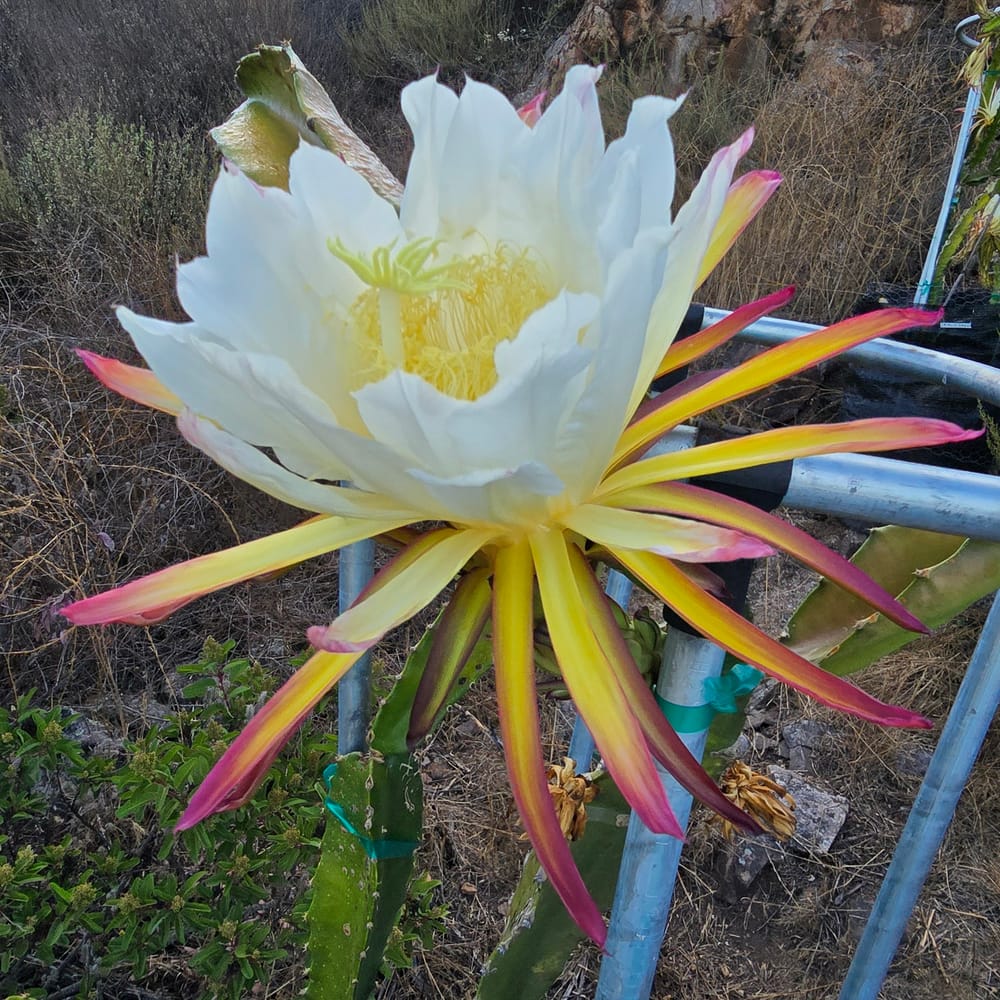
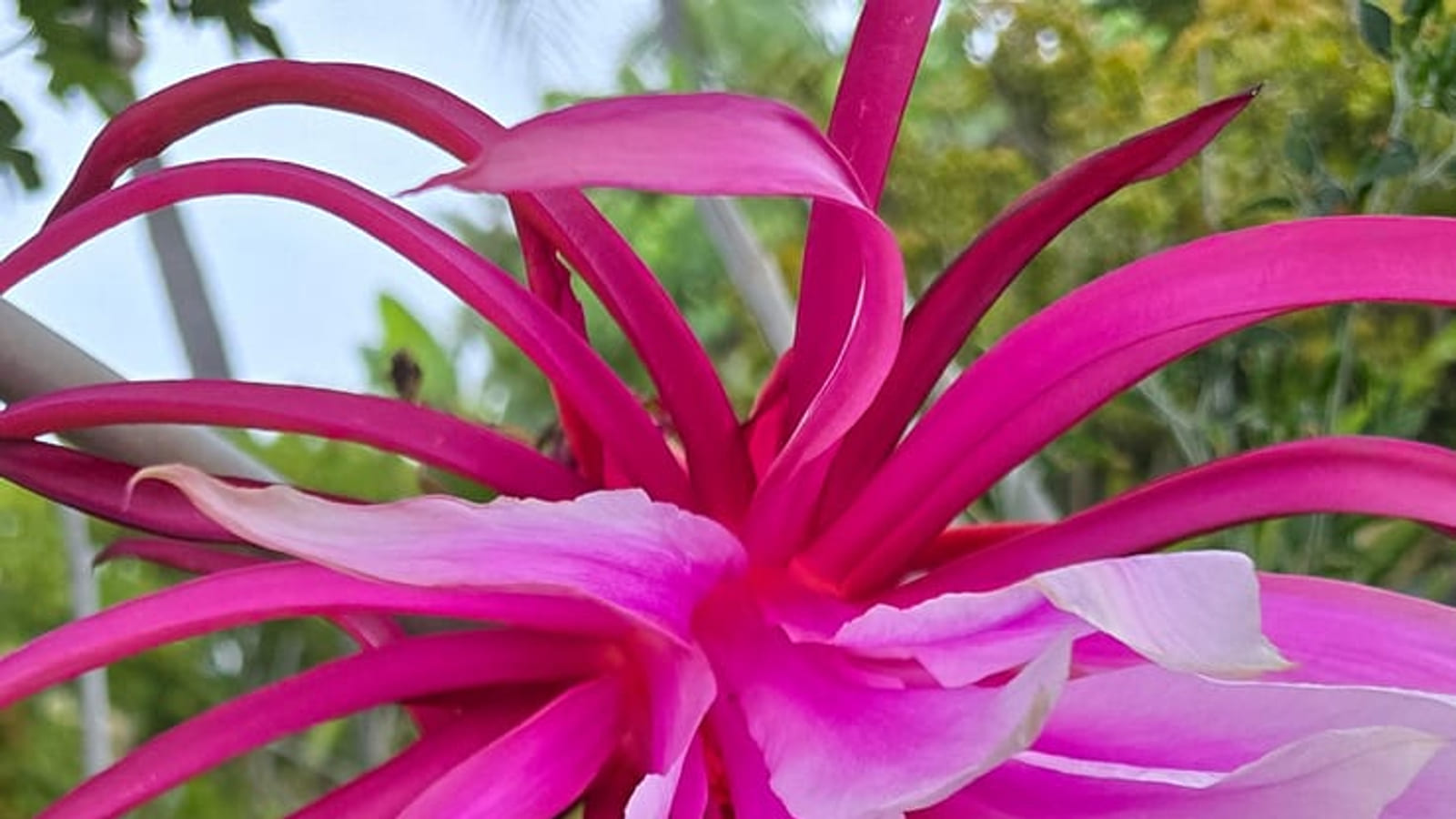
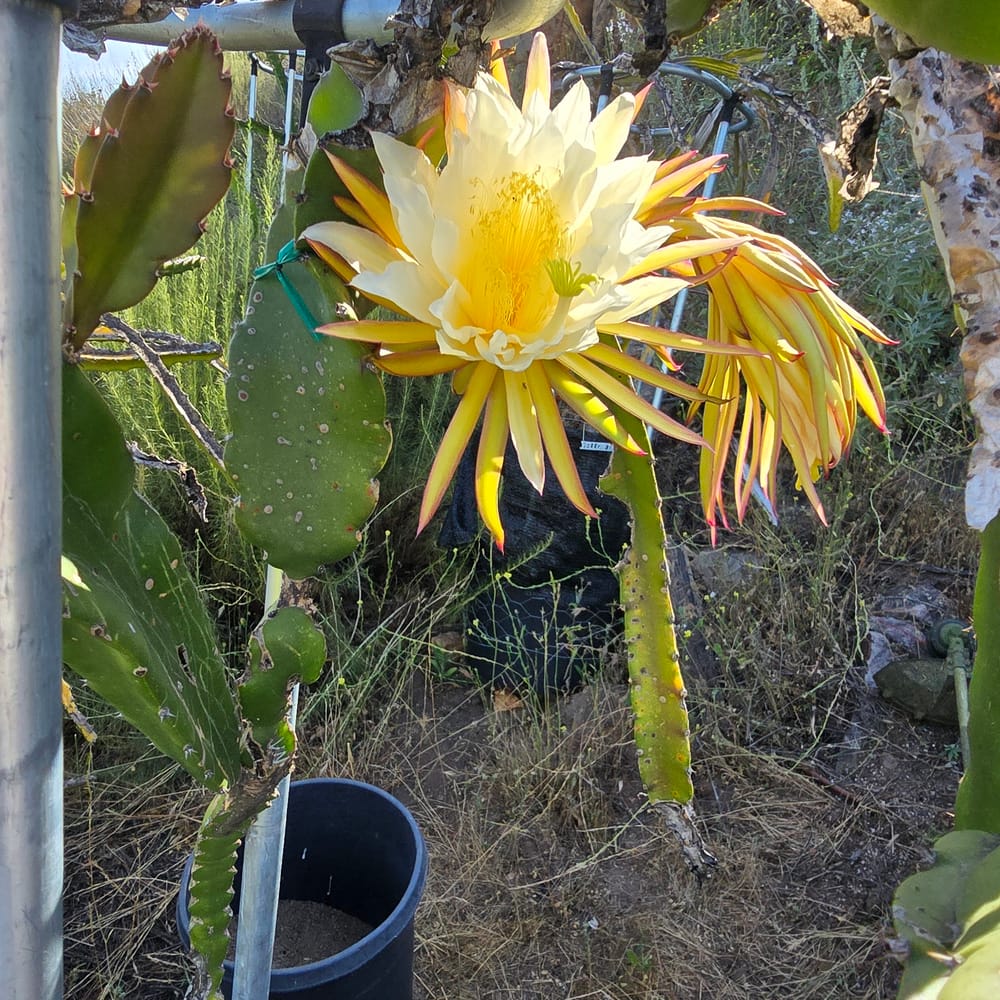
Country Roads is a self-sterile red-fleshed dragon fruit that requires a compatible pollinator to set fruit. This is the single most important fact for any grower. The variety belongs to the Hylocereus costaricensis group and is known for extra-large, three-sided stems. It produces firm red fruit with a tangy kiwi flavor and Brix readings in the high 20s. The night-blooming flowers are huge, reaching about 15 inches across. Because the plant cannot self-pollinate, you must plant it alongside another red-fleshed Selenicereus costaricensis variety. This cross-pollination ensures reliable fruit set and often improves size. We currently list this cutting under SKU CRO, but it is out of stock. If you are planning your nursery, prioritize finding a compatible companion before you plant your Country Roads.
The spec table below condenses the key data points for quick reference. Note that the "Time to First Fruit" entry reflects the bloom-to-fruit duration, not the total time from planting a cutting to the first harvest. Real-world time to first meaningful fruit is typically 1 to 3 seasons.
| Attribute | Detail |
|---|---|
| Fruit Shape | Perfectly round |
| Skin | Red fading to green fins |
| Flower Bud ID | Red outline on bud edges |
| Bloom Cycle | ~28 days from bud to fruit set |
| Companion Needs | Any red-fleshed S. costaricensis variety |
| Price Range | $20 to $30 per cutting |
| Current Stock | Out of stock |
If you are planning to hand-pollinate your plants, the red outline on the flower buds is your early signal that the bloom is approaching. This visual cue helps you prepare for the night-blooming event. For a detailed walkthrough on the process, see how-to-pollinate-dragon-fruit-by-hand-night-pollination-step-by-step.
Flavor and Fruit: The Kiwi-Tang Profile
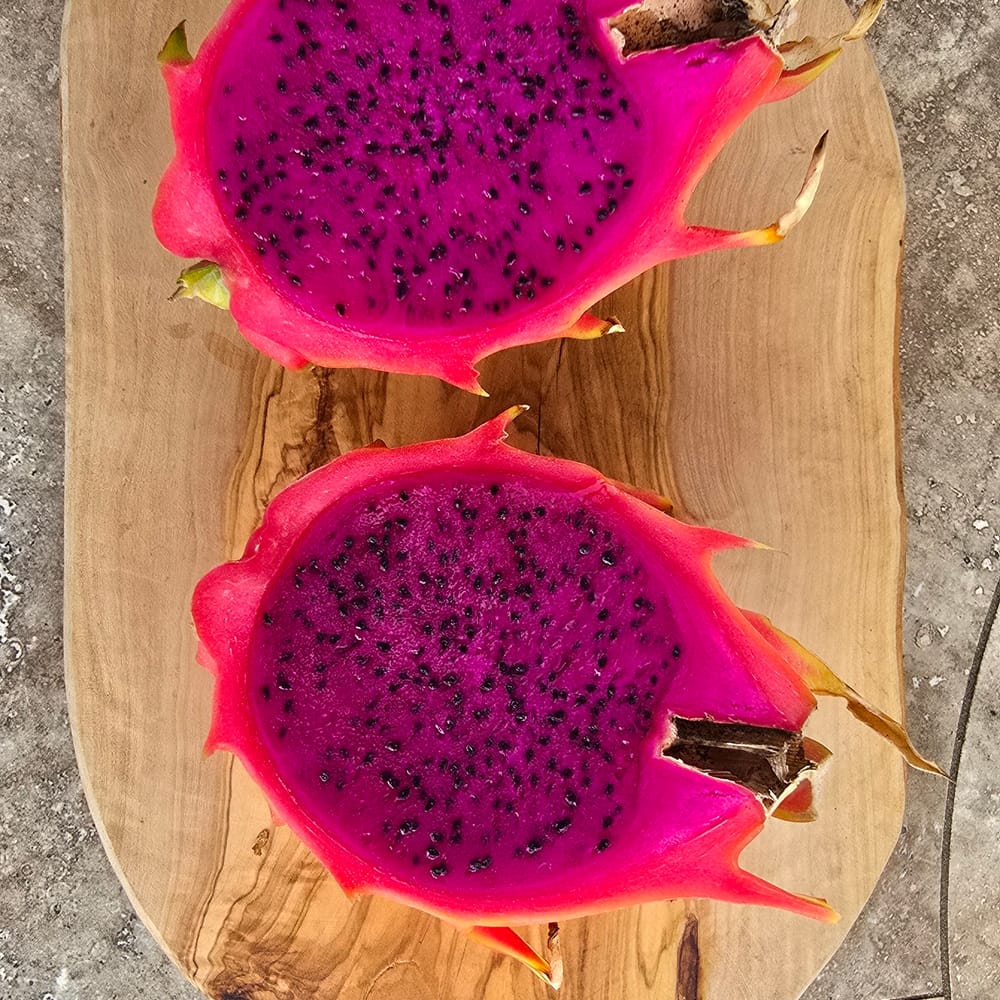
Country Roads delivers a distinct eating experience that sets it apart from the milder white-fleshed varieties. The flesh is firm and deep red, offering a texture that holds up well to slicing. The flavor profile is not just sweet. It carries a bright, tangy character that many growers compare to kiwi. This sweet and tart combination avoids the blandness sometimes found in other dragon fruits. You get a complex taste that feels more like a tropical berry than a neutral cactus fruit.
Visual Cues and Hand-Pollination Benefits
The fruit itself is perfectly round. The skin starts as a vibrant red and fades into green fins that curl outward and downward. This visual structure helps identify the variety at a glance. For growers, the quality of the fruit often depends on how it was pollinated. Hand-pollinated fruit tends to be larger and sweeter than fruit that sets on its own. Since Country Roads is self-sterile, you are already relying on cross-pollination. Taking the extra step to hand-pollinate can maximize the size and sugar content of your harvest. If you are ready to try this technique, our guide on how-to-pollinate-dragon-fruit-by-hand-night-pollination-step-by-step covers the process in detail.
The Self-Sterile Catch: You Need a Pollinator
Country Roads will bloom spectacularly every season, but those large flowers are a trap if you plant them in isolation. The variety is strictly self-sterile, meaning its own pollen is incompatible with its own stigma. No matter how many flowers open, the plant will drop them without setting a single fruit unless it receives pollen from a different source. This is a biological requirement confirmed by multiple nurseries and growers. You must provide a compatible partner to access the fruiting potential of this cultivar.
The good news is that you do not need a specific, rare hybrid to act as the pollinator. Any other red-fleshed variety in the Selenicereus costaricensis group will work. The pollen is compatible across this entire species group. Planting a second red-fleshed dragon fruit nearby ensures that natural cross-pollination can occur, which typically results in more reliable fruit set and often larger individual fruits. If you are already growing another red variety, you likely have your companion already. If not, prioritize acquiring one before you establish your Country Roads plant.
Timing the Hand-Pollination
While natural pollination by moths or bats can happen, relying on chance is risky, especially in areas with low nocturnal insect activity. Hand-pollination gives you control over the process and maximizes fruit quality. The flowers open at night, so timing is critical. You need to act while the flower is open. This is a delicate process that requires a soft brush and a steady hand to transfer pollen from the anthers to the stigma without damaging the delicate structures.
For a detailed walkthrough on the technique, including how to identify the right moment and the specific tools to use, see our guide on how-to-pollinate-dragon-fruit-by-hand-night-pollination-step-by-step. Following these steps ensures that every bloom has a chance to become a fruit, rather than wasting the plant's energy on flowers that will never develop.
Growth Habit and Vigor
Country Roads is a vigorous grower that demands respect from your infrastructure. Spicy Exotics, who collected this line from a tropical grower in California, describes the stems as extra large and three-sided with medium spines. To put that scale in perspective, the stems are roughly three times the size of a typical Hylocereus costaricensis. This is not a delicate vine that can be left to sprawl on a weak fence.
Structural Support Requirements
Because the stems are so thick, you need a support system built for weight, not just height. A heavy support is essential to keep the plant upright and prevent the stems from snapping under their own mass. If you are using a T-post or a dedicated dragon fruit tree, ensure the base is anchored securely in the ground. The three-sided geometry of the stems is distinct. However, the weight of the wood means that flimsy wire or thin bamboo stakes will likely fail over time.
Fruit Load and Stem Integrity
The fruit itself adds to the structural challenge. Country Roads produces fruit that weighs around one pound each. While a single pound may not seem excessive, a vigorous plant can carry multiple fruits simultaneously on long, trailing stems. The combination of heavy, thick stems and substantial fruit weight places significant stress on the attachment points. You may need to provide temporary support for heavy fruiting branches to prevent them from bending or breaking. This is especially important during the peak fruiting season when the plant is carrying its maximum load.
| Feature | Country Roads | Typical H. costaricensis |
|---|---|---|
| Stem Size | Extra large, ~3x typical | Standard |
| Stem Shape | Three-sided | Three-sided |
| Spines | Medium | Varies |
| Fruit Weight | ~1 lb | Varies |
Planning your layout is critical. You need enough space for the vines to spread out without tangling, but also enough vertical clearance for the heavy stems to climb. A dedicated trellis or a sturdy post system is the most reliable way to manage this growth habit. The plant’s vigor requires a grower who is willing to invest in robust infrastructure to support it.
How Country Roads Compares to Other Red Varieties
Country Roads sits at the sweet end of the Selenicereus costaricensis red group. While the broader category generally scores between 16 and 22 Brix, Country Roads consistently registers readings in the high 20s. This places it above many standard red cultivars that often hover in the mid-teens or low 20s. For a shopper looking for maximum sugar content without the extreme tartness of some wild selections, this variety offers a reliable high-sweetness profile.
Fruit size is another differentiator. Country Roads typically yields fruit around 1 lb, with averages reported between 0.75 and 1.2 lb. The perfectly round shape makes it easier to handle and slice.
| Attribute | Country Roads | Typical Red S. costaricensis |
|---|---|---|
| Brix Range | High 20s | 16 to 22 |
| Avg. Fruit Weight | 0.75 to 1.2 lb | Varies |
| Fruit Shape | Perfectly round | Varies |
| Flavor Profile | Tangy kiwi, firm | Varies, often milder |
| Pollination | Self-sterile | Varies by cultivar |
The self-sterile nature of Country Roads is a key comparison point. Country Roads strictly requires a compatible red-fleshed companion to set fruit. This means your planting plan must account for a second variety. If you are already growing a red S. costaricensis, you likely have a compatible partner. If not, you will need to add one. This requirement ensures reliable fruit set and often improves final fruit size through cross-pollination. For a detailed walkthrough on the process, see how-to-pollinate-dragon-fruit-by-hand-night-pollination-step-by-step.
Comparison Tip: If you are choosing between Country Roads and a milder red variety for a single-plant setup, note that Country Roads will not fruit alone. Pair it with a compatible red to maximize yield and sweetness.
Growing Country Roads in Southern California
Southern California offers the ideal climate for this vigorous cactus. Zone 10a and warmer regions are best for this plant. The dry-to-moderate conditions typical of the region align well with the species' natural preferences.
Soil composition is the critical factor for long-term health. The root system is highly sensitive to standing water and will rot quickly if the medium retains moisture for too long. A fast-draining mix is non-negotiable. Use a fast-draining mix to ensure air reaches the roots even during the wetter months. If you are planting in the ground, amend the native soil heavily with grit and organic matter to mimic this rapid drainage profile.
Light exposure should be full sun. In the intense Southern California heat, the plant produces robust stems. However, ensure the structure supporting the plant is sturdy. Country Roads stems are extra-large and three-sided, reaching significant weight as they mature. A heavy-duty trellis or a thick wooden post is required to bear the load without bending or breaking under the weight of the green mass.
The Nightly Pollination Routine
While the climate and soil set the stage, the single most labor-intensive task is managing the bloom cycle. The flowers open at night and are large, creating a spectacle that requires immediate attention. Because the variety is self-sterile, you must perform hand-pollination during each bloom period to ensure fruit set. This is a key task for fruit quality. Hand-pollination is what unlocks the size and sweetness potential of the harvest, resulting in larger, sweeter fruit compared to any accidental natural pollination that might occur.
Plan your schedule around the red outline on the flower buds. This visual cue signals that the bloom is approaching. Once the flower opens, you have a limited window to transfer pollen from a compatible companion plant. Consistency in this nightly routine during the blooming season is the difference between a sparse harvest and a bountiful crop of firm, red-fleshed fruit.
Buying Country Roads: Availability and Price
Country Roads is a sought-after selection, and stock tends to move quickly. We currently list this cutting under SKU CRO, but our inventory is at zero. When we do have stock, the price typically lands between $20 and $30 per cutting. This range reflects the specialized nature of the variety and the effort required to maintain a healthy cutting bank.
Availability can be inconsistent. If you see a listing for Country Roads, it is worth acting promptly. Waiting for a restock can mean missing a planting window, especially if you are coordinating with a pollinator companion.
Since the plant is self-sterile, you cannot rely on it to produce fruit in isolation. You must have a compatible pollinator nearby. If you are unsure which varieties work well together, our guide on how-to-pollinate-dragon-fruit-by-hand-night-pollination-step-by-step covers the basics of cross-pollination and companion selection. Having the right neighbor in the ground from day one saves you the hassle of moving heavy, established plants later.
Illustration generated for this article