Condor Dragon Fruit: Flavor, Facts & Best Alternative
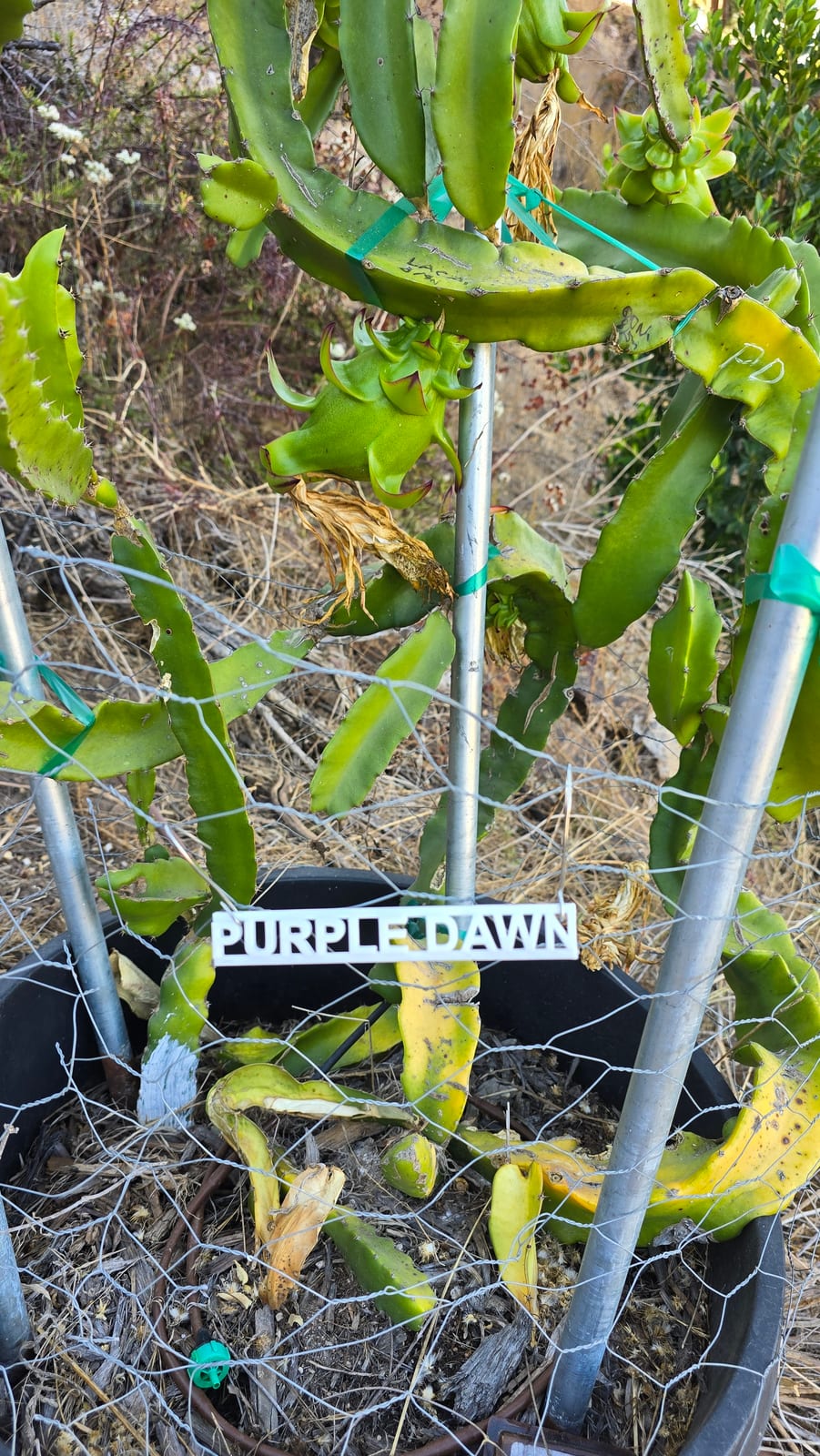
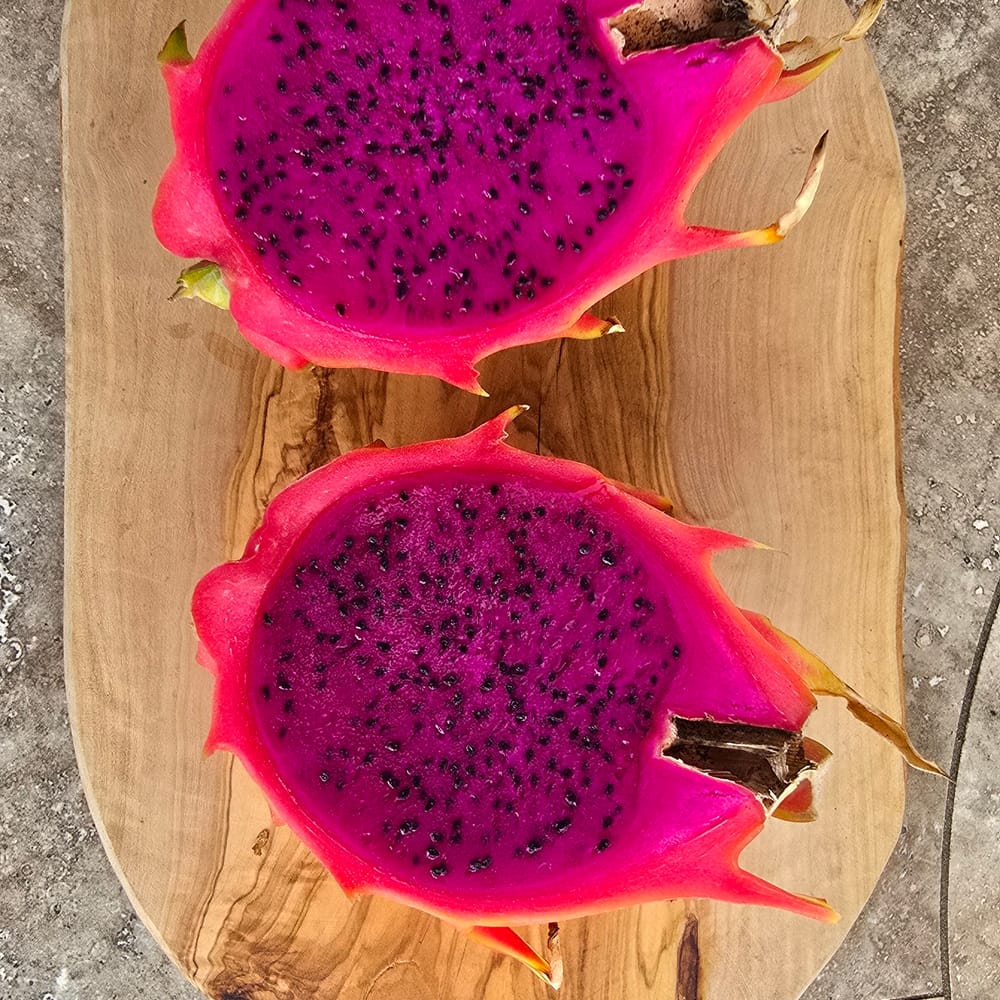
Condor is a premium Hylocereus guatemalensis dragon fruit variety developed by Paul Thompson that delivers exceptional flavor with a Brix reading of 19. This hybrid crosses a white-fleshed Selenicereus undatus parent with a purple-fleshed Selenicereus guatemalensis parent to create bright magenta flesh with sweet berry and grape notes balanced by pleasant tart acidity. The fruit offers a crisp watermelon-like texture and has earned top ratings at the Pitahaya Festival in Southern California.
Condor Dragon Fruit at a Glance
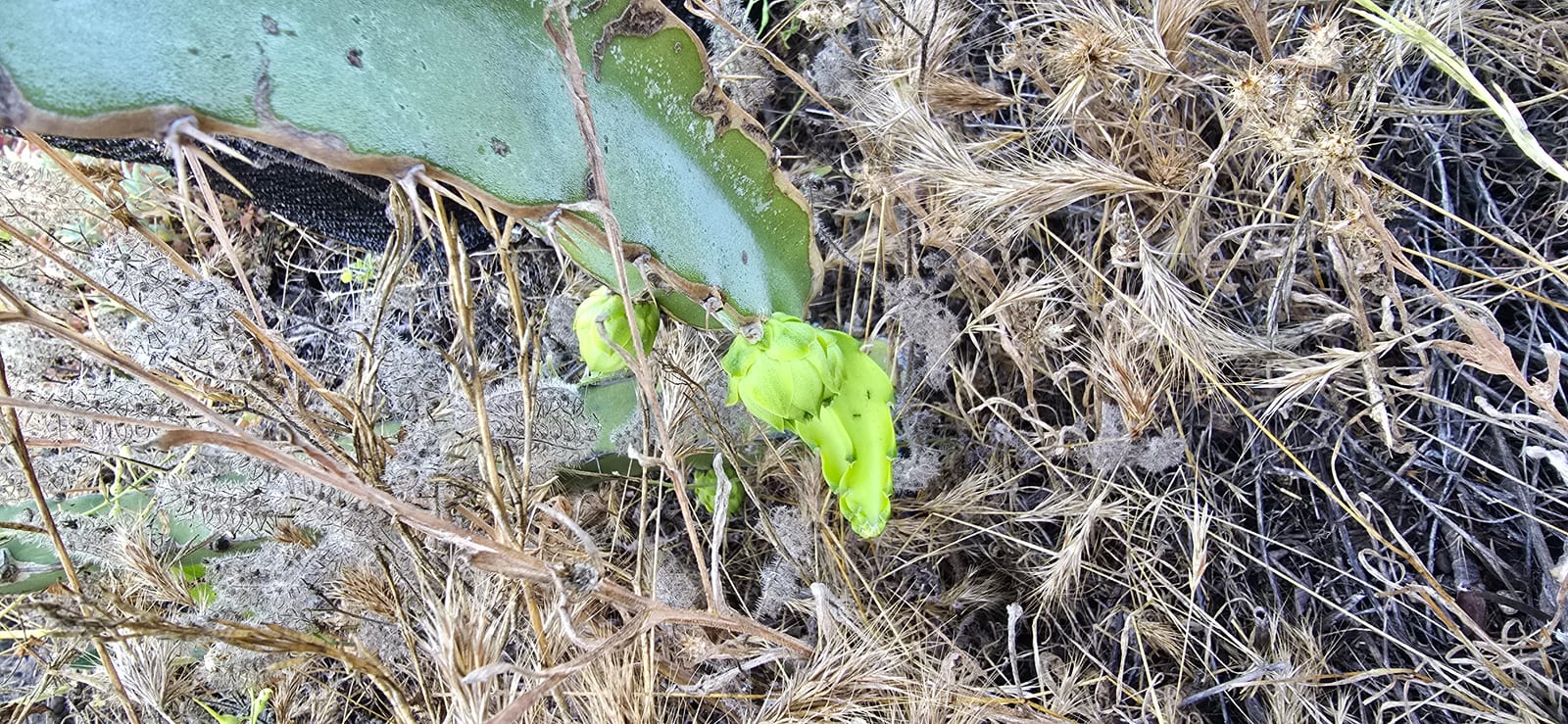
The visual transformation of the fruit signals ripeness. The skin starts light green with pink hues. It darkens to a deep pinkish-red as the sugars develop. Inside, the bright magenta flesh holds the betalains that give the fruit its color. These compounds act as antioxidants. The fruit also provides dietary fiber and vitamin C.
Condor moves fast from bloom to harvest. You can expect fruit in approximately 30 days in warm climates. The range often falls between 28 and 35 days. This rapid turnover allows for multiple harvests during the season. The plant itself is vigorous. It sends out three-sided stems with small thorns. A single cutting can exceed six feet in one growing season. It climbs using aerial roots.
Condor tolerates temperatures down to 30-32°F. It fruits reliably in USDA zones 10-11. Protect the plant from hard freezes in cooler pockets of these zones.
For more details on how this variety compares to others, see our complete dragon fruit varieties guide.
Flavor Profile: Why Condor Stands Out
Most gardeners grow dragon fruit for the novelty. Condor grows it for the taste. The flesh delivers a complex profile that goes beyond simple sugar. You get sweet berry and grape notes upfront. These flavors sit on a crisp, watermelon-like texture. The finish is clean, with a pleasant tart acidity that keeps the sweetness from feeling cloying.
Condor has consistently earned top flavor ratings at the Pitahaya Festival in Southern California. Judges there prioritize depth of flavor and balance over sheer size. Condor wins because it tastes like a refined fruit, not just a sweet vegetable.
The numbers back up the sensory experience. Condor averages a Brix reading of 19. This places it firmly among the sweetest red-fleshed varieties available. For context, most supermarket dragon fruit varieties hover between 12 and 14 Brix. That difference is noticeable on the palate. It is the difference between a mild snack and a dessert-quality fruit.
How it compares to other varieties
Condor occupies a specific niche in the dragon fruit world. It is sweeter and more complex than standard white-fleshed varieties. Those mild types often lack the aromatic punch found in Condor. At the same time, it offers more balance than some other purple-fleshed cultivars. Some dark-fleshed varieties can be overly sugary or one-dimensional. Condor uses its tart acidity to lift the berry notes.
| Variety Type | Sweetness (Brix) | Flavor Complexity |
|---|---|---|
| Supermarket White | 12-14 | Mild, watery |
| Condor | 19 | Berry, grape, tart balance |
If you are looking for a variety that delivers this level of quality, check our complete dragon fruit varieties guide. While we do not stock Condor, understanding its profile helps you choose the right alternative for your garden.
Growing Condor Dragon Fruit
Condor grows fast. A single cutting can exceed six feet in one growing season. The stems are three-sided with small thorns. They climb using aerial roots that grip vertical surfaces. You need a sturdy trellis or cinder block column to support this weight. The plant will not stay upright on its own.
Soil must drain well. Water sits in heavy clay and rots the roots. Use a gritty mix with perlite or pumice. Water needs are medium. Give shallow but regular irrigation in summer. Let the top layer of soil dry out between waterings. Do not let the roots sit in standing water.
Temperature matters for survival. Condor tolerates temperatures down to 30-32°F. It fruits reliably in USDA zones 10-11. Protect the plant from hard freezes in cooler pockets of these zones. Mulch the base to insulate the roots in winter.
Flowering and Fruit Set
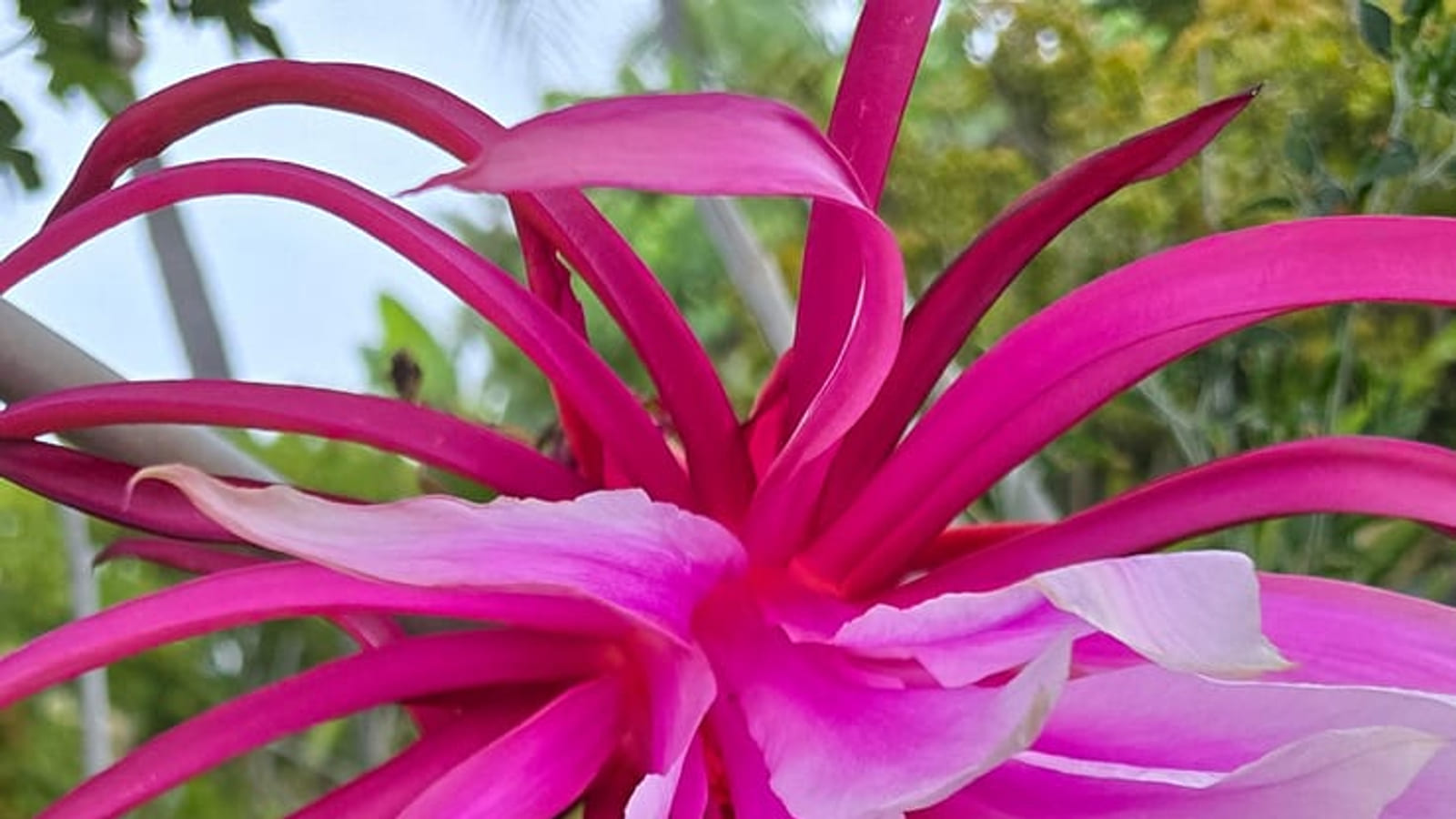
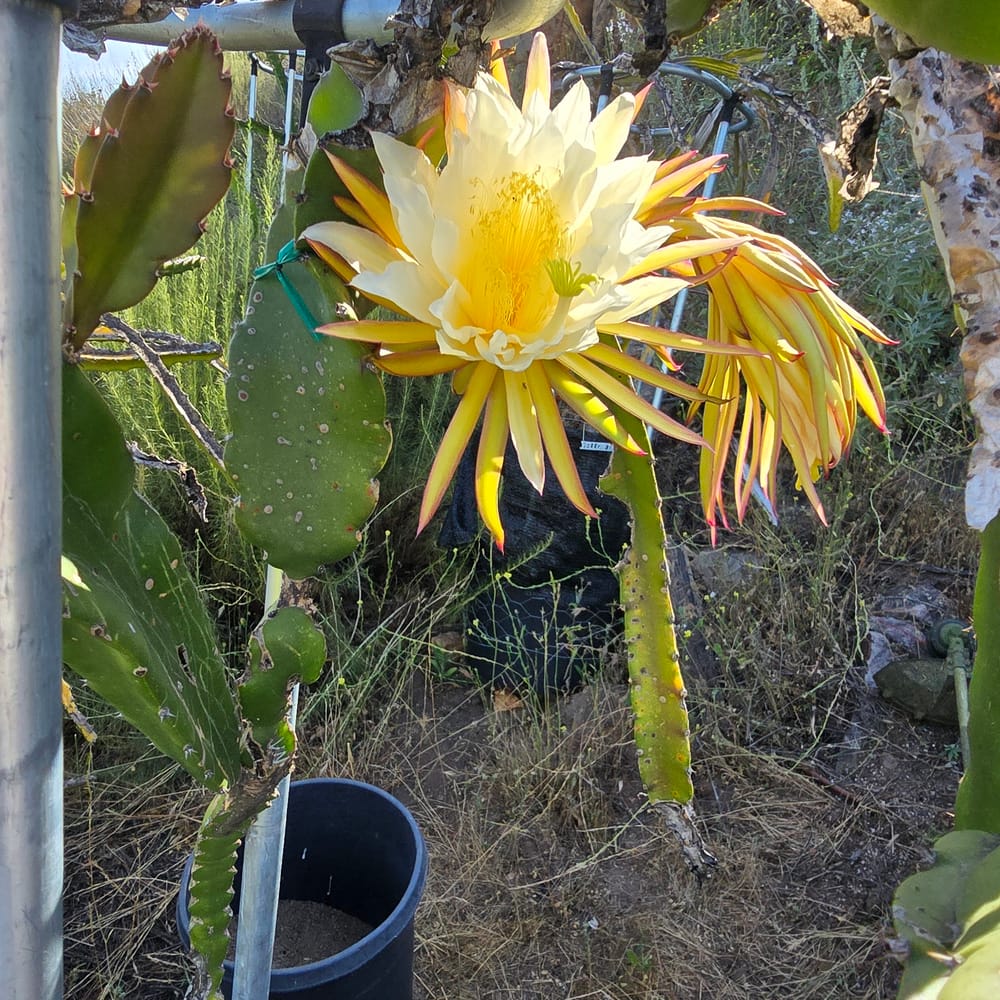
The flowers are large and dramatic. They measure 10-14 inches across. The petals are white with yellow centers. They open at dusk and last only one night. The scent is strong and fragrant. You will smell them from a distance.
Fruit sets quickly after pollination. It takes about 30 days from flower to harvest in warm climates. The range is typically 28 to 35 days. This rapid turnover allows for multiple harvests during the season. Check the plant often to catch the fruit at peak ripeness.
Condor blooms at night. Place a white sheet or light-colored cloth near the base of the plant to spot falling petals. This helps you track bloom timing for pollination efforts.
For more details on how this variety compares to others, see our complete dragon fruit varieties guide.
Pollination: Self-Fertile or Cross-Pollinated?
The pollination status of Condor is a common point of confusion. San Marcos Growers lists it as self-pollinating. Spicy Exotics lists it as self-sterile. Wallace Ranch notes that while it is listed as self-pollinating, cross-pollination yields larger fruit. Most commercial growers recommend cross-pollination for the best results. You do not need to pick a side in this debate. You simply need to ensure pollination happens.
Relying on self-pollination is risky. Even if the flower can set fruit on its own, the yield and size often suffer. Cross-pollination ensures consistent fruit set and heavier harvests. It also improves the overall quality of the fruit. This is especially true for a high-value variety like Condor.
Pro tip: Do not guess with pollination. Plant a compatible partner to guarantee fruit set. This simple step removes the uncertainty from your harvest.
You need a pollinator that blooms at the same time. Condor flowers are nocturnal and last only one night. Your partner variety must open its flowers during that same window. American Beauty, Robles Red, and Sugar Dragon are excellent choices. These varieties bloom simultaneously with Condor. They are genetically compatible and reliable partners.
| Pollinator | Bloom Sync | Compatibility |
|---|---|---|
| American Beauty | Simultaneous | High |
| Robles Red | Simultaneous | High |
| Sugar Dragon | Simultaneous | High |
If you source Condor cuttings elsewhere, consider adding one of these varieties to your garden. American Beauty is a particularly strong match. It shares similar vigor and bloom timing. This pairing maximizes your chances of a heavy crop. For more details on how these varieties interact, see our complete dragon fruit varieties guide.
Condor vs. Other Dragon Fruit Varieties
Condor sits at the top of the flavor hierarchy with its 19 Brix rating. Most gardeners want that level of sweetness without sacrificing complexity. We carry several high-performing varieties that rival or complement Condor. The table below breaks down how Condor stacks up against Physical Graffiti, Dark Star, Purple Haze, and American Beauty.
| Variety | Flesh Color | Brix | Pollination | Growth Rate | Flavor Notes |
|---|---|---|---|---|---|
| Condor | Magenta | 19 | Self-fruitful (cross better) | Vigorous | Berry, grape, tart balance |
| Physical Graffiti | Purple | ~17 | Self-fruitful | Moderate | Berry, kiwi |
| Dark Star | Deep Purple | High | Self-fruitful | Moderate | Rich, floral |
| Purple Haze | Purple | Medium-High | Self-fruitful | Moderate | Mild, sweet |
| American Beauty | Purple | High | Self-fruitful | Vigorous | Sweet, balanced |
Physical Graffiti is the closest match we carry to Condor in terms of flavor intensity. It hits a Brix of around 17. The flesh is a deep purple. You get distinct berry and kiwi notes. It lacks the sharp tart finish of Condor. It offers a smoother, fruit-forward profile. This variety is an excellent choice if you want high sweetness without the aggressive acidity.
American Beauty remains our top recommendation for Condor growers. It blooms at the same time. This timing makes it a perfect cross-pollinator. The flavor is sweet and reliable. It does not reach the 19 Brix peak of Condor. It provides consistent quality and vigorous growth. Visit our complete dragon fruit varieties guide to compare full profiles.
Best Alternative: Dragon Fruit Varieties We Do Carry
Condor is not in our nursery, but three varieties we do grow land close to it. Physical Graffiti is the closest match to the Condor experience. It features deep purple flesh with a sweet-tart balance and distinct berry notes. Like Condor, Physical Graffiti is self-sterile. You will need a compatible pollinator to get fruit. This variety delivers the complex taste you want without the mildness of standard white-fleshed types.
If you prefer guaranteed fruit set, look at American Beauty. It is a self-fertile purple-fleshed variety. You do not need a partner plant for it to produce. The flesh is vibrant and the flavor is rich. It is a reliable performer for growers who want high-quality fruit with less management overhead.
For pure sweetness, consider Purple Haze. This variety reaches a Brix of 18.5. It is very sweet and lacks the tart edge found in Physical Graffiti or Condor. It is an excellent choice if your priority is sugar content over complex acidity.
| Variety | Flesh | Pollination | Flavor Note |
|---|---|---|---|
| Physical Graffiti | Purple | Self-sterile | Sweet-tart, berry |
| American Beauty | Purple | Self-fertile | Rich, sweet |
| Purple Haze | Purple | Self-fertile | Very sweet (18.5 Brix) |
Pairing tip: If you choose Physical Graffiti, plant it near a variety that blooms at the same time. American Beauty works well as a partner. This ensures cross-pollination and better fruit set.
Explore our complete dragon fruit varieties guide to find the perfect match for your garden conditions.
FAQ: Condor Dragon Fruit
Gardeners often have specific questions about Condor before they commit to growing it. Here are the answers to the most common inquiries.
Do you sell Condor cuttings?
No. We do not stock Condor dragon fruit cuttings or plants. We recommend American Beauty as the closest alternative in our nursery. It shares the vibrant purple flesh and high sweetness profile you seek.
Taste and Quality
Condor delivers a complex flavor profile that stands out in the dragon fruit world. You will taste sweet berry and grape notes upfront. These flavors sit on a crisp, watermelon-like texture. The finish is clean with a pleasant tart acidity. This balance keeps the sweetness from feeling cloying. Condor averages a Brix reading of 19. This places it among the sweetest red-fleshed varieties available. Most supermarket dragon fruit varieties hover between 12 and 14 Brix. That difference is noticeable on the palate. It is the difference between a mild snack and a dessert-quality fruit.
Pollination and Genetics
There is some confusion regarding Condor's self-fertility. Some sources list it as self-pollinating. Others list it as self-sterile. Most commercial growers recommend cross-pollination for best results. Cross-pollination typically yields larger fruit and better set. If you grow Condor, plant a compatible pollinator nearby. American Beauty, Robles Red, and Sugar Dragon are excellent choices. These varieties bloom simultaneously with Condor. They ensure your flowers get the pollen they need.
| Question | Answer |
|---|---|
| Is Condor self-fertile? | Reports conflict. Cross-pollination is recommended for best results. |
| What is the best pollinator? | American Beauty, Robles Red, or Sugar Dragon. |
| How sweet is it? | Average Brix of 19. |
| Where can I buy it? | We do not stock it. See our American Beauty page for alternatives. |
For more details on how this variety compares to others, see our complete dragon fruit varieties guide.