Zamorano Dragon Fruit: Profile, Taste, and Sugar Dragon Alternative
Zamorano is a Selenicereus polyrhizus hybrid from Honduras, named after the Escuela Agronomica de Zamorano where it was collected. It produces medium-sized fruit with crimson red flesh and a sweet, mild flavor. The plant features darker green, three-sided stems. While it is a good pollen donor, self-fertility reports vary. We do not carry Zamorano cuttings. However, we recommend Sugar Dragon as the closest match we have in stock. It offers similar red flesh and reliable sweetness. You can buy Sugar Dragon plants here to get started with a proven red variety.
Zamorano starts slow. Young cuttings take their time establishing roots and stems compared to faster varieties. This juvenile lag is why you rarely see it in big commercial nurseries. The growth rate picks up significantly once the plant matures. The stems thicken and the canopy fills out.
Once established, the flowering schedule is aggressive. Zamorano is an early bloomer. In tropical zones, it flowers year-round. This means you get multiple harvest windows instead of one big push. The window from bloom to ripe fruit is short. You can expect harvest in 33-34 days.
You need to watch the flowers closely. Missing the pollination window means missing the fruit.
Where Zamorano Comes From
Zamorano was collected at the Escuela Agronomica de Zamorano in Honduras, a renowned agricultural university. It started as a selection from a research environment rather than a backyard experiment.
From Honduras, the plant material moved to commercial growers in Vietnam. It also found a home with growers in California and Florida. These regions have tropical climates that suit the plant's needs.
Lineage matters. Plant material from the original Honduras or established Florida lines tends to perform best. This genetic stability helps ensure consistent fruit quality.
It was bred and selected for production.
Taste and Texture: What Does Zamorano Dragon Fruit Taste Like?
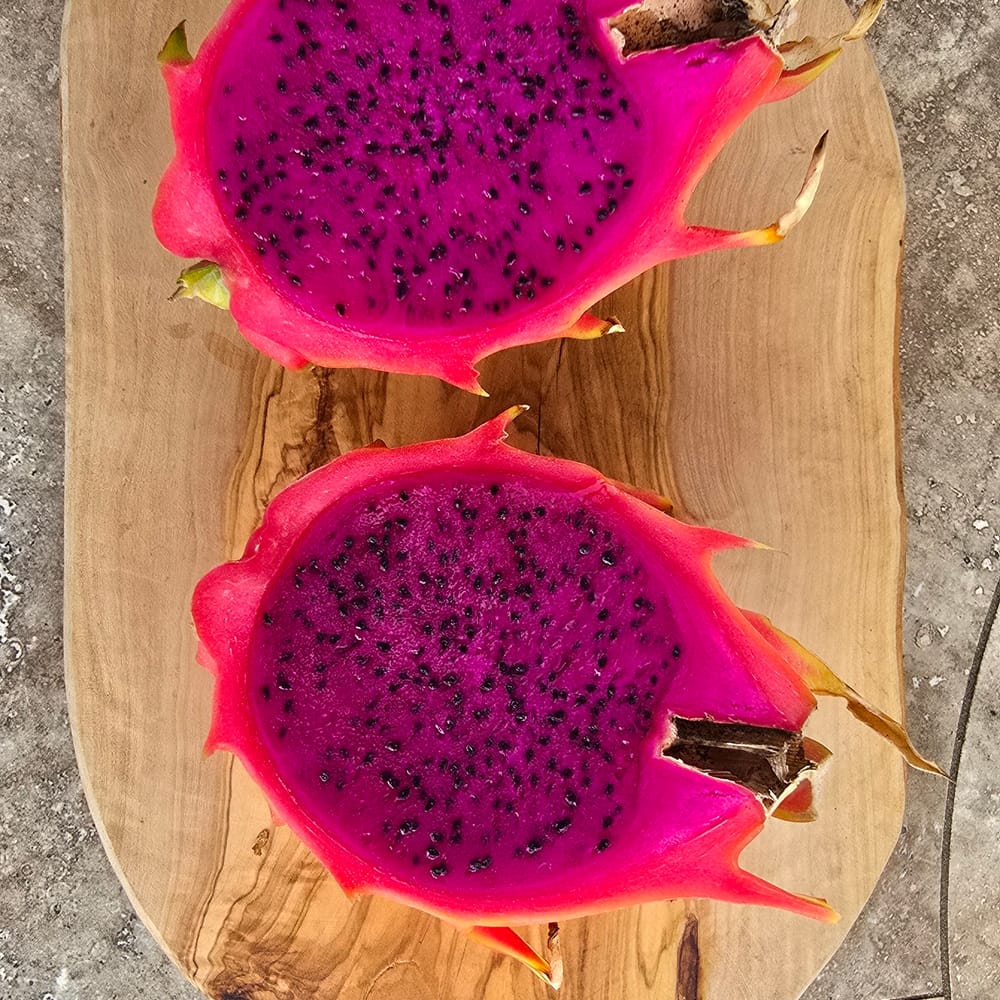
The crimson red flesh comes from betalain pigments, which are common in red-fleshed varieties. They give the fruit its vivid color. The flavor profile is sweet and mild. It sits in the moderate sweetness range for red types. You can expect a sugar level around 17 brix. This makes it pleasant to eat without being cloying.
Not all Zamorano plants taste the same. Some growers report a flat taste. This usually happens with inferior plant material. Quality lineage matters. Stick to plants from established Honduras or Florida lines for consistent flavor.
The texture is smooth and juicy. It pairs well with other tropical fruits. You can eat it fresh out of hand. It works well in juices and smoothies. The bright color makes it a great garnish for drinks. You can also cook it down into jams. The mild flavor holds up well in preserves.
| Attribute | Detail |
|---|---|
| Flesh Color | Crimson red (betalain) |
| Sugar Level | ~17 brix |
| Flavor Profile | Sweet, mild |
| Best Uses | Fresh, juice, jam, garnish |
Growing Zamorano Dragon Fruit
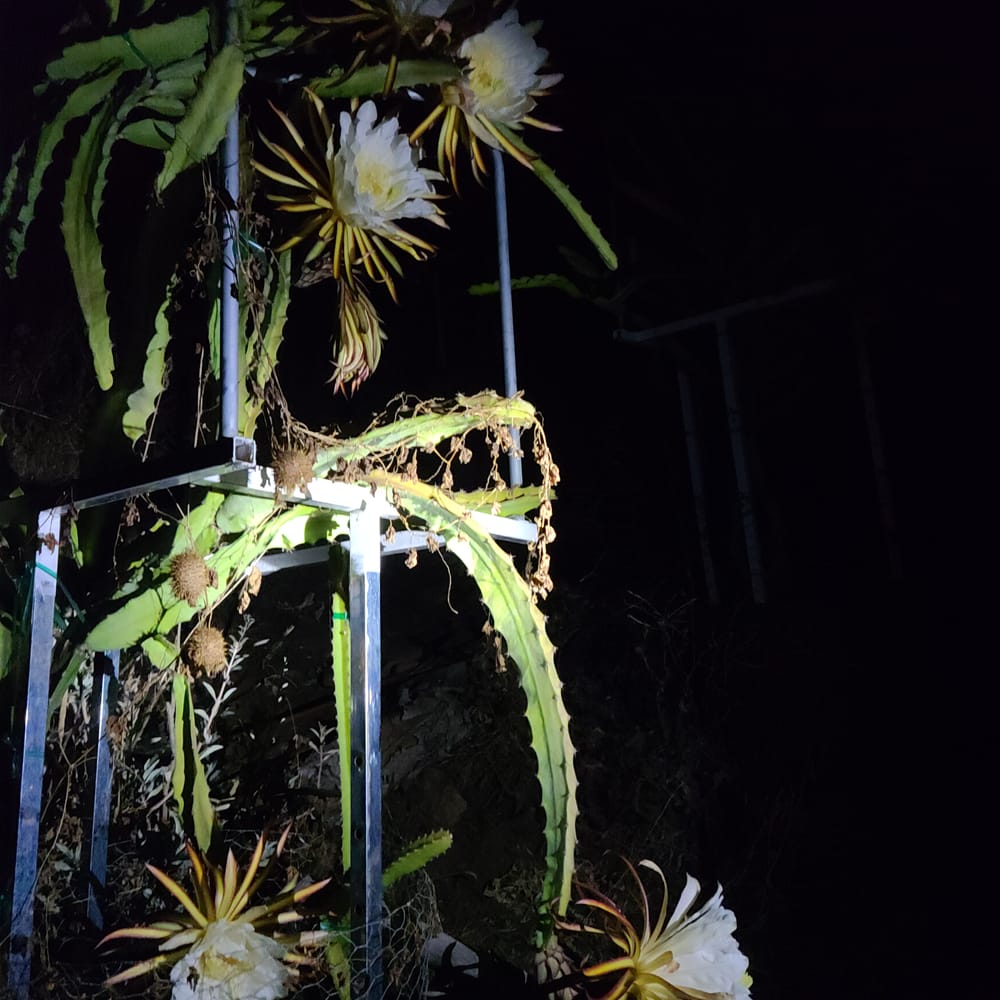
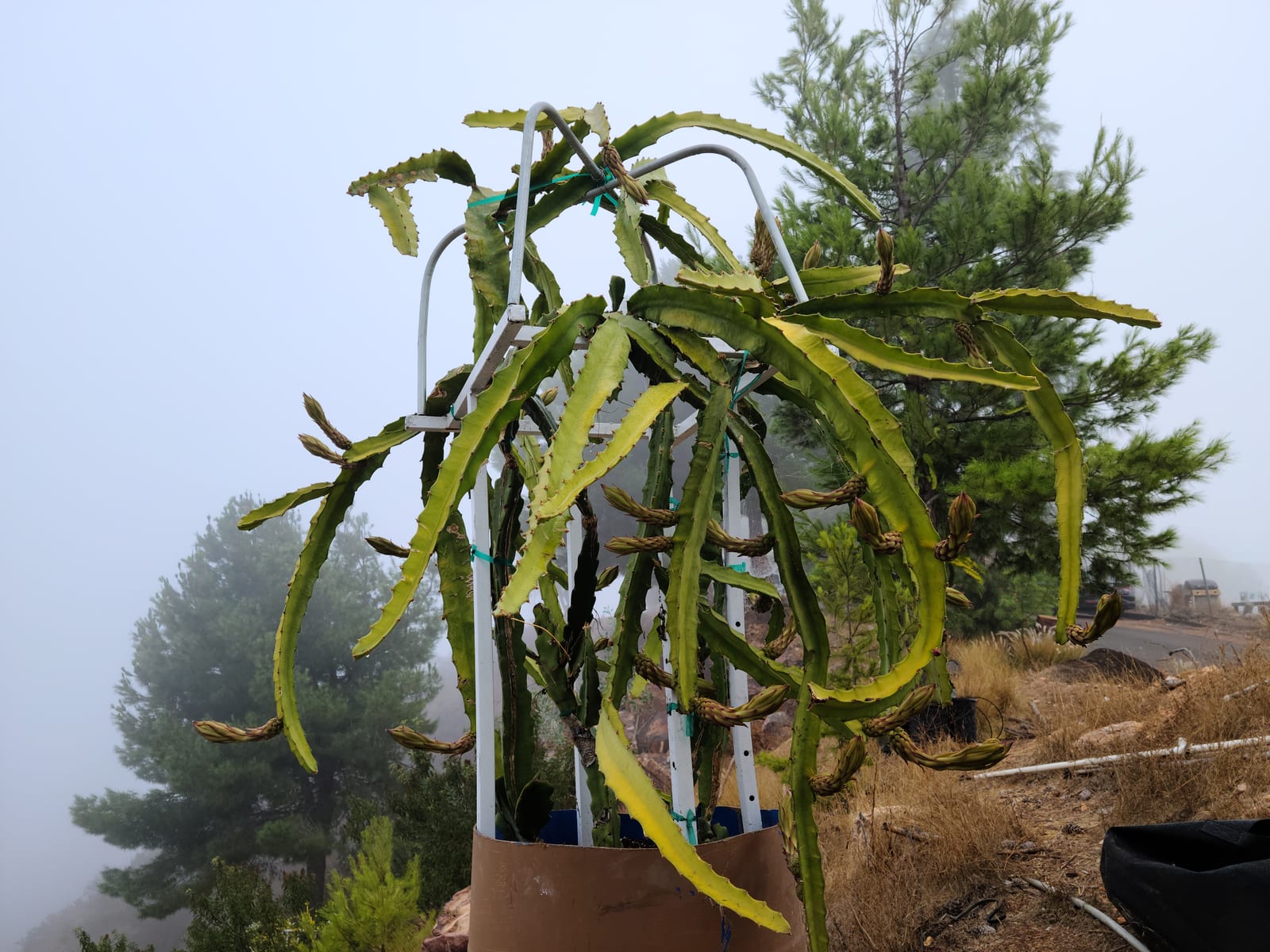
Zamorano has a distinct look. The stems are darker green and clearly three-sided. You will see medium-sized spines along the ridges. This structure helps you identify the plant in the field. It also tells you how it grows. As an epiphytic cactus, it needs something to climb. Use a sturdy trellis or a heavy support post. The plant will wrap around it as it matures.
Climate is the first filter. Zamorano thrives in USDA zones 10-11. It needs full sun and well-draining soil. Frost will kill the stems. If you live in a colder zone, grow it in a pot and bring it inside during winter. The soil must dry out between waterings. Soggy roots lead to rot. Keep the base of the stem dry.
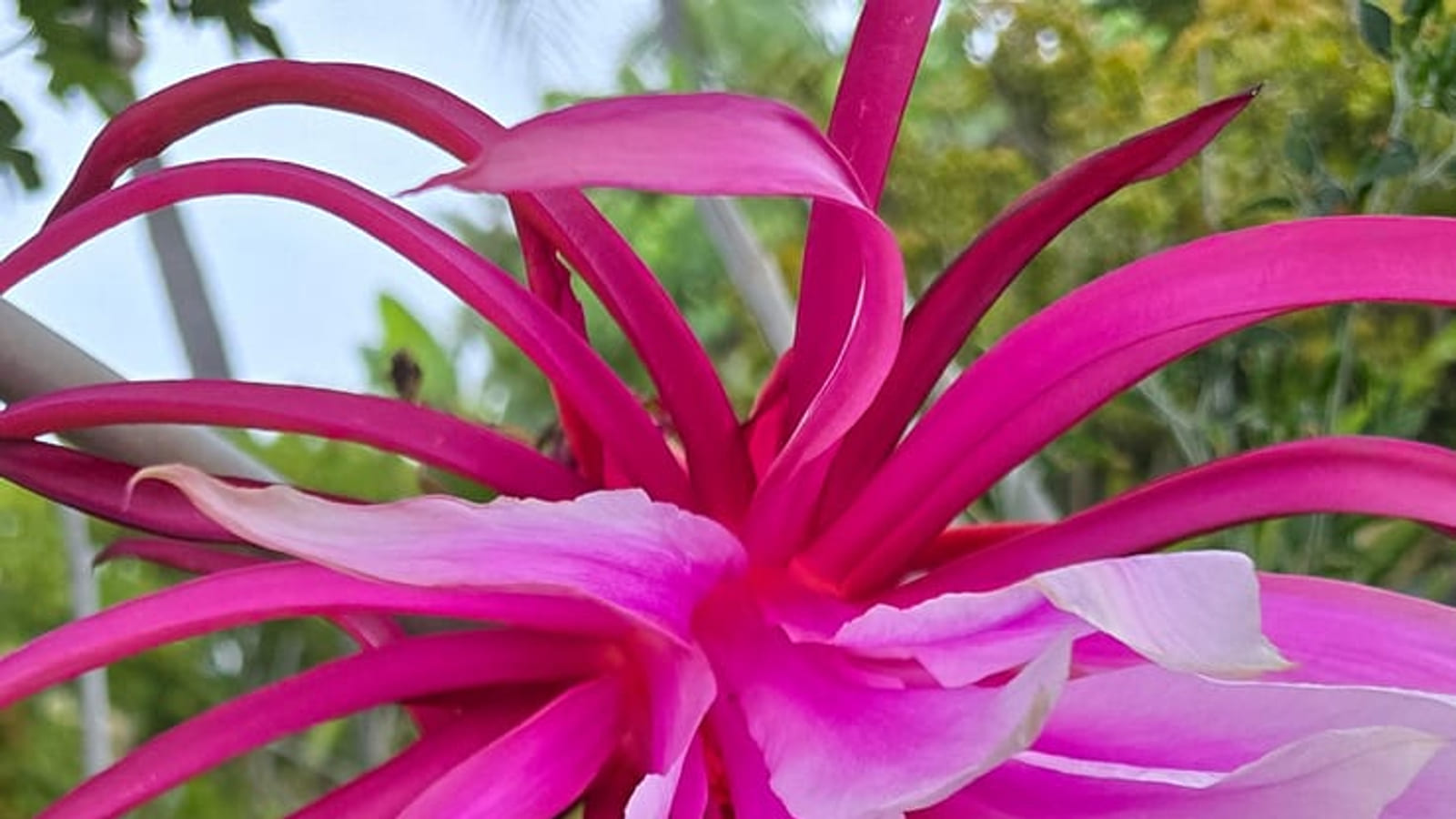
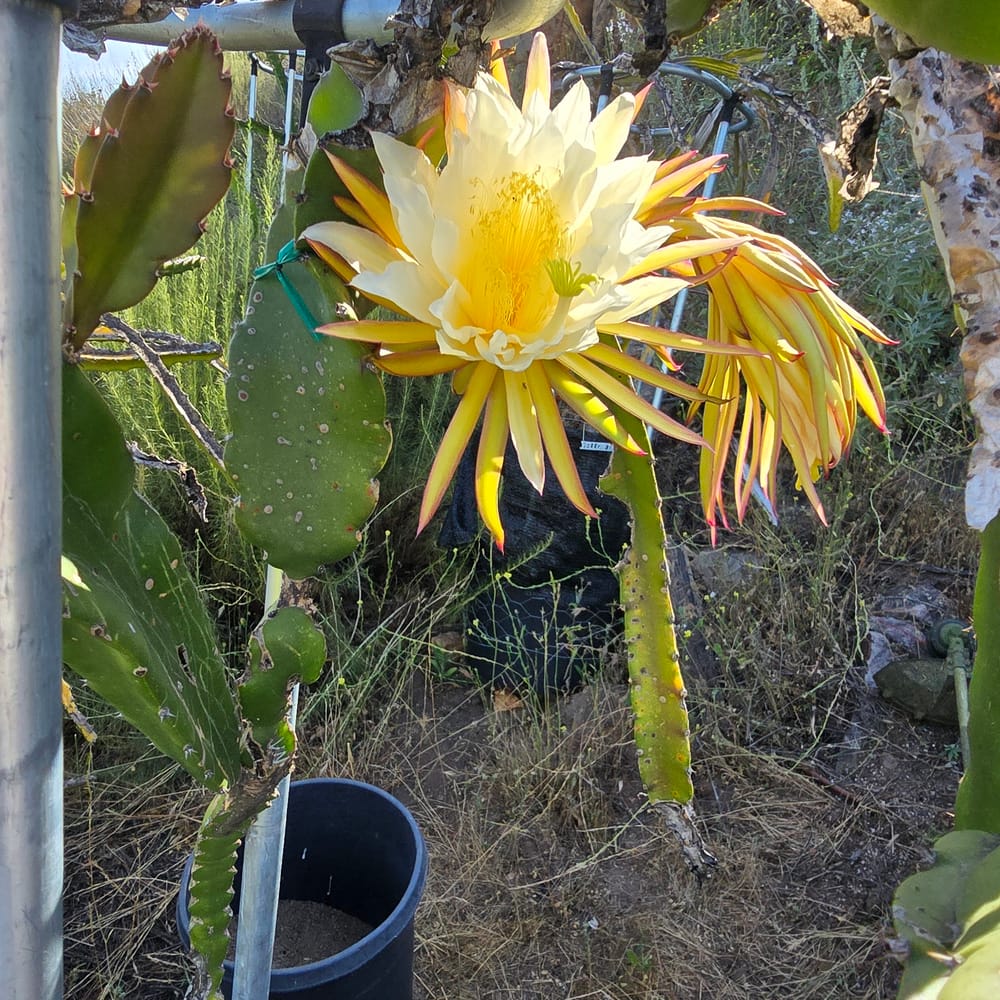
Watch the bloom cycle closely. Zamorano is an early bloomer. The blooms are large. They open at night and close by morning. Missing the pollination window means no fruit for that flower.
Pollination can be tricky. Reports on self-fertility conflict. Spicy Exotics lists Zamorano as self-sterile. Pine Island Nursery states it sets fruit on its own. The safest approach is to plant a pollinator. Zamorano is a known good pollen donor. It can fertilize other varieties. Planting it near a different red-fleshed type ensures fruit set. Hand pollination is also an option if you have only one plant.
- Plant in full sun with well-draining soil.
- Provide a vertical support for climbing.
- Water only when soil is dry.
- Monitor for night-blooming flowers.
- Ensure pollination via cross-pollination or hand pollination.
Growth habits shift over time. You already know the juvenile phase is slow. Do not panic if the cutting seems dormant. It is establishing roots. Once mature, the vigor increases. The canopy fills out quickly. This late surge in growth supports the heavy flowering schedule. Plan your garden space to accommodate the mature size.
Zamorano vs. Other Dragon Fruit Varieties
Choosing the right red-fleshed dragon fruit depends on your goals. Do you want the highest sugar content or the easiest grow? Zamorano sits in a specific niche among popular varieties. It offers reliable production and moderate sweetness without the extreme sugar levels of some newer hybrids. Comparing it to Physical Graffiti, Sugar Dragon, and Robles Red helps clarify where it fits in your garden.
| Variety | Flesh Color | Sweetness (Brix) | Key Trait |
|---|---|---|---|
| Zamorano | Crimson red | ~17 | Mild flavor, early bloomer |
| Physical Graffiti | Purple | Sweet | Berry-forward taste |
| Sugar Dragon | Red | Very sweet | Very sweet, easiest to grow |
| Robles Red | Red | Mildly sweet | Consistent red flesh |
Zamorano is distinct for its balance. Physical Graffiti offers a deeper purple hue and a berry-forward profile that appeals to those seeking complex flavors. Sugar Dragon is the benchmark for ease and intensity. It is widely considered the easiest red variety to grow and delivers very high brix levels. If maximum sweetness is your only priority, Sugar Dragon wins. Robles Red provides a solid alternative with consistent red flesh and reliable sweetness, though it lacks the early-blooming vigor of Zamorano.
For most home gardeners, Zamorano offers a practical middle ground. It is less demanding than high-brix specialists but more productive than slower varieties.
Best Zamorano Alternatives We Stock
We do not carry Zamorano cuttings. You can still grow excellent red-fleshed dragon fruit. We recommend three varieties that match or exceed Zamorano in performance and flavor. Each offers a distinct advantage for your garden.
| Variety | Flesh Color | Key Trait |
|---|---|---|
| Robles Red | Red | Sweet-mild profile similar to Zamorano |
| Sugar Dragon | Red | Sweeter and easiest to grow |
| Physical Graffiti | Purple-magenta | Complex berry flavor and very prolific |
Robles Red: The Closest Flavor Match
Robles Red is the closest match to Zamorano in our inventory. It features bright red flesh and a sweet, mild flavor profile. If you like the taste of Zamorano but want a plant that is easier to find and grow, this is your best option. It performs reliably in most climates. Buy Robles Red plants here.
Sugar Dragon: The Reliable Performer
Sugar Dragon is the easiest variety to grow. It produces red flesh with higher sugar content than Zamorano. The plant is vigorous and forgiving. It sets fruit readily and handles minor care mistakes better than slower varieties. This is the top choice for beginners or growers who want consistent harvests with less fuss. Buy Sugar Dragon plants here.
Physical Graffiti: The Flavor Powerhouse
Physical Graffiti stands out with its deep purple-magenta flesh. The flavor is complex with distinct berry notes. It is much sweeter than Zamorano. This variety is also very prolific. It produces large volumes of fruit once established. Choose this if you want maximum yield and a unique taste experience. Buy Physical Graffiti plants here.
Not sure which variety fits your climate? Check our complete dragon fruit varieties guide for detailed comparisons.