Shayna Dragon Fruit: Purple Flesh, Sweet Flavor
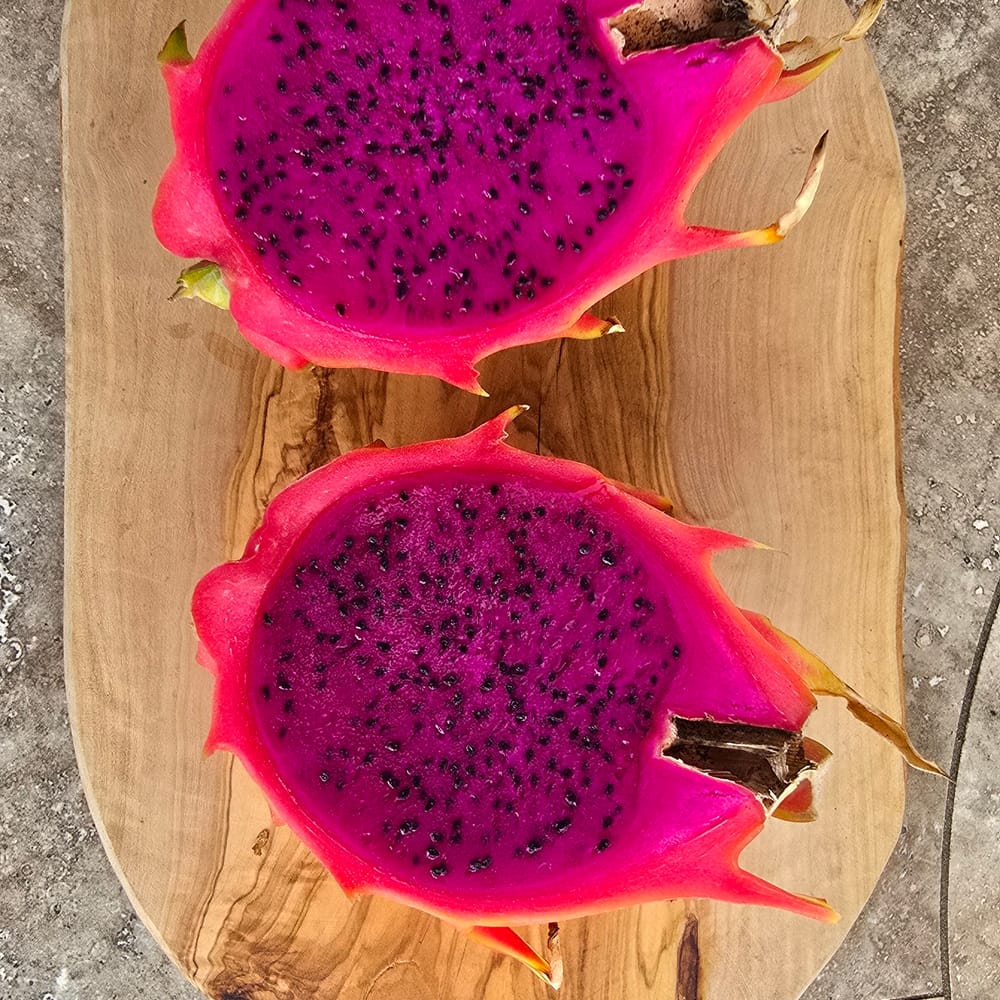
Shayna dragon fruit produces round, medium-sized fruit with bright purple flesh and a sweet-tart flavor. The skin turns pinkish-red as the flesh ripens, signaling the best time to harvest. Each fruit typically weighs about a pound and offers a semi-firm texture with plenty of juice. Because it cannot tolerate hard freezes, you must protect the plant from cold temperatures to ensure it thrives.
What is Shayna dragon fruit? (variety identity)
Shayna is a specific hybrid cross that bridges two distinct lineages of dragon fruit. It is the result of crossing Condor, a vigorous Hylocereus guatemalensis hybrid, with White Vietnamese dragon fruit, a classic Hylocereus undatus. This parentage gives the plant a unique identity in the nursery world. While it carries the robust growth traits of the guatemalensis side, it incorporates the fruiting characteristics of the undatus parent. Because of this specific lineage, the variety is sold and classified as H. guatemalensis X H. undatus. This hybrid status is the core of its identity, distinguishing it from pure species or other unrelated crosses.
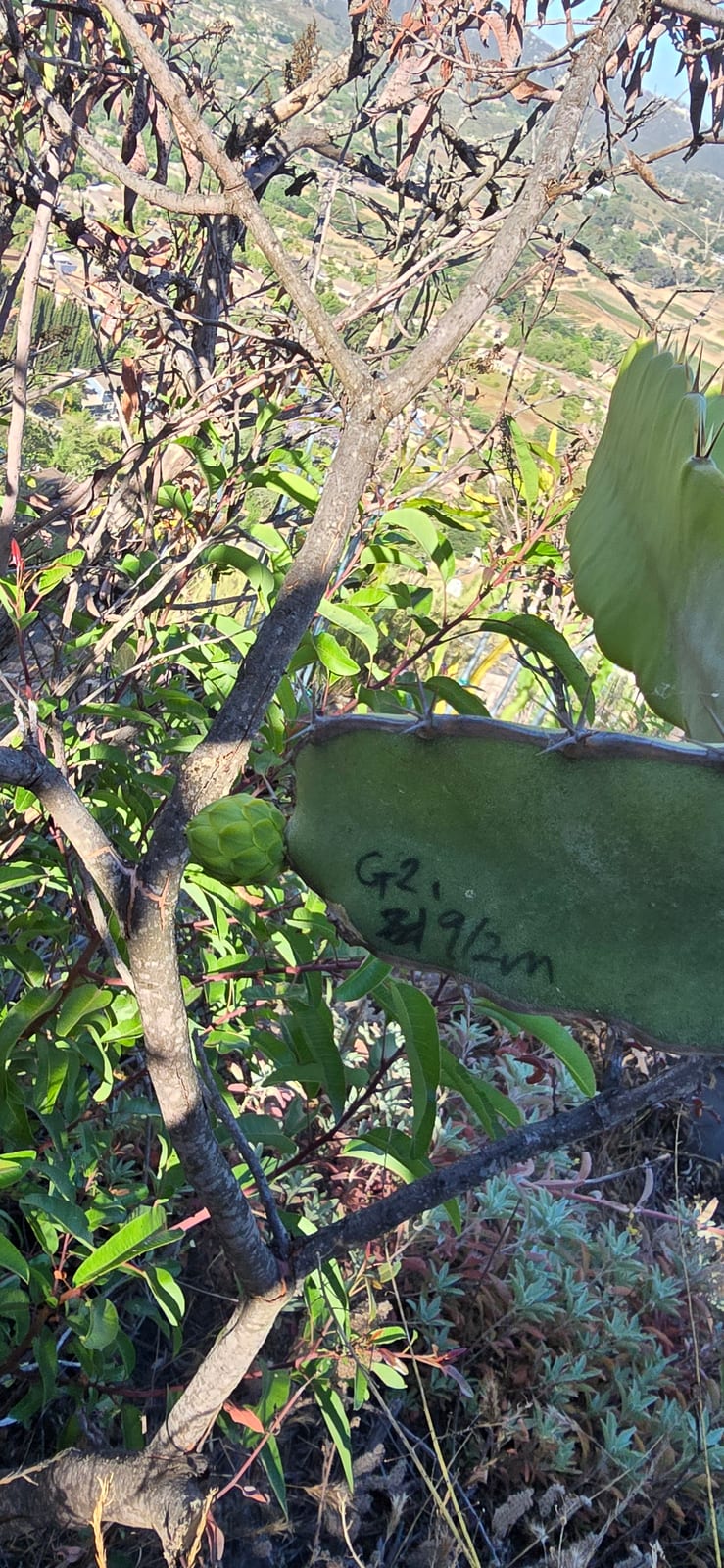
The origin of Shayna is tied to its collection by Spicy Exotics. They sourced this hybrid from a tropical grower, where it was likely observed for its desirable traits before being offered to the broader gardening community. The plant exhibits physical characteristics that reflect its guatemalensis heritage. The stems feature a distinct heart-shaped rib and small spines, resembling typical Hylocereus guatemalensis growth. This morphology supports its reputation as a vigorous climber. The notable aspect of Shayna is how it combines the hardy, fast-growing nature of its Condor parent with the reliable fruiting profile of the White Vietnamese line. This combination makes it a standout choice for growers seeking a specific type of purple-fleshed fruit that grows quickly and reliably.
Taste and texture: How it actually eats
When you cut into a ripe Shayna, the bright purple flesh offers a semi-firm bite that yields easily to the teeth. The texture holds its shape well without being mushy. The texture holds its shape well, making it ideal for slicing into salads or serving as a fresh snack. Despite the firmness, the fruit is very juicy. Each bite releases a clean, refreshing burst of liquid that balances the sweetness of the flesh.
The flavor profile is distinctly sweet-tart. The sweetness is balanced by a bright acidity. Instead, you get a bright acidity that cuts through the sugar, leaving a clean finish. In 2019, the first fruit tested from this variety measured an average brix score of about 19. This reading confirms a high level of natural sugars. For context, this places Shayna in the range of many popular dessert fruits. You can expect a rich, tropical sweetness without the heavy, cloying feel sometimes found in other hybrids.
Comparing Shayna to American Beauty
Growers often compare the taste of Shayna to American Beauty. The flavor notes are similar, with both offering a sweet-tart profile and a juicy, semi-firm texture. If you have enjoyed American Beauty, you will likely appreciate Shayna. The main difference is size. Shayna produces a smaller fruit, typically in the 8 to 10 ounce range. American Beauty tends to produce larger fruit. This size difference does not change the taste experience. It simply means you are eating a more compact version of a familiar flavor. Some growers prefer the smaller size of Shayna for individual servings or for easier handling in the kitchen.
Pro tip: For the best flavor, harvest the fruit when the skin has turned a deep pinkish-red. The flesh should be firm but yield slightly to gentle pressure. If the fruit is still green or pale, it may lack full sweetness.
Fruit and flowers: What to expect from the plant
Shayna dragon fruit produces a round, medium-sized fruit weighing between 8 and 10 ounces. The exterior skin is reddish-pink with distinct green fins. As the interior flesh ripens, the skin blushes, providing a clear visual cue for harvest readiness. This color change signals that the sweet-tart flavor profile has fully developed.
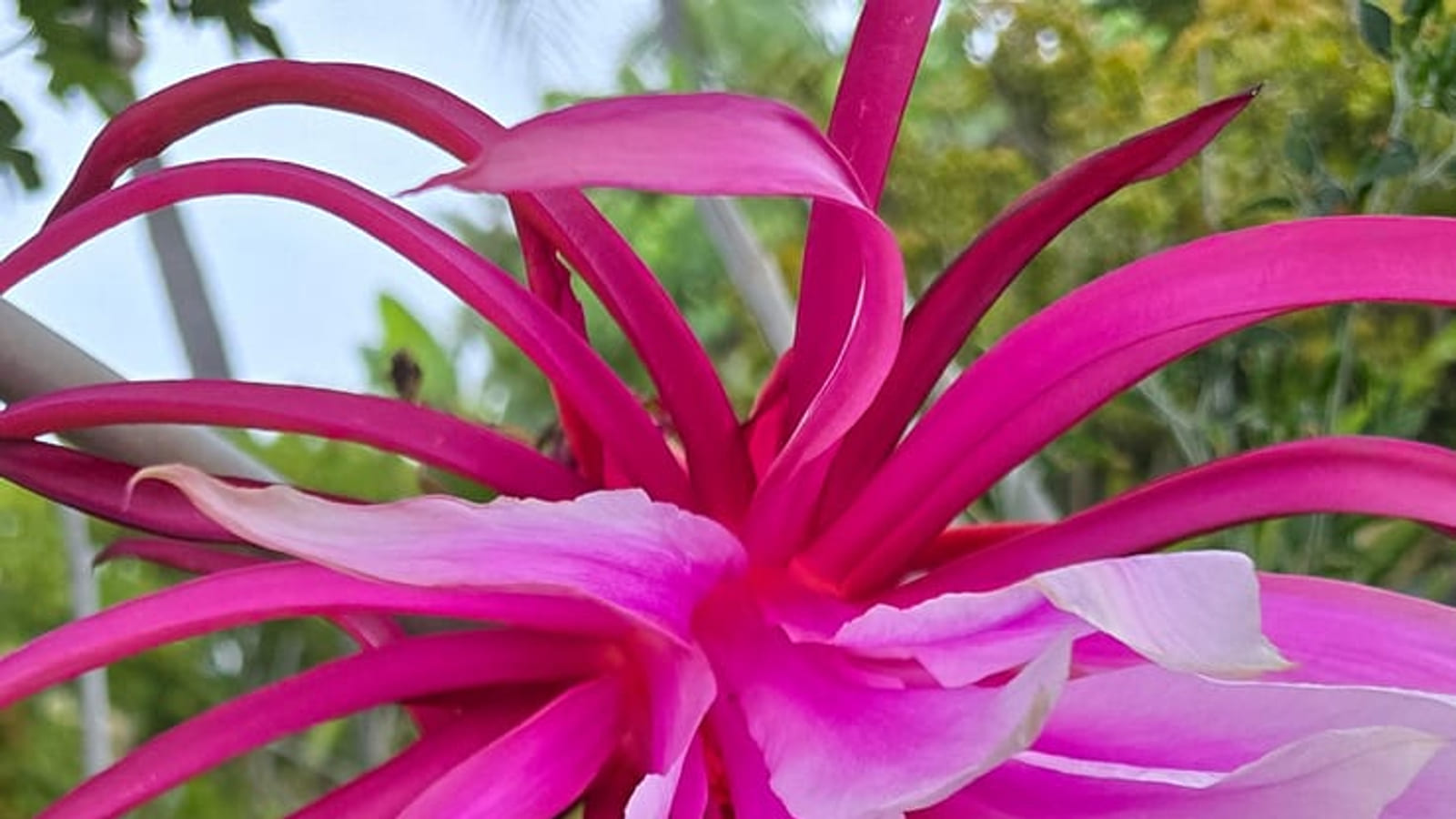
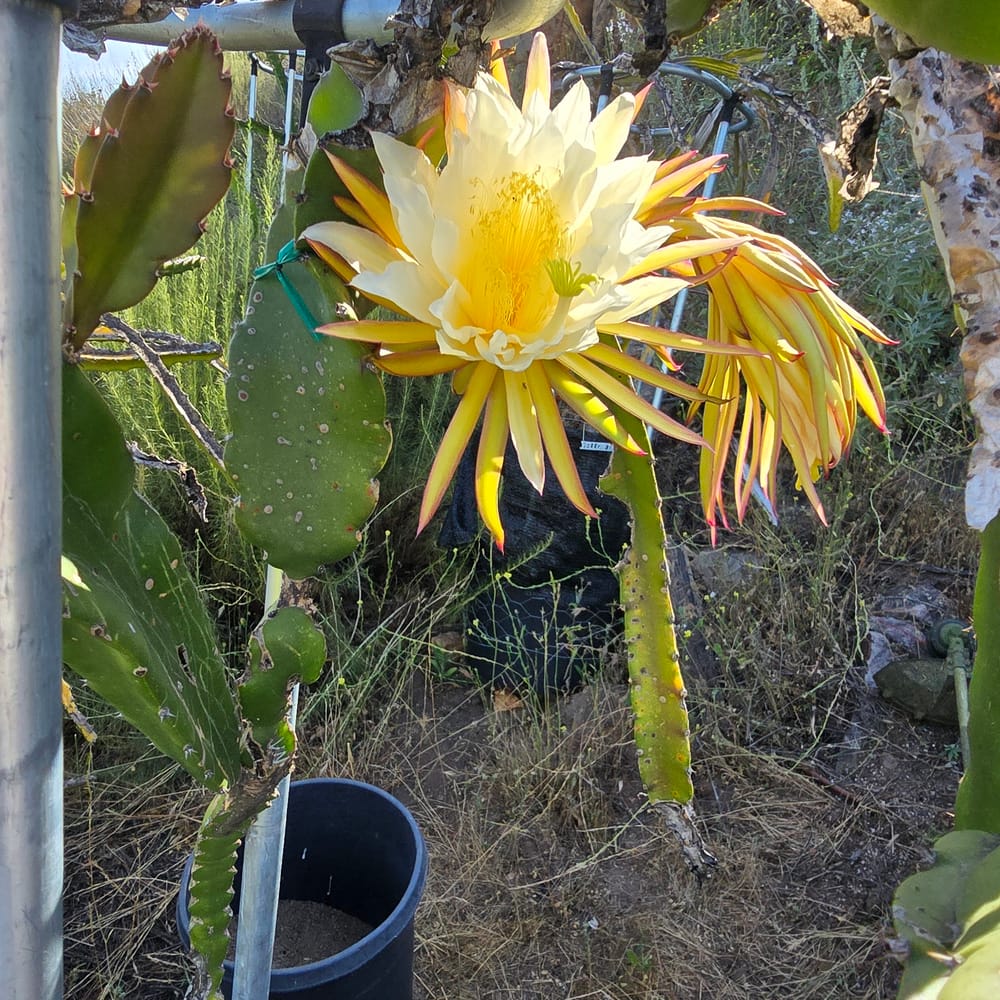
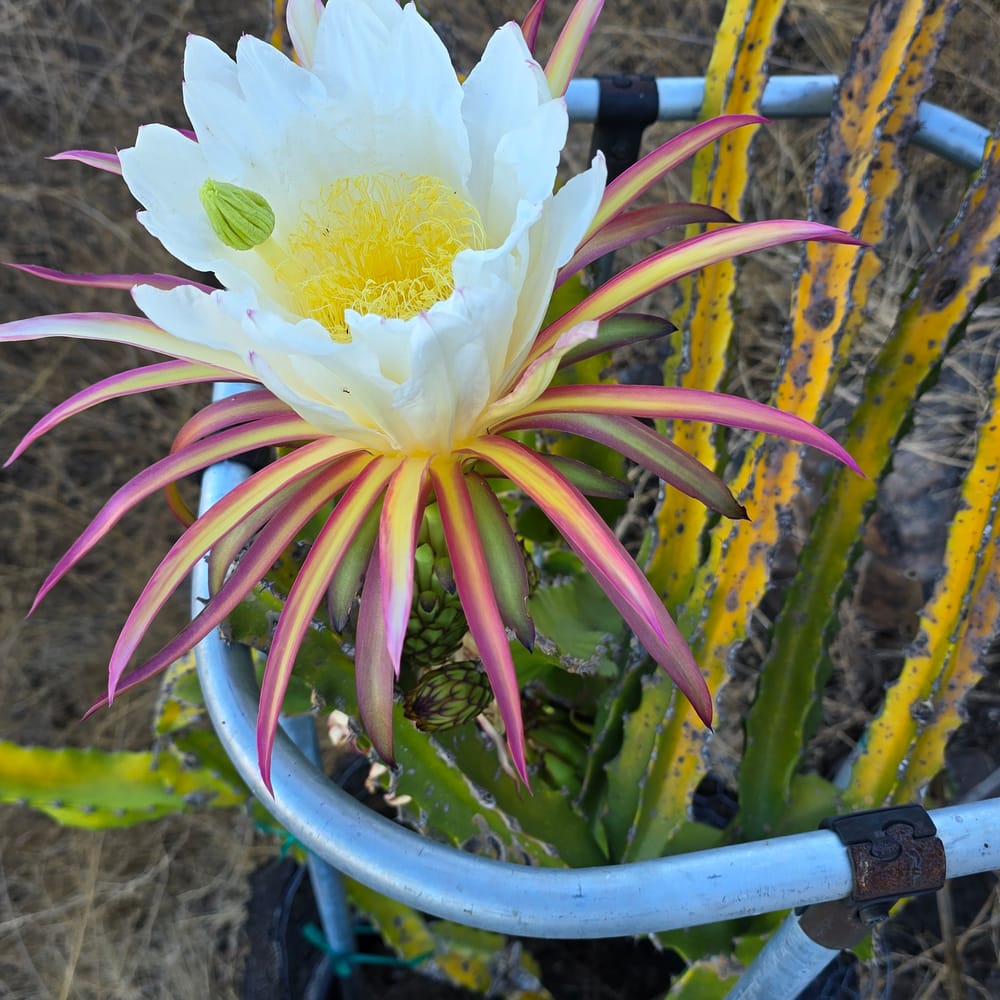
The plant is prolific in its flowering. During warm months, you can expect plentiful blooms. These flowers are notably fragrant, filling the air with a strong scent as they open. Because Shayna is self-fertile, these blooms will set fruit without the need for a second variety nearby. The combination of vigorous growth and reliable blooming makes it a rewarding plant for growers who want consistent production.
Harvest Tip: Watch for the skin to turn a deeper pinkish-red. This indicates the flesh is ripe and ready to pick. The fruit should detach easily from the stem when ready.
Growing Shayna: Sun, Soil, and Structure
Shayna thrives in full sun. The more direct light the plant receives, the more vigorously the stems will grow and the more reliably the fruit will set. Place your cutting or young plant where it will not be shaded by trees or buildings during the peak heat of the day. This variety is a heavy feeder in terms of light, so do not hesitate to give it the brightest spot in your garden or on your patio.
Soil composition is critical for dragon fruit health. Use a well-draining cactus or succulent mix. Standard garden soil holds too much moisture and will quickly lead to root rot. If you are planting in the ground, amend the native soil heavily with sand, perlite, or pumice to ensure water flows through freely. The goal is excellent drainage. The roots need to dry out between waterings to stay healthy. If you are growing in a container, choose a pot with drainage holes and use a commercial cactus mix as your base.
Watering should be deep but infrequent. Let the top layer of soil dry out completely before you water again. When you do water, soak the root zone thoroughly. Avoid keeping the soil soggy. Overwatering is the most common cause of failure for dragon fruit in home gardens. In the heat of summer, you may need to water more frequently, but always check the soil moisture first. If the top inch feels dry, it is time to water. If it is still damp, wait another day.
Temperature management is essential for survival. Shayna cannot tolerate hard freezes. You must protect the plant from cold temperatures to prevent damage. Keep the plant in an environment where temperatures stay above about 40°F. If you live in a region with winter freezes, plan to move potted plants indoors or into a greenhouse before the first frost. For in-ground plants in marginal climates, consider using frost cloth or moving the entire plant if it is in a large container. Cold damage can kill the plant or severely stunt its growth for the following season.
Structure is a requirement. Shayna is a vigorous climber with stems that can reach up to 5 feet in length. Without support, the heavy stems will collapse under their own weight or tangle on the ground. Install a sturdy trellis, T-post, or dedicated dragon fruit tree structure before the plant gets too large. The stems need to be guided up the support so they can drape over the top. This vertical growth habit maximizes light exposure and makes harvesting easier. A heavy support is necessary to handle the weight of the mature plant and its fruit.
Mulching helps regulate soil temperature and retain moisture. Apply a layer of mulch around the base. Keep it away from the main stem to prevent rot. Organic mulches like wood chips or straw work well, but inorganic options like gravel are also acceptable if you prefer a cleaner look. The mulch layer should be refreshed as it breaks down or washes away.
Cold Protection Reminder
Do not rely on the plant to survive a hard freeze. If you are in a zone where freezes are possible, have a plan in place before the weather turns. Moving a potted plant indoors is the safest option. For in-ground plants, heavy mulching and frost protection are necessary, but they are not a guarantee against severe cold.
Shayna vs other purple-fleshed varieties
Shayna sits in a specific niche among purple-fleshed dragon fruits. It shares the deep color and sweet-tart profile with larger hybrids but offers a more compact fruit size. The table below compares Shayna to two other popular varieties: Condor, its vigorous parent, and American Beauty, a larger relative with a similar taste profile.
| Variety | Flesh | Fruit size | Pollination | Notes |
|---|---|---|---|---|
| Shayna | Purple | ~1 lb | Self-fertile | Fast grower, ~19 brix |
| Condor | Purple | Parent of Shayna | ||
| American Beauty | Larger than Shayna | Similar taste |
Condor is the direct parent of Shayna and shares its vigorous growth habit. If you are looking for the maximum stem length and large fruit, Condor is a strong contender. However, Shayna offers a slightly smaller fruit that is often easier to handle and consume in one sitting. For a deeper look at the parent variety, see our guide to condor-dragon-fruit. American Beauty provides a different visual appeal. While the taste is comparable to Shayna, the fruit is significantly larger. Choose Shayna if you prefer a medium-sized, round fruit with a bright purple interior and a proven track record of fast, reliable growth.
Is Shayna right for you?
If you live in a warm climate and want a dragon fruit that handles its own pollination, Shayna is a strong contender. This makes it ideal for growers with limited room who still want a reliable harvest. You will get a consistent supply of sweet, purple-fleshed fruit without the logistical hassle of managing multiple plants for cross-pollination.
Consider the specific needs of this hybrid before committing. It thrives in full sun and requires protection from hard freezes. If your winter temperatures dip below the safe threshold, you will need a plan to move the plant indoors or provide significant insulation. If you can provide these conditions, you will likely enjoy the sweet-tart flavor and juicy texture of the fruit.
Related: short pointer to the broader dragon fruit variety guide and to growing/propagating a cutting.
Shayna is just one entry in a large family of cacti that produce edible fruit. If you are weighing options beyond this specific hybrid, our condor-dragon-fruit guide offers a deeper look at the parent lineage and how different crosses influence growth habits. That resource helps clarify why some varieties climb faster or produce larger fruit, which is useful context when selecting a plant for your specific space.
Since Shayna is often sold as a cutting, understanding the propagation process is key to getting a healthy start. A cutting is a stem segment separated from the mother plant. It does not have roots yet. You must allow the cut end to dry and form a callus before placing it in soil. Once the callus is dry, you can plant the cutting in a well-draining cactus mix. Keep the soil slightly moist but not wet until new roots form. This stage takes time, so patience is essential. For a step-by-step breakdown of how to prepare and plant a dragon fruit cutting, refer to our dedicated propagation guide.
Illustration generated for this article