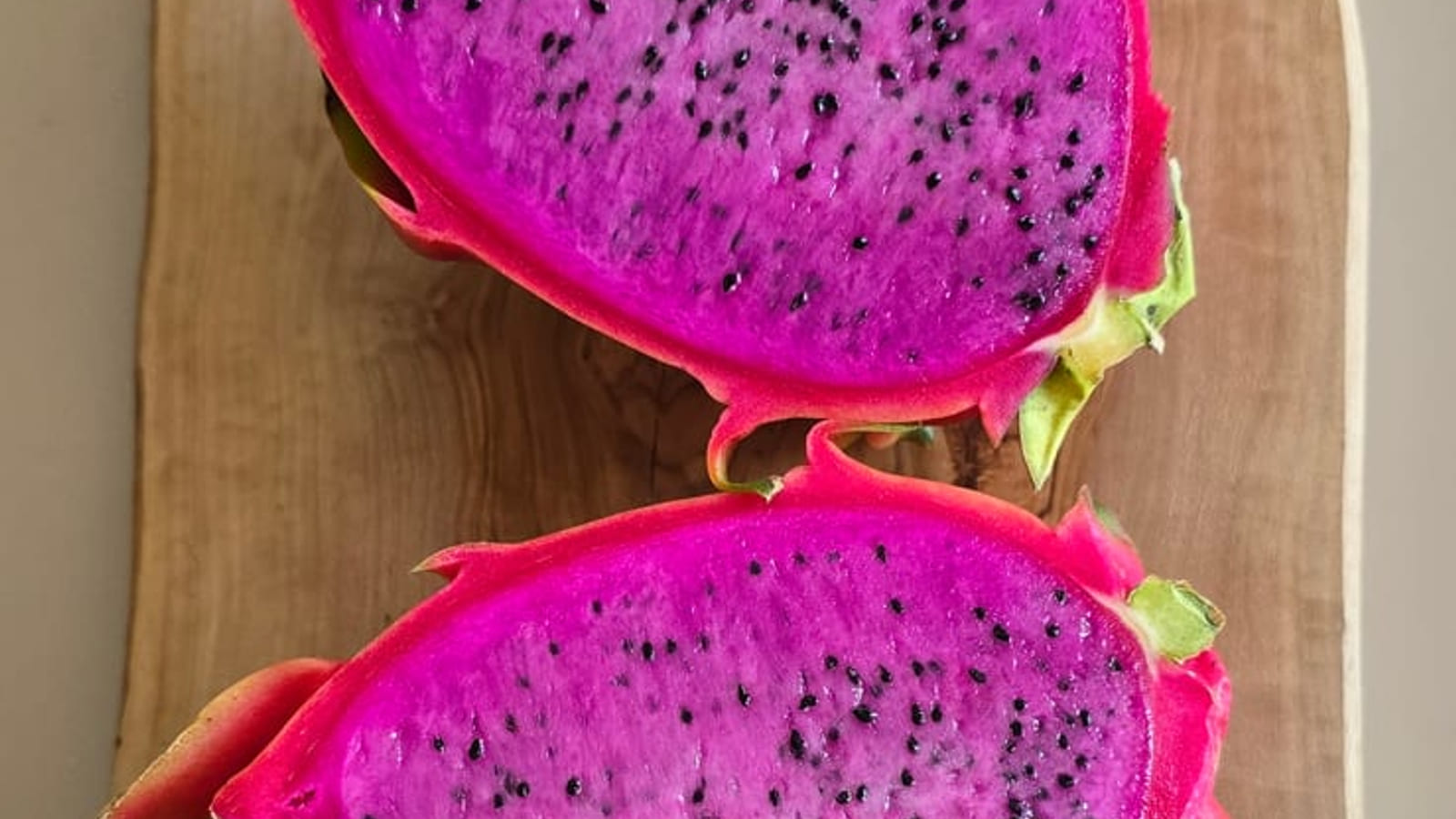
What Does Dragon Fruit Taste Like? A Grower's Guide
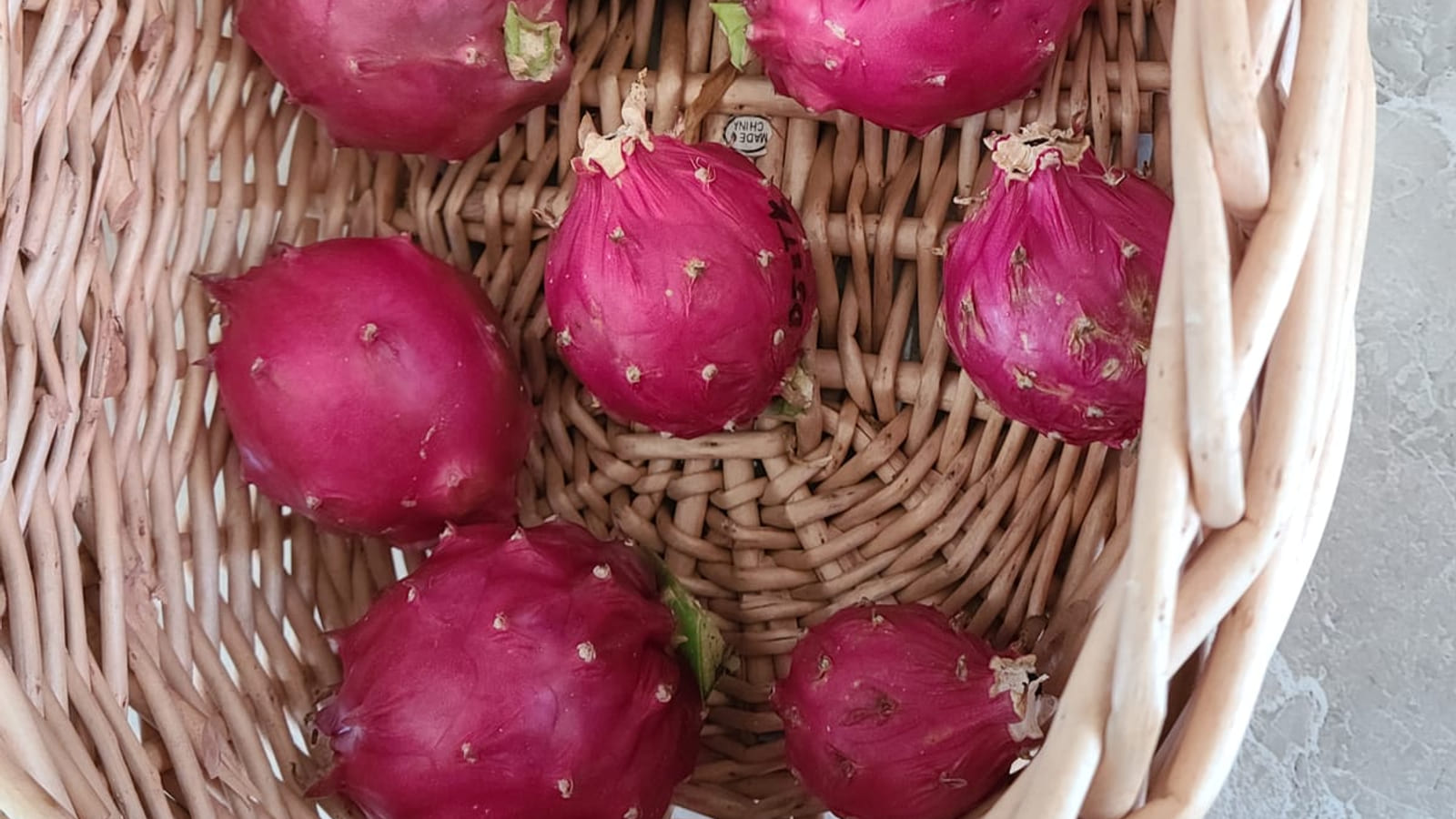
Dragon fruit tastes mild, subtly sweet, and low in acidity. It is not strong, tart, or perfumed. The texture is soft and smooth with a slight creaminess. Ripeness drives the flavor profile significantly. Underripe fruit tastes starchy and bland, while ripe fruit is sweet and juicy. Overripe fruit turns mushy and may taste slightly fermented. Chilling the fruit before eating makes it taste cleaner and sweeter to most palates. For a deeper look at how to select the best fruit, check out our guide to identifying ripe dragon fruit.
A Taste Map: Kiwi + Pear + Watermelon
Think of the flavor profile as a gentle blend rather than a single dominant note. The base is a soft, pear-like sweetness that sits alongside the subtle, grassy tang of kiwi. This is rounded out by a watery, refreshing quality similar to watermelon. The result is a taste that is distinctly mild and low in acidity. It does not hit the palate with sharp tartness or heavy perfume. Instead, it offers a clean, delicate sweetness that lingers without overwhelming the senses.
Depending on the specific fruit, you might catch faint hints of grape, melon, or banana in the background. These secondary notes are subtle and often depend on how ripe the fruit is. The overall impression is one of lightness. It is not a strong or intense flavor. It is a gentle, refreshing taste that works well on its own or as a component in mixed fruit dishes.
| Flavor Component | Sensory Character |
|---|---|
| Kiwi | Subtle grassy tang, gentle acidity |
| Pear | Soft, clean sweetness, smooth mouthfeel |
| Watermelon | High water content, refreshing, light |
| Secondary Hints | Faint grape, melon, or banana notes |
Because the flavor is so understated, it pairs easily with other ingredients. It does not compete with stronger tastes. This makes it a versatile addition to fruit salads, yogurt bowls, or smoothies. If you are looking for specific cultivars that lean more toward the sweeter end of this spectrum, you can explore our guide to best-tasting-dragon-fruit-varieties to see how different types express these notes.
White, Red, or Yellow: How Variety Changes the Flavor
The flesh color is the most reliable predictor of the flavor profile you will encounter. While the base notes of kiwi and pear remain consistent, the intensity and secondary aromas shift significantly depending on the specific Selenicereus species. Understanding these differences helps you choose the right plant for your garden or the right fruit for your kitchen.
The Spectrum of Sweetness
White-fleshed varieties, such as the common Selenicereus undatus, represent the mildest end of the spectrum. These fruits are often described as having a subtle, clean taste that is less sweet than their colored counterparts. They are excellent for those who prefer a very gentle fruit flavor or for using as a neutral base in smoothies where other ingredients need to shine.
Red-fleshed types, like Selenicereus costaricensis, offer a noticeable step up in flavor intensity. The flesh is a deep purple-red, a color derived from betacyanin pigments similar to those found in beets. This variety is distinctly sweeter and carries stronger notes of grape and melon. The higher sugar content makes it a favorite for eating fresh, as the flavor is more pronounced and satisfying on its own.
Yellow dragon fruit, specifically Selenicereus megalanthus, is generally considered the sweetest of the three. Often called yellow pitaya or kirin fruit, it has a bright yellow skin with small spines. Despite its white flesh, the taste is richer and more complex than the standard white variety. It features a slightly floral character with hints of kiwi and lychee, providing a more aromatic experience that many growers and eaters find superior to the milder white types.
| Variety Type | Flesh Color | Flavor Profile | Key Notes |
|---|---|---|---|
| White | White | Mild, clean | Least sweet, subtle pear/kiwi |
| Red | Purple-red | Noticeably sweet | Strong grape and melon notes |
| Yellow | White | Sweetest, floral | Kiwi-lychee character, aromatic |
If you are looking to maximize flavor intensity in your home garden, yellow and red varieties are the top choices. For a deeper comparison of specific cultivars and their performance, check out our guide to best-tasting-dragon-fruit-varieties.
Ripeness Makes or Breaks the Flavor
The difference between a disappointing snack and a genuinely sweet treat often comes down to when you pick or buy the fruit. Ripeness is the single biggest driver of perceived flavor. If the fruit is underripe, the flesh will taste starchy, bland, and mealy. It lacks the juice and sugar that define the eating experience. Conversely, if the fruit is overripe, the texture breaks down into mush and the taste can turn slightly fermented or sour. The goal is to hit that specific window where the fruit is sweet and juicy without losing its structural integrity.
Reading the Skin
Because dragon fruit skin is thick and waxy, you cannot rely on smell alone. You need to look at the color and feel the surface. For the common white-fleshed variety, the skin should be a vibrant pink or red. If it looks dull, brown, or has dark spots, the fruit is likely past its prime. The scales (the green "leaves" on the outside) should be slightly yellowing or drying out at the tips. If the scales are still bright green and stiff, the fruit is probably not ready. If they are completely brown and falling off, it is likely overripe.
For red-fleshed varieties, the skin is often a deeper red, but the same principle applies. Look for a uniform color without large patches of brown or black. The yellow dragon fruit, or kirin fruit, is different. Its skin should be a bright, sunny yellow. If it is still green, it is underripe. If it is orange or brown, it is overripe. The skin of the yellow variety is also thinner, so it bruises more easily. Handle these with care.
The Squeeze Test: Gently squeeze the fruit with your palm. It should yield slightly to pressure, similar to a ripe avocado or a ripe peach. If it feels hard like a rock, it is not ready. If it feels soft or mushy, it is overripe. You are looking for a gentle give that indicates the flesh inside has hydrated and sweetened.
Storage and Timing
Dragon fruit continues to ripen after it is picked. This is good news for growers and buyers alike. If you pick the fruit slightly early, it will finish ripening on your counter. Keep the fruit at room temperature, away from direct sunlight. Check it daily. Once it reaches the desired ripeness, move it to the refrigerator. Chilling the fruit slows down the ripening process.
If you have a surplus of ripe fruit, you can store it in the fridge for a short period. However, the flavor will not improve in the fridge. It will just stay at the level of ripeness it reached on the counter. If you want a fruit that is even sweeter, you must let it ripen fully at room temperature before refrigerating. Do not put unripe fruit in the fridge, as the cold will stop the ripening process and leave you with a starchy, bland result.
| Ripeness Stage | Visual Cues | Flavor Profile |
|---|---|---|
| Underripe | Bright green scales, hard skin, dull color | Starchy, bland, mealy |
| Ripe | Yellowing/drying scales, vibrant skin, slight give | Sweet, juicy, mild acidity |
| Overripe | Brown/black spots, soft/mushy skin, falling scales | Mushy, fermented, sour |
Understanding these cues helps you get the most out of your harvest. If you are growing your own plants, this knowledge allows you to pick at the optimal time for fresh eating versus storage. For those buying at the market, it helps you select the best fruit for immediate consumption. If you want to explore which specific varieties tend to ripen faster or slower, check out our guide to best-tasting-dragon-fruit-varieties for more details on how different types handle the ripening process.
Texture: What It Feels Like in Your Mouth
The mouthfeel of dragon fruit is defined by a distinct contrast between the flesh and the seeds. The pulp itself is soft, smooth, and slightly creamy. It lacks the fibrous stringiness found in many other tropical fruits. Instead, it yields easily to the teeth, offering a gentle, almost custard-like base. This smoothness is interrupted by the many tiny black seeds distributed throughout the flesh. These seeds are fully edible and provide a soft crunch similar to kiwi seeds. They are the primary source of texture in the fruit, adding a subtle pop that prevents the eating experience from feeling one-dimensional.
The seeds are not just textural elements; they are a key part of the sensory profile. If you find the fruit too smooth or bland, ensure you are eating the whole flesh rather than just the softer sections. The interplay between the creamy pulp and the crunchy seeds is what makes the texture satisfying.
How Ripeness Affects Mouthfeel
While the seed crunch remains consistent, the texture of the flesh changes dramatically with ripeness. Underripe fruit has a firm, starchy consistency that can feel mealy or waxy. As the fruit ripens, the flesh becomes juicy and tender. Overripe fruit, however, loses its structural integrity entirely. The flesh turns mushy and watery, and the seeds may lose some of their distinct crunch as the surrounding pulp breaks down. For the best textural balance, look for fruit that yields slightly to gentle pressure but still holds its shape. This stage offers the ideal combination of creamy flesh and crisp seeds.
| Ripeness Stage | Flesh Texture | Seed Texture |
|---|---|---|
| Underripe | Firm, starchy, mealy | Crisp, distinct |
| Ripe | Soft, juicy, creamy | Soft crunch, integrated |
| Overripe | Mushy, watery | Soft, less distinct |
If you are growing your own plants, the variety you choose will influence the base texture. Exploring the best-tasting-dragon-fruit-varieties can help you match the textural profile to your preference, whether you prefer a firmer bite or a softer, juicier experience.
How to Eat It (So You Actually Get the Flavor)
The way you cut and serve dragon fruit changes the eating experience more than most people expect. Because the flesh is soft and high in water content, the structure of the bite matters. If you eat it straight from the skin, the texture can feel uneven. Preparing the fruit properly ensures you get that clean, pear-like sweetness without the distraction of tough skin or uneven chunks.
Preparation Methods
The skin is technically edible, but it is tough and has a bitter taste that masks the delicate flavor of the flesh. Most growers and home cooks skip the skin entirely. You have two main options for getting to the fruit.
| Method | Best For | Texture Result |
|---|---|---|
| Scooping | Quick snacking, smoothies | Soft, creamy, uniform |
| Slicing | Fruit salads, garnishes | Defined segments, crisp edges |
To scoop, cut the fruit in half lengthwise and use a sturdy spoon to separate the flesh from the skin. This works well if you plan to blend the fruit or eat it directly from the bowl. To slice, peel the fruit first using a vegetable peeler or knife, then cut the cylinder into rounds. You can then cut these rounds into wedges or cubes. Slicing preserves the shape of the fruit, which is helpful if you are using it as a visual element in a dish.
Temperature and Pairing
Temperature plays a surprising role in flavor perception. Chilled dragon fruit tastes cleaner and sweeter to most palates. The cold temperature suppresses any subtle off-notes and highlights the natural sugars. If the fruit is at room temperature, the flavor can feel flatter and less distinct. Let it sit at room temperature for a short time before serving if you prefer it slightly warmer, but for the purest taste, keep it cold.
Because the flavor is mild, it pairs well with ingredients that add contrast. A squeeze of lime or lemon adds the acidity that dragon fruit lacks. A drizzle of honey or agave syrup can enhance the sweetness if the fruit is not fully ripe. In savory applications, the fruit works in salads with cucumber, mint, and feta cheese. The red flesh also acts as a natural food coloring, turning yogurt or smoothies a vibrant pink without added dyes.
Tip: If you are using dragon fruit in a smoothie bowl, add it last. The high water content can thin out the base if blended too early. Scooping the fruit and placing it on top preserves the texture and visual appeal.
Nutrition Snapshot
Dragon fruit is primarily water, making it a hydrating and low-calorie option for your diet. Per 100 grams of raw flesh, the fruit contains 57 kcal. It is composed of 84% water, which contributes to its refreshing, light mouthfeel. The remaining solid content is mostly carbohydrates, with 15.2 g per 100 g. Of that total, approximately 9.75 g is sugar, aligning with the subtle sweetness described in earlier sections. The fruit also provides 3.1 g of fiber, which aids digestion. Protein and fat are negligible, at 0.36 g and 0.14 g respectively.
While dragon fruit is not a dense source of vitamins or minerals, it does offer small amounts of several key micronutrients. It contains modest levels of vitamin C, B vitamins, iron, magnesium, and potassium. These nutrients support general health, though you would not rely on dragon fruit as a primary source for any single mineral.
| Nutrient | Amount per 100 g | Note |
|---|---|---|
| Water | 84% | Primary component |
| Calories | 57 kcal | Low energy density |
| Carbohydrates | 15.2 g | Includes 9.75 g sugar |
| Fiber | 3.1 g | Digestive support |
| Protein | 0.36 g | Negligible |
| Fat | 0.14 g | Negligible |
The tiny black seeds are fully edible and contribute to the fiber content. They are safe to consume. The flesh itself is soft and smooth, making it easy to digest. Because the fruit is low in acidity, it is gentle on the stomach for most people.
For those interested in how different varieties might slightly alter the sugar profile or nutrient density, our guide to best-tasting-dragon-fruit-varieties offers a deeper look at the specific cultivars available. While the macro-nutrients remain similar, the sensory experience of sweetness can vary, which may influence how much you choose to eat.
Frequently Asked Questions
Is dragon fruit safe to eat if it is not fully ripe?
Yes, it is safe, but the experience is often disappointing. Underripe fruit contains more starch and less sugar, resulting in a mealy texture and a bland, starchy taste. It lacks the juicy sweetness and delicate aroma of a ripe fruit. If you buy fruit that feels hard and cool to the touch, leave it on the counter until the skin softens slightly and the color deepens. This allows the starches to convert to sugars, unlocking the full flavor profile described in our best-tasting-dragon-fruit-varieties guide.
Why does my dragon fruit taste different from the one I bought last time?
Variety and ripeness are the two main variables. The standard white-fleshed fruit found in most supermarkets is the mildest and least sweet. If you recently tried a red-fleshed or yellow variety, you likely noticed a significant jump in sweetness and intensity. Even within the same variety, a fruit picked at peak ripeness will taste sweeter and juicier than one picked early for shipping. Always check the flesh color and firmness before eating to ensure you are getting the best version of that specific type.
Can I eat the skin?
Technically, the skin is edible, but most people avoid it. The rind is tough and has a bitter taste that clashes with the mild, sweet flesh. It is much easier to scoop the flesh out with a spoon or peel the fruit and slice it into segments. The tiny black seeds inside the flesh are completely edible and provide a pleasant, soft crunch. Do not discard the seeds, as they contribute to the texture and contain fiber.
Does cooking change the flavor?
Yes, heat alters both the texture and the taste. Raw dragon fruit is crisp and refreshing, with a high water content that keeps the flavor clean. When cooked, the flesh softens significantly and the sugars concentrate. This makes it suitable for jams, curries, and desserts, where it can absorb other flavors. In its native regions, it is often used in savory dishes or steeped as a tea from the flowers. If you prefer the subtle, kiwi-pear taste, stick to eating it raw and chilled.
Is dragon fruit acidic?
No, dragon fruit is low in acidity. It does not have the sharp, tart bite found in citrus fruits or pineapples. The taste is gentle and mild, which