Bloody Mary Dragon Fruit: Rare Red & Best Alternative
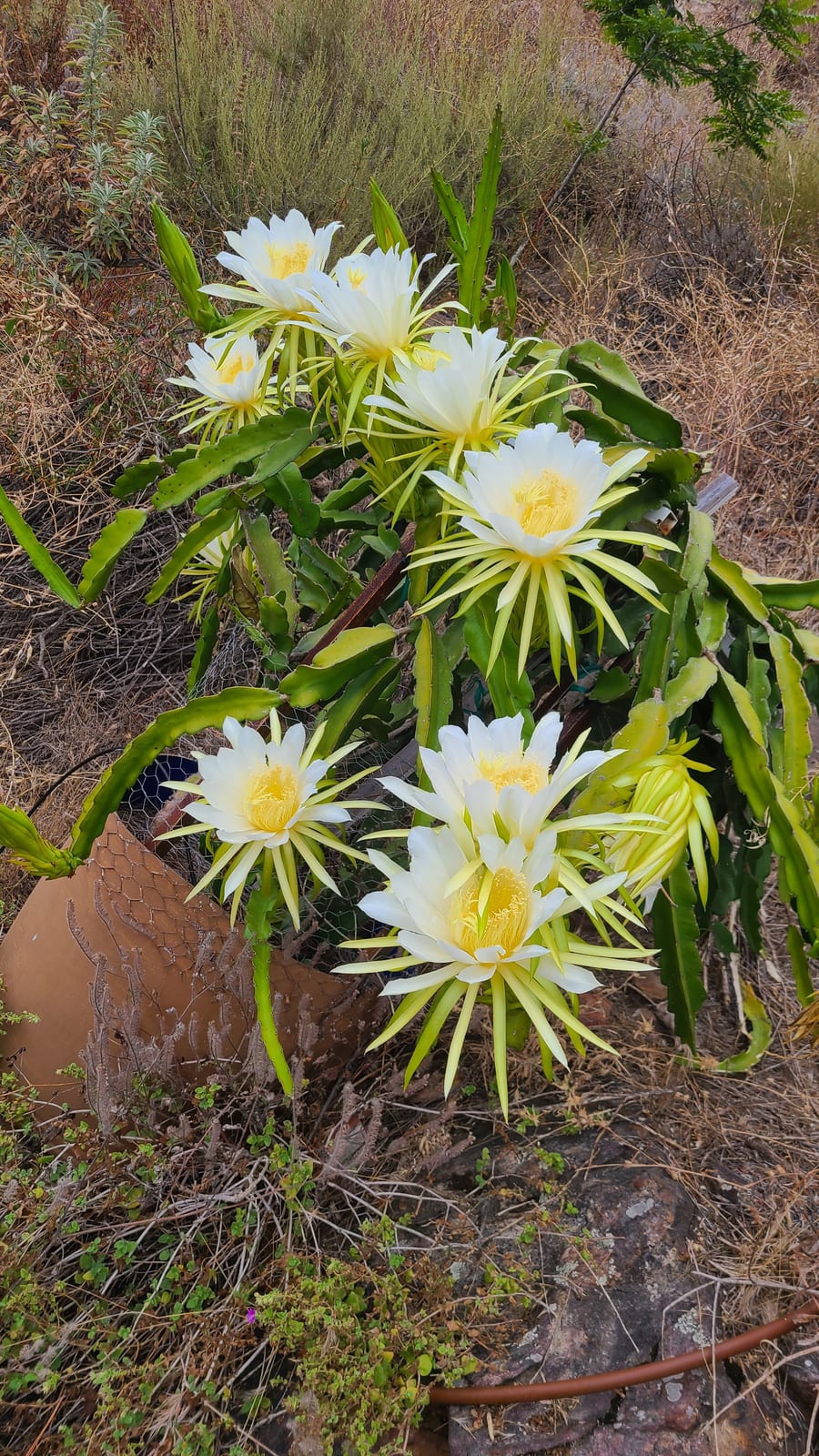
Bloody Mary is a rare, deep-red dragon fruit. You will not find it in most commercial nurseries. Sky Botanicals does not stock this specific cultivar among our 50+ varieties. We do not stock it, but Robles Red is a great alternative. It offers the same vivid betalain pigments and rich flavor profile. You can buy Robles Red cuttings directly from our shop to get a reliable, high-performing red dragon fruit plant.
What is Bloody Mary Dragon Fruit?
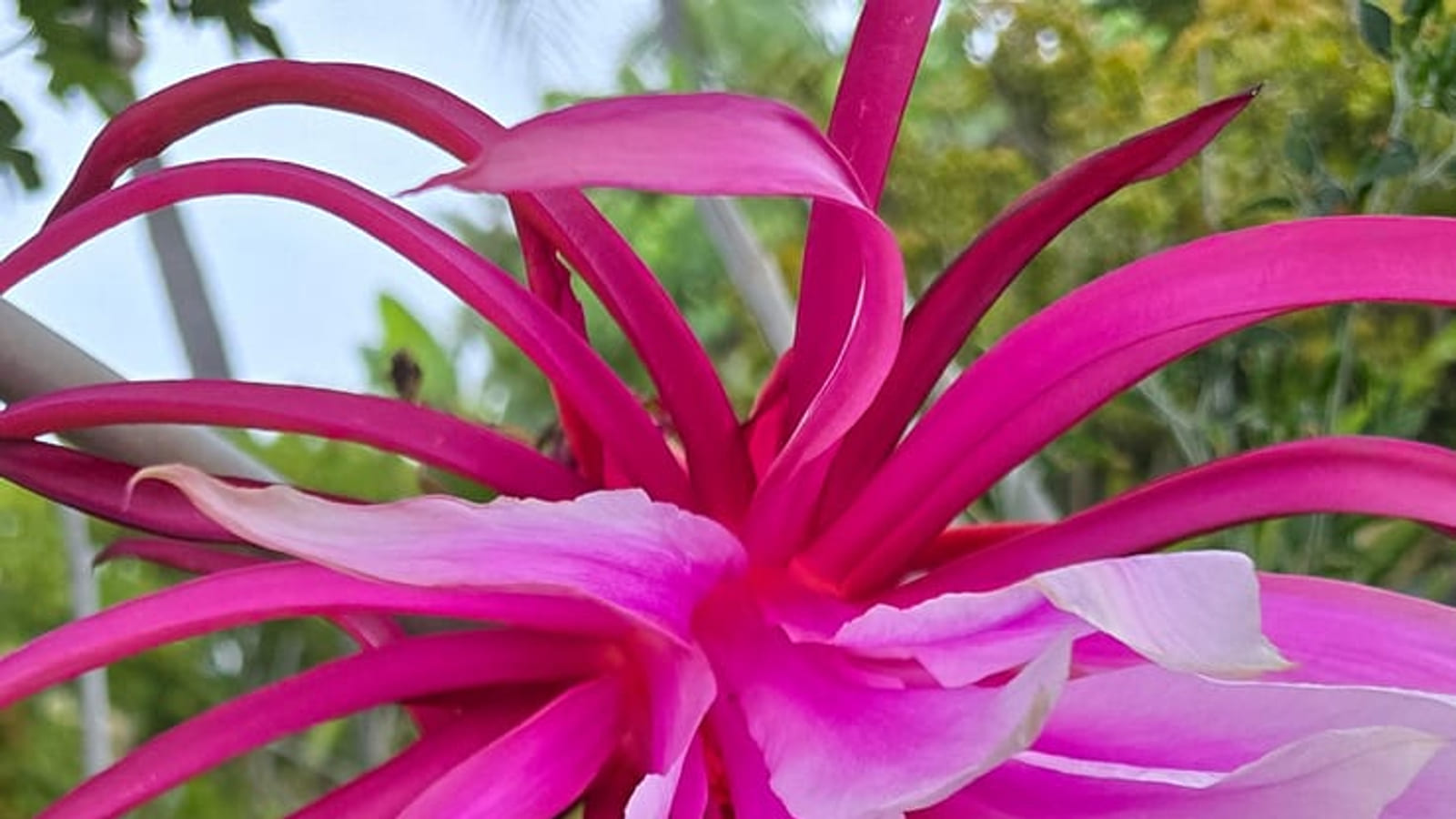
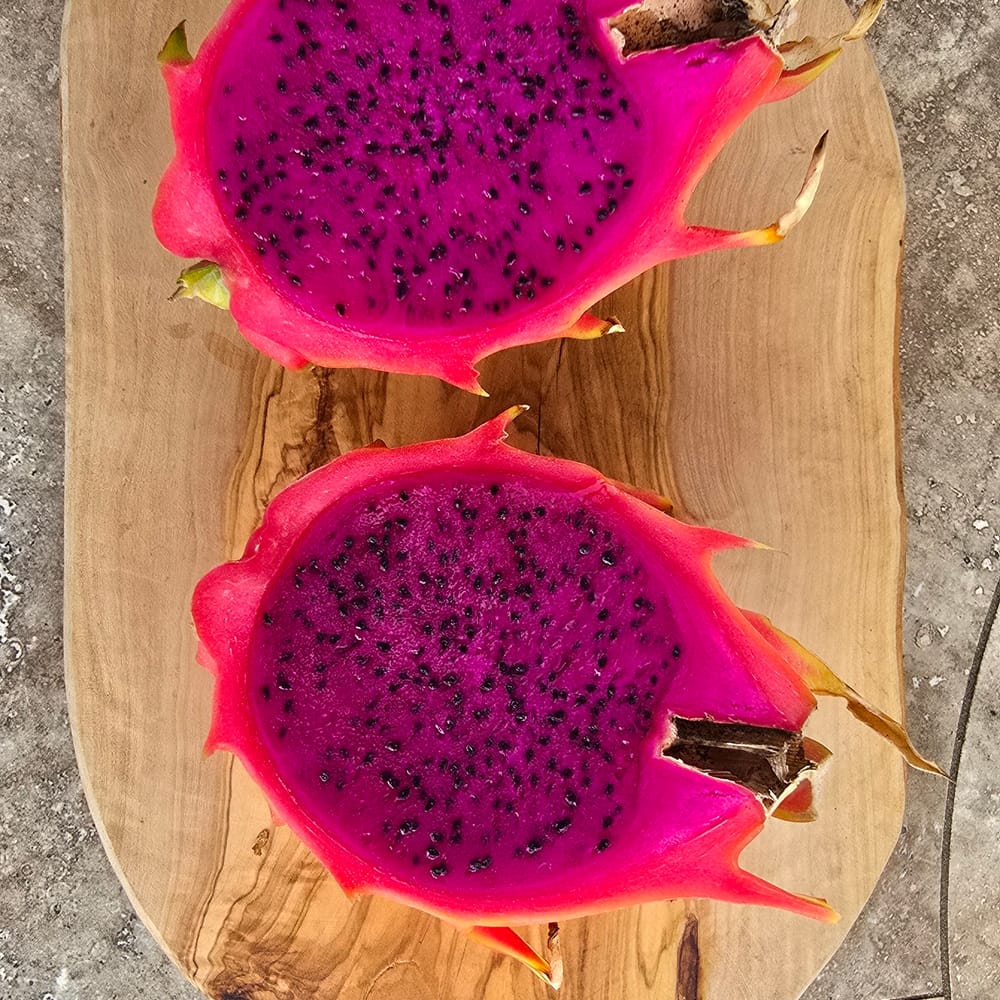
The name fits the Southern California dragon fruit naming tradition. Growers here often borrow titles from rock albums or songs. You see names like Purple Haze or Physical Graffiti on nursery tags. The cocktail reference adds a visual cue. It signals the deep crimson flesh inside the fruit. That intense red color is the main draw for collectors.
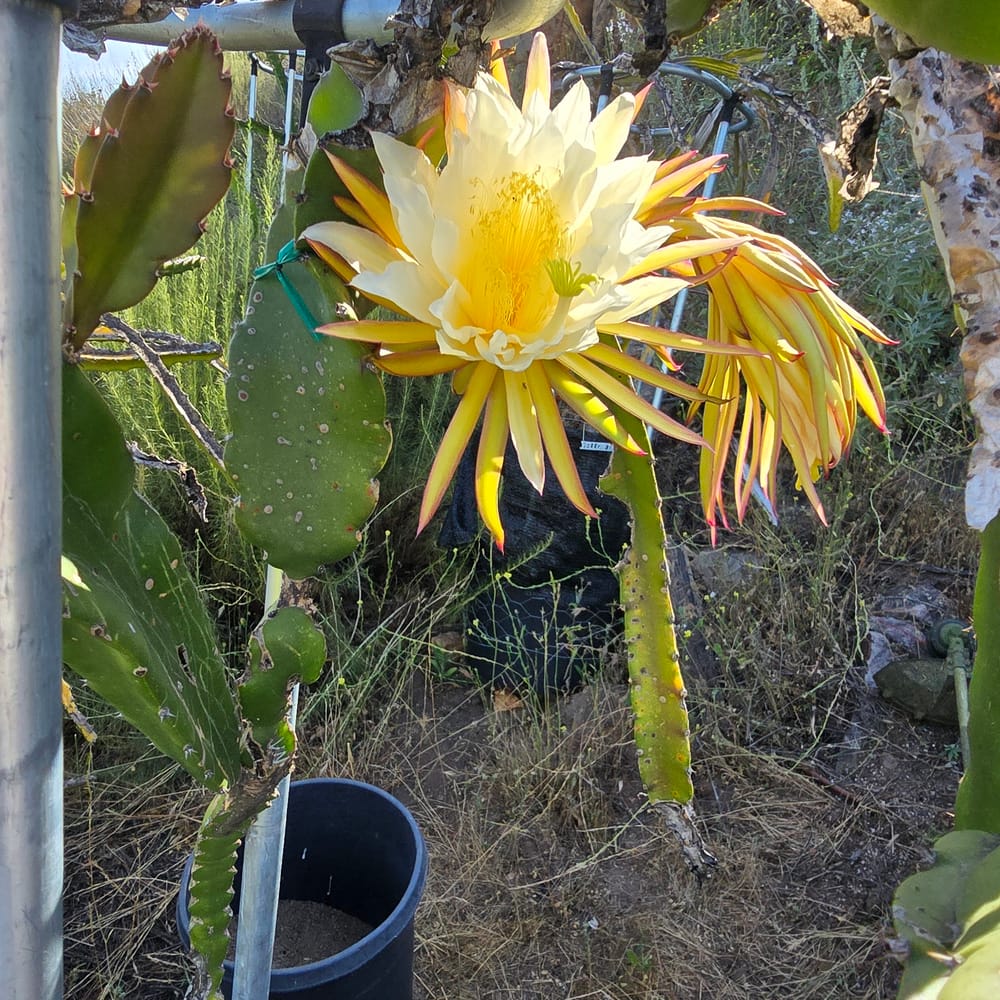
Botanically this variety belongs to the Selenicereus costaricensis species. This group includes many red-fleshed types. It is distinct from the white-fleshed Selenicereus megalanthus. The costaricensis lineage is known for its vibrant betalain pigments. These pigments create that striking ruby interior. If you want to understand the broader landscape of these species, check out our dragon fruit varieties guide.
Finding a true Bloody Mary cutting is difficult. It is an obscure cultivar. Most commercial nurseries do not stock it. The rarity comes from limited propagation and niche demand. Growers usually share cuttings within small local networks rather than selling them at scale. This keeps the variety elusive for the average gardener.
Bloody Mary at a Glance
The deep red flesh suggests a high sugar content. Similar red varieties often reach high Brix levels. This level of sweetness balances the natural acidity of the fruit. The fruit size is typically medium. This makes it easy to handle and harvest.
Pollination is a key factor for this type. Many red and purple varieties are self-sterile. They require cross-pollination for reliable fruit set. Even self-fertile types benefit from hand pollination. This practice often results in larger fruit. Check our dragon fruit varieties guide for more on pollination strategies.
Bloody Mary thrives in warm climates. Frost will damage the vines. Protect the plant during any cold snaps. The plant needs consistent heat to develop its signature color and flavor.
Flavor Profile and Sweetness
The deep crimson flesh of the Bloody Mary variety signals a specific chemical composition. That intense color comes from betalains. These are the same pigments found in beets and red cactus pads. They act as powerful antioxidants. For the gardener, this means the fruit is not just visually striking but also nutritionally dense. The betalain concentration often correlates with a distinct flavor profile.
Red-fleshed dragon fruit varieties typically offer a richer taste than their white counterparts. You can expect berry notes in the flavor. Think of wild strawberries or raspberries. The sweetness level usually falls within the 15 to 21 Brix range. This provides a solid sugar backbone. However, the deep pigment concentration can introduce a slight tartness. This acidity balances the sugar and prevents the fruit from tasting cloying. It adds complexity to the eating experience.
| Flesh Color | Primary Pigment | Flavor Notes | Antioxidant Density |
|---|---|---|---|
| White | None | Mild, melon-like | Low |
| Red/Crimson | Betalains | Berry, tart-sweet | High |
If you are looking for this specific profile, the dragon fruit varieties guide offers more details on species differences. The Bloody Mary fits into the Selenicereus costaricensis lineage. This group is known for vibrant colors and robust flavors. While the exact taste of the obscure Bloody Mary cultivar varies by grower, the deep red color guarantees a high betalain content. This makes it an antioxidant powerhouse compared to lighter varieties.
Grower Note: Deep red flesh indicates high betalain levels. These compounds are sensitive to light and heat. Harvest in the morning when temperatures are cooler to preserve the pigment and flavor integrity.
Growing Bloody Mary Dragon Fruit
Dragon fruit is a long-term investment. A healthy plant can live for 50+ years. It takes about 4 years to reach full maturity. Once established, a single vine can produce 110+ lbs of fruit per season. This longevity rewards patience with decades of harvests.
Start with the right foundation. The soil needs to be well-draining. Mix in compost to boost organic matter. Aim for a soil pH between 6 and 7. This range allows the roots to access nutrients efficiently. Poor drainage is the fastest way to kill a cactus. Ensure water flows through the root zone quickly.
Light drives sugar production. The plant requires 6-8 hours of direct sun daily. Less light means weaker stems and less sweet fruit. Place the vine where it catches the strongest rays. If you grow in a container, rotate it regularly to keep growth even.
Cold is the enemy. Dragon fruit cannot survive temperatures below 38°F. Frost will damage the stems and kill new growth. Move potted plants indoors during cold snaps. For in-ground vines, use frost cloth or blankets to trap heat. Protect the plant until the threat of frost has passed.
These vines are climbers. They can reach heights of 30 feet if left unchecked. You must provide a sturdy trellis. A heavy support structure keeps the fruit off the ground. It also makes harvesting much easier. Without a trellis, the plant will sprawl and become difficult to manage.
Feed the plant consistently during the growing season. Regular fertilization supports vigorous growth and fruit set. Stop feeding when growth slows in late autumn. This helps the plant prepare for dormancy. Check our dragon fruit varieties guide for more details on seasonal care routines.
Closest Varieties We DO Carry
You cannot buy Bloody Mary from us. We do not stock it. We do stock excellent alternatives that match its deep color and high sugar content. If you want that intense red flesh and rich flavor, look at these four cultivars.
| Variety | Flesh Color | Sweetness | Key Trait |
|---|---|---|---|
| Physical Graffiti | Deep purple-red | High | One of the best tasting varieties |
| Dark Star | Purple | Very Sweet | Very sweet |
| Robles Red | Red | Sweet | Self-fertile |
| Valdivia Roja | Red | Sweet | Reliable producer |
Physical Graffiti is a top choice for flavor. It has deep purple-red flesh. Many growers consider it one of the best tasting varieties available. Dark Star offers a purple interior with very high sweetness. It is a very sweet option for your garden.
Robles Red is a practical pick. It has red flesh and high sweetness. It is self-fertile. This means you can plant a single vine and still get fruit. Valdivia Roja is another strong contender. It produces red flesh with high sweetness. It is a reliable performer in warm climates.
Robles Red is self-fertile. You do not need a second variety for pollination. This saves space in small gardens. Physical Graffiti and Dark Star often benefit from cross-pollination.
These varieties share the same genetic lineage as Bloody Mary. They belong to the Selenicereus costaricensis group. They offer the betalain pigments you want. They provide the sweetness you expect. Browse our full list of options in the dragon fruit varieties guide.
Red-Fleshed Dragon Fruit Varieties Comparison
Choosing a red-fleshed variety often comes down to flavor preference and availability. The Bloody Mary is a collector's item with deep crimson flesh. It sits alongside other named cultivars in the Selenicereus costaricensis group. These varieties share a genetic lineage that favors intense pigment and complex sweetness. Most red types fall within the 15 to 21 Brix range. This sugar level provides a rich taste that balances natural acidity. Some growers prefer the berry notes of one cultivar over the floral hints of another. The table below compares the elusive Bloody Mary with varieties available at Sky Botanicals. We include estimated traits for Bloody Mary based on grower reports. You can find more details on these types in our dragon fruit varieties guide.
| Variety | Flesh Color | Sweetness Estimate | Availability |
|---|---|---|---|
| Bloody Mary | Deep crimson | High | Rare / Obscure |
| Robles Red | Bright red | High | In Stock |
| Valdivia Roja | Red | Medium-High | In Stock |
| Physical Graffiti | Deep red | High | In Stock |
| Dark Star | Red | Medium | In Stock |
| Sugar Dragon | Red | Very High | In Stock |
| Frankie's Red | Red | High | In Stock |
| Purple Haze | Purple-Red | Medium-High | In Stock |
| American Beauty | Red | Medium | In Stock |
The visual difference between these varieties is striking. Robles Red offers a reliable bright red interior. Physical Graffiti tends toward a darker, deeper hue. If you want the specific deep crimson of the Bloody Mary, Robles Red is the closest commercial match. It delivers the same vivid betalain pigments. You get the rich flavor profile without the hunt for rare cuttings.
FAQ
Is Bloody Mary self-fertile?
Most obscure red-fleshed varieties in the Selenicereus costaricensis species are self-sterile. This means a single plant will rarely set fruit on its own. You need a second compatible variety nearby for cross-pollination. Even if you find a self-fertile type, hand pollination usually produces larger and more reliable crops. Planting two different varieties ensures pollinators have options and boosts your total yield.
Why can't I find it?
Bloody Mary is an obscure cultivar with limited propagation. Most commercial nurseries do not stock it because demand is niche. Growers typically share cuttings within small local networks rather than selling them at scale. This keeps the variety elusive for the average gardener. You are unlikely to find it in standard garden centers or large online retailers.
What's the closest variety you sell?
We recommend Robles Red as the best alternative. It offers the same vivid betalain pigments and rich flavor profile that define the Bloody Mary experience. Robles Red is a reliable, high-performing plant available directly from our shop. It delivers that striking deep red color without the scarcity issues of rare cultivars.
How sweet is it?
The deep crimson flesh signals high sweetness, typical of red-fleshed varieties. This level of sweetness balances the natural acidity of the fruit. You can expect a rich taste with berry notes. The sugar backbone makes it a standout among red-fleshed types.
Is it different from regular red dragon fruit?
Yes. The intense red color comes from high concentrations of betalain antioxidants. These pigments are the same compounds found in beets. They give the fruit its signature look and health benefits. The flavor is often richer and more complex than standard red varieties.
Timing tip: From flower bud to open takes about 15 days. Once the fruit sets, it takes 30-45 days to reach harvest maturity depending on the variety. Plan your pollination efforts accordingly.